
3 days free
Ready for the whole library?
You’ve had your freebie — but members download 10,000+ resources for every grade, all year long. Try it free — $0 today, cancel anytime.
Free for teachers
Pick your grade. We’ll send 10 free resources.
Worksheets, activities and a video — picked for your classroom, ready to print tonight.
One free bundle per teacher. We’ll also send free teaching ideas each week — unsubscribe anytime.
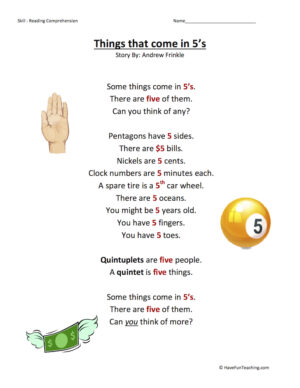

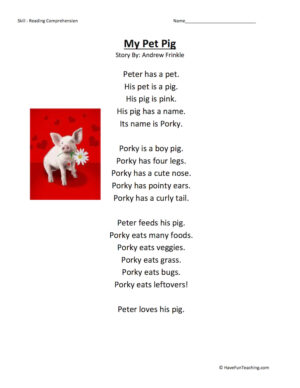


The Parts of a Book Worksheet helps Kindergarten readers name the front cover, back cover, and pages, then trace each word. Includes an answer key — a fun, no-prep way to build early print concepts.
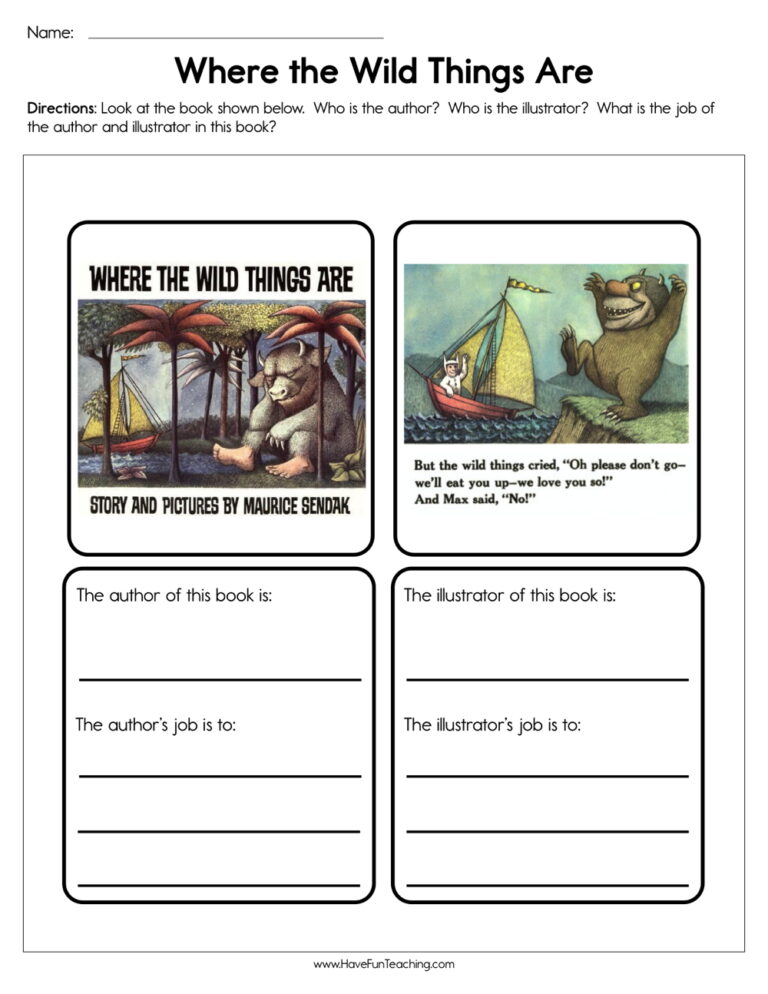
Using this Where the Wild Things Are Worksheet, students describe the title, author, and illustrator of Where the Wild Things Are.
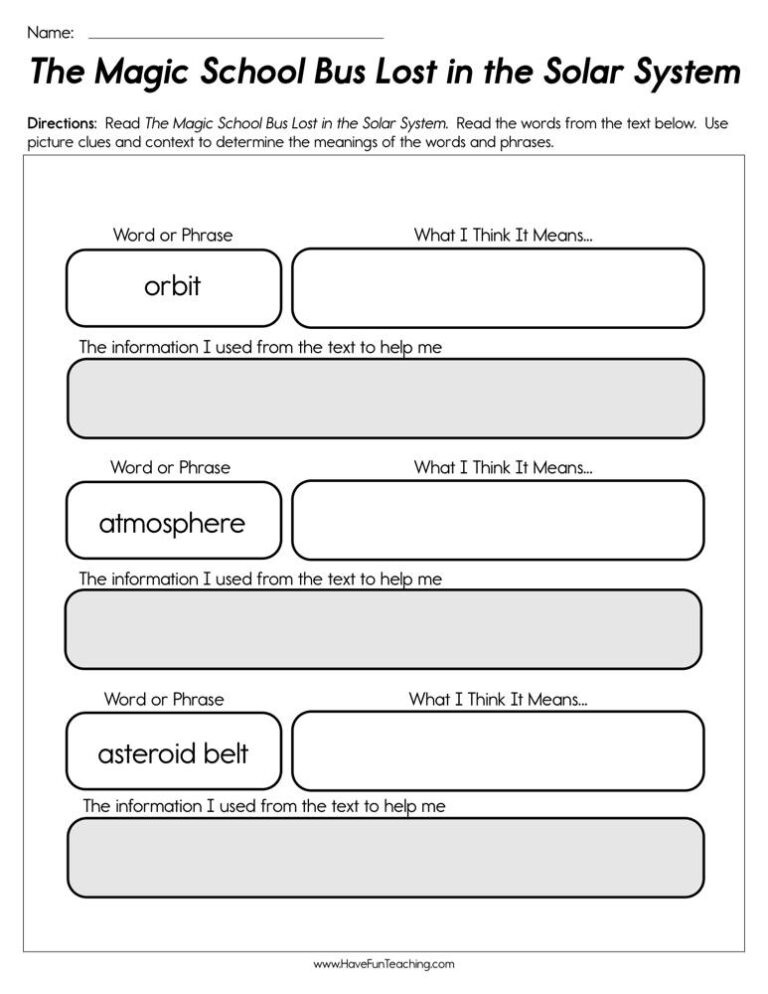
Using The Magic School Bus Lost in the Solar System Worksheet, students read The Magic School Bus Lost in the Solar System to determine the meanings of these words and phrases.
This Illustrations in a Story Worksheet gives Kindergarten readers a short story, a bright picture, and five bubble questions that send them to both. An answer key is included, so checking work takes seconds.

Using Rocking Word Meanings Worksheet, students read Let's Go Rock Collecting by Roma Gans to determine the meanings of these words and phrases.
Using this Chicka Chicka Boom Boom Authors Worksheet, students describe what authors do to tell their story.

Using this Amelia Bedelia Author and Illustrator Worksheet, students describe the title, author, and illustrator of an Amelia Bedelia book.
This comparing expository texts worksheet has kindergarten readers listen to two leaf texts, match facts to each text, and find what both share. An answer key is included.

Using Compare Contrast Book Covers Worksheet, students compare two books using information from the book cover to determine how they are alike and different.
Using Does it Tell a Story or Information Worksheet, students compare two texts about wasps to determine how they are alike and different.
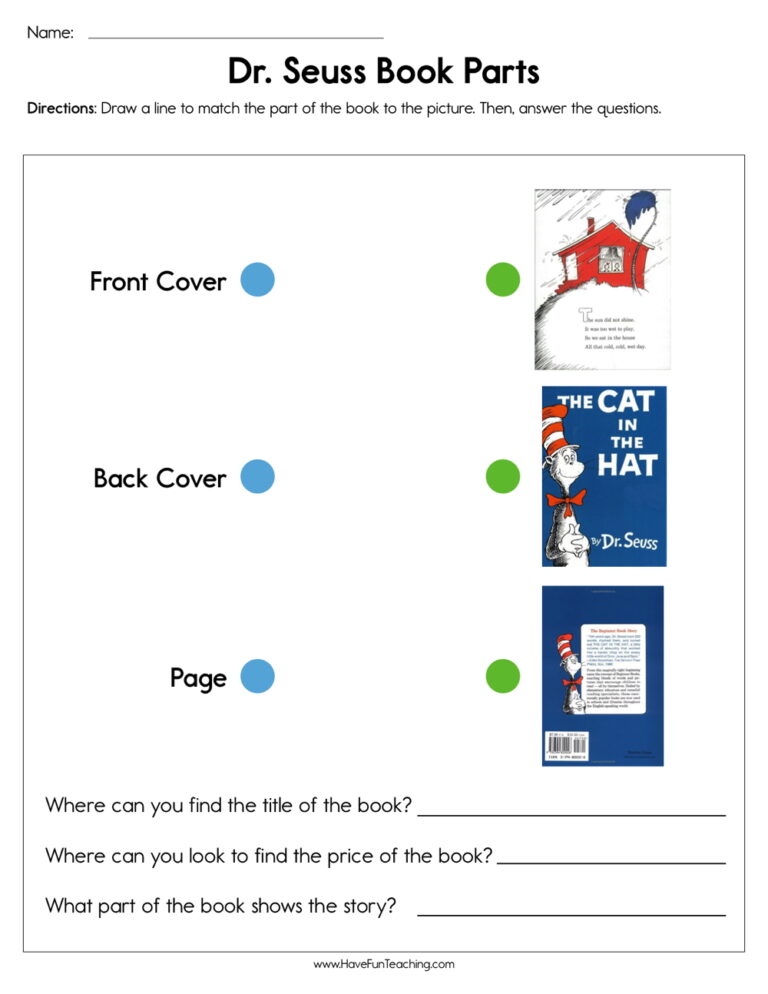
Using Dr. Seuss Book Parts Worksheet, studentsidentify the front cover, back cover, and page of a book to gather information about what they will read.

Using Comparing Similar Texts Illustrations Worksheet, students compare the illustrations from two texts to determine how they are alike and different.

Using Comparing Similar Texts Organizing Data Worksheet, students compare the text features from two texts to determine how they are alike and different.

Using Illustrations in a Book Worksheet, students explain why the illustrator drew that picture and how that illustration helps to tell a story.
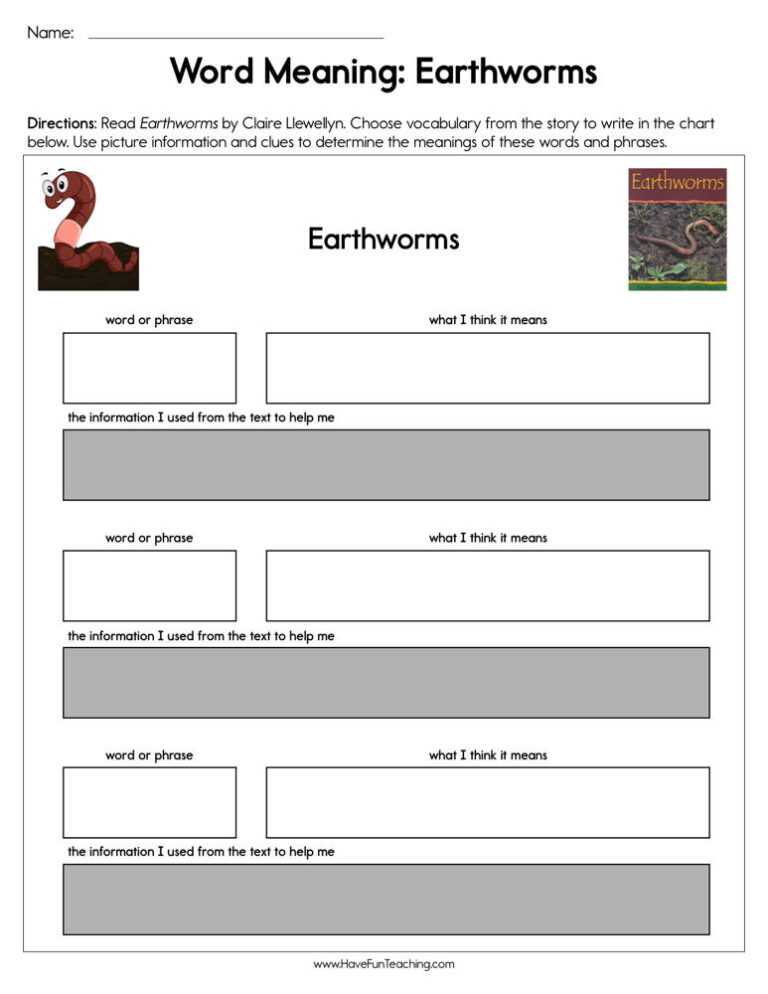
Using Word Meaning Earthworms Worksheet, students read Earthworms by Claire Llewellyn to determine the meanings of these words and phrases.
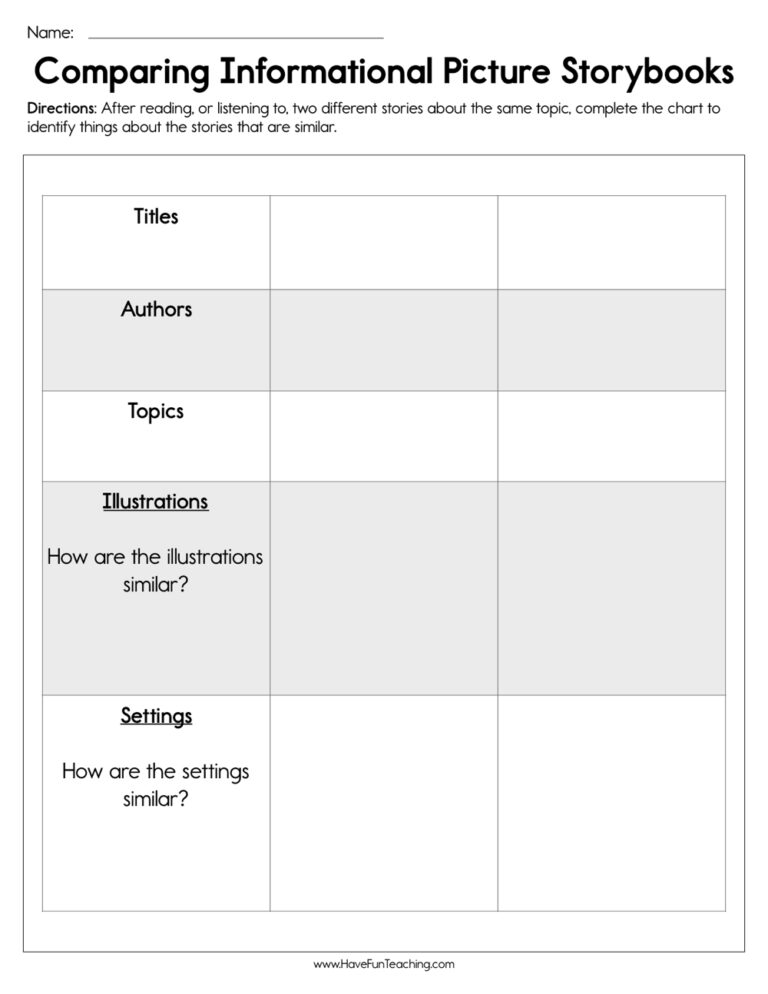
Using Comparing Informational Picture Storybooks Worksheet, students compare story elements intwo different stories about the same topic to determine how they are alike and different.



