Skip to content
Start My 3 Free Days $0 today · cancel anytime

Kindergarten Environments Resources

6 kindergarten environments resources: 6 worksheets. How teachers use these

Kindergarten Environments Resources

6 kindergarten environments resources: 6 worksheets. How teachers use these

Worksheet
WorksheetKindergartenLand and Water Worksheet

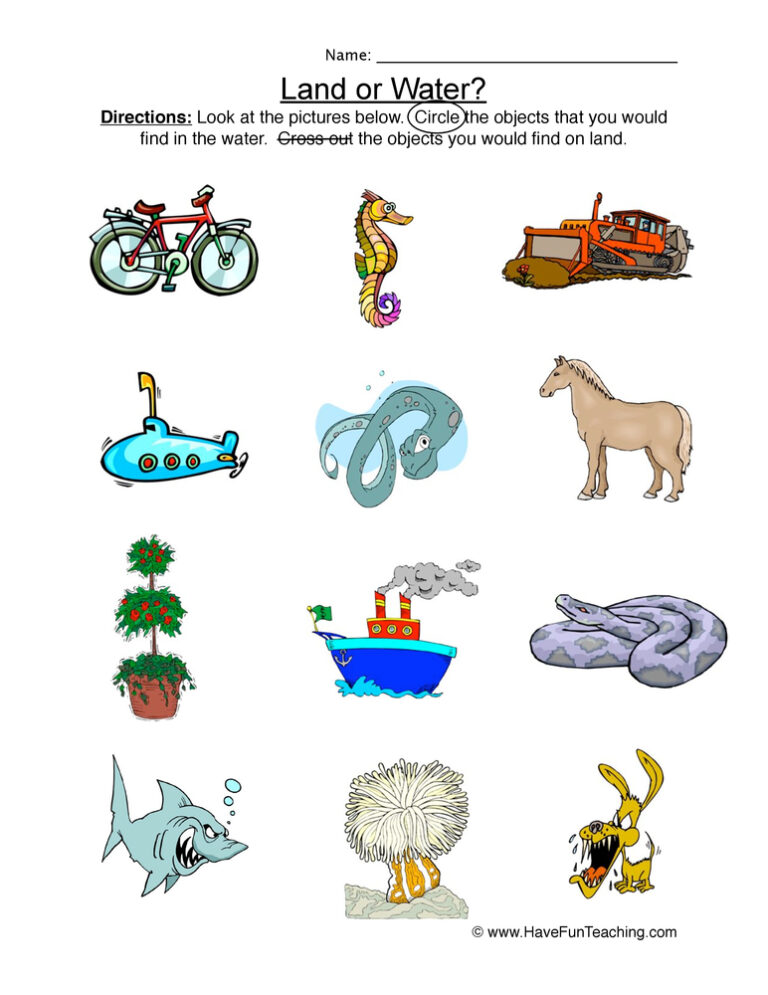
This Land and Water Worksheet asks Kindergarten students to look at six pictures and fill in the bubble for land or water. An answer key is included, so sorting practice takes no prep.

Worksheet
WorksheetKindergartenDrawing Farm Animals Worksheet

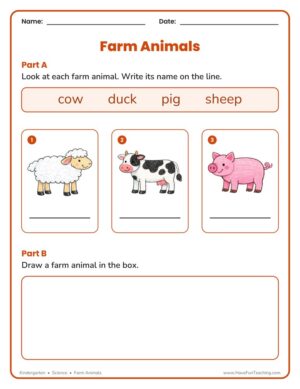
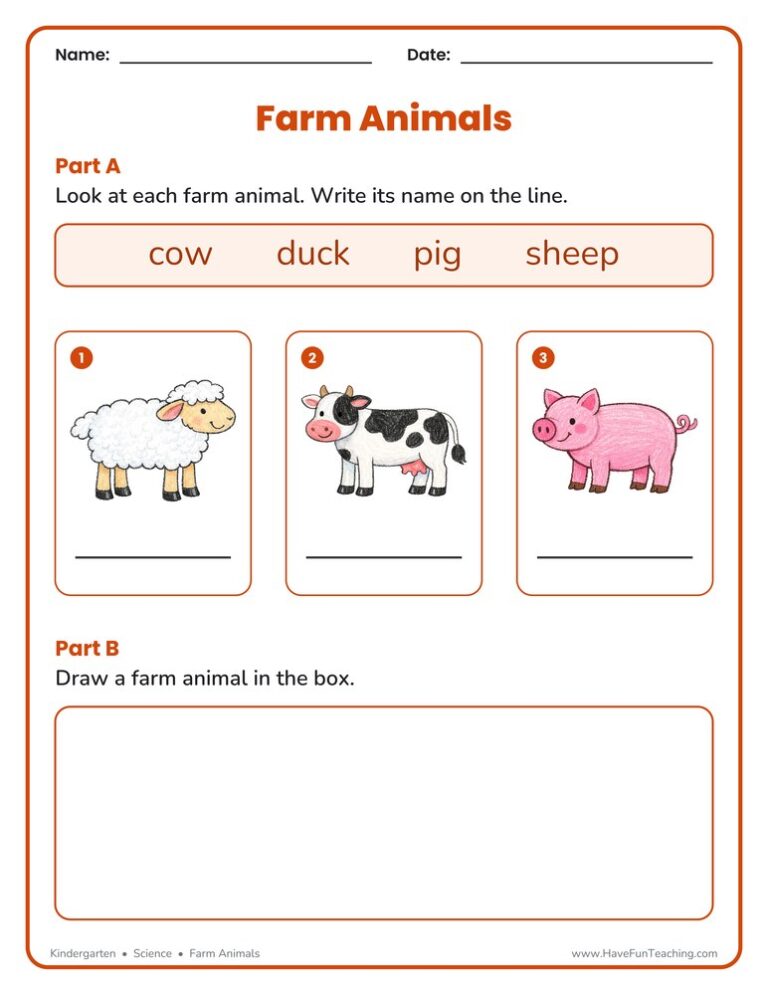
This Drawing Farm Animals Worksheet has Kindergarten students name a sheep, a cow, and a pig from a word box, then draw a farm animal of their own. Answer key included, so checking takes seconds.

Worksheet
WorksheetKindergartenFarm Animals Examples Worksheet

With this farm animals examples worksheet, kindergarten kids circle the one farm animal in each row of pictures. A fun animal sorting page for young scientists, with an answer key.

Worksheet
WorksheetKindergartenLand and Water Sorting Worksheet

This Land and Water Sorting Worksheet asks Kindergarten students to fill in a bubble for each picture, then draw one thing they see in the water. Answer key included for quick, no-prep science practice.

Worksheet
WorksheetKindergartenFrog, Bird, Turtle, Polar Bear Animal Habitats Worksheet

This animal habitats worksheet asks kindergarten students to match a frog, bird, sea turtle, and polar bear to their homes and draw each habitat. An answer key is included for quick checking.

Worksheet
WorksheetKindergartenCrab, Worm, Cow, Duck Animal Habitats Worksheet

This crab, worm, cow, duck animal habitats worksheet has kindergarten students draw each animal's home and write its habitat word. An answer key is included to make checking easy.

From our teachers' playbook

Every animal has a home

What do kindergartners learn about environments?

Kindergartners learn that an environment is the place where a plant or animal lives, and that it gives them what they need: food, water, shelter and air. They sort places into land and water and match animals to their homes, like a frog by the pond and a polar bear on the ice. They also notice that animals change their environment, like a squirrel digging or a bird building a nest. The click comes when kids see that each animal lives where its needs are met.

Our favorite ways to teach environments

Young scientists learn best by looking and sorting. These moves make it easy.

Look at land and water

Show a big picture of a pond and a field and ask, "Who lives here?" Kids point and name animals. Then they color land and water on their own sheet. Starting with what they can see builds the idea.

Why it works: children learn more from words and pictures together than from words alone (Mayer, 2009).

Land and Water WorksheetTry it withLand and Water WorksheetWorksheetsOpen it →

Sort the animal homes

Give animal picture cards and two mats, land and water. Kids sort, then explain one choice: "The crab lives in water." Saying the reason is what turns sorting into science.

Why it works: the U.S. Department of Education's guide for teaching elementary math recommends moving from hands-on objects to drawings to numbers.

Land and Water Sorting WorksheetTry it withLand and Water Sorting WorksheetWorksheetsOpen it →

Questions parents and teachers ask

What is an environment for kindergarten?

An environment is the place where a plant or animal lives. It gives them food, water, shelter and air.

How do I teach environments to kindergartners?

Show pictures of different places and ask what animals live there. Then have kids sort animals into land and water homes.

What are examples of environments for kids?

A pond, a forest, a desert, the ocean, a farm and the Arctic. Each one has animals that are suited to living there.

What is a fun environments activity at home?

Go on a backyard walk and look for animal homes, like nests, holes or webs. Talk about what each animal needs to live there.