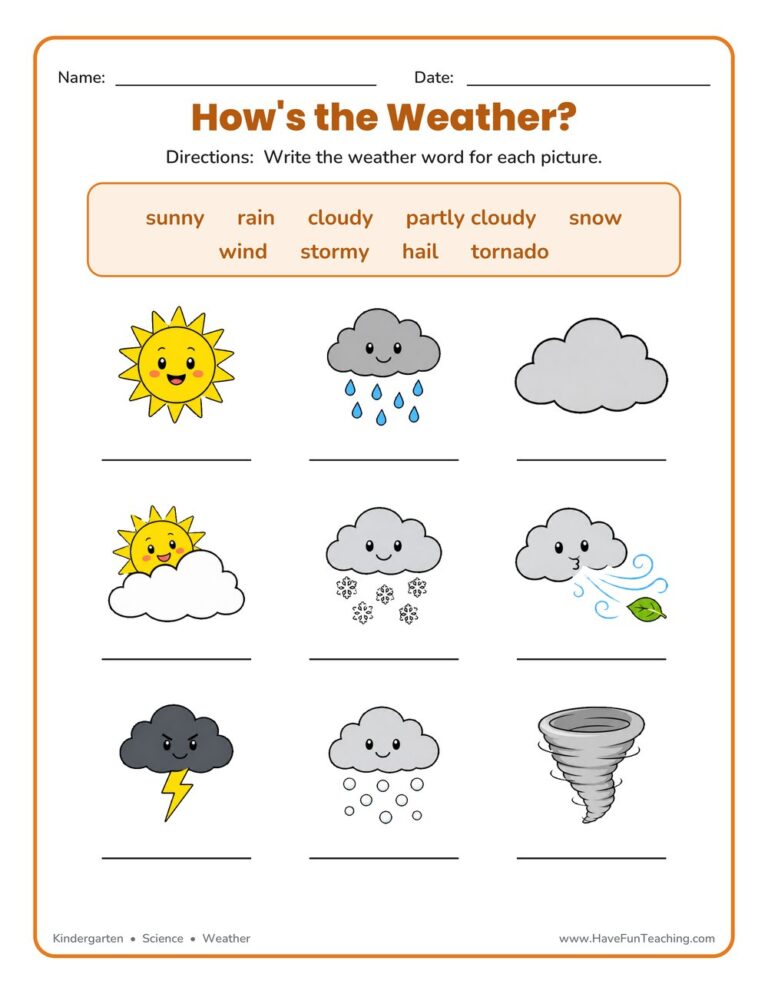
This Weather Names Worksheet gives kindergarten kids nine weather pictures to label using a simple word bank. A complete answer key is included — an easy, no-prep way to build science vocabulary and early writing skills.
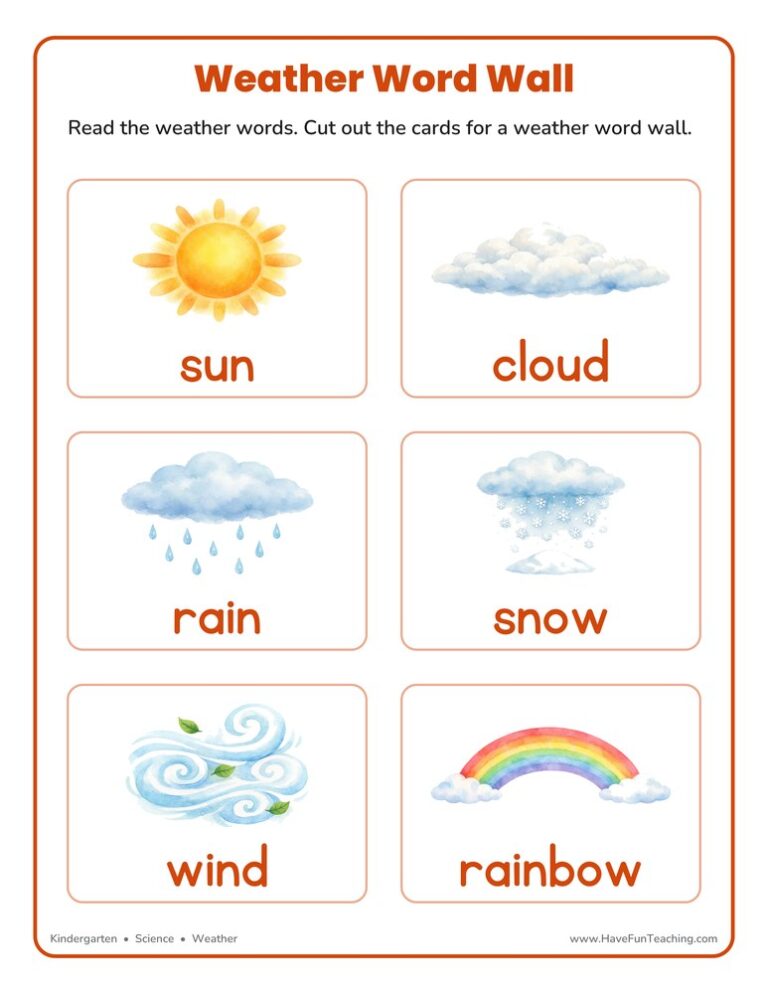
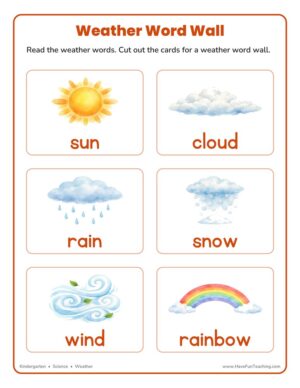
This Weather Word Wall gives Kindergarten classrooms six big picture cards — sun, cloud, rain, snow, wind and rainbow — ready to print, cut and post so young writers always have the weather words within reach.
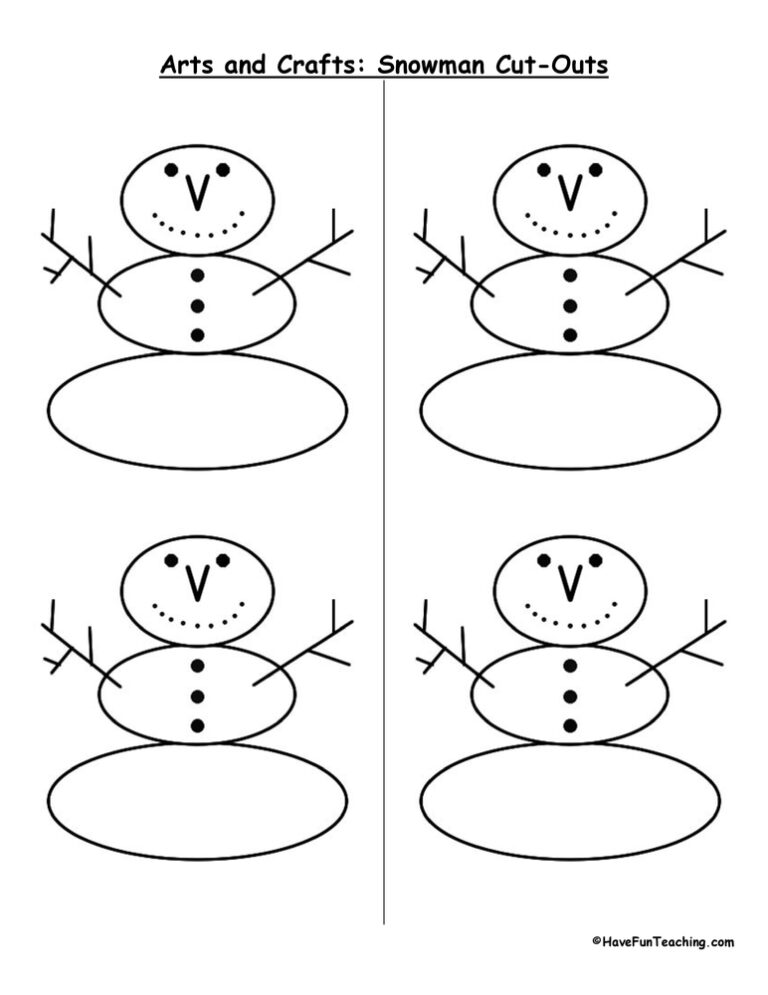
This snowman cut outs worksheet gives kindergarten students four bold snowman shapes to color and cut out, building fine motor skills while making a cheerful winter craft for cards or bulletin boards.
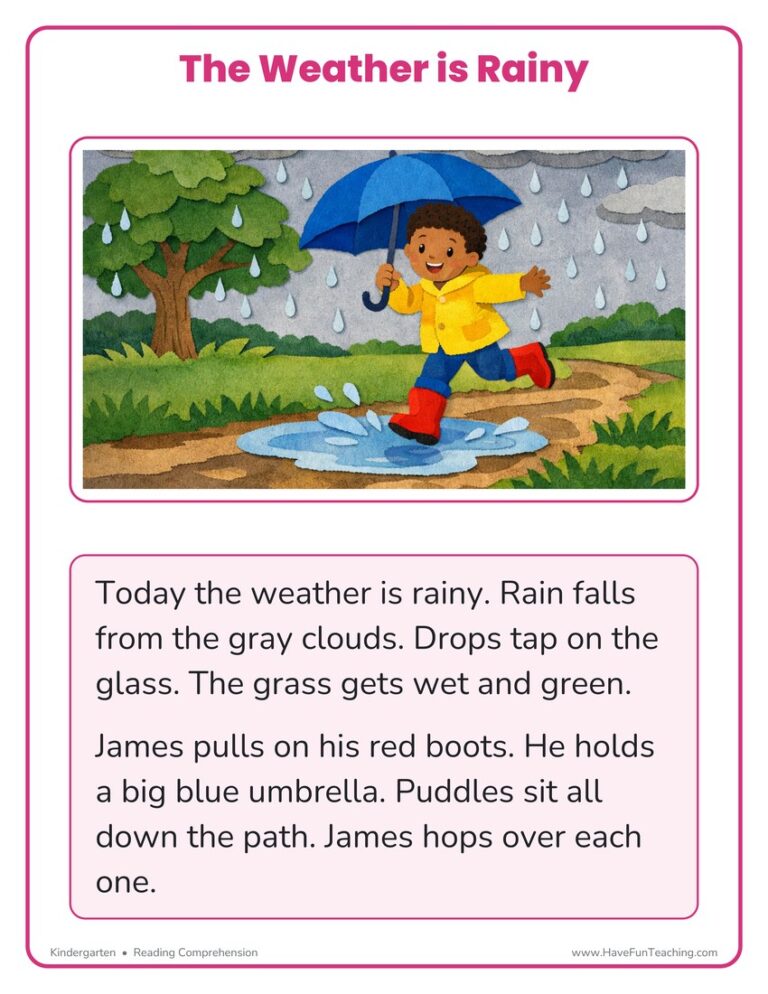
The Weather is Rainy Reading Comprehension Worksheet gives Kindergarten readers a short story about rainy weather with five fill-in-the-bubble questions. Answer key included — no-prep comprehension practice in one page.
The Weather is Cloudy Reading Comprehension Worksheet gives Kindergarten readers a short story about cloudy weather with five fill-in-the-bubble questions. Answer key included — no-prep comprehension practice in one page.
This weather wear worksheet asks kindergarten students to look at sunny, rainy, snowy and windy weather and circle the clothing that fits. An answer key is included, so checking is quick and easy.
The Weather is Stormy Reading Comprehension Worksheet gives Kindergarten readers a short story about stormy weather with five fill-in-the-bubble questions. Answer key included — no-prep comprehension practice in one page.
The Weather is Snowy Reading Comprehension Worksheet gives Kindergarten readers a short story about snowy weather with five fill-in-the-bubble questions. Answer key included — no-prep comprehension practice in one page.
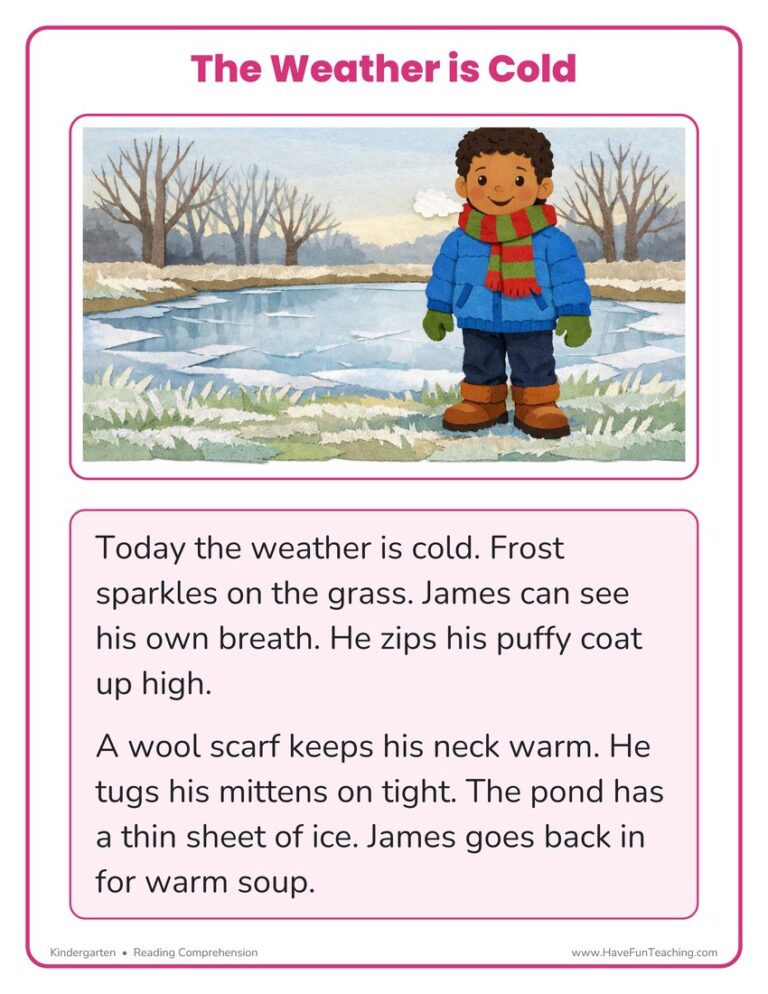
The Weather is Cold Reading Comprehension Worksheet gives Kindergarten readers a short story about cold weather with five fill-in-the-bubble questions. Answer key included — no-prep comprehension practice in one page.
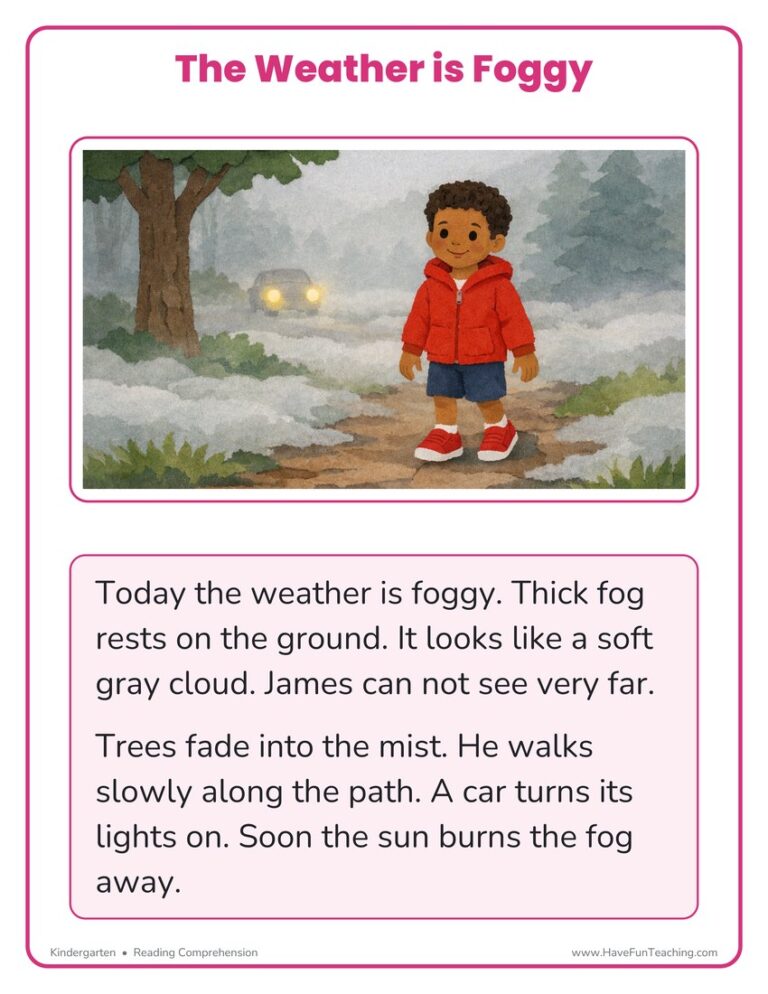
The Weather is Foggy Reading Comprehension Worksheet gives Kindergarten readers a short story about foggy weather with five fill-in-the-bubble questions. Answer key included — no-prep comprehension practice in one page.
The Weather Words Matching Worksheet has 1st grade students match cloud, rain, snow, sun and wind to short clues, then write each word in a sentence. An answer key is included.
The Weather is Hot Reading Comprehension Worksheet gives Kindergarten readers a short story about hot weather with five fill-in-the-bubble questions. Answer key included — no-prep comprehension practice in one page.
This weather matching pictures worksheet has kindergarten students match sun, rain, snow, and wind to the right picture, then trace each word. An answer key is included, so weather vocabulary practice takes no prep at all.
The Weather is Windy Reading Comprehension Worksheet gives Kindergarten readers a short story about windy weather with five fill-in-the-bubble questions. Answer key included — no-prep comprehension practice in one page.
The Weather is Sunny Reading Comprehension Worksheet gives Kindergarten readers a short story about sunny weather with five fill-in-the-bubble questions. Answer key included — no-prep comprehension practice in one page.
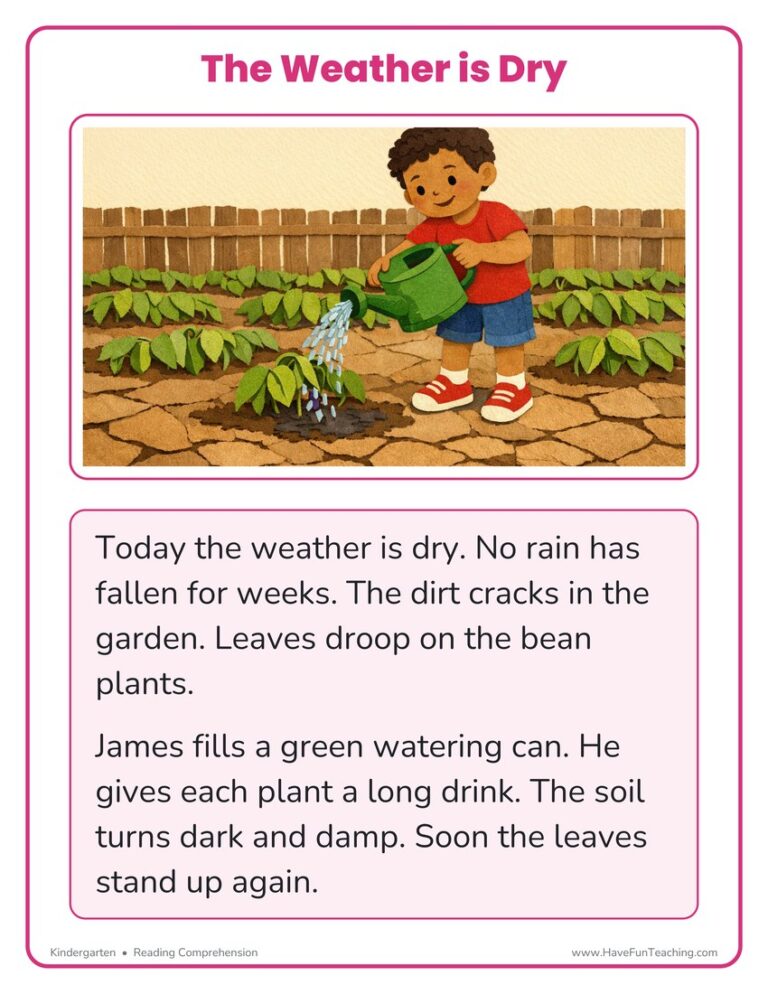
The Weather is Dry Reading Comprehension Worksheet gives Kindergarten readers a short story about dry weather with five fill-in-the-bubble questions. Answer key included — no-prep comprehension practice in one page.
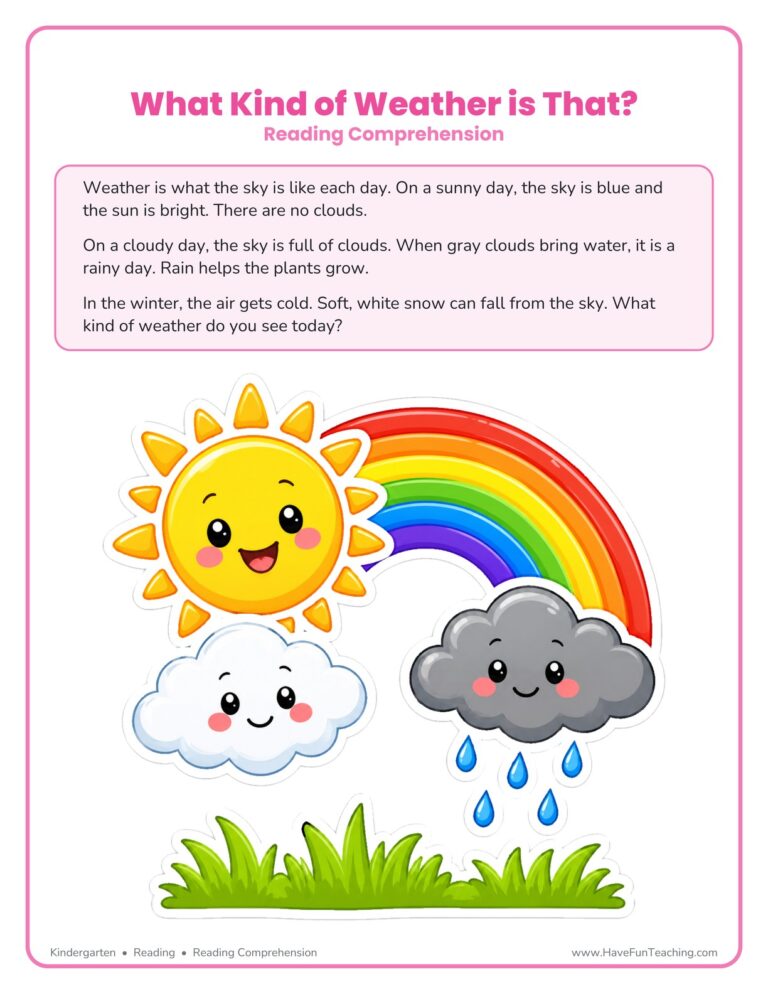
This What Kind of Weather is That Reading Comprehension Worksheet gives kindergarten students a simple weather passage and five fill-in-the-bubble questions. A complete answer key is included for quick, no-prep reading practice.
Kindergartners become little weather watchers. They learn the names for sunny, cloudy, rainy, snowy, windy and stormy days, notice how warm or cold it feels, and record the weather on a class chart. They talk about what to wear and how weather changes what we do, like no outdoor recess in a thunderstorm. Over time they spot patterns, such as more cold days in winter. The click moment comes when a child looks out the window and announces, "It's cloudy, so it might rain later!"
Our favorite ways to make weather stick
Weather is right outside the window, which makes it perfect for little scientists. These are our daily moves.
Weather word wall
Post the weather cards by your window and have a weather helper pick the matching card each morning. Kids read the word and the picture together. In a few weeks, they can read the whole word wall on their own.
Why it works: children learn more from words and pictures together than from words alone (Mayer, 2009).
Play the weather song during morning meeting and pause when you reach today's weather. Kids shout it out and act it: shivering for snow, shielding eyes for sun. A song plus movement makes the words stick.
Why it works: words set to a repeating melody are easier to recall than the same words spoken (Wallace, 1994).
Read a short weather passage together, then ask kids to tell you two things they remember before looking back. Pulling the answer from memory builds stronger reading than just rereading it.
Why it works: researchers who compared ten study methods found practice testing is one of the two that work best (Dunlosky and colleagues, 2013).
They learn to name and describe different kinds of weather, observe and record daily weather, notice patterns over time, and understand how weather affects what we wear and do.
How do I teach weather to kindergarten?
Make it daily: look outside, name the weather, and add it to a chart. Use songs, pictures and dress-up to connect weather words with real life. At the end of the month, count which weather happened most.
What weather words should a kindergartner know?
Sunny, cloudy, rainy, snowy, windy, stormy, hot, cold and foggy are a great start. Many kids also learn rainbow, thunder and lightning.
How can I teach my child about weather at home?
Ask your child to check the weather each morning and choose clothes to match. Keep a simple chart on the fridge and look for patterns together.
Written by the Have Fun Teaching team of elementary teachers and homeschoolers. Research: Mayer, R. E. (2009). Multimedia Learning (2nd ed.). Cambridge University Press. Wallace, W. T. (1994). Memory for music: Effect of melody on recall of text. Journal of Experimental Psychology: Learning, Memory, and Cognition, 20(6). Dunlosky, J., Rawson, K. A., Marsh, E. J., Nathan, M. J., & Willingham, D. T. (2013). Improving Students' Learning With Effective Learning Techniques. Psychological Science in the Public Interest, 14(1).
3 days free
2:39Ready to print!
Printables · Songs · Games
Loved by 2 million teachers & families
Where learning feels like play.
Printables, songs and games for every subject, Preschool through 6th. Ready to teach today, and kids beg for more.
$0due today
then $39.97$35.97for your first year, and $39.97 a year after that.





 Try it withWeather Word WallWorksheetsOpen it →





