
Skip to content
Start My 3 Free Days $0 today · cancel anytime

Kindergarten Reading Comprehension Worksheets

97 kindergarten reading comprehension worksheets. Teacher favorites: Alphabet Stories Letter A Reading Comprehension Worksheet and Alphabet Stories Letter S Reading Comprehension Worksheet. How teachers use these

Kindergarten Reading Comprehension Worksheets

97 kindergarten reading comprehension worksheets. Teacher favorites: Alphabet Stories Letter A Reading Comprehension Worksheet and Alphabet Stories Letter S Reading Comprehension Worksheet. How teachers use these

Worksheet
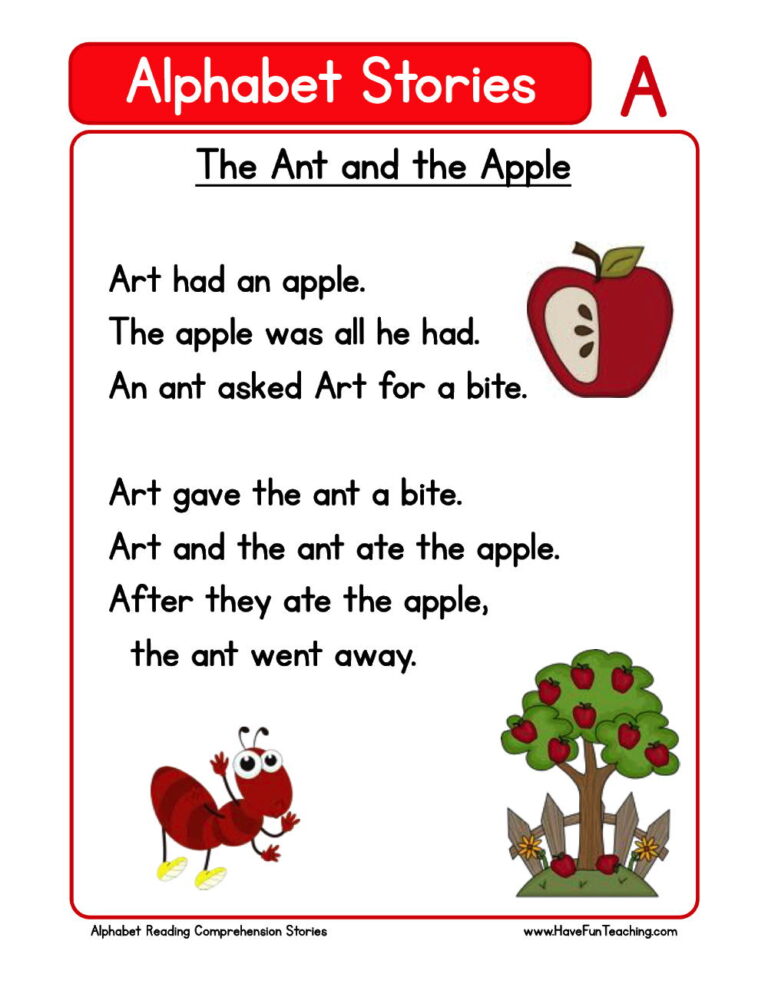
WorksheetKindergartenAlphabet Stories Letter A Reading Comprehension Worksheet

This free Alphabet Stories Letter A Reading Comprehension Worksheet pairs a short letter A story with fill-in-the-bubble questions for kindergarten readers. Includes an answer key — a fun, no-prep way to practice phonics and comprehension.

Worksheet
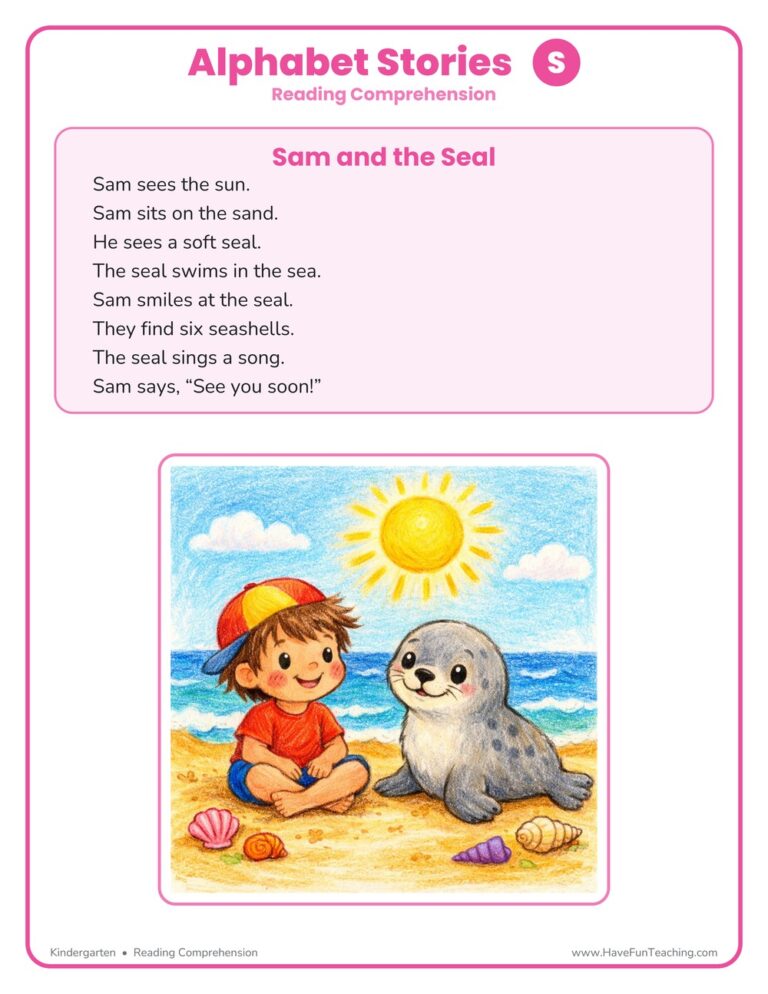
WorksheetKindergartenAlphabet Stories Letter S Reading Comprehension Worksheet

The Alphabet Stories Letter S Reading Comprehension Worksheet gives Kindergarten readers a fun beach story full of the /s/ sound plus five comprehension questions. Answer key included for quick, no-prep Letter S practice.

Worksheet
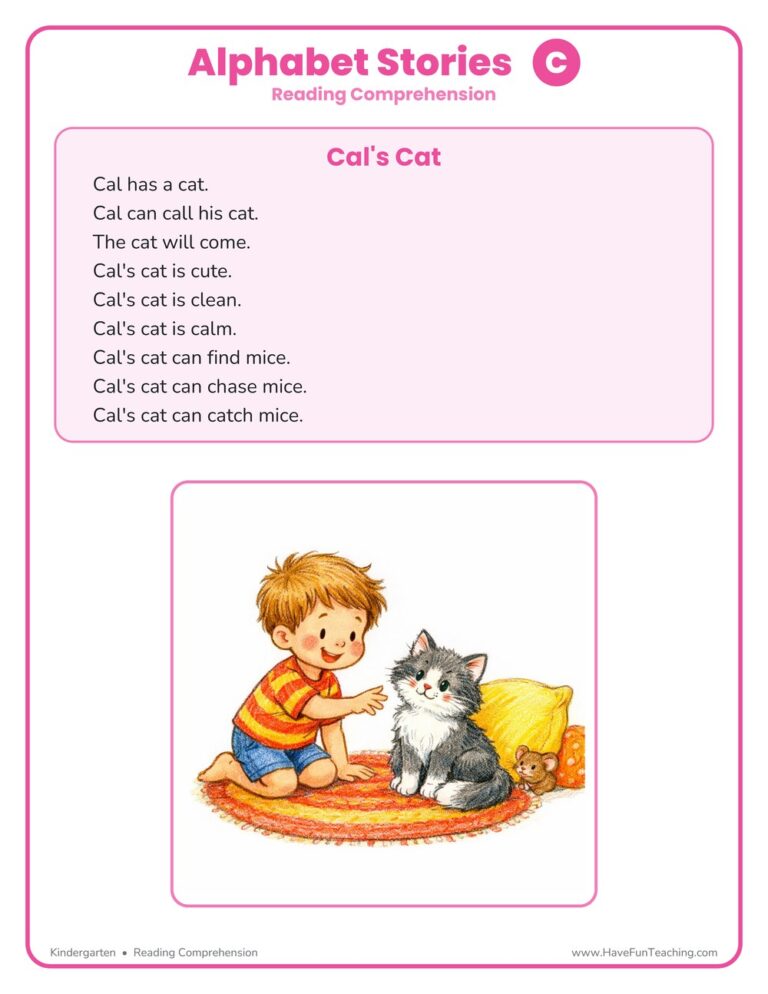
WorksheetKindergartenAlphabet Stories Letter C Reading Comprehension Worksheet

The Alphabet Stories Letter C Reading Comprehension Worksheet lets Kindergarten readers enjoy the short story “Cal’s Cat” and answer five picture-supported questions. Answer key included — a no-prep way to build early reading and phonics skills.

Worksheet
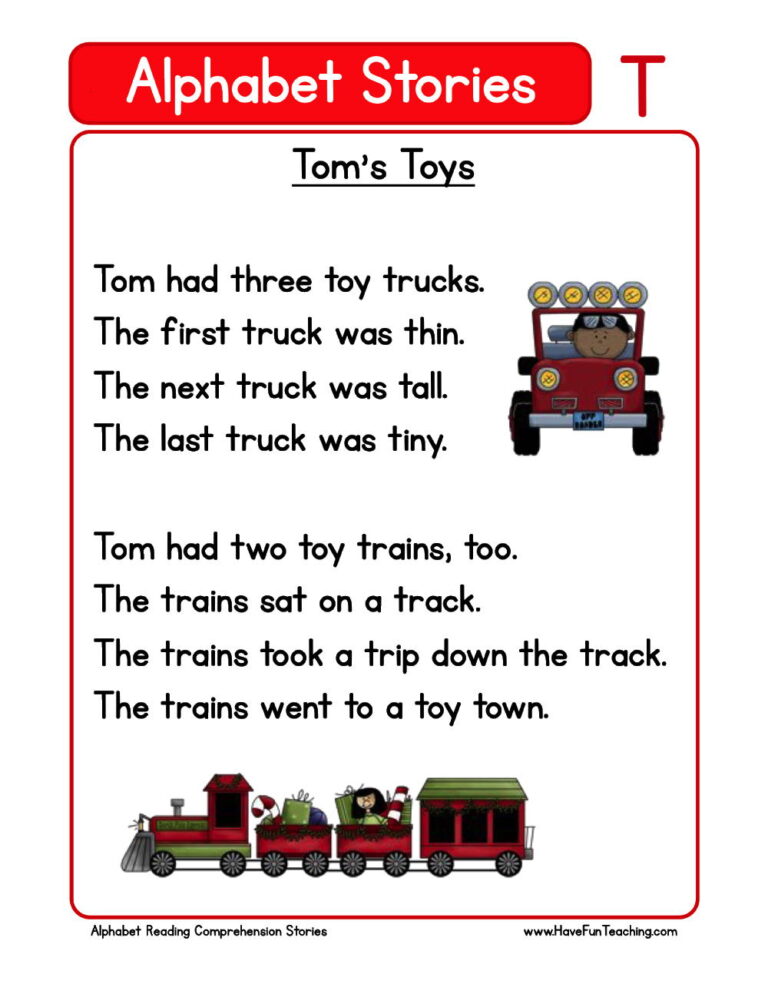
WorksheetKindergartenAlphabet Stories Letter T Reading Comprehension Worksheet

The Alphabet Stories Letter T Reading Comprehension Worksheet gives kindergarten readers a short, decodable story about Tom's toys with five fill-in-the-bubble questions. Answer key included — a no-prep way to practice the letter T and early comprehension.

Worksheet
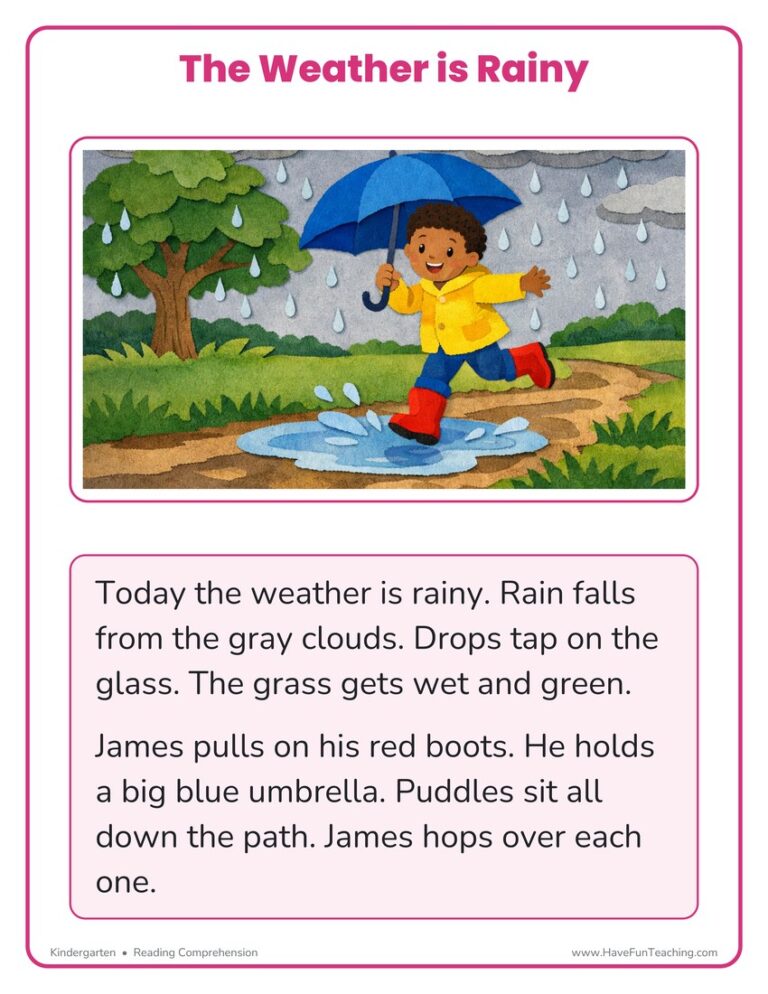
WorksheetKindergartenThe Weather is Rainy Reading Comprehension Worksheet

The Weather is Rainy Reading Comprehension Worksheet gives Kindergarten readers a short story about rainy weather with five fill-in-the-bubble questions. Answer key included — no-prep comprehension practice in one page.

Worksheet
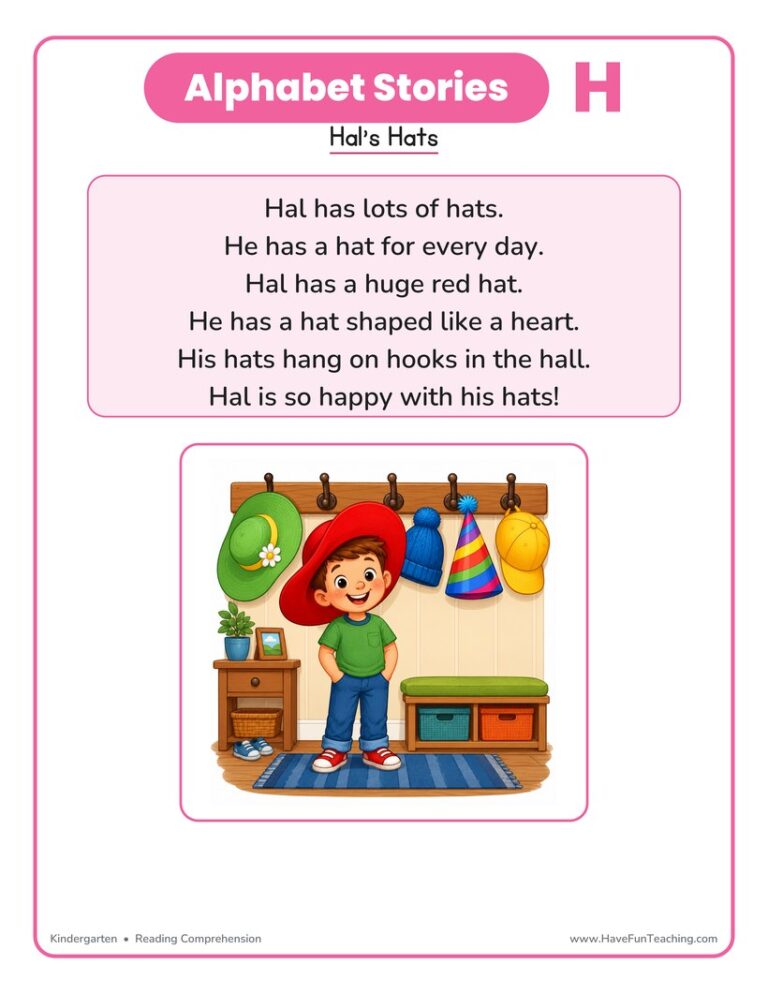
WorksheetKindergartenAlphabet Stories Letter H Reading Comprehension Worksheet

The Alphabet Stories Letter H Reading Comprehension Worksheet gives Kindergarten readers a playful “Hal’s Hats” story full of letter-H words plus five comprehension questions. Answer key included — a fun, no-prep way to build early reading and phonics skills.

Worksheet
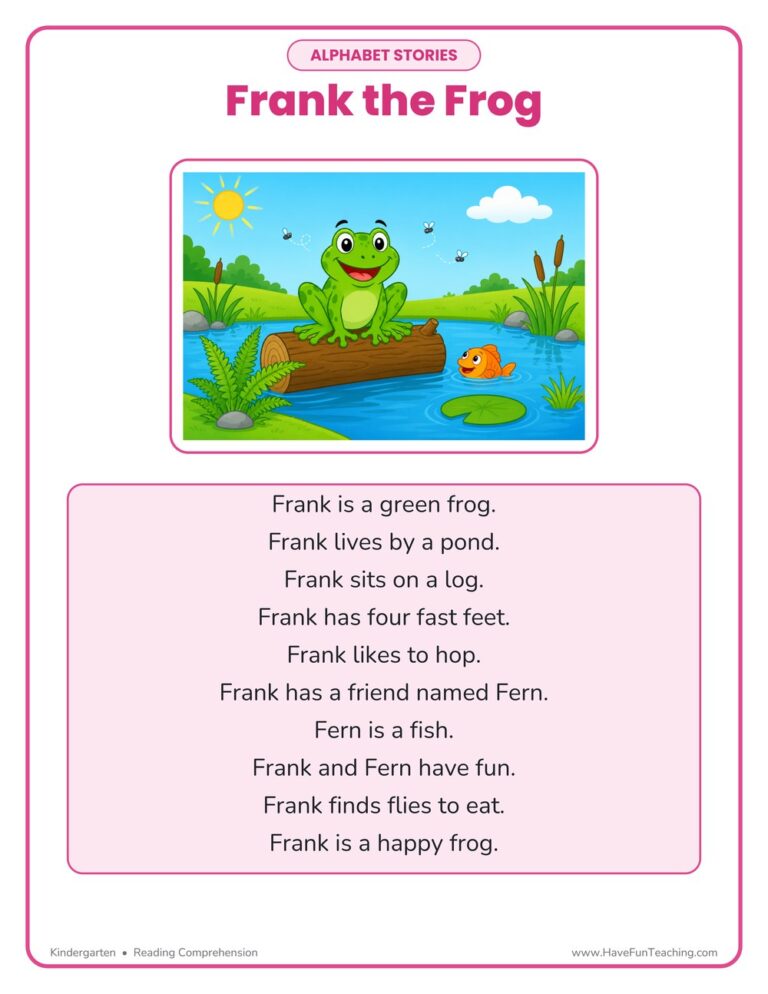
WorksheetKindergartenAlphabet Stories Letter F Reading Comprehension Worksheet

This Alphabet Stories Letter F Reading Comprehension Worksheet gives kindergarten readers a short Frank the Frog story and five picture-supported questions, with an answer key included, so they build letter F skills and reading confidence together.

Worksheet
WorksheetKindergartenAlphabet Stories Letter D Reading Comprehension Worksheet

The Alphabet Stories Letter D Reading Comprehension Worksheet gives kindergarten readers a short Letter D story with five questions and an answer key, building early reading confidence one letter sound at a time.

Worksheet
WorksheetKindergartenAll About Summer Reading Comprehension Worksheet

This All About Summer reading comprehension worksheet pairs a short, sunny passage with four picture-friendly questions and a beach scene to color. Includes an answer key—perfect for kindergarten reading practice at home or school.

Worksheet
WorksheetKindergartenAlphabet Stories Letter Y Reading Comprehension Worksheet

The Alphabet Stories Letter Y Reading Comprehension Worksheet gives Kindergarten readers a short, decodable Y story with five fill-in-the-bubble questions and a complete answer key — a quick, no-prep way to build letter recognition and early comprehension.

Worksheet
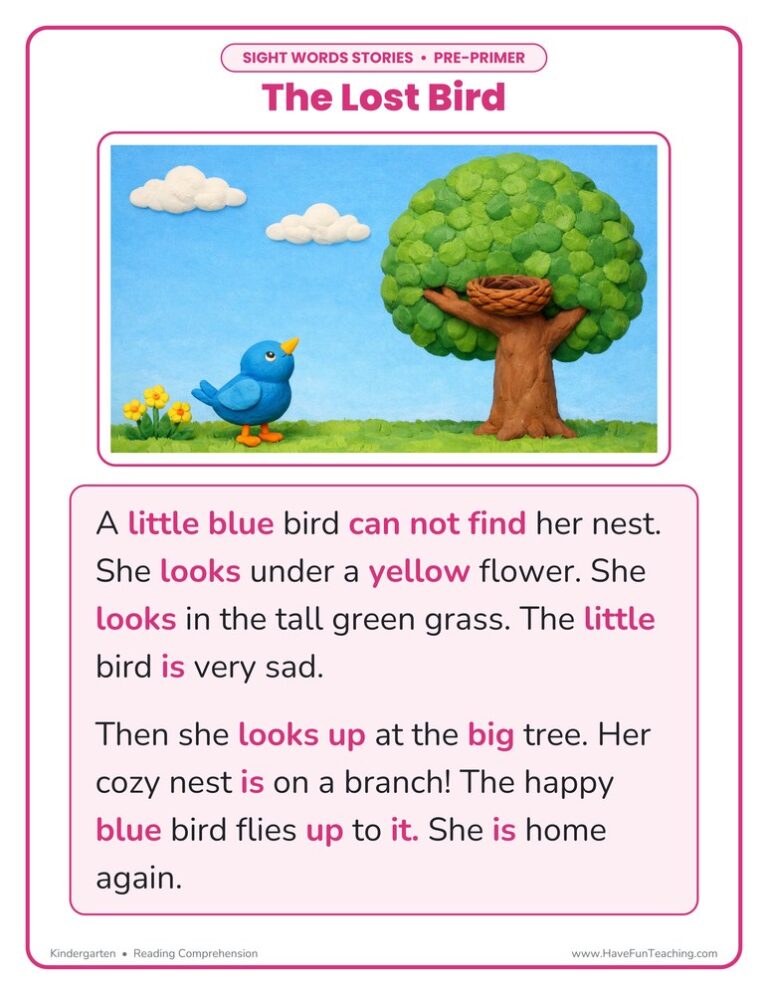
WorksheetKindergartenThe Lost Bird Pre-Primer Sight Words Reading Comprehension Worksheet

The Lost Bird Pre-Primer Sight Words Reading Comprehension Worksheet pairs a bold-print sight word story with five bubble-in questions for Kindergarten. Answer key included, so early readers build word recognition and understanding together.

Worksheet
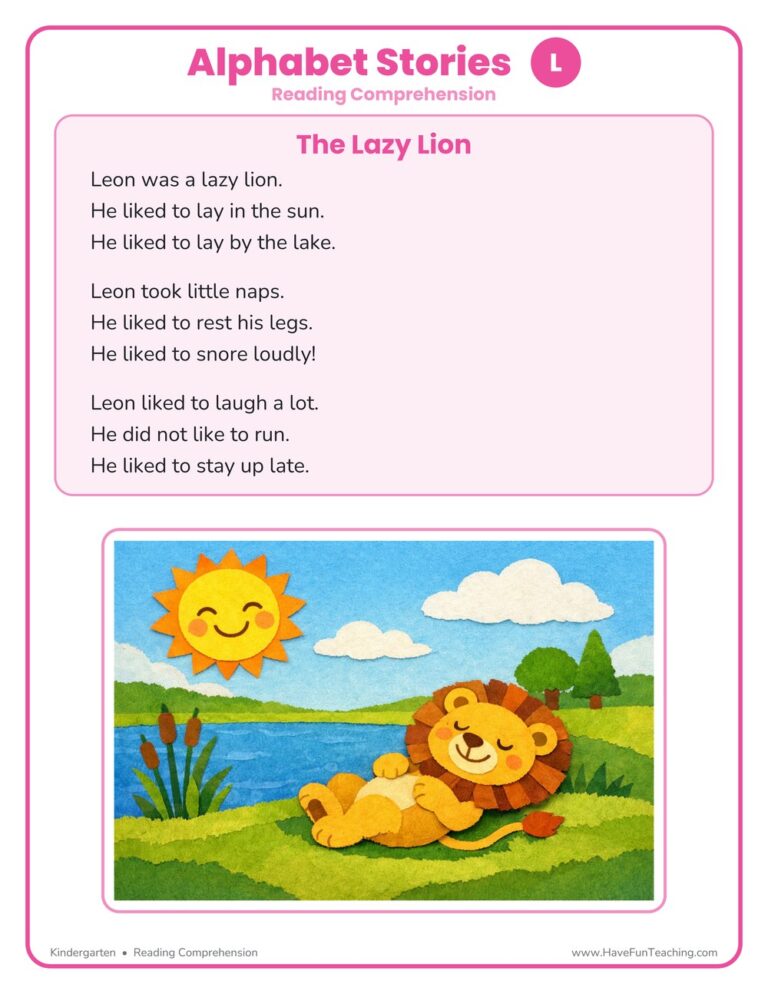
WorksheetKindergartenAlphabet Stories Letter L Reading Comprehension Worksheet

This Alphabet Stories Letter L Reading Comprehension Worksheet gives Kindergarten readers a short L-sound story and five picture-friendly questions. Answer key included to build early reading confidence.

Worksheet
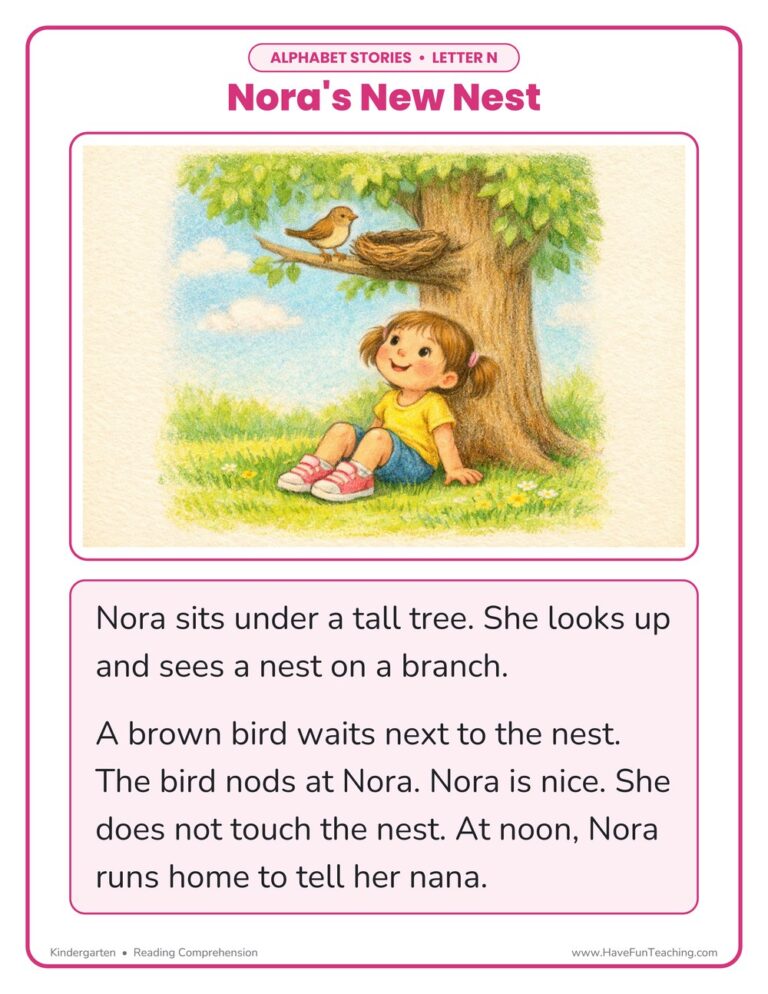
WorksheetKindergartenAlphabet Stories Letter N Reading Comprehension Worksheet

This Alphabet Stories Letter N Reading Comprehension Worksheet gives kindergarten readers a short N-sound story plus five bubble-answer questions, answer key included, so phonics and comprehension grow together.

Worksheet
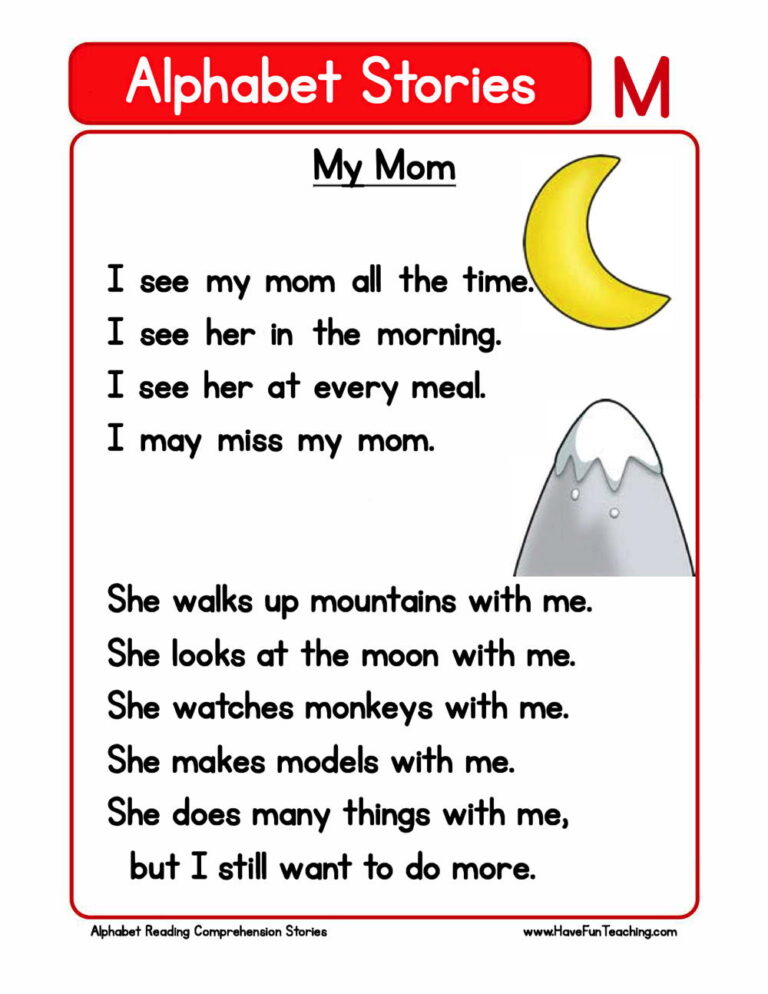
WorksheetKindergartenAlphabet Stories Letter M Reading Comprehension Worksheet

The Alphabet Stories Letter M Reading Comprehension Worksheet gives kindergarten readers a short letter-M story with fill-in-the-bubble questions. Includes an answer key for quick, no-prep beginning-sounds and comprehension practice.

Worksheet
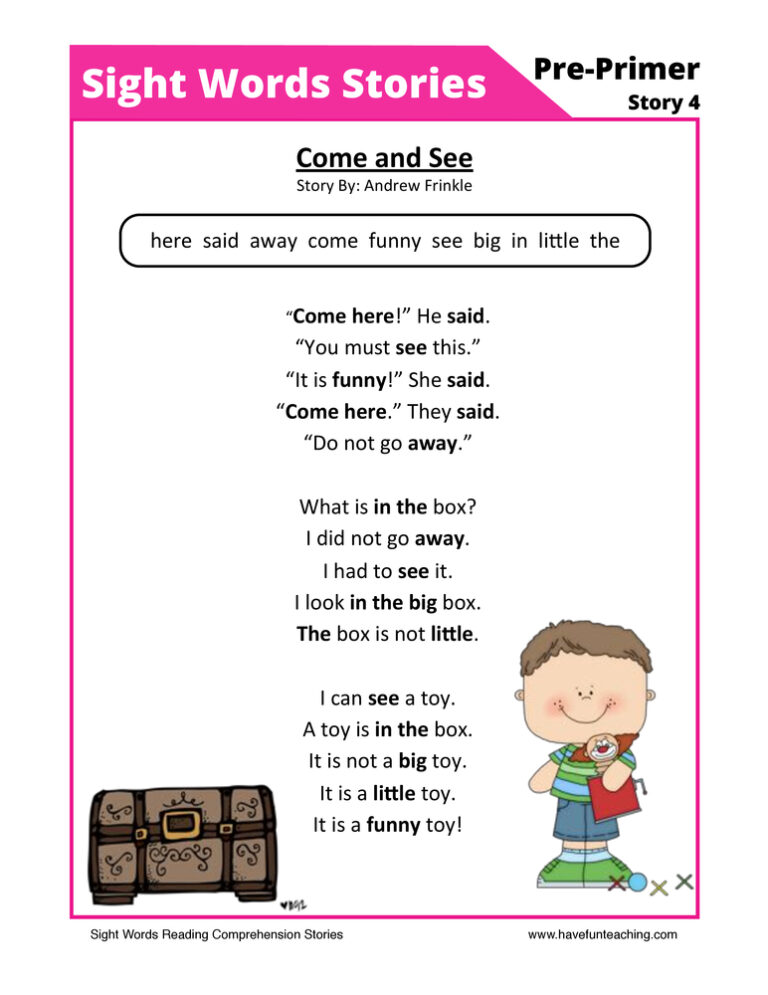
WorksheetKindergartenCome and See Pre-Primer Sight Words Reading Comprehension Worksheet

The Come and See Pre-Primer Sight Words Reading Comprehension Worksheet gives Kindergarten readers a short pond story built from ten pre-primer words, plus five comprehension questions. An answer key is included, so practice is ready in one print.

Worksheet
WorksheetKindergartenAlphabet Stories Letter J Reading Comprehension Worksheet

Build early reading comprehension with the Alphabet Stories Letter J Reading Comprehension Worksheet. Kindergarten readers enjoy a short letter J story, then answer five fill-in-the-bubble questions. An answer key is included, so checking work takes seconds.

Worksheet
WorksheetKindergartenThe Green Frog Second Sight Words Reading Comprehension Worksheet

This sight words reading comprehension worksheet gives 1st Grade readers a short frog story built from seven sight words, five questions and an answer key, so reading practice and checking happen on one page.

Worksheet
WorksheetKindergartenThe Weather is Cloudy Reading Comprehension Worksheet

The Weather is Cloudy Reading Comprehension Worksheet gives Kindergarten readers a short story about cloudy weather with five fill-in-the-bubble questions. Answer key included — no-prep comprehension practice in one page.

Worksheet
WorksheetKindergartenAlphabet Stories Letter Q Reading Comprehension Worksheet

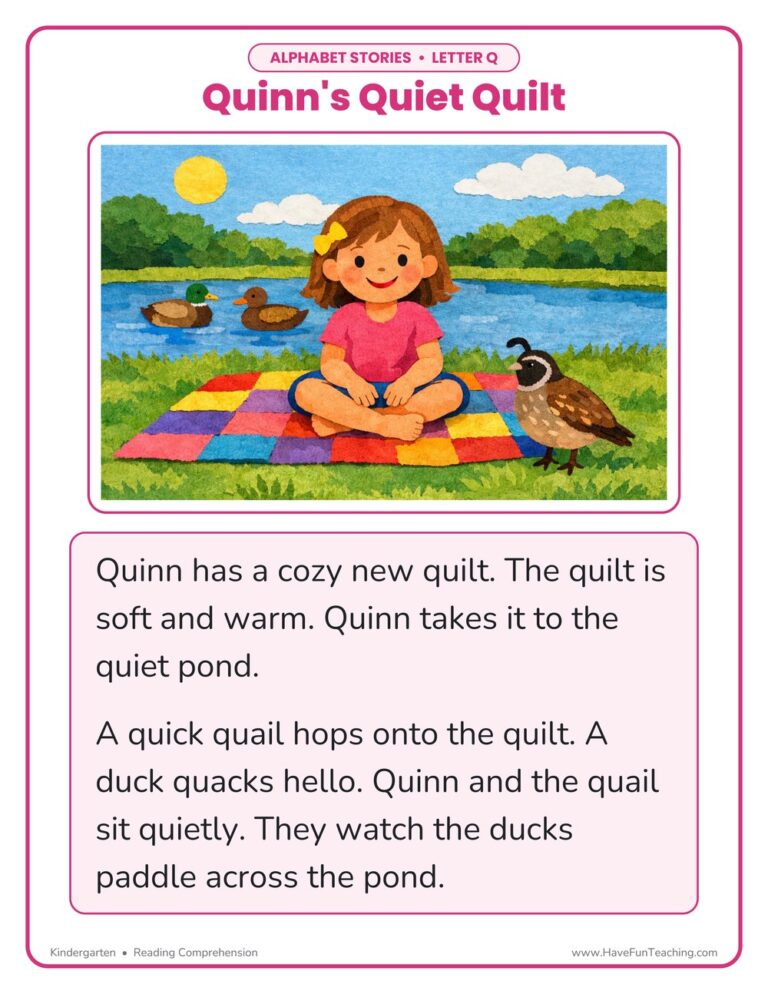
Read a playful letter Q story and answer five picture-supported questions with this Alphabet Stories Letter Q Reading Comprehension Worksheet. Built for Kindergarten, answer key included, and perfect for building early reading confidence.

Worksheet
WorksheetKindergartenAlphabet Stories Letter P Reading Comprehension Worksheet

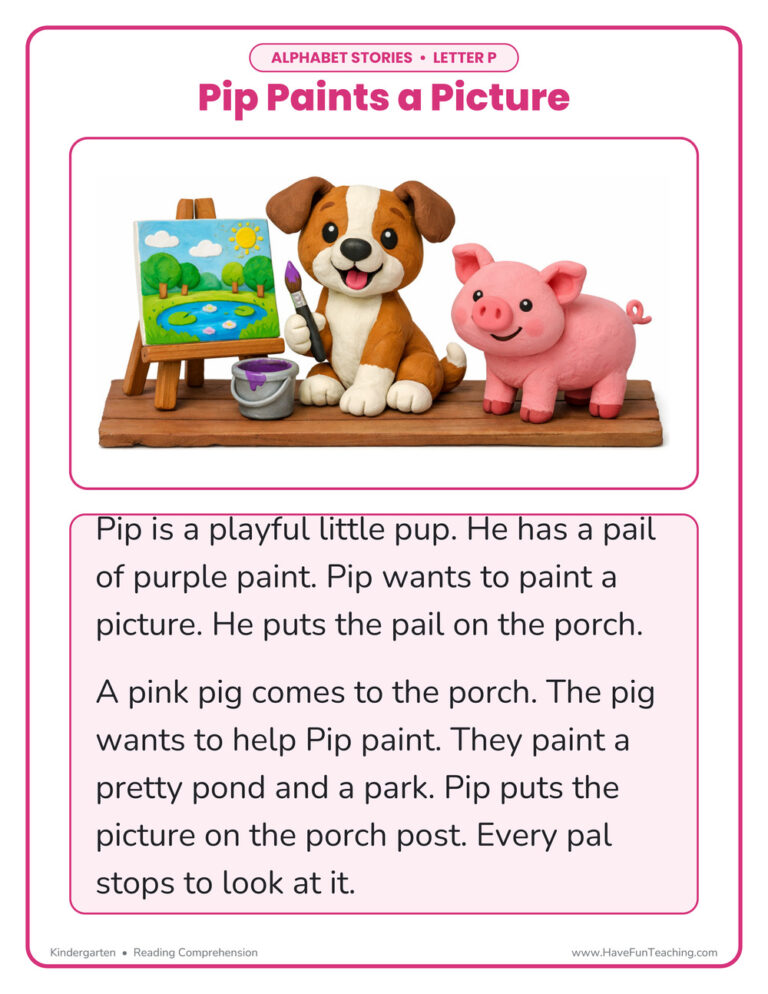
This Alphabet Stories Letter P Reading Comprehension Worksheet gives kindergarten readers a short story about Pip the pup plus five bubble-in questions. An answer key is included, so comprehension practice needs no prep.

From our teachers' playbook

Little readers, big understanding.

What do kindergartners learn about reading comprehension?

In kindergarten, comprehension starts before kids can read on their own. They listen to stories and answer simple questions: who was in the story, where it happened and what happened first, next and last. With prompting, they retell a familiar story, name the characters and connect the pictures to the words. As they begin reading short sentences like The cat is on the mat., they learn to check that the words make sense. The click moment is when a child stops just saying the words and says, "Oh! The cat is sleeping!"

Our favorite ways to build comprehension in kindergarten

Kindergarten comprehension is all about talking, retelling and simple questions. These moves make it fun and easy to repeat.

Five-finger retell

Hold up one finger at a time: characters, setting, beginning, middle, end. Kids retell a story using their hand as a guide. It gives five-year-olds a simple structure for a big job, and they love using their fingers.

Why it works: going from real objects to pictures to symbols is a core recommendation of the U.S. Department of Education's elementary math guide.

Key Details ActivityTry it withKey Details ActivityActivitiesOpen it →

Ask, point, answer

After reading a short passage, ask a who, what or where question and have kids point to the word or picture that shows the answer. Pointing teaches them that answers live in the text, not just in their heads.

Why it works: a big review of study methods ranked quick self-quizzing among the most powerful ways to remember (Dunlosky and colleagues, 2013).

The Weather is Rainy Reading Comprehension WorksheetTry it withThe Weather is Rainy Reading Comprehension WorksheetWorksheetsOpen it →

A little story every day

Read one very short passage each day and ask the same three questions: who, where and what happened? A workbook of short stories makes this an easy daily routine, and kids see their own progress week to week.

Why it works: short practice spread over several days beats one long session, according to a large review of learning research (Dunlosky and colleagues, 2013).

Alphabet Reading Comprehension WorkbookTry it withAlphabet Reading Comprehension WorkbookWorkbooksOpen it →

Questions parents and teachers ask us

What is reading comprehension in kindergarten?

It is understanding what is read aloud or read independently. Kindergartners answer questions about stories, retell them, name the characters and setting, and connect pictures to words.

How can I tell if my kindergartner understands what they read?

Ask them to tell you the story in their own words. If they can say who was in it and what happened in order, they are understanding it. Simply reading the words correctly is not the same thing.

What questions should I ask my kindergartner after reading?

Keep it simple: Who was in the story? Where did it happen? What happened first? What was your favorite part and why? One or two questions per book is plenty.

Can kindergartners work on comprehension before they can read?

Yes. Listening comprehension comes first. Reading aloud and talking about stories builds the same understanding kids will use once they read on their own.



