
Skip to content
Start My 3 Free Days $0 today · cancel anytime

Preschool Sequencing Resources (Reading)

6 preschool sequencing resources: 2 activities, 2 worksheets, 2 assessments and more. How teachers use these

Preschool Sequencing Resources (Reading)

6 preschool sequencing resources: 2 activities, 2 worksheets, 2 assessments and more. How teachers use these

Activity
ActivityPreschoolSequence of Events Activity

This sequence of events activity helps preschool, kindergarten, and 1st grade children put picture cards in order and retell stories with first, next, then, and last. An answer key is included.

Activity
ActivityPreschoolFind the Missing Letters Sequencing Activity

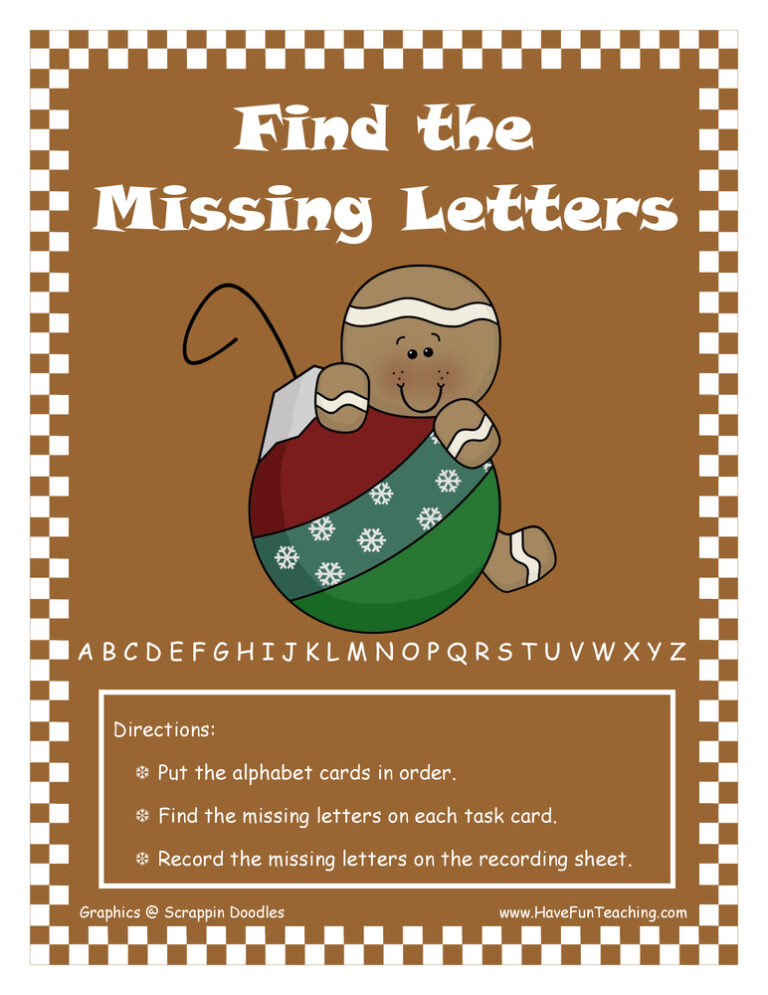
UsingFind the Missing Letters Sequencing Activity, students place alphabet letter cards to complete the alphabet sequences.

PreschoolDescribing An Experience Worksheet

Using Describing An Experience Worksheet, students write or draw about an important experience by including events in order.

From our teachers' playbook

First, next, last, hooray!

What do preschoolers learn about sequencing?

Preschoolers learn that stories and everyday events happen in an order. They use the words first, next and last to retell a simple story or a routine, like getting dressed or planting a seed. Three picture cards are plenty to start. The click moment is when a child spots that something is out of order and says, "No, you have to put on socks before shoes!"

Our favorite ways to teach sequencing

Sequencing grows from real life, then moves to stories. These are the moves we use most.

Three-card stories

Lay out three picture cards out of order and ask, "What happened first?" Kids move the cards and retell the story using first, next and last. Start with routines they know well.

Why it works: going from real objects to pictures to symbols is a core recommendation of the U.S. Department of Education's elementary math guide.

Sequence of Events ActivityTry it withSequence of Events ActivityActivitiesOpen it →

Read, then retell

Read a short story aloud, then retell it together using your fingers: first finger for first, second for next, third for last. Kids love holding up fingers as they talk.

Why it works: showing first, practicing together, then letting kids try alone is the "gradual release" model teachers have relied on for decades (Pearson and Gallagher, 1983).

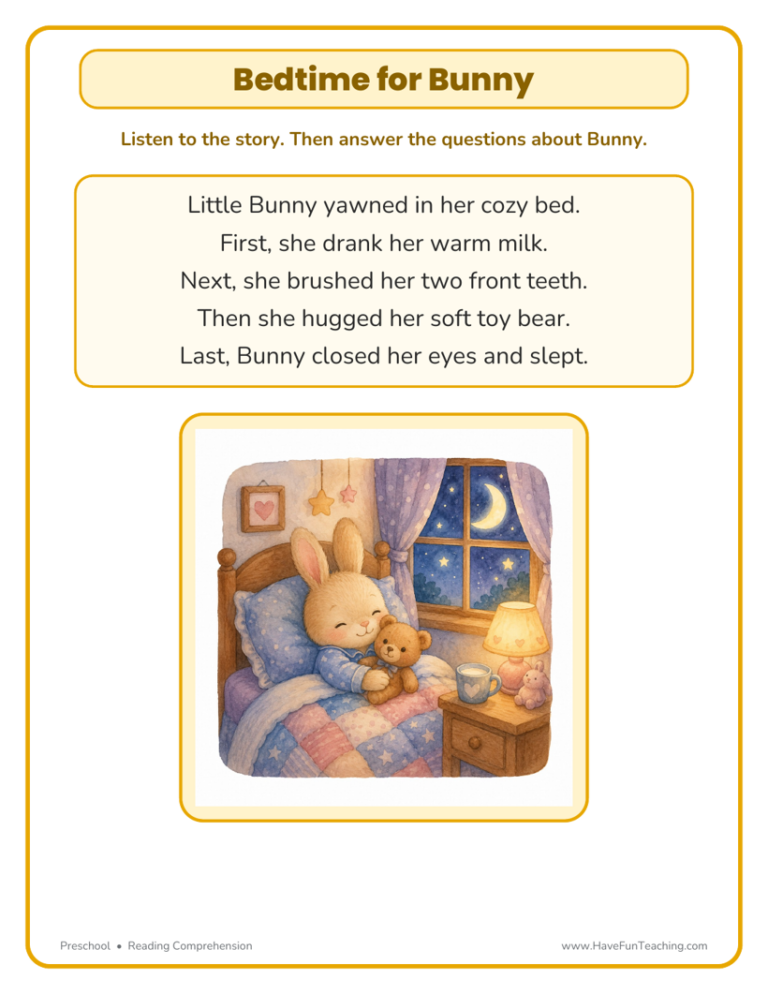
Bedtime for Bunny Reading Comprehension WorksheetTry it withBedtime for Bunny Reading Comprehension WorksheetWorksheetsOpen it →

Sequencing questions, answered

What is sequencing for preschoolers?

Sequencing means putting events in the order they happen. Preschoolers practice with first, next and last, using pictures, stories and daily routines.

Why is sequencing important?

It helps kids understand and retell stories, follow directions and later write their own stories with a beginning, middle and end.

How many steps should a preschool sequence have?

Start with three. Once kids can do three easily, try four. More than that is usually too much for this age.

How can I practice sequencing at home?

Talk through routines out loud: "First we wash hands, next we eat, last we clear the plate." Ask your child to tell you the steps of their day at bedtime.



