
Skip to content
Start My 3 Free Days $0 today · cancel anytime

Kindergarten Sequencing Resources (Reading)

15 kindergarten sequencing resources: 10 activities, 2 worksheets, 1 song and more. How teachers use these

Kindergarten Sequencing Resources (Reading)

15 kindergarten sequencing resources: 10 activities, 2 worksheets, 1 song and more. How teachers use these

Worksheet
WorksheetKindergartenSequencing Pictures Worksheet

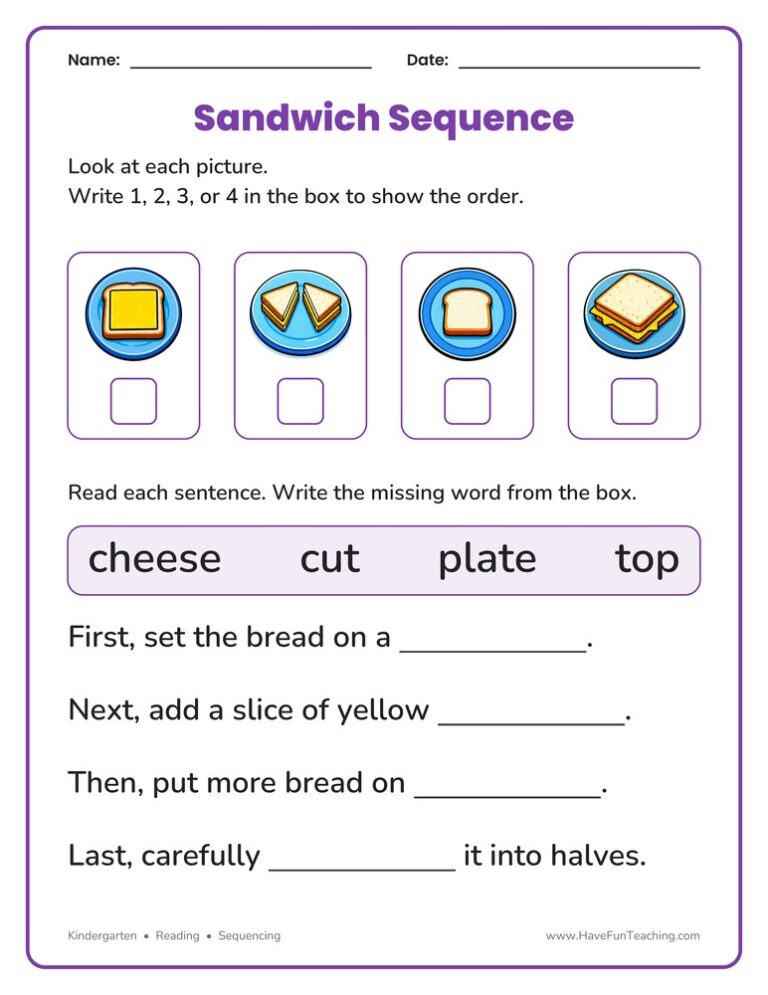
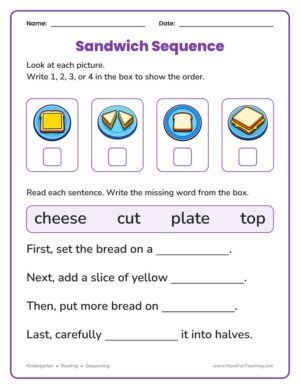
This sequencing pictures worksheet has kindergarten students number four sandwich-making pictures in order and finish four First, Next, Then, Last sentences. An answer key is included to make checking quick.

Activity
ActivityKindergartenSequence of Events Activity

This sequence of events activity helps preschool, kindergarten, and 1st grade children put picture cards in order and retell stories with first, next, then, and last. An answer key is included.

Activity
ActivityKindergartenPicture Sequencing Activity

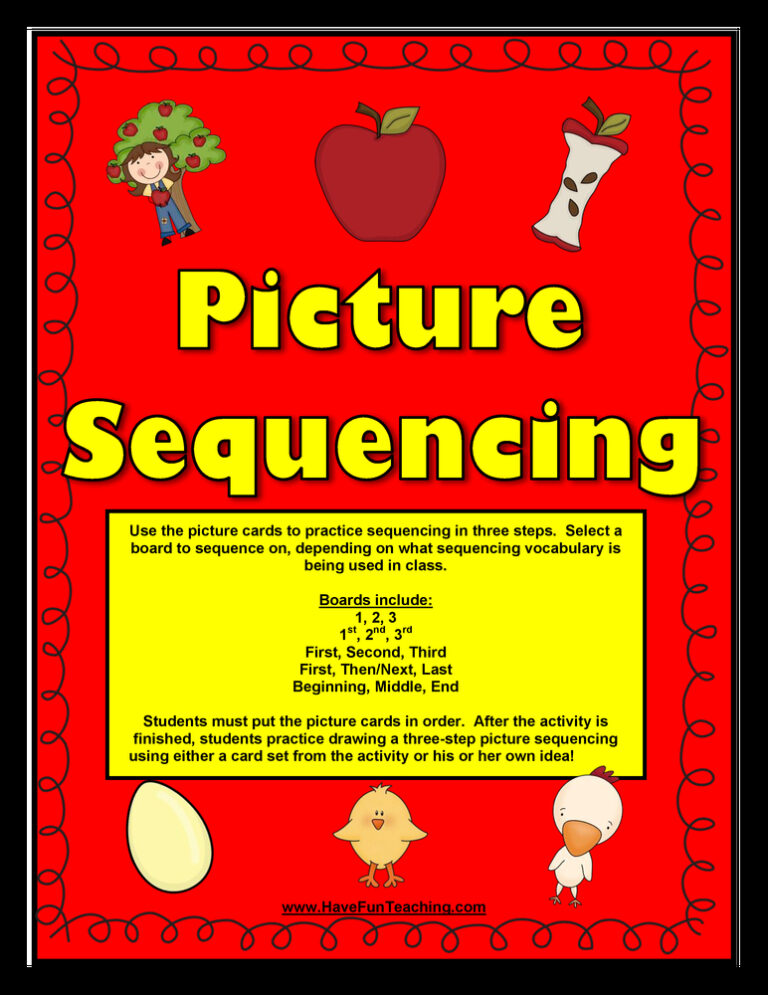
In this picture sequencing activity, Kindergarten to 2nd Grade children put five color sets of cards in order on a First, Next, Last board. Answer key included.

Activity
ActivityKindergartenRetelling Using Key Details Activity

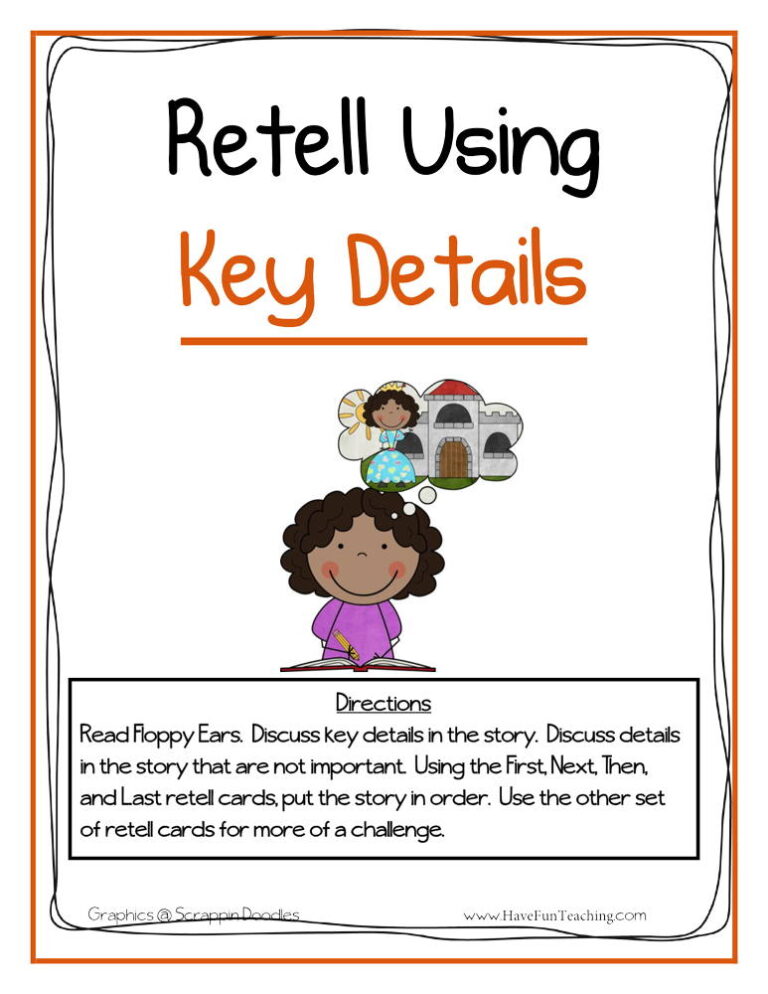
This retelling using key details activity helps kindergarten to 3rd grade students sort key events, put them in order, and retell a story, with an answer key included.

Activity
ActivityKindergartenRetelling Stories Activity

This retelling stories activity has Kindergarten to 2nd Grade students order picture and sentence cards, then retell a pool-day story. Answer key included to check every card.

Activity
ActivityKindergartenBrushing Your Teeth Sequencing Activity

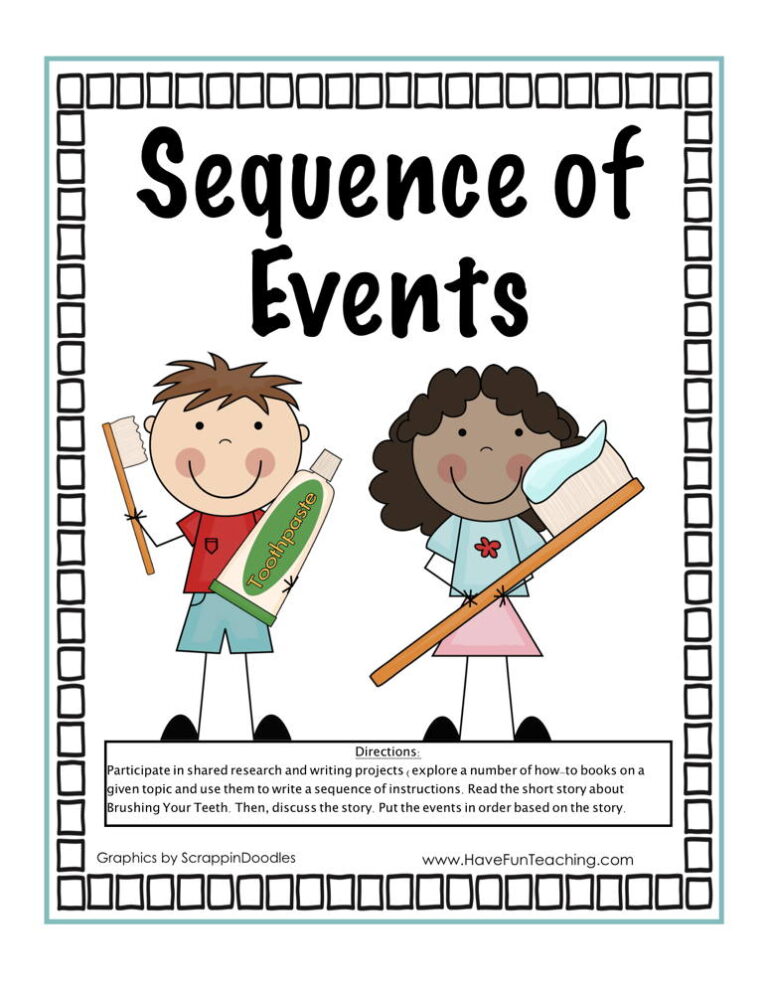
This brushing your teeth sequencing activity helps K-2nd grade students retell a short story in order with picture cards, sentence cards and a story mat. Answer key included.

Activity
ActivityKindergartenFalling Leaves Sight Words Activity

This falling leaves sight words activity has children build a fall poem and hunt for 12 leaf words. Made for Kindergarten and 1st grade, with a practice page and answer key included.

Worksheet
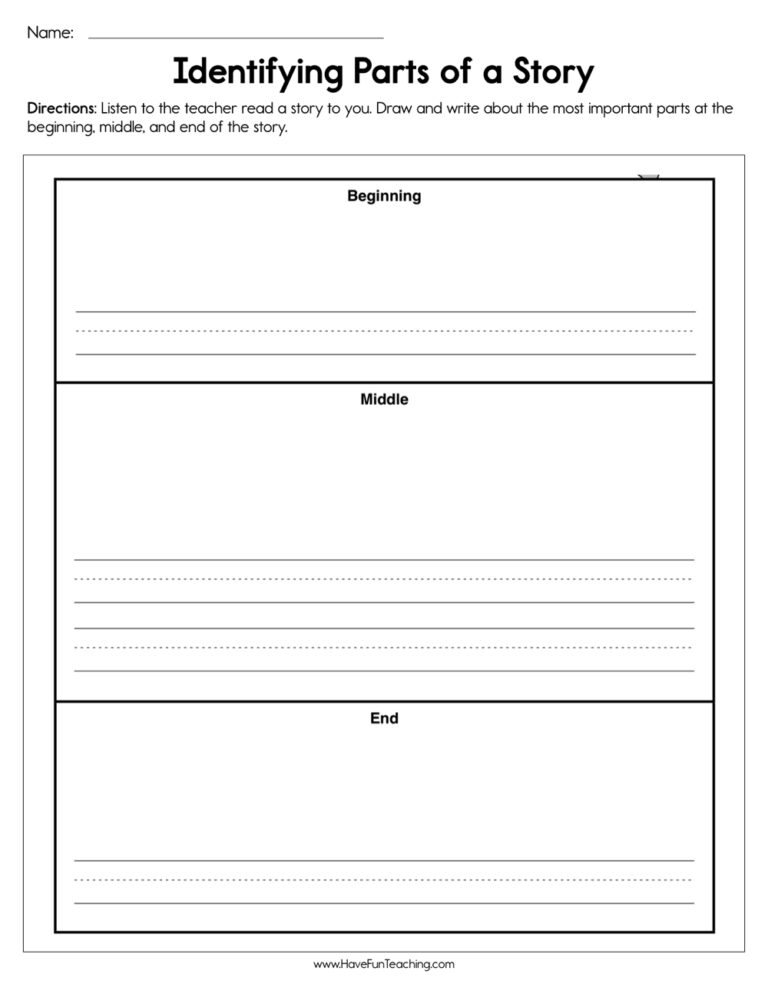
WorksheetKindergartenIdentifying Parts of a Story Worksheet

This identifying parts of a story worksheet helps kindergarten readers name the characters, setting, and beginning, middle, and end of a short bird story, with an answer key included for easy checking.

Activity
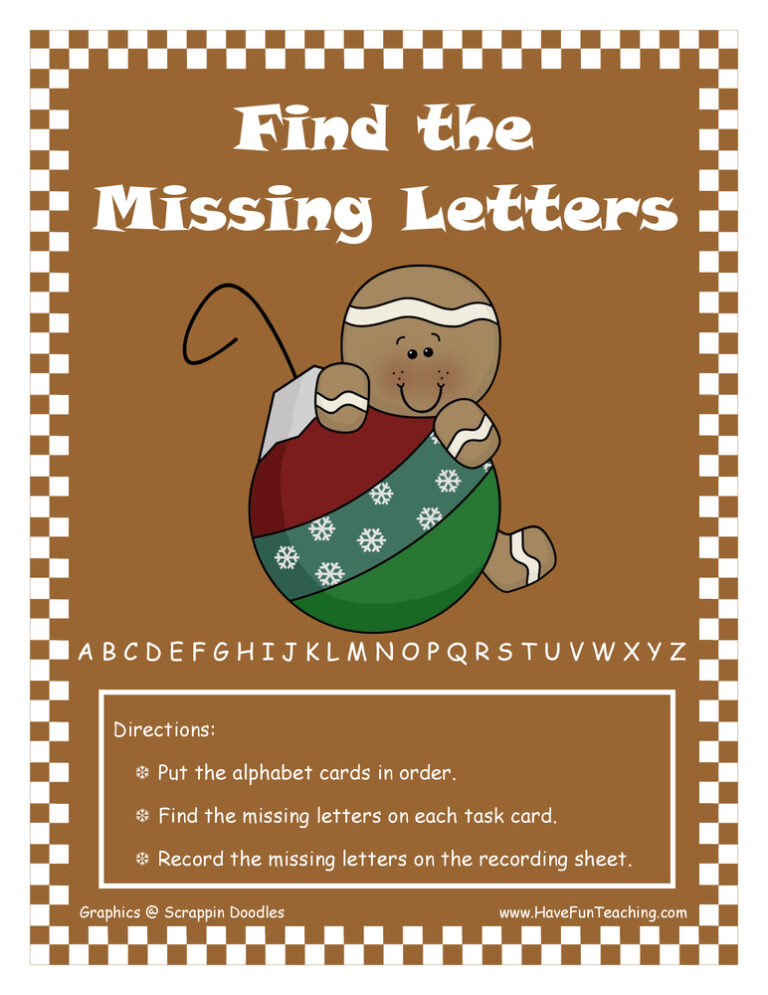
ActivityKindergartenFind the Missing Letters Sequencing Activity

UsingFind the Missing Letters Sequencing Activity, students place alphabet letter cards to complete the alphabet sequences.

Common Core Lesson
Common Core LessonKindergartenRL.K.2 Kindergarten Common Core Lesson

Using RL.K.2 Kindergarten Common Core Lesson,students retellfamiliar stories, including key details with support and prompting.

Activity
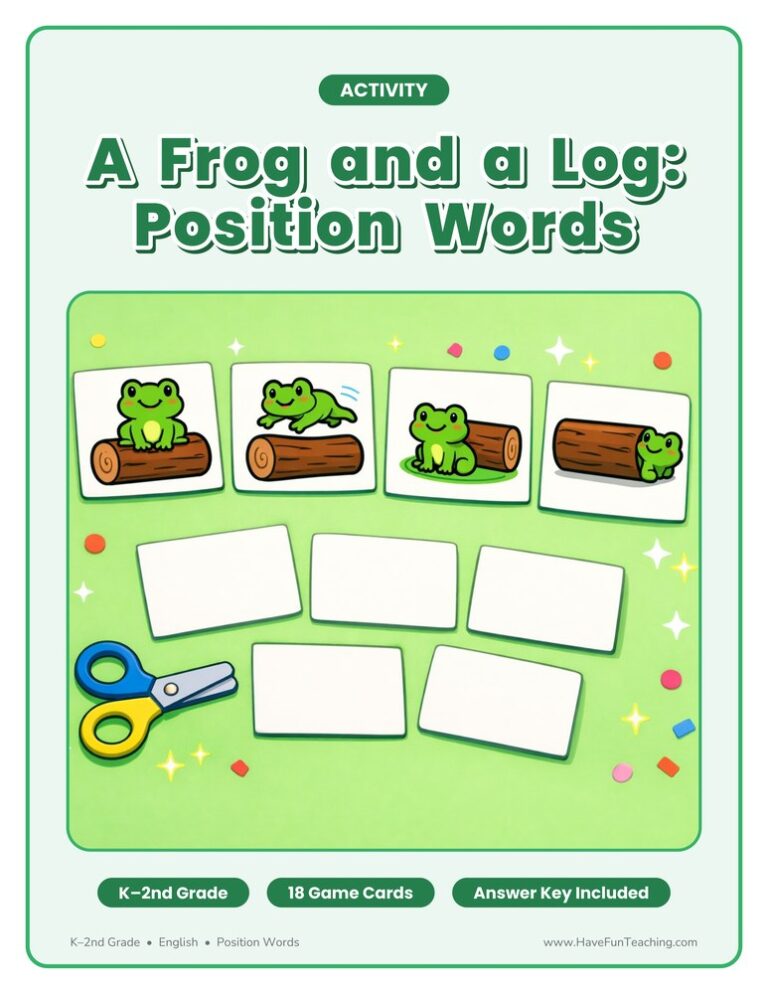
ActivityKindergartenA Frog and a Log Position Words Activity

This frog and a log position words activity helps K-2nd Grade children match picture cards to on, under, above, next to, in front of and behind, with practice and an answer key included.

Activity
ActivityKindergartenApple Multiple Skills Activity

This apple multiple skills activity has Kindergarten and 1st grade students read sight word sentences, match them to pictures and sequence an apple tree's growth. Answer key included.

Activity
ActivityKindergartenRetell the Story Activity

Using Retell the Story Activity,students read “Floppy Ears” aloud to students and then use the question chart to assess students ability to retell the story.

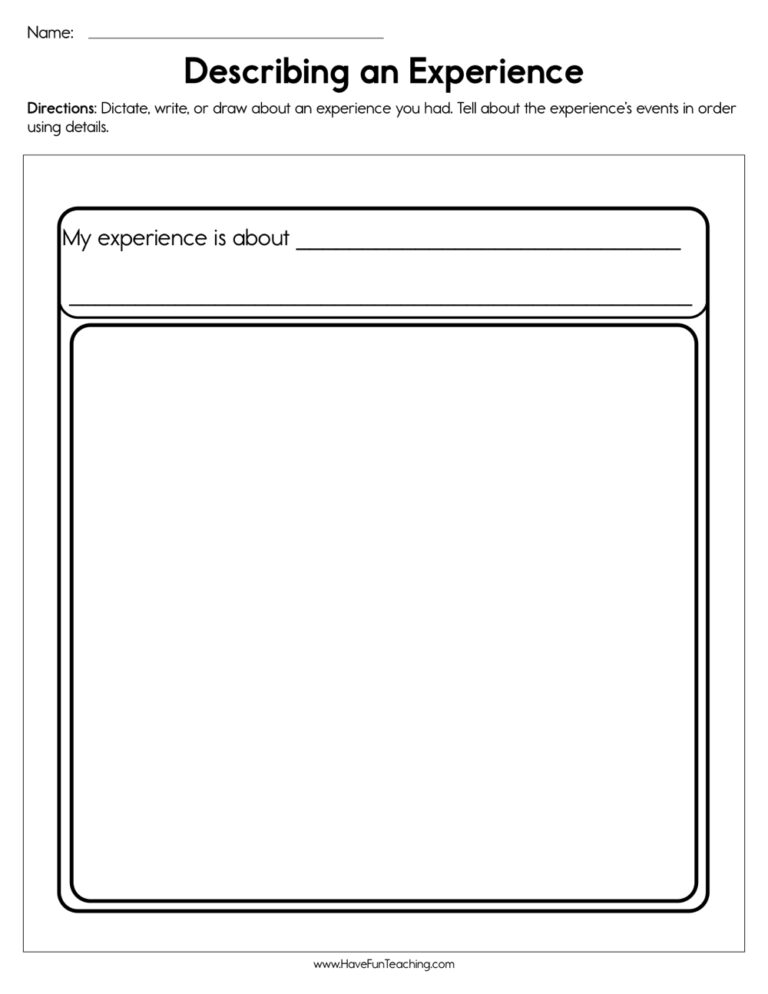
KindergartenDescribing An Experience Worksheet

Using Describing An Experience Worksheet, students write or draw about an important experience by including events in order.

From our teachers' playbook

First, next, then... story time!

What do kindergartners learn about sequencing?

Sequencing is putting things in the order they happened, and kindergartners start with their own day. Wake up, brush teeth, eat breakfast! Soon they move to three or four story pictures and the magic words first, next, then, last. Kids learn to look for clues (the egg comes before the chick!) and to retell a short story with the beginning, middle and end in the right spots. The click moment is when a child stops and says, "Wait, that one can't go first!"

Our favorite ways to teach sequencing

Little learners need to see it, touch it and say it out loud. These are the moves we lean on every year.

Look, cut, glue, tell

Start with pictures, not words. Kids cut apart three or four scenes, line them up on the desk, and only glue once they can tell the story aloud to a partner using first, next and last. If the story sounds silly, they swap a picture and try again.

Why it works: children learn more from words and pictures together than from words alone (Mayer, 2009).
Sequencing Pictures WorksheetTry it withSequencing Pictures WorksheetWorksheetsOpen it →

Act out everyday routines

Routines kids already know make the best first sequences. Hold up the brushing-your-teeth cards out of order and let the class fix them, then act it out together: squeeze the toothpaste, brush, rinse, spit! Moving their bodies helps them feel why order matters.

Why it works: playful practice with a clear goal keeps kids practicing longer, and simple learning games have been shown to build real skills (Ramani and Siegler, 2008).

Brushing Your Teeth Sequencing ActivityTry it withBrushing Your Teeth Sequencing ActivityActivitiesOpen it →

One quick sequence a day

Sequencing grows with short, steady practice. After every read-aloud, pick just three moments and ask kids to put them in order on the board. It takes two minutes, and by spring they are retelling whole stories on their own.

Why it works: short practice spread over several days beats one long session, according to a large review of learning research (Dunlosky and colleagues, 2013).

Sequence of Events ActivityTry it withSequence of Events ActivityActivitiesOpen it →

Questions parents and teachers ask

What is sequencing in kindergarten?

Sequencing means putting events in the order they happened. Kindergartners practice with picture cards, daily routines and short stories, using words like first, next, then and last.

How do I teach sequencing to a 5-year-old?

Start with something they live every day, like getting dressed or making a sandwich. Take photos or draw quick pictures, mix them up, and let your child put them back in order and tell you about it.

How many steps should a kindergarten sequence have?

Begin with three pictures, then move to four once kids are confident. Many kindergartners are ready for a simple beginning, middle and end retell by the middle of the year.

Why is sequencing important for reading?

Knowing the order of events is what makes retelling and comprehension possible. Kids who can sequence a story can also explain what happened and why, which is a big step toward understanding what they read.



