Skip to content
Start My 3 Free Days $0 today · cancel anytime

2nd Grade Landforms Resources

6 2nd grade landforms resources: 5 worksheets, 4 assessments and 1 flash card. How teachers use these

2nd Grade Landforms Resources

6 2nd grade landforms resources: 5 worksheets, 4 assessments and 1 flash card. How teachers use these

Worksheet
Worksheet2nd GradeErosion Writing Worksheet

This erosion writing worksheet has 2nd grade students read a short fact box, answer four questions, and explain how plants slow erosion. An answer key is included for easy checking.

Assessment
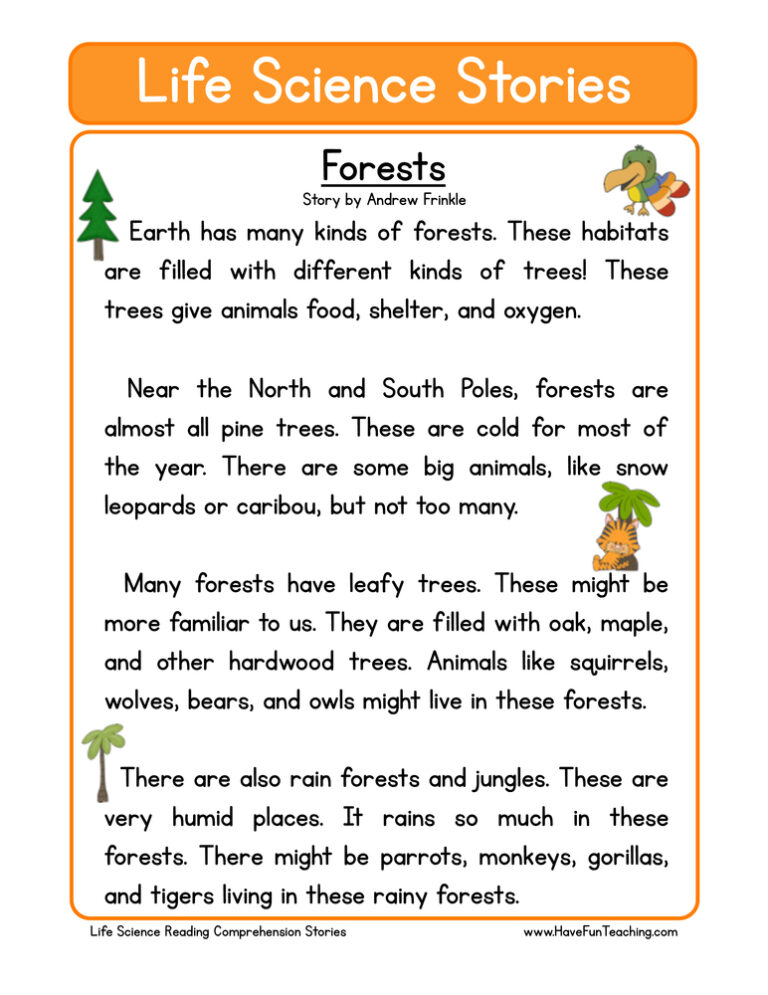
Assessment2nd GradeForests Life Science Reading Comprehension Worksheet

This Forests Life Science Reading Comprehension Worksheet gives 2nd graders a short non-fiction passage about pine, leafy, and rain forests, plus questions and an answer key. Great no-prep practice for main idea and key details.

Assessment
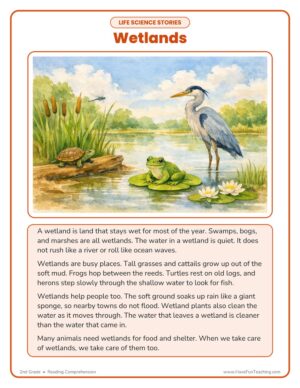
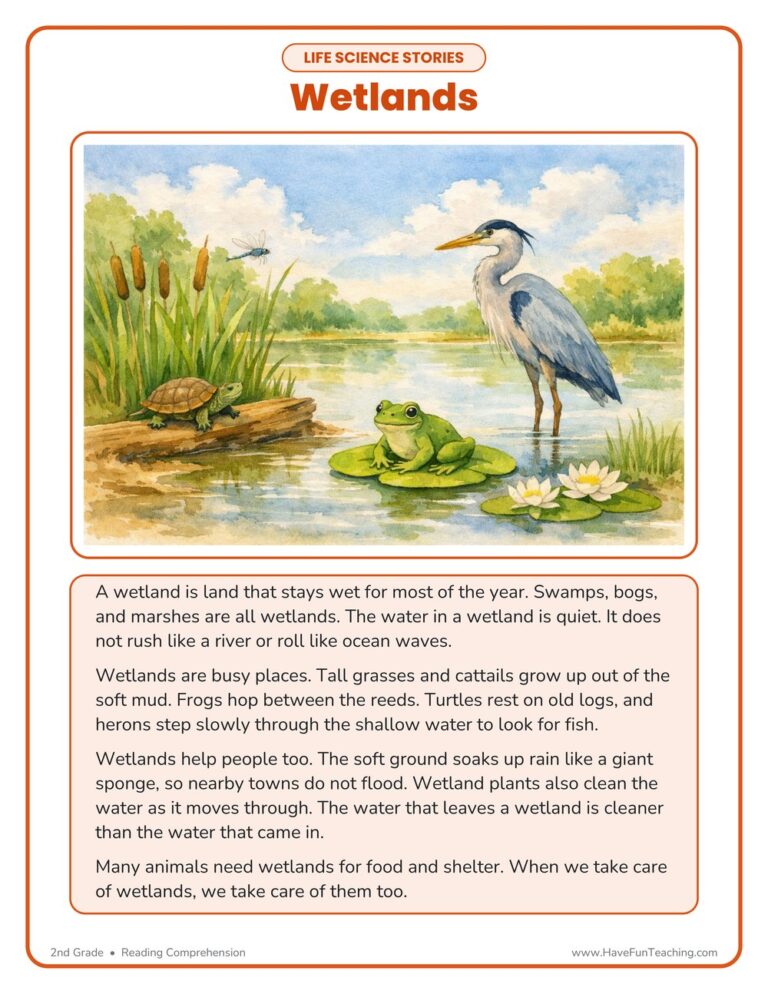
Assessment2nd GradeWetlands Life Science Reading Comprehension Worksheet

Explore swamps, bogs, and marshes with this wetlands life science reading comprehension worksheet. Second graders read a short nonfiction passage and answer six questions, and an answer key is included, so learning about habitats stays easy and fun.

Flash Cards
Flash Cards2nd GradeLandforms Flash Cards

Learn fifteen landforms with these landforms flash cards for kindergarten to 4th grade: painted picture fronts, words and meanings inside, a practice page and an answer key included.

Assessment
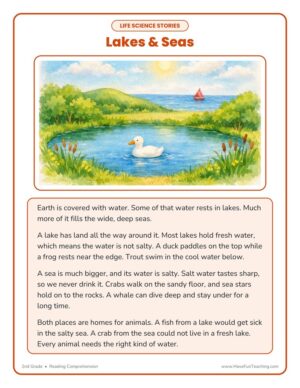
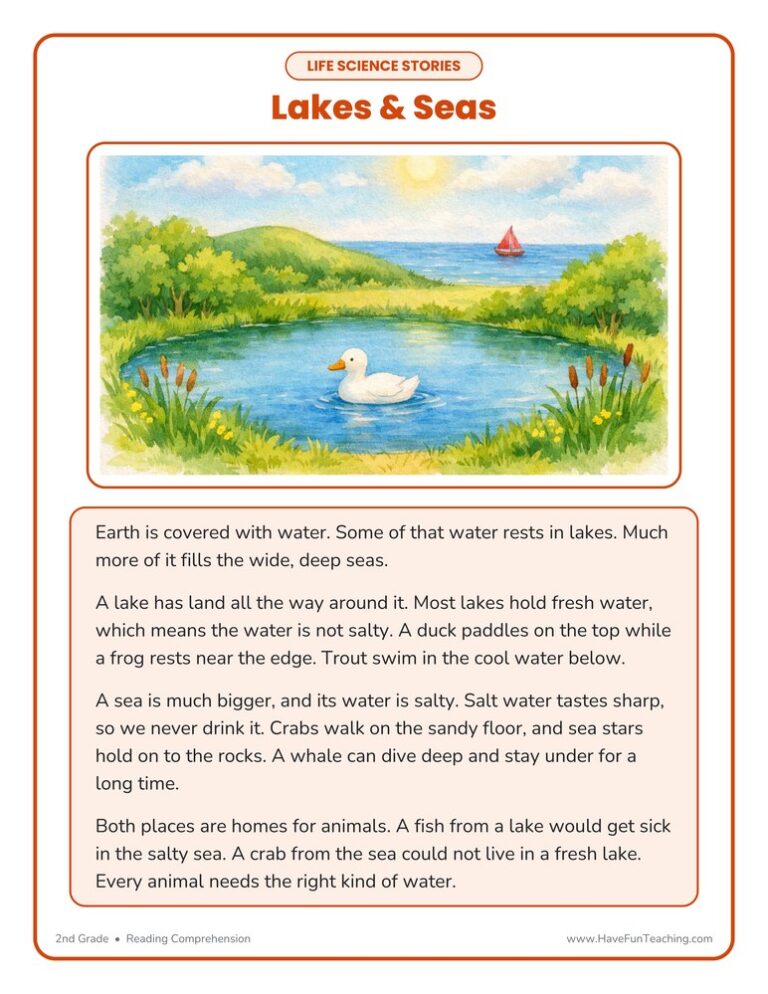
Assessment2nd GradeLakes and Seas Life Science Reading Comprehension Worksheet

This Lakes and Seas Life Science Reading Comprehension Worksheet gives 2nd Grade students an original passage about fresh water and salt water habitats, with bubble, fill-in, and writing questions. Answer key included.

Assessment
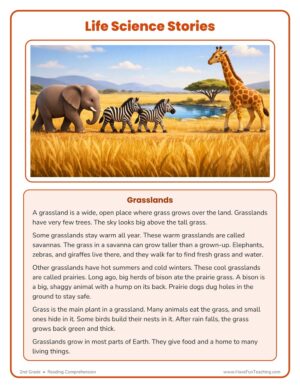
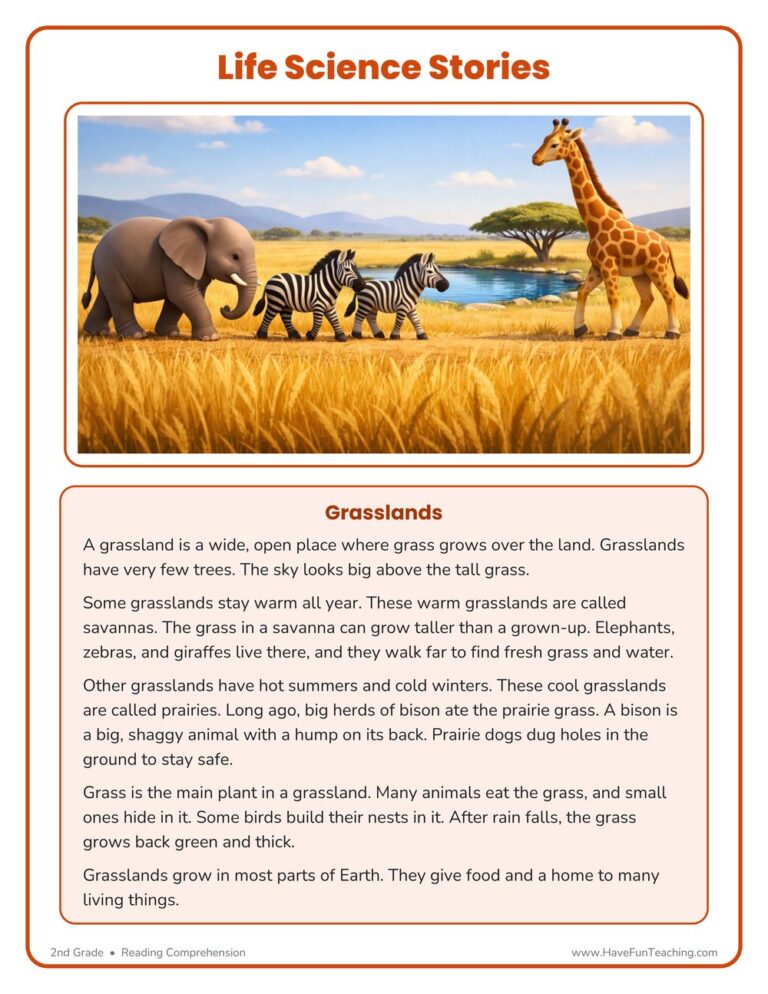
Assessment2nd GradeGrasslands Life Science Reading Comprehension Worksheet

This Grasslands Life Science Reading Comprehension Worksheet gives 2nd Grade readers a nonfiction passage about savannas and prairies, seven text-based questions, and an answer key included for fast checking.

From our teachers' playbook

Mountains, valleys and everything in between

What do 2nd graders learn about landforms?

Second graders learn that the land around us comes in many shapes. They name and describe landforms like mountains, hills, valleys, plains, plateaus, islands and canyons, and bodies of water like lakes, rivers and oceans. They read simple maps to find them, and they discover that wind and water slowly change the land over time through erosion. A canyon, for example, is a river's work over a very, very long time. That idea, that land can move and change, is the big wow of the unit!

Our favorite ways to teach landforms

Landforms are easiest to learn when kids can see, touch and build them. These moves make the vocabulary real.

See it, shape it

Show a landform flash card and have kids make the shape with their hands or arms: a pointy mountain, a flat plateau, a deep valley. Then they say the word and one fact. Pictures plus body motion lock in vocabulary for this age.

Why it works: pairing a picture with each word gives kids two ways to remember it, a well-tested principle of how people learn (Mayer, 2009).

Landforms Flash CardsTry it withLandforms Flash CardsFlash CardsOpen it →

Make a mini erosion

Build a small hill from sand or soil in a tray, then slowly pour water down one side. Kids watch a little channel form, draw what happened, and write one sentence explaining it. Now erosion is something they saw, not just a word.

Why it works: the U.S. Department of Education's guide for teaching elementary math recommends moving from hands-on objects to drawings to numbers.

Erosion Writing WorksheetTry it withErosion Writing WorksheetWorksheetsOpen it →

Questions about teaching landforms

What landforms do 2nd graders learn?

Second graders usually learn mountains, hills, valleys, plains, plateaus, islands, peninsulas and canyons, plus bodies of water like rivers, lakes and oceans. They also learn to find these on simple maps.

What is erosion for kids?

Erosion is when wind, water or ice slowly moves bits of rock and soil from one place to another. Over a very long time, erosion can carve canyons and wear mountains down.

What is the difference between a hill and a mountain?

A mountain is much taller and usually steeper than a hill. Kids can remember that a hill is easy to walk up, and a mountain is a big climb!

How do I teach landforms at home?

Build landforms in a sandbox or with play dough, then add water to see where it flows. Point out real hills, rivers or lakes on walks and car rides to connect the words to the world.