Skip to content
Start My 3 Free Days $0 today · cancel anytime

Journals Resources

14 journals resources: 13 worksheets and 2 activities. How teachers use these

Journals Resources

14 journals resources: 13 worksheets and 2 activities. How teachers use these

Worksheet
Worksheet3rd GradeOctober Daily Journal Prompts

This October Daily Journal Prompts worksheet gives 3rd grade students sixteen seasonal writing starters, one for each writing day of the month, to build daily writing fluency and confidence.

Worksheet
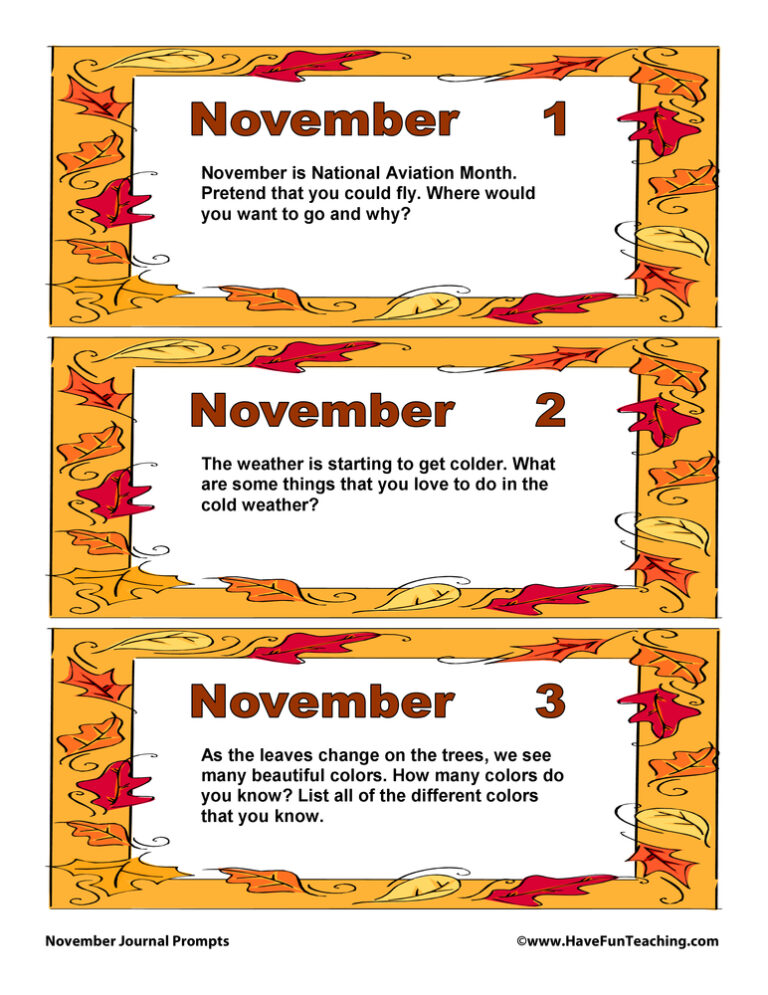
Worksheet3rd GradeNovember Daily Journal Prompts

This November Daily Journal Prompts worksheet gives 3rd grade students sixteen thankful, seasonal writing starters to choose from, building a steady daily writing habit and confidence.

Worksheet
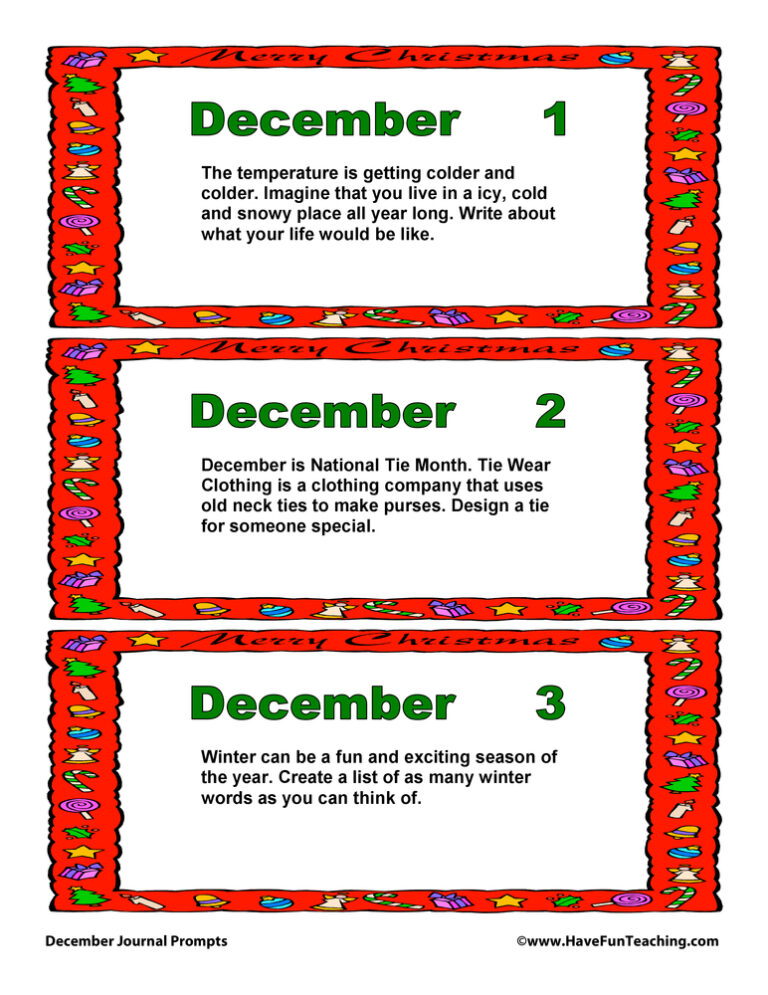
Worksheet3rd GradeDecember Daily Journal Prompts

December journal prompts for 3rd Grade writers: sixteen daily prompts about snowy weather, family traditions, kindness and giving, so every student starts writing instead of staring at a blank journal page.

Worksheet
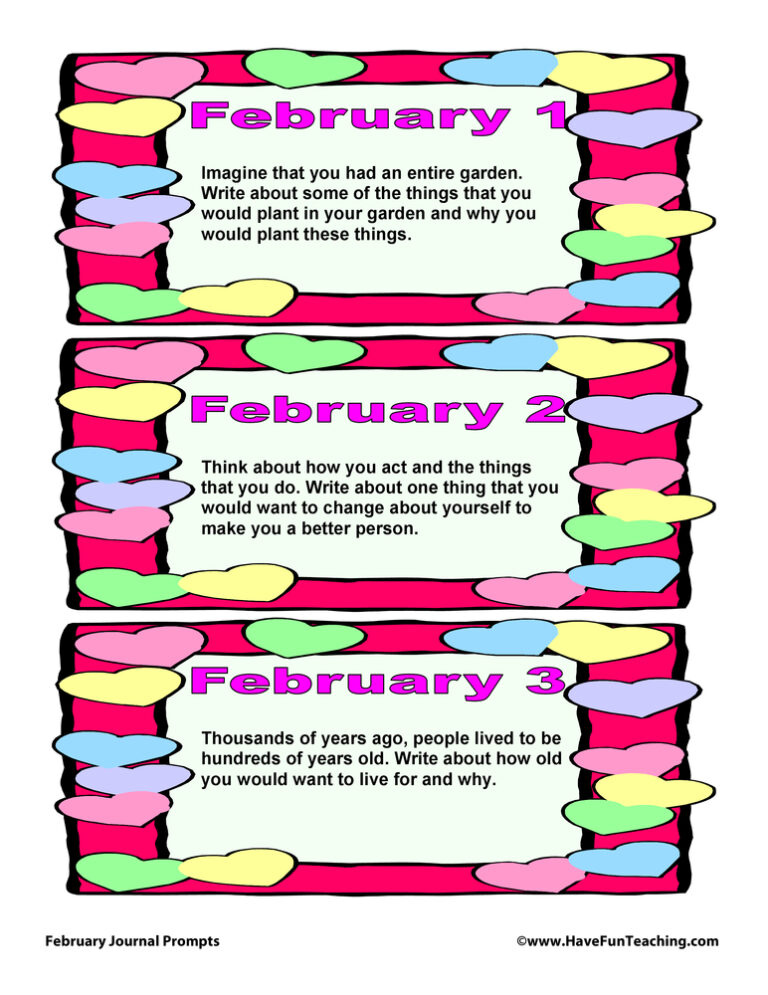
Worksheet3rd GradeFebruary Daily Journal Prompts

This February Daily Journal Prompts worksheet gives 3rd grade students sixteen seasonal writing starters, one for each writing day of the month, to build daily writing fluency and confidence.

Worksheet
Worksheet1st GradeSummer Vacation Letter Worksheet

This summer vacation letter worksheet gives first graders a themed page to write about a fun summer day, with roomy lines and bright summer pictures to spark ideas.

Activity
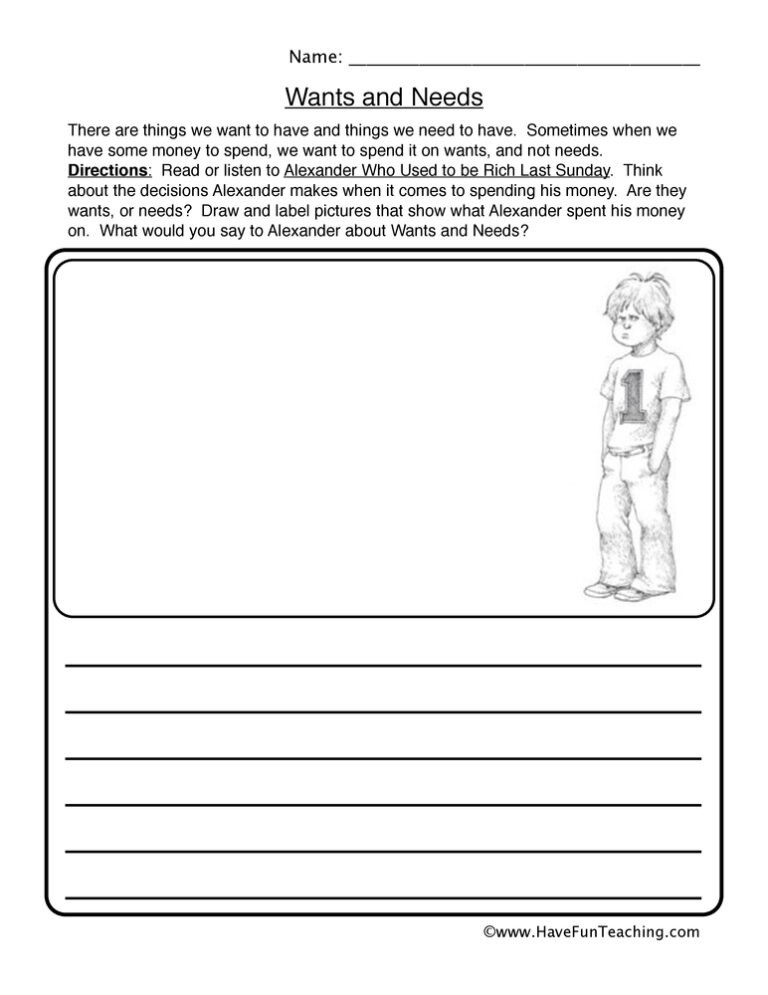
Activity1st GradeWants Needs Reading Response Worksheet

Using this Wants Needs Reading Response Worksheet, students readAlexander Who Used to be Rich Last Sunday to build their understanding of wants and needs.

Worksheet
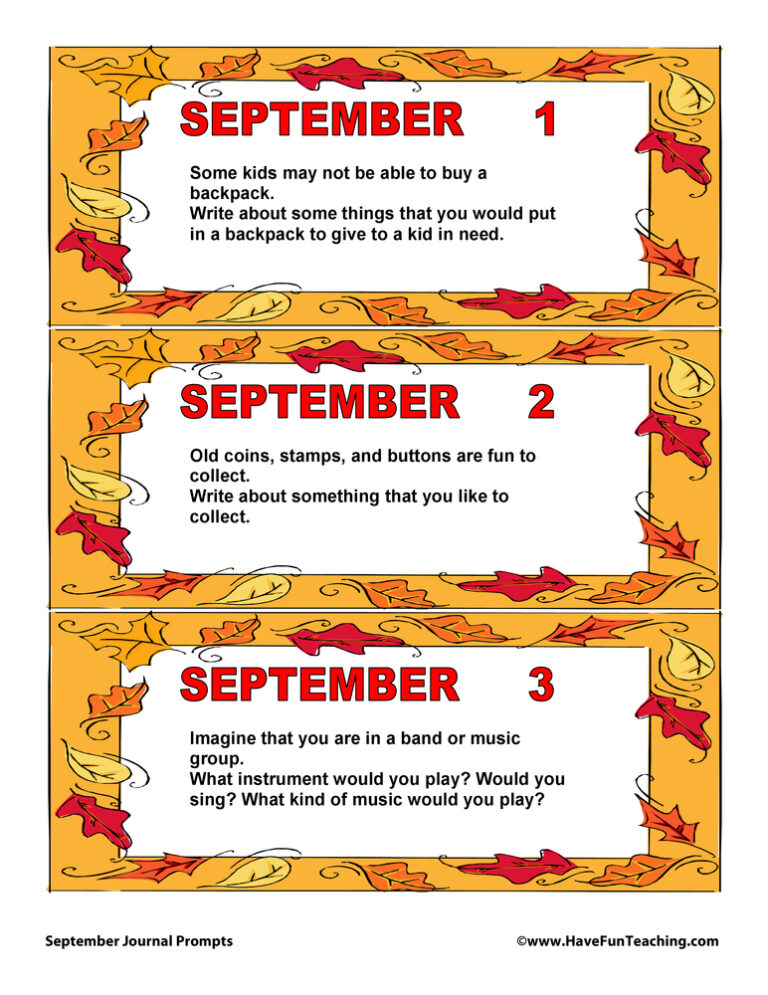
Worksheet3rd GradeSeptember Daily Journal Prompts

This September Daily Journal Prompts worksheet gives 3rd grade students sixteen seasonal writing starters, one for each writing day of the month, to build daily writing fluency and confidence.

Worksheet
Worksheet3rd GradeAugust Daily Journal Prompts

This August Daily Journal Prompts worksheet gives 3rd grade students sixteen late-summer writing starters, from beach days to new school goals, so they can build a steady daily writing habit.

Worksheet
Worksheet3rd GradeJune Daily Journal Prompts

This June Daily Journal Prompts worksheet offers 3rd grade students sixteen sunny summer writing starters, from beach days to lemonade stands, so they can build a daily writing habit.

Worksheet
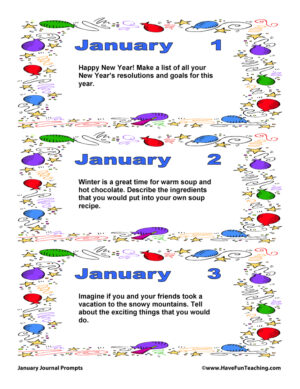
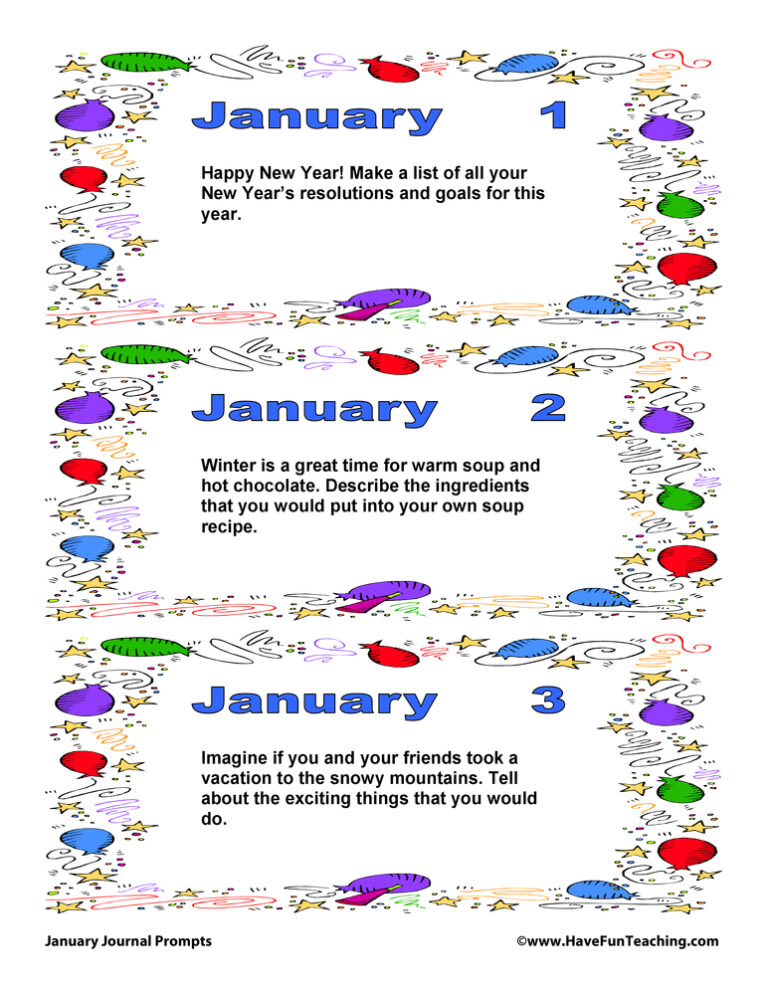
Worksheet3rd GradeJanuary Daily Journal Prompts

This January Daily Journal Prompts worksheet offers 3rd grade students sixteen cozy winter writing starters, from new year goals to snow days, so they can build a daily writing habit.

Worksheet
Worksheet3rd GradeMay Daily Journal Prompts

This May Daily Journal Prompts worksheet gives 3rd grade students sixteen springtime writing starters to choose from, building a steady daily writing habit and real confidence.

Worksheet
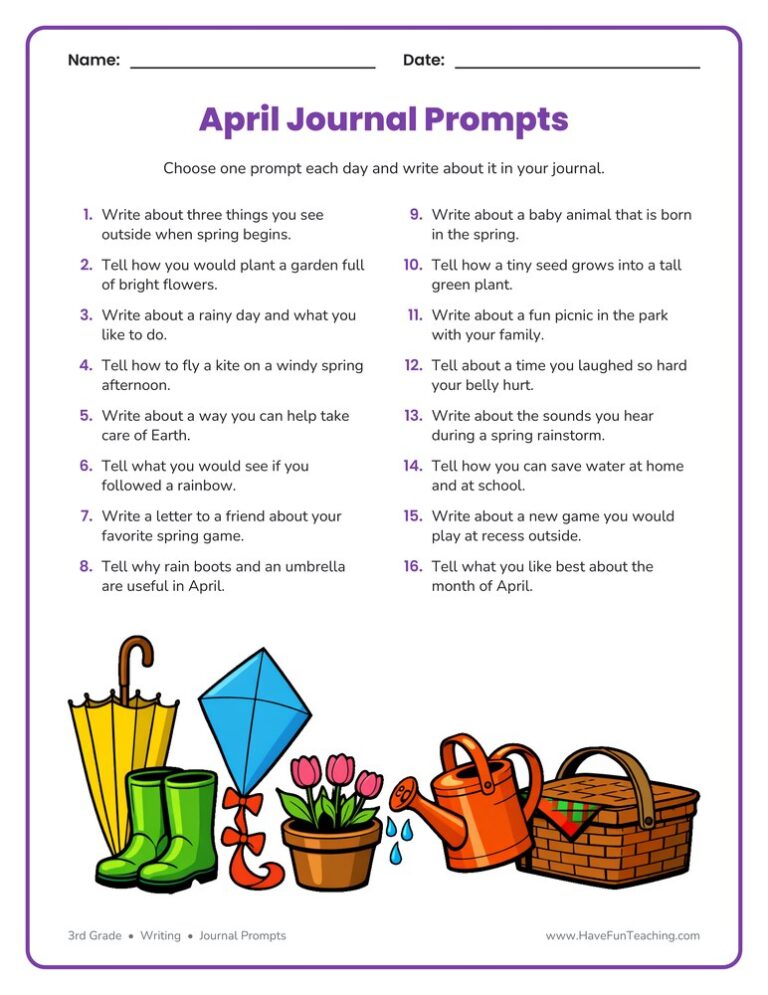
Worksheet3rd GradeApril Daily Journal Prompts

This April Daily Journal Prompts worksheet offers 3rd grade students sixteen cheerful spring writing starters, from rainy days to kites and gardens, so they can build a daily writing habit.

Activity
Activity1st GradeSummer Time Back to School Writing Activity

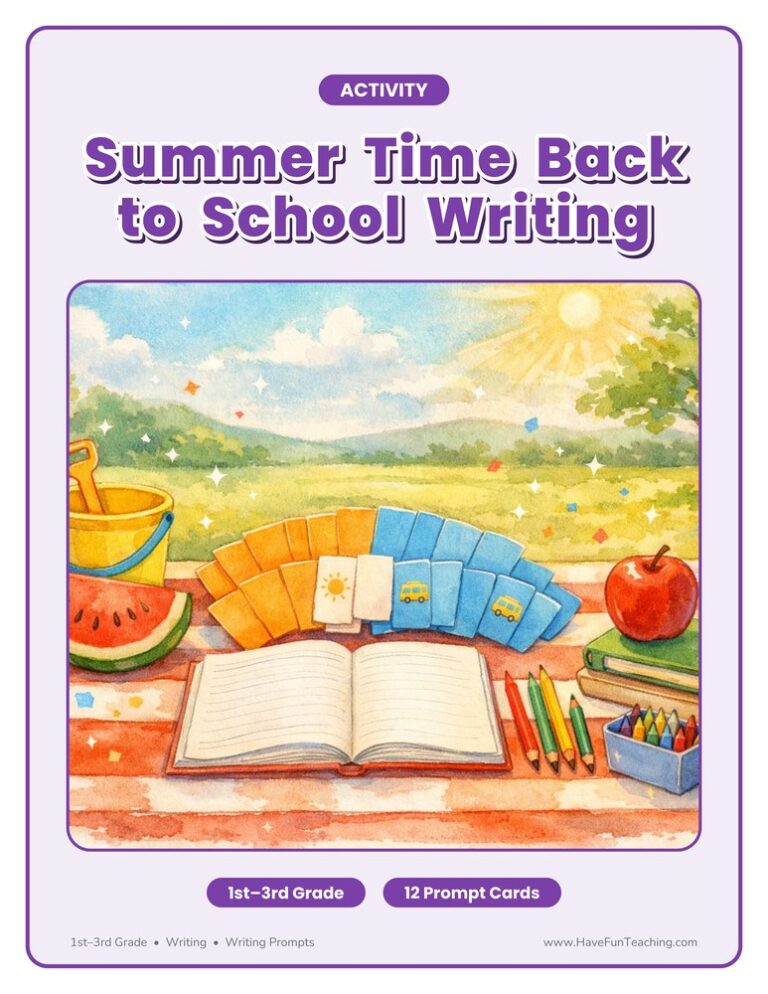
This summer time back to school writing activity gives 1st-3rd grade students 12 prompt cards about summer and the new year, plus draw and write pages that make journaling fun.

Worksheet
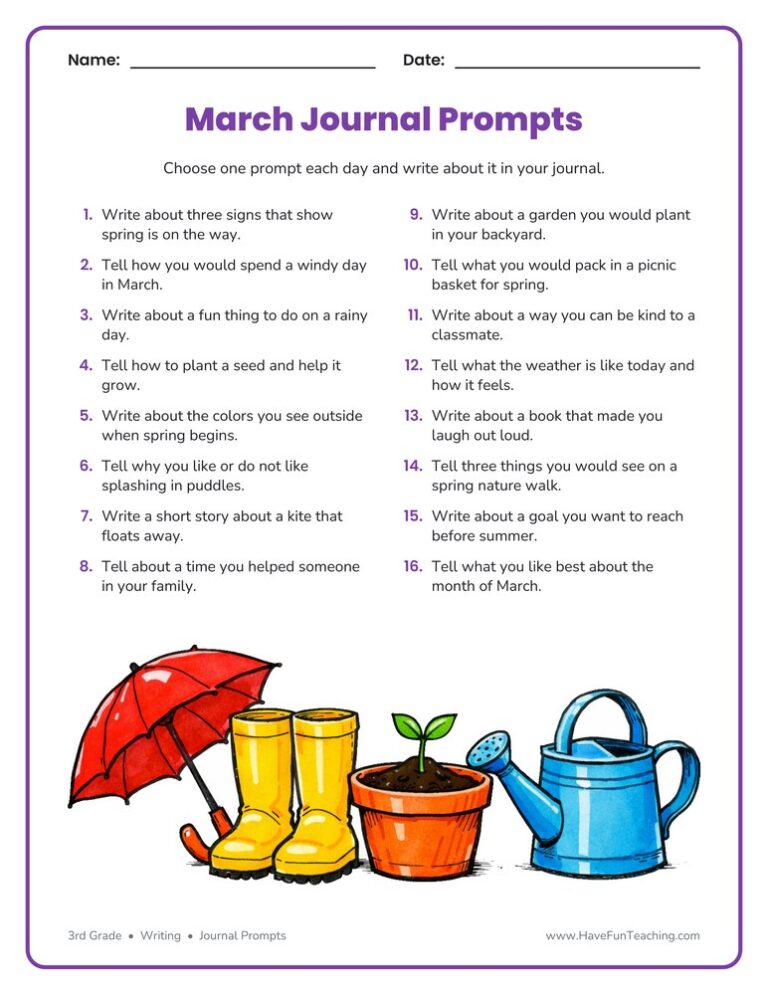
Worksheet3rd GradeMarch Daily Journal Prompts

This March Daily Journal Prompts worksheet offers 3rd grade students sixteen fresh spring writing starters, from rainy days to planting seeds, so they can build a daily writing habit.

From our teachers' playbook

A little writing, every single day

What do kids learn from journal writing?

Journal writing gives kids a daily low-pressure space to put thoughts on paper. Younger kids draw a picture and write a word or sentence about it. Older kids answer prompts, describe their day, share opinions and tell stories with a beginning, middle and end. Because nobody is grading every word, kids take risks: new words, longer sentences, real voice. Over a year, a journal becomes a record of growth you can actually see. The click moment is when a child flips back to September and says, "I write so much more now!"

Our favorite ways to use journals

The magic of journals is consistency. These moves keep the habit strong all year.

Same time, every day

Build journal writing into the same slot every day, like the first ten minutes after morning work. A monthly set of prompts means you never scramble for an idea. Short and daily beats long and once a week.

Why it works: short practice spread over several days beats one long session, according to a large review of learning research (Dunlosky and colleagues, 2013).

October Daily Journal PromptsTry it withOctober Daily Journal PromptsWorksheetsOpen it →

Write your own entry first

Answer the prompt yourself on the board, thinking aloud as you write: "Hmm, I want a strong first sentence." Kids see how real writers start, change their minds and add detail. Then they write their own.

Why it works: showing first, practicing together, then letting kids try alone is the "gradual release" model teachers have relied on for decades (Pearson and Gallagher, 1983).

November Daily Journal PromptsTry it withNovember Daily Journal PromptsWorksheetsOpen it →
Start the year with a story

Open the year with a back-to-school journal entry about summer. Kids plan with a quick sketch, then write. It shows you where every writer is starting and gives them a page to compare to later.

Why it works: kids understand an idea best when they touch it, then draw it, then write it, the order the U.S. Department of Education recommends for elementary math.

Summer Time Back to School Writing ActivityTry it withSummer Time Back to School Writing ActivityActivitiesOpen it →

Journal writing questions parents and teachers ask

What are the benefits of journal writing for kids?

Daily journaling builds writing stamina, fluency and confidence. Kids practice spelling and sentences in a low-pressure way, and their journals show growth over the year.

How long should kids write in a journal each day?

About 5 to 10 minutes for young writers and 10 to 15 minutes for older kids. The daily habit matters more than the length.

Should I correct spelling in a child's journal?

Usually not. Journals are for getting ideas down freely. Respond to what they wrote instead, and teach spelling patterns in other lessons.

What should kids write about in a journal?

Prompts help: their weekend, a favorite food, what they'd do with a superpower, or a question about the season. Monthly prompt sets keep ideas fresh all year.

Keep exploring