

Barter System Worksheet
This Barter System Worksheet has 3rd Grade students sort goods from services and explain what makes a swap fair, just like an economist. An answer key is included, so review takes seconds.
$6.97
Or free with a membership — members pay $3.33/mo for all 10,000+ resources. See plans
Want this one free?
Tell us where to send it and it’s yours — no card, no catch.
One free resource per teacher. We’ll also send free teaching ideas each week — unsubscribe anytime.
Teaching is easier with a membership
Unlimited printables, games & videos for PreK–6th — for your classroom or homeschool. Cancel anytime.
Start your 3-day free trial$0 today · cancel anytime · Instant access to 10,000+ resources
About this resource
Description
Long before there was money, people got what they needed by trading one thing for another. This Barter System Worksheet introduces third graders to that idea: swapping goods and services directly instead of paying with cash. Bartering is where economics starts to make sense to a child, because it answers questions they already ask — why do people trade, what counts as a good, what counts as a service, and how do you know a trade is fair? Every term on this barter system worksheet is defined in plain language right at the top of the page, so students can read it once and get straight to work.
The page opens with a short passage that explains barter, goods, and services at a third grade reading level. Part A is a word bank activity where students complete three sentences with the correct economics term. Part B asks them to sort six everyday examples — bread, a haircut, a car wash, apples, shoes, and teaching — into goods or services and write the answer on the line. Part C is a short written response: two students want to trade apples for honey, and your student explains one way they can be sure the trade is equal. Print it and use it for a whole-class introduction, a small-group review, or independent practice.
What’s Included
- One printable Barter System Worksheet (PDF)
- A short on-grade passage defining barter, goods, and services
- A word bank fill-in-the-blank section
- A six-item goods and services sorting section
- A written-response question about fair trade
- A complete answer key
Why This Helps Kids
First, it separates two ideas third graders often blur together: a good is something you can hold, and a service is something someone does for you. Sorting real examples makes that line clear. Second, it teaches fairness as a decision two people reach together rather than a rule handed down, which is the heart of every trade. Third, the writing prompt asks students to explain their thinking, so this 3rd grade economics worksheet builds vocabulary and reasoning at the same time.
Teacher and Parent Ideas
Run a classroom barter round: give each student a small classroom item and five minutes to trade, then talk about which swaps felt equal and why. At home, point out services as you move through the day — a haircut, a car wash, a dentist visit — and ask your child to name a good that would be worth about the same. You can also have students compare the prices of two items and decide how many of one would equal the other.
Related Resources
What teachers say
Reviews
You must be logged in to post a review.

This economy worksheet helps 3rd graders sort out producers, consumers, goods, and services with a word bank and a short town story. Answer key included, so it is ready for no-prep social studies practice.

This American Industrial Revolution Worksheet gives 3rd grade readers a short true passage about Samuel Slater's mill, four questions, a written response and an answer key, so main idea practice feels like real history.
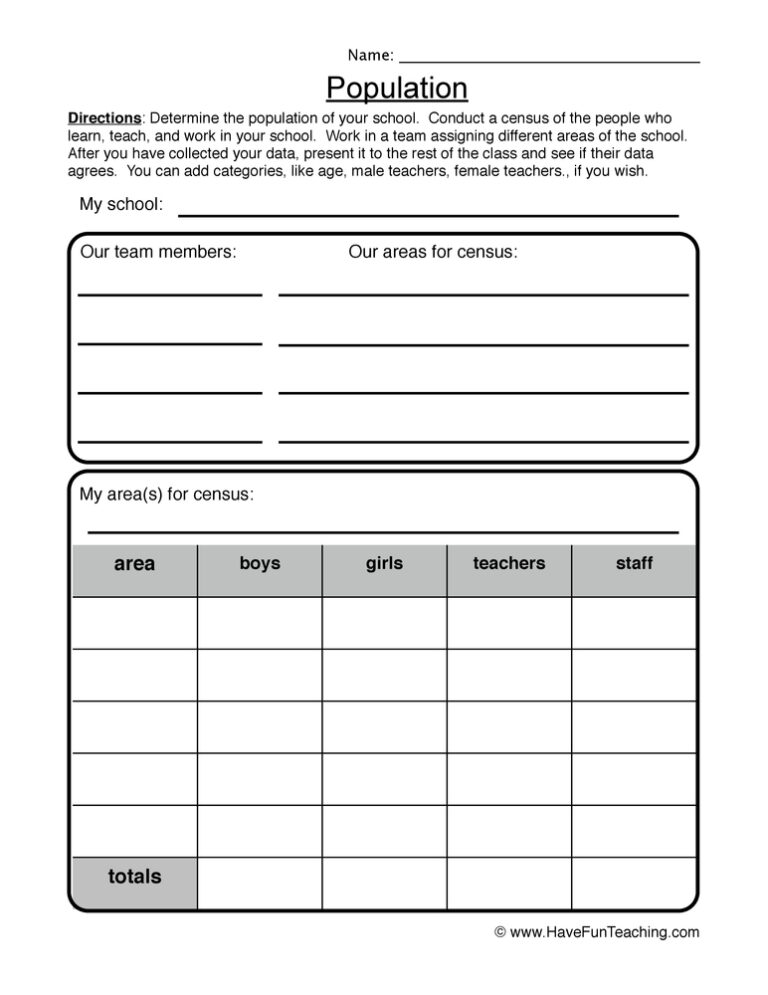
This population collection worksheet asks 3rd graders to total a school census chart and answer three questions about the data. An answer key is included, so children see right away how counting people describes a community.

This Good and Services Worksheet has 3rd graders fill in bubbles to sort everyday purchases, then explain their thinking in writing. An answer key is included, so checking work is quick and easy.
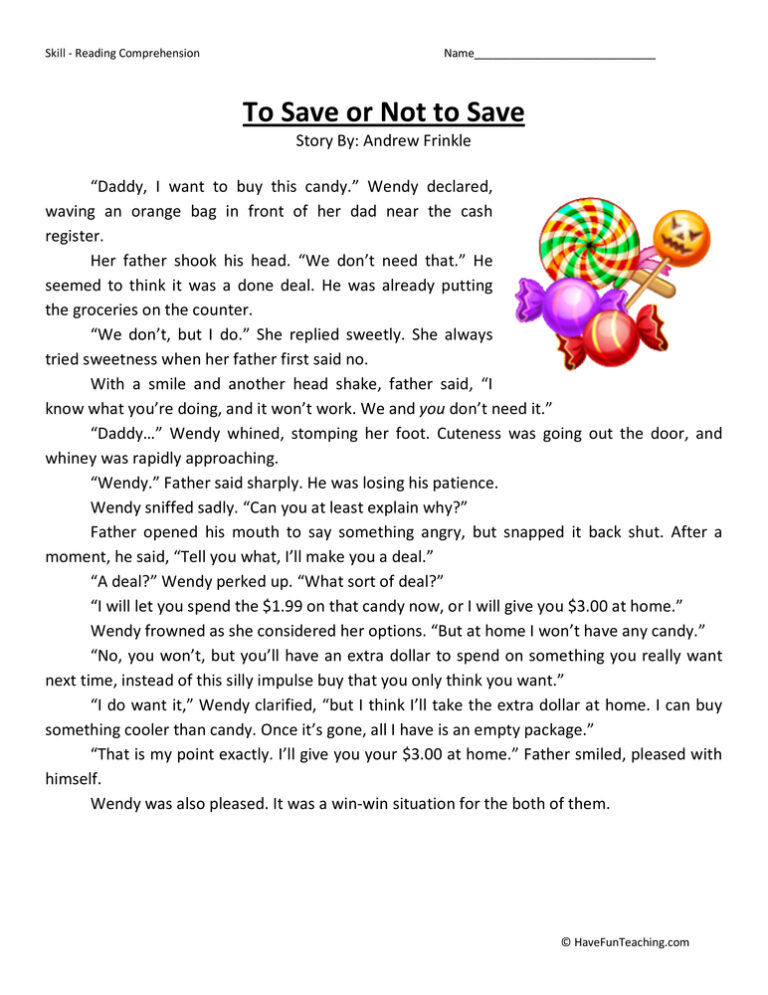
This To Save or Not to Save Reading Comprehension Worksheet will help your students build their reading comprehension skills while reading about Wendy learning about saving money.
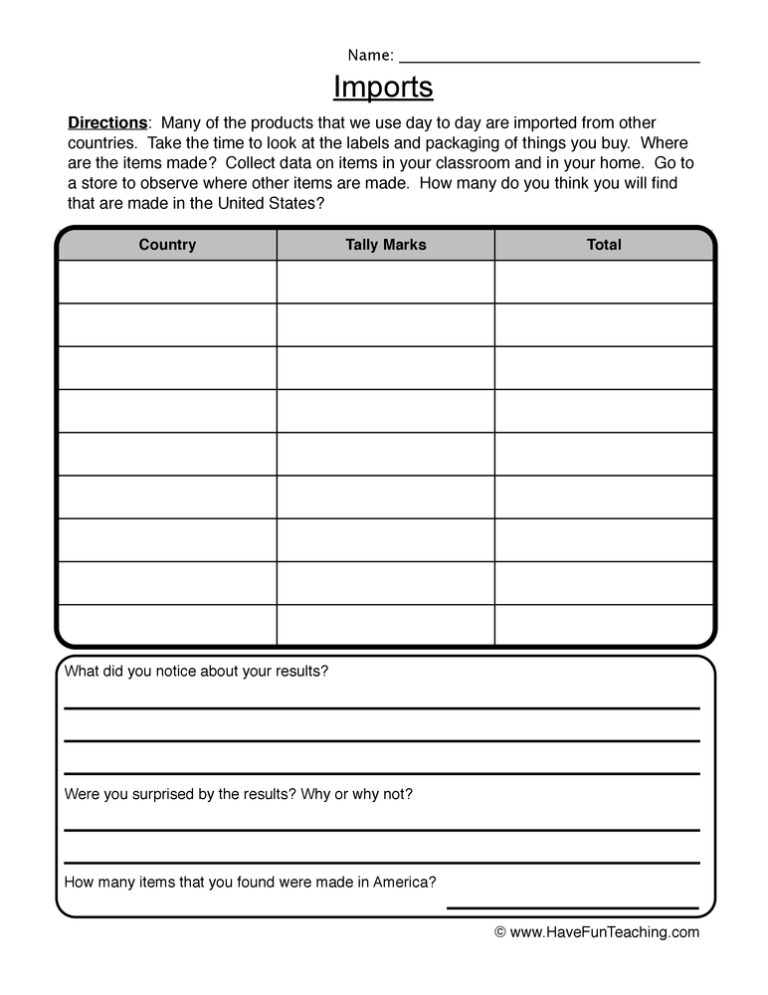
This Imports Worksheet has 3rd graders total a tally chart from a class label hunt and answer three questions about goods from other countries. An answer key is included for easy checking.
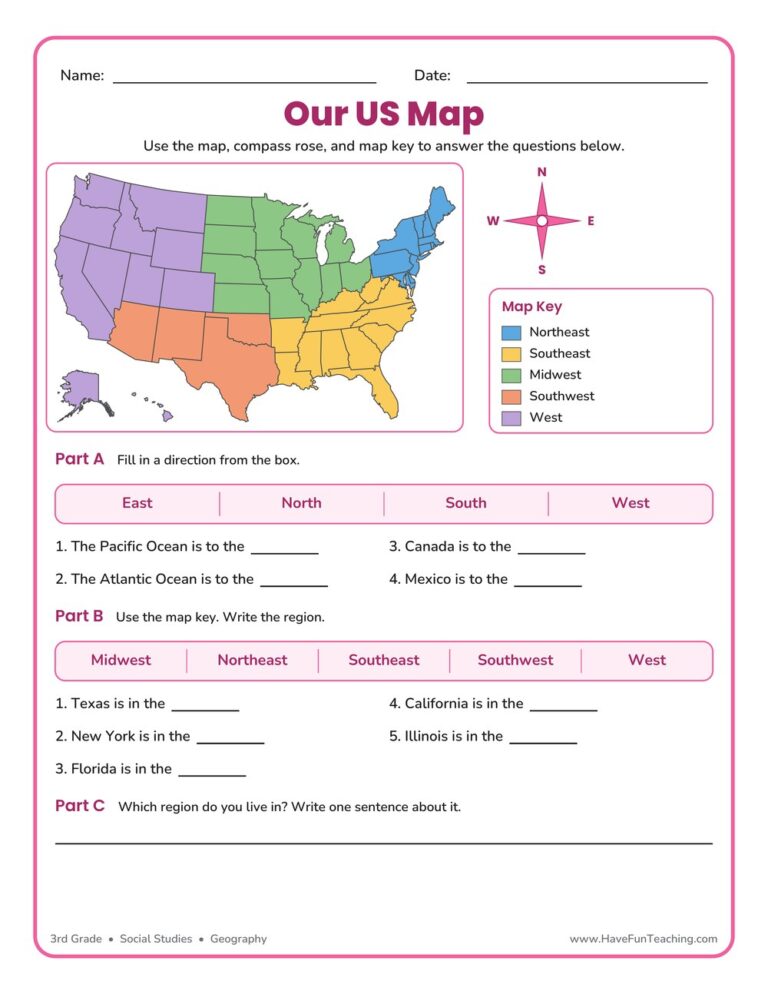
This US Map Worksheet helps 3rd grade students name the five regions of the United States, use a compass rose, and read a map key. An answer key is included, making map skills easy and fun to practice.
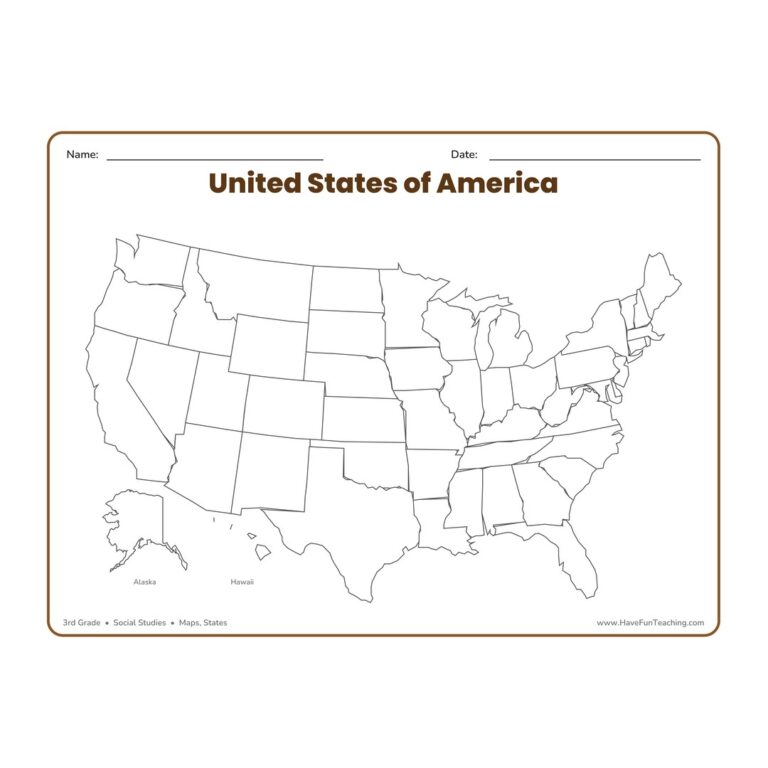
The United States Blank Map Worksheet gives 3rd graders a full, landscape outline map of the USA with all fifty states left blank and ready to label, color, or study for hands-on geography and map-skills practice.

This who what when where why graphic organizer worksheet helps 3rd graders record the five key details — who, what, when, where, and why — from any story or article. A clear, reusable note-taking template.
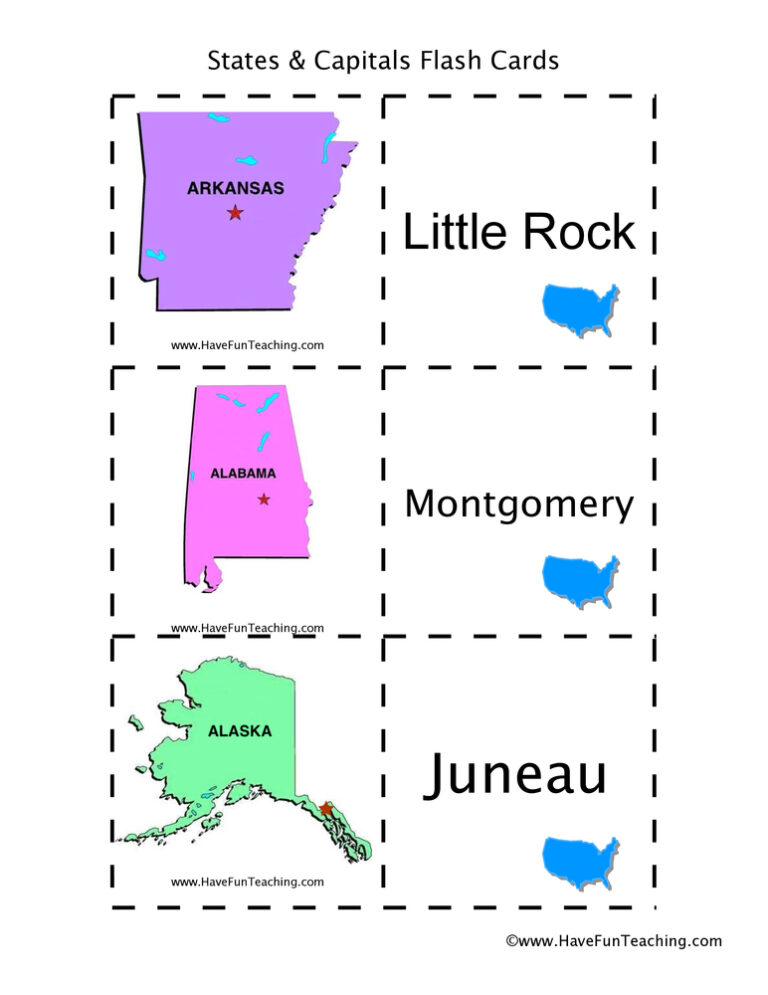
Using US States and Capitals Flash Cards, students memorize US State capitals by looking at a picture of the state.
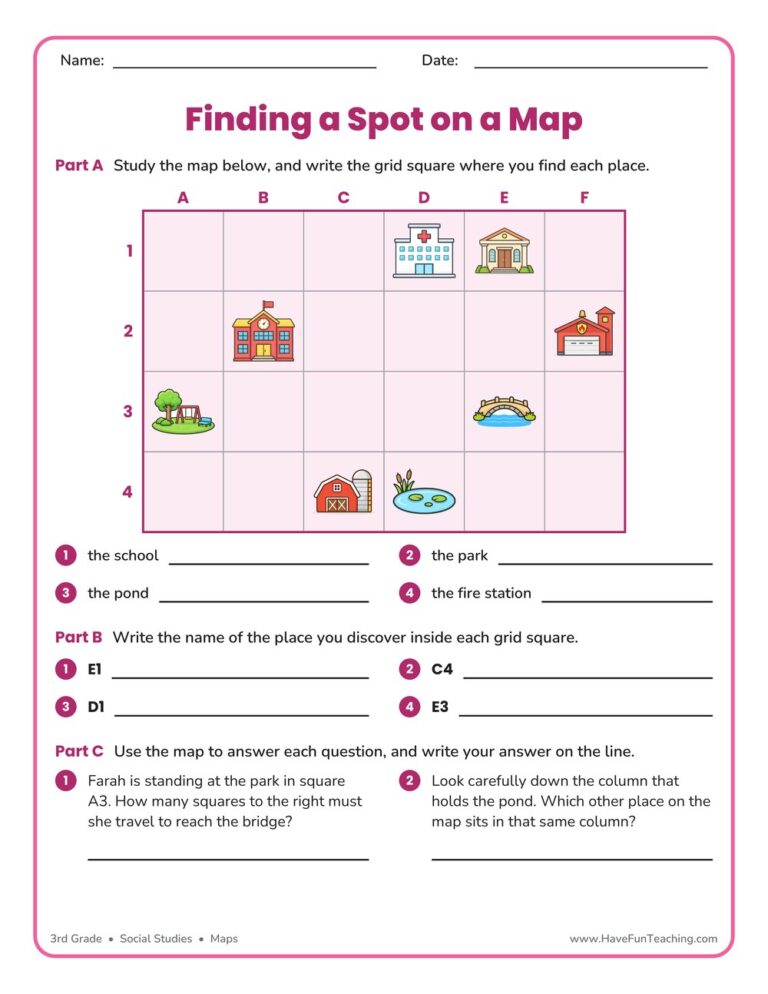
A finding a spot on a map worksheet for 3rd grade, built on one labeled town grid with place-to-square, square-to-place, and reasoning questions. Answer key included for quick no-prep map skills practice.
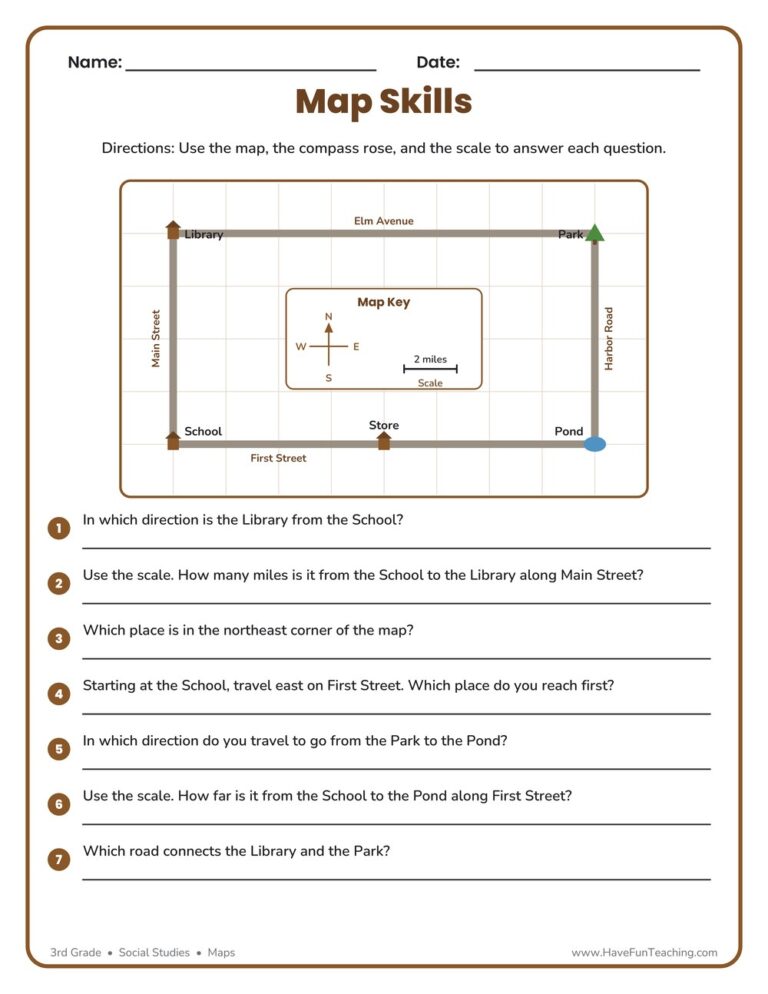
This Map Skills Worksheet gives 3rd graders a friendly town map for practicing the compass rose, legend, and scale to find places and measure distances. Includes a complete answer key for quick, no-prep social studies practice.




Reviews
There are no reviews yet