

Population Collection Worksheet
This population collection worksheet asks 3rd graders to total a school census chart and answer three questions about the data. An answer key is included, so children see right away how counting people describes a community.
$6.97
Or free with a membership — members pay $3.33/mo for all 10,000+ resources. See plans
Want this one free?
Tell us where to send it and it’s yours — no card, no catch.
One free resource per teacher. We’ll also send free teaching ideas each week — unsubscribe anytime.
Teaching is easier with a membership
Unlimited printables, games & videos for PreK–6th — for your classroom or homeschool. Cancel anytime.
Start your 3-day free trial$0 today · cancel anytime · Instant access to 10,000+ resources
About this resource
Description
Population is the total number of people in a place, and a census is how a community counts them. This population collection worksheet gives third graders a real reason to add: one school has been counted area by area, and the totals are missing. When a child fills those totals in, population stops being a vocabulary word and becomes something they can count, compare and explain.
This 3rd grade community worksheet opens with a census chart for a single school. Four areas run down the side, the main hall, the science wing, the art wing and the library, and each one lists the number of students, teachers and staff counted there. Students add across a row to find that area’s population, then add down each column to find the whole school’s totals. Three questions follow, asking which area has the fewest people, how many more people one area holds than another, and why counting people is worth doing. Work the first row together, then let students finish on their own. The answer key on page two carries every total and a model answer for the written question.
What’s Included
- 1 print-ready PDF worksheet
- Answer key
- A school census chart with eight totals to complete
- 3 questions about the data, including one short written response
There are three reasons this population collection worksheet helps children learn. First, the addition is real: every sum names a group of people rather than a number on its own, so the arithmetic carries meaning all the way to the answer. Second, reading a chart across the rows and down the columns is a data skill that tests ask for, and this page practises it without any extra explaining. Third, the last question asks a child to say why a count matters, which turns a quiet math page into a short conversation about how a community plans for the people in it.
Away from the page, take the census idea into the room. Count the class by tables and compare the totals, or count the adults who work in the building and add them to the student count. Older students can survey a hallway, a grade level or a lunch period and build a chart of their own. Families can count the people on their street, the pets in the house or the chairs at the table, then talk about what changes a population: new neighbours moving in, a new baby, a family moving away. A town sign that lists the population makes the word real on the next drive past it.
Related Resources
What teachers say
Reviews
You must be logged in to post a review.

This my culture worksheet gives 3rd graders a six-part chart for their own family's food, language, songs, and celebrations, plus two writing prompts about sharing culture in their community.
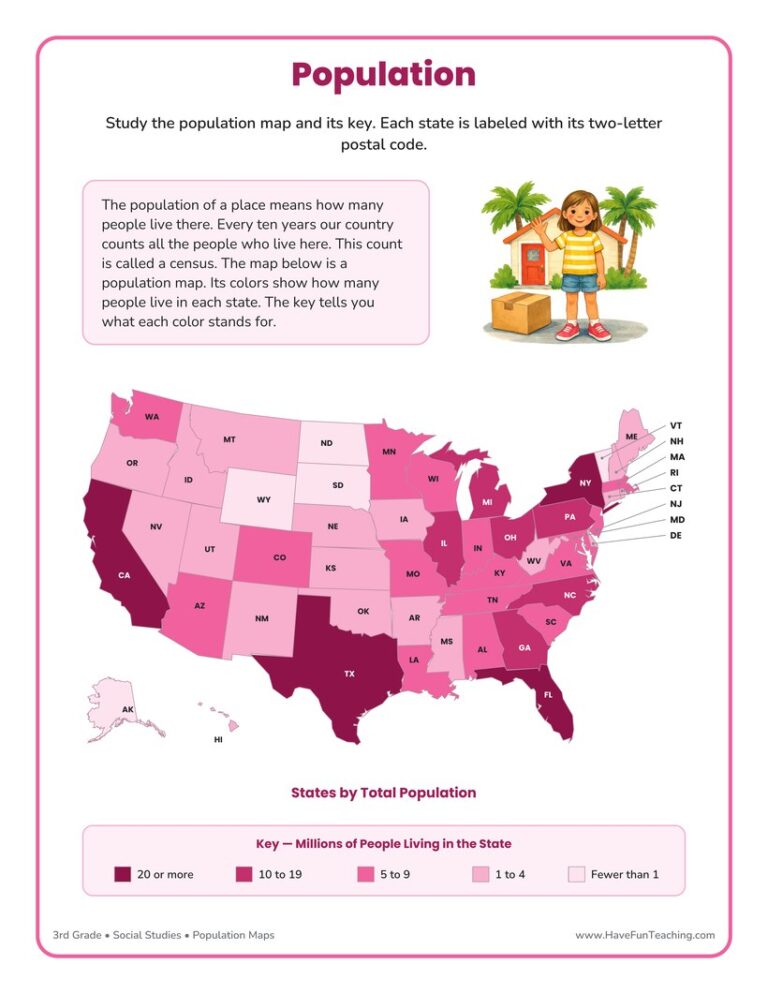
Students read a full-color U.S. population map worksheet, use the map key to compare states, and explain their thinking. Built for 3rd grade with a complete answer key - no-prep geography practice.
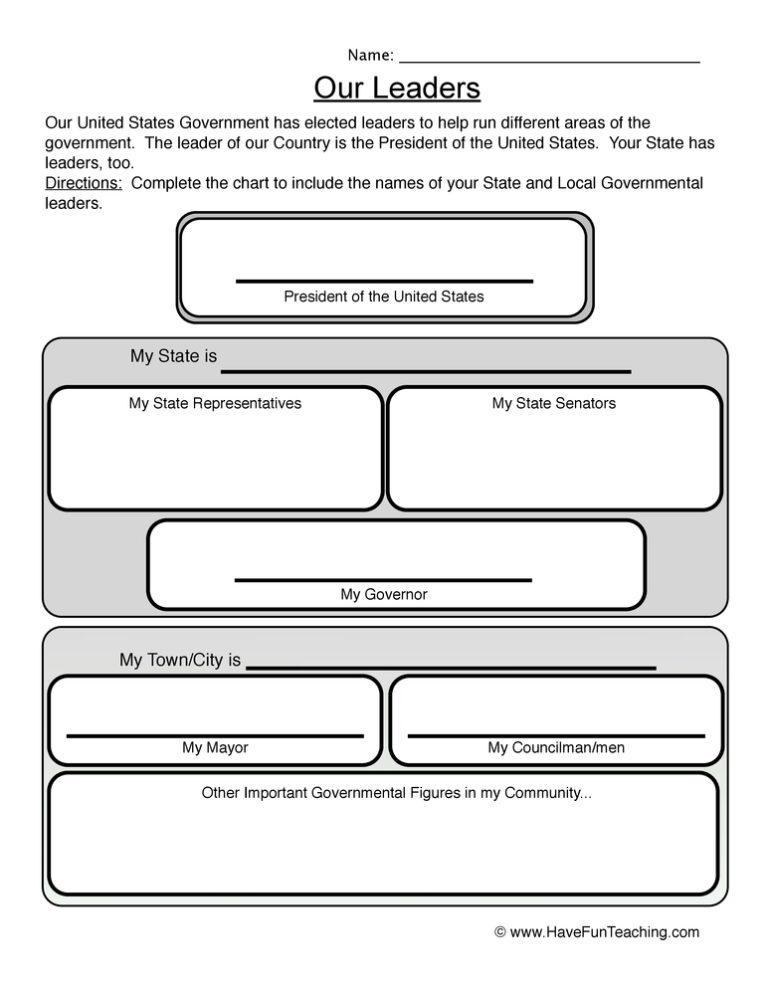
This Our Leaders Worksheet has 3rd graders match the President, governor, mayor, senator and judge to the people each one serves, then apply it to real situations. Answer key included for fast, no-prep civics practice.
The Community Song teaches kids how to be a good citizen in the community. This is a fun citizenship song that teaches kids about being a citizen and being part of their community.

Using the Going Green Song (Animated Music Video), students learn all about ways to reduce, reuse, and recycle and so much more through a catchy video!

This good citizenship worksheet has 3rd graders match six citizenship traits to their meanings, name the trait in three illustrated people examples, and explain their thinking. Answer key included for fast, no-prep character education practice.
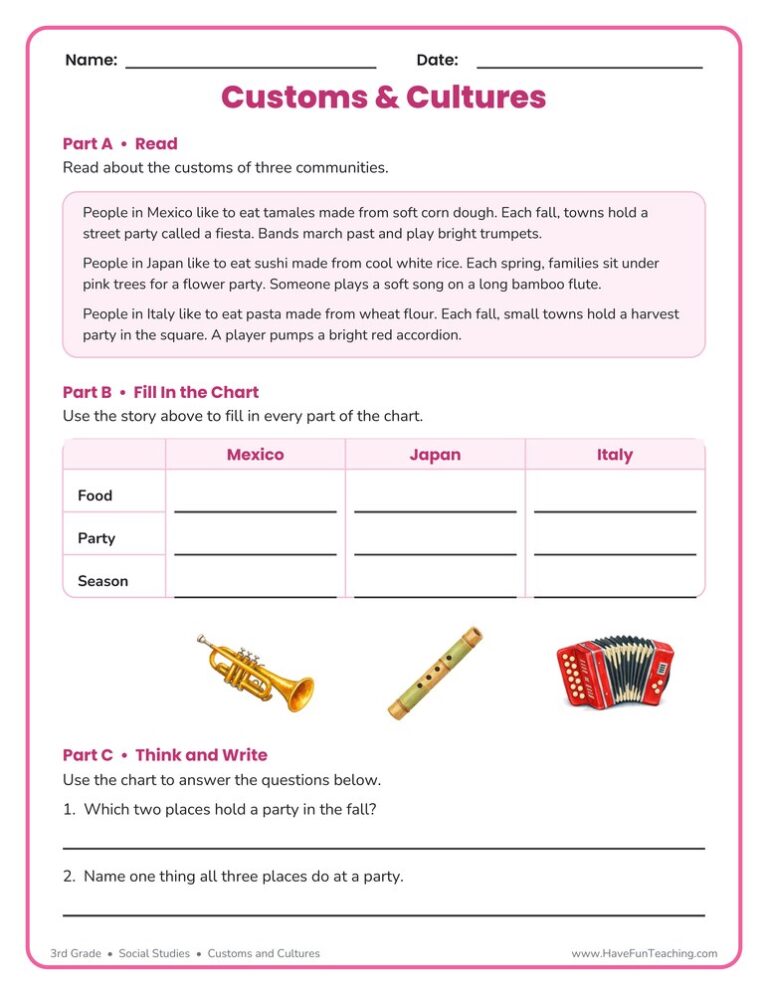
This Customs and Cultures Comparison Worksheet has 3rd graders read about three communities, then chart the food, party, and season for each one. Answer key included — an easy, no-prep way to practice comparing traditions.

Using the Caring Song, students learn how to care for others at home. This song will help build confidence and your kids will want to show kindness to others. Our students need a lot of practice and examples of how to treat each other kindly. This song will help your…

My Neighborhood Worksheet gives 3rd Grade students an on-level passage about neighborhoods, landmarks, and community workers, plus matching and writing practice. Answer key included, so checking work takes seconds.

This economy worksheet helps 3rd graders sort out producers, consumers, goods, and services with a word bank and a short town story. Answer key included, so it is ready for no-prep social studies practice.

Using Good Citizenship Examples Worksheet, students write examples of how to be a good citizen at home, school, and in the community.
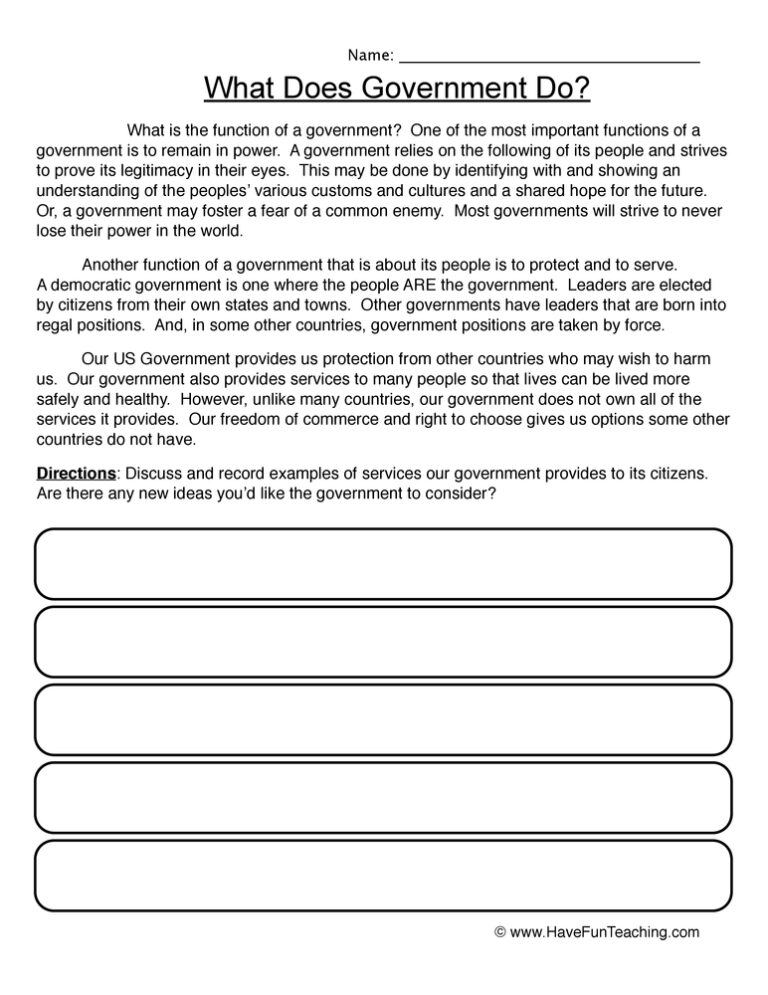
This Government Functions Worksheet asks 3rd grade students to finish four sentences about town services, then circle the three things a town pays for. An answer key is included for quick marking.
Reviews
There are no reviews yet