

Bill of Rights Worksheet
This Bill of Rights Worksheet gives 5th graders a plain-language Amendment Guide, then asks them to match real situations to the right amendment. Answer key included for fast, no-prep civics practice.
$6.97
Want this one free?
Tell us where to send it and it’s yours — no card, no catch.
One free resource per teacher. We’ll also send free teaching ideas each week — unsubscribe anytime.
Free teacher account · no credit card
Membership
Get every game, song, & printable
- Every game, on any device
- 10,000+ printables
- Assign online with HFT Classroom
Then $39.97/year · cancel anytime · See plans
- Instant digital download
- Printable PDF + answer key
- Made by real teachers
Teacher / Family membership
Teaching is easier with every resource
One membership for your whole year: 10,000+ worksheets, games, songs and videos for Preschool–6th, for your classroom or homeschool.
- Unlimited printables & downloads
- Every game, on any device
- Assign online with HFT Classroom
- Cancel anytime
Teacher / Family membership · 3 days free
Yearly
Monthly would be $119.64 a year
$3.33/month
Billed $39.97 once a year
You save $79.67 every year
Start My 3 Free Days$0 today · cancel anytime
Monthly
$9.97/month
Flexible, month to month
Yearly is just $3.33/mo. Switch and save $79.67
Start My 3 Free Days$0 today · cancel anytime
About this resource
Description
The Bill of Rights is the first ten amendments to the United States Constitution, and it is where American students first meet the idea that a government can be limited by written law. This Bill of Rights Worksheet introduces those ten amendments in plain language and then asks students to put them to work. Fifth graders learn the freedoms the Constitution protects, from speech and the press to fair trials and the powers kept by the states, and they practice deciding which amendment applies to a real situation.
This printable 5th grade government worksheet opens with an Amendment Guide that summarizes all ten amendments in student-friendly wording. Students read six short situations and write the number of the amendment that protects the right described, then answer three written response questions using the guide as evidence. Use it after a Constitution lesson, as a review before a social studies test, or as an independent civics center activity.
What’s Included
- 1 print-ready PDF worksheet
- Answer key
- An Amendment Guide summarizing all ten amendments
- 6 apply-the-amendment situations
- 3 written response questions
Three things make this Bill of Rights Worksheet effective. First, the Amendment Guide keeps the reference material right on the page, so students spend their thinking on application instead of memorization. Second, the six situations are everyday scenarios rather than textbook definitions, which is exactly how state assessments ask students about civics. Third, the written response section pushes students past recall and asks them to explain and defend an answer using evidence from the text.
Teachers and parents can extend the lesson in simple ways. Ask students to rewrite one amendment as a classroom rule, or to draw a quick comic strip showing an amendment in action. Hold a short class discussion about which amendment students would defend first and why. Pair the worksheet with a timeline of 1787 to 1791 so students see how the Constitution and the Bill of Rights connect, or have small groups write their own eleventh amendment and present it to the class.
Related Resources
What teachers say
Reviews
You must be logged in to post a review.
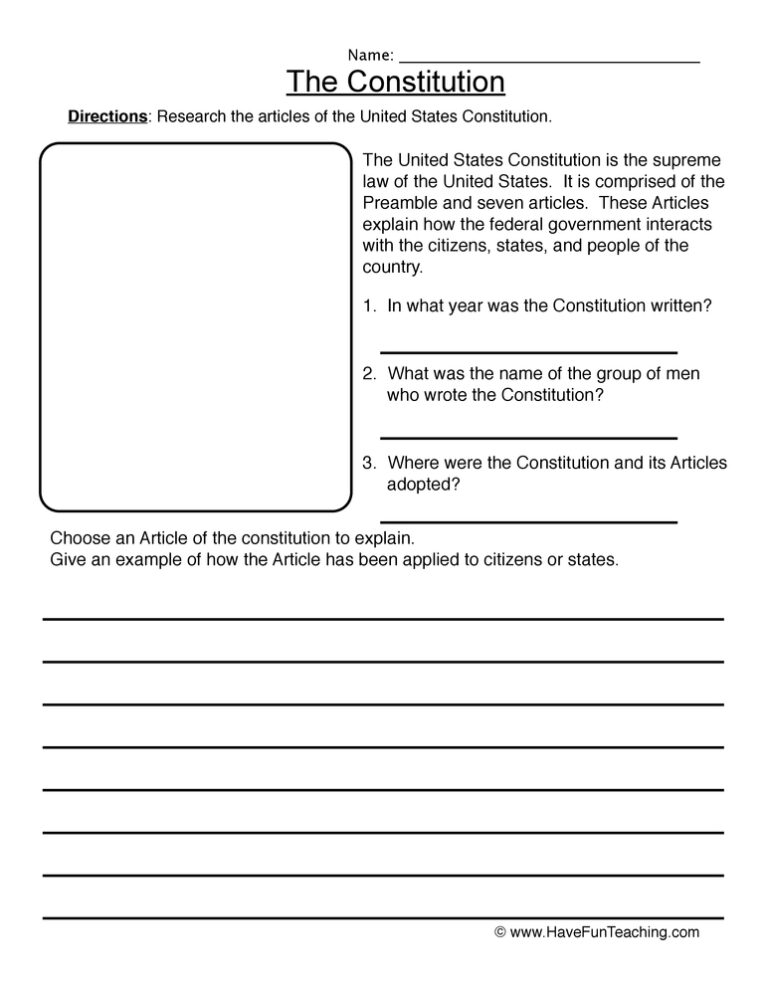
This Constitution Worksheet gives 5th grade students word bank, matching, and short answer practice on the Preamble, the Framers, amendments, and the three branches of government. Answer key included for fast, no-prep civics review.

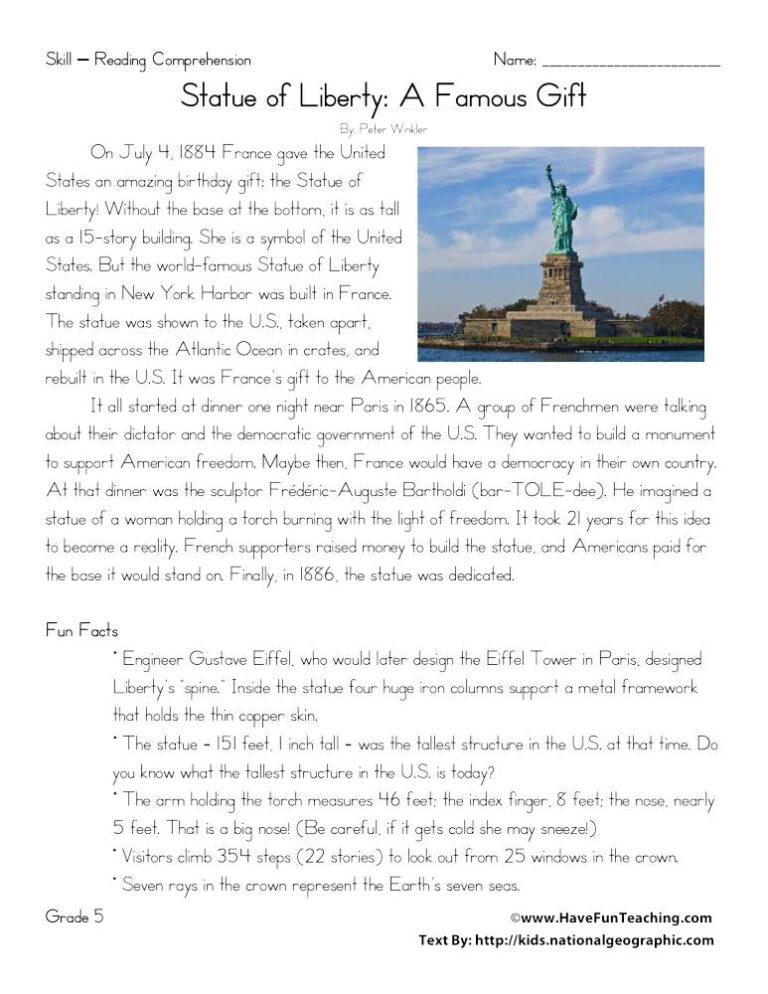
The Statue of Liberty: A Famous Gift Reading Comprehension Worksheet gives 5th Grade readers a two-page true story plus six text-evidence questions, answer key included, so comprehension practice feels like real history.

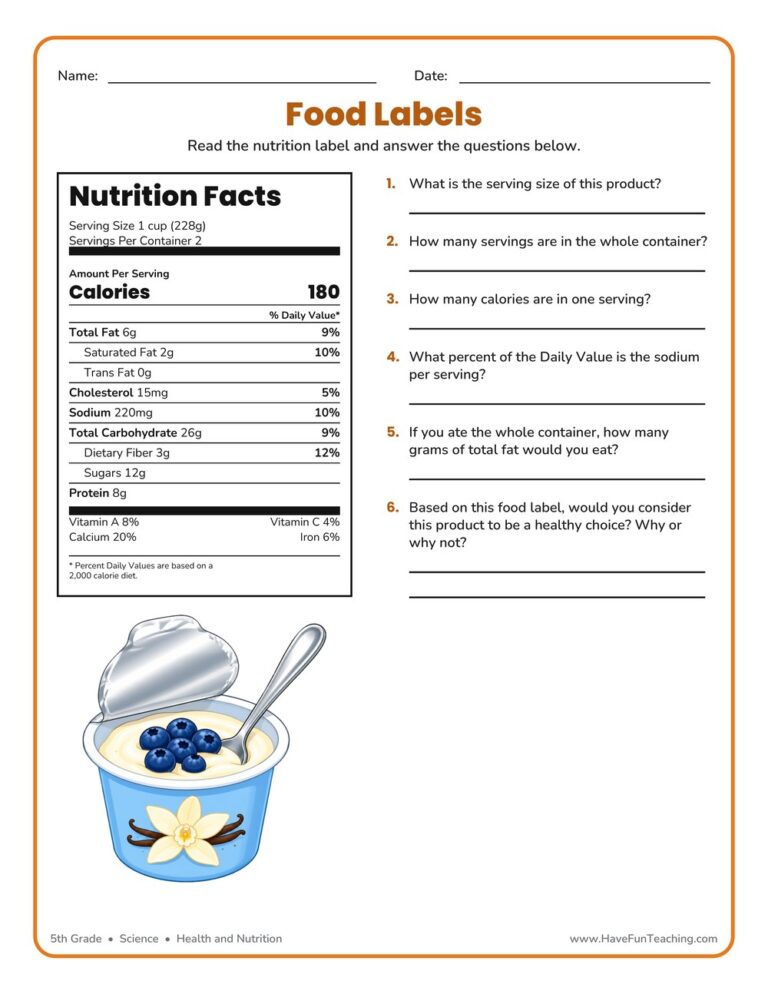
A 5th grade reading food labels worksheet where students study a real Nutrition Facts panel to find serving size, calories, and daily values. Includes a complete answer key for fast, no-prep nutrition practice.
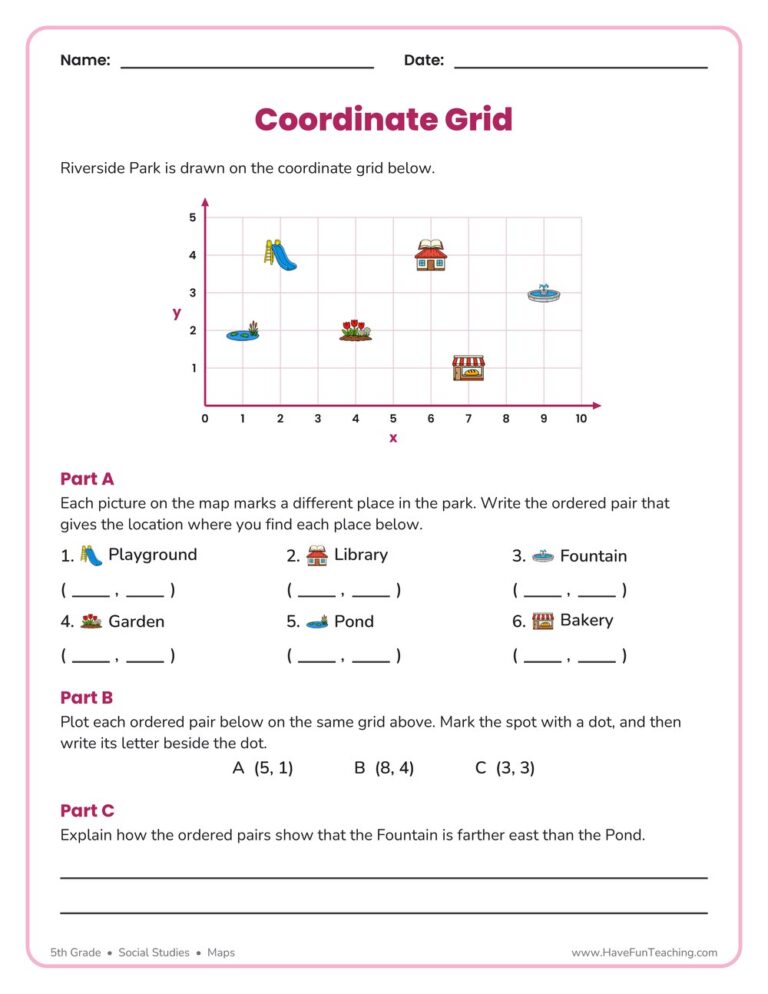
This Coordinate Grid Map Location Worksheet has 5th graders name, plot, and compare places on a park map using ordered pairs. An answer key is included, so grid map skills get real practice with no prep.
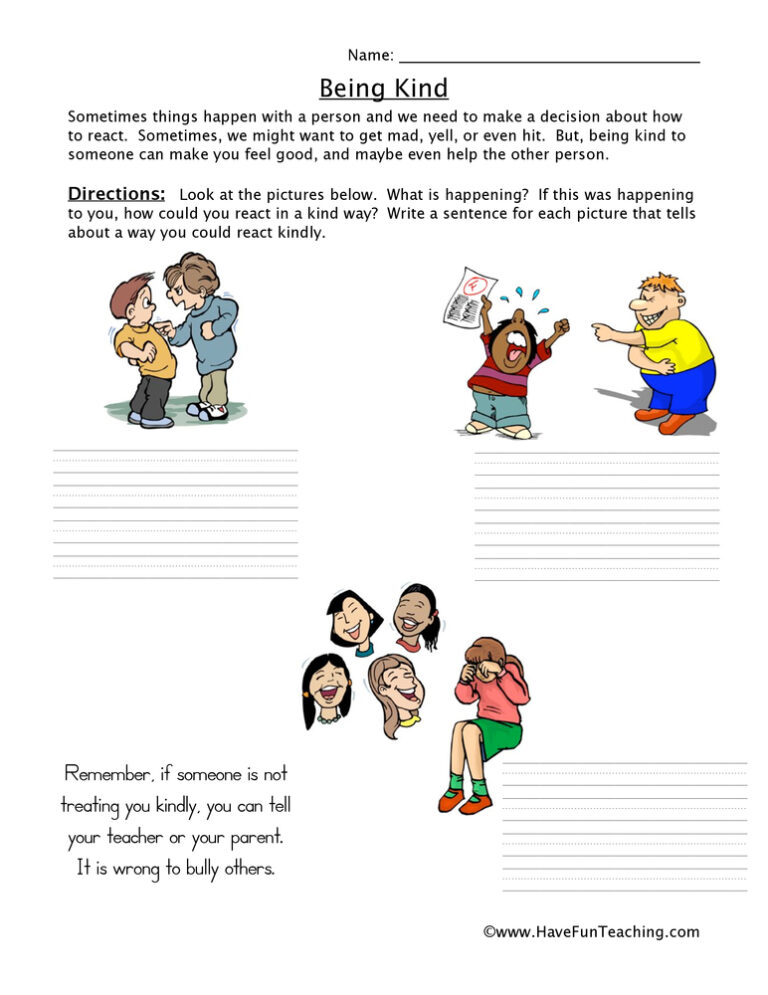
Using this Bullying Worksheet, students write a description explaining how the person could have reacted in a kind way rather than a mean way.
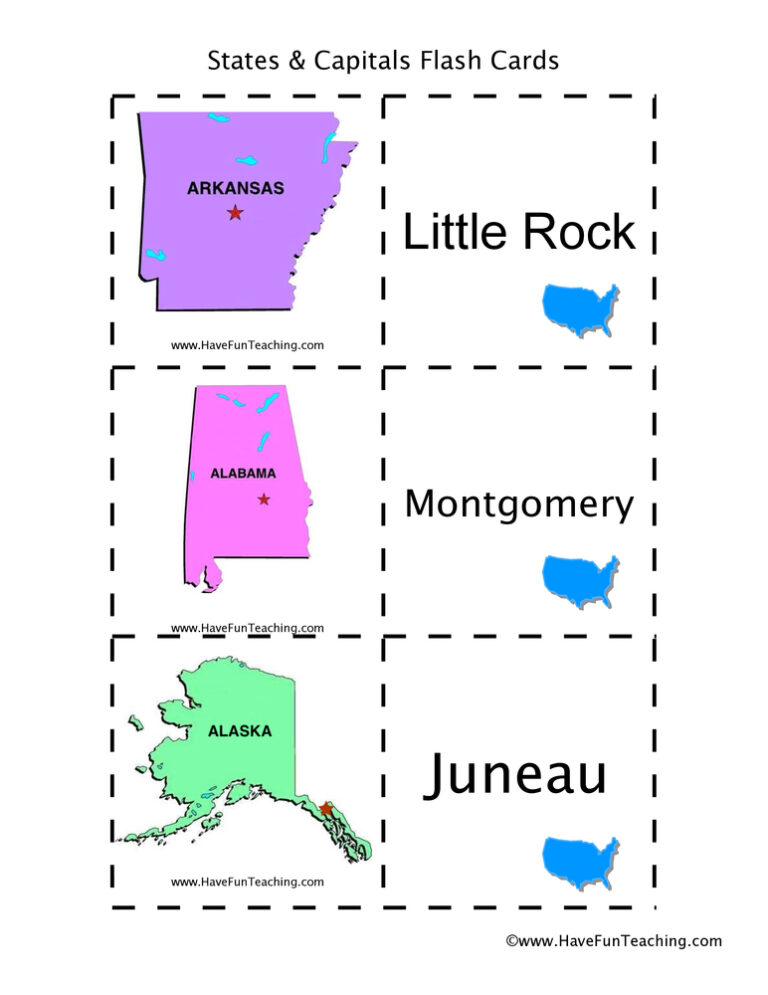
Using US States and Capitals Flash Cards, students memorize US State capitals by looking at a picture of the state.

The Community Song teaches kids how to be a good citizen in the community. This is a fun citizenship song that teaches kids about being a citizen and being part of their community.
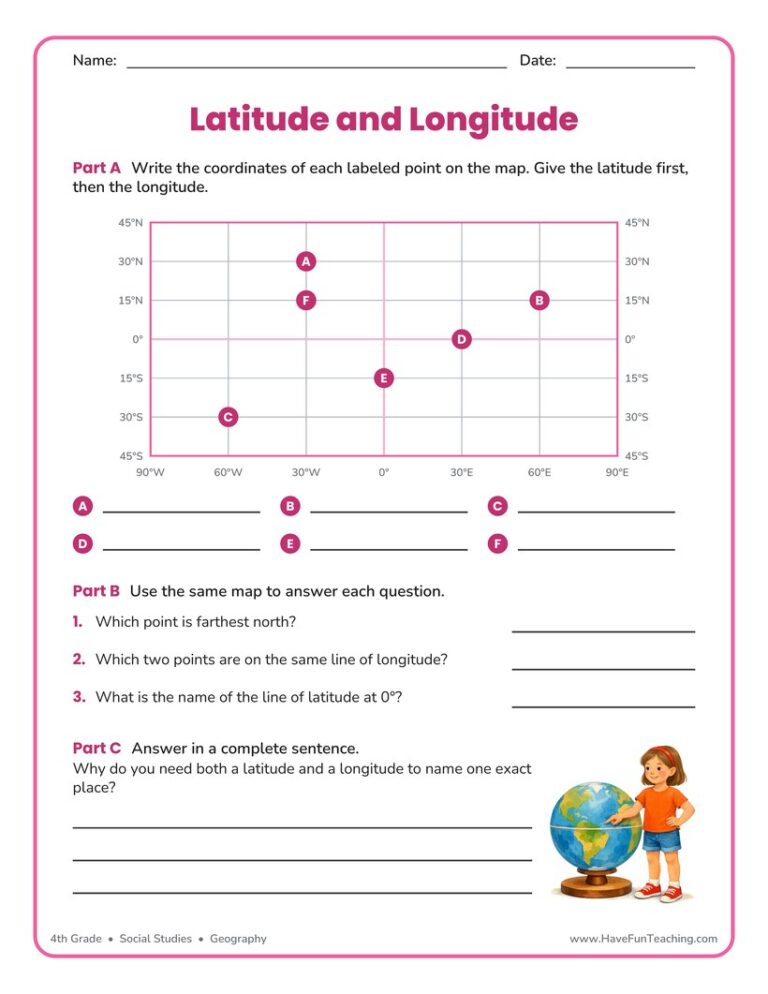
This using latitude and longitude worksheet has 5th grade students read coordinates from a grid map, plot two new points, and explain the Equator. Answer key included for quick checking.


Using the Going Green Song (Animated Music Video), students learn all about ways to reduce, reuse, and recycle and so much more through a catchy video!




Reviews
There are no reviews yet