

Cells Worksheet
This cells worksheet has 5th graders sort eight living things into unicellular and multicellular columns, then use clues to classify four more. An answer key is included, so science practice is ready to print and grade in minutes.
$6.97
Or free with a membership — members pay $3.33/mo for all 10,000+ resources. See plans
Want this one free?
Tell us where to send it and it’s yours — no card, no catch.
One free resource per teacher. We’ll also send free teaching ideas each week — unsubscribe anytime.
Teaching is easier with a membership
Unlimited printables, games & videos for PreK–6th — for your classroom or homeschool. Cancel anytime.
Start your 3-day free trial$0 today · cancel anytime · Instant access to 10,000+ resources
About this resource
Description
Every living thing on Earth is built from cells, and this cells worksheet gives fifth graders a clear, hands-on way to see that idea in action. Some organisms are made of a single cell that carries out every job on its own, while others are built from millions of cells working together as tissues, organs, and whole bodies. Learning to tell those two groups apart is a foundation of life science, and it is the exact skill this page practices.
This unicellular and multicellular worksheet opens with a simple picture legend: one circle stands for a single-celled living thing, and a cluster of circles stands for a many-celled one. Students then read a word box of eight living things and write each one in the correct column of the chart. In the second part they read four clues, decide how many cells the living thing has, and copy the matching science term onto the line. Print it for morning work, a science center, homework, or a quick check before a unit test.
What’s Included
- 1 print-ready PDF worksheet
- Answer key
- An eight-word sorting chart and four two-part clue questions
This cells worksheet helps students in three ways. First, the sorting chart turns an abstract vocabulary pair into a decision a child can actually make about familiar living things such as yeast, cactus, mushroom, and earthworm. Second, the clue questions ask for evidence instead of recall: a plant with deep roots, a woody trunk, and thousands of leaves has to be built from many cells, and that kind of reasoning is what a state science test asks for. Third, writing each answer by hand fixes the spelling of two words students often mix up.
Teachers and parents can stretch the lesson well beyond the page. Look at pond water or a thin slice of onion under a classroom microscope and ask students which column the sample belongs in. Build a model living thing out of interlocking blocks so children can count the parts that make one body. Start a classroom chart and add a new living thing to it each day. You can also ask students to name three body parts of any animal they choose and explain why each part is proof that the animal is multicellular.
Related Resources
What teachers say
Reviews
You must be logged in to post a review.
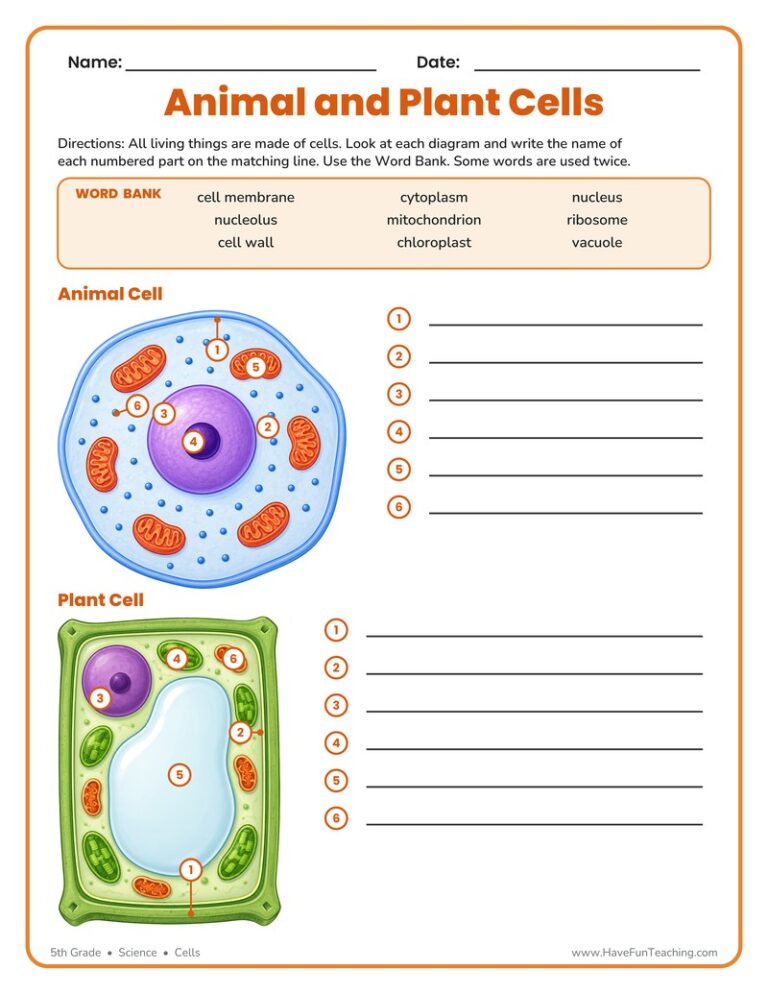
This Animal and Plant Cells Worksheet asks 5th grade students to label the organelles of an animal cell and a plant cell using a word bank. Answer key included for fast, no-prep science review.

Using this Animal Song (Animated Music Video), your students learn about different types of animals and their sounds by watching this fun, catchy video.
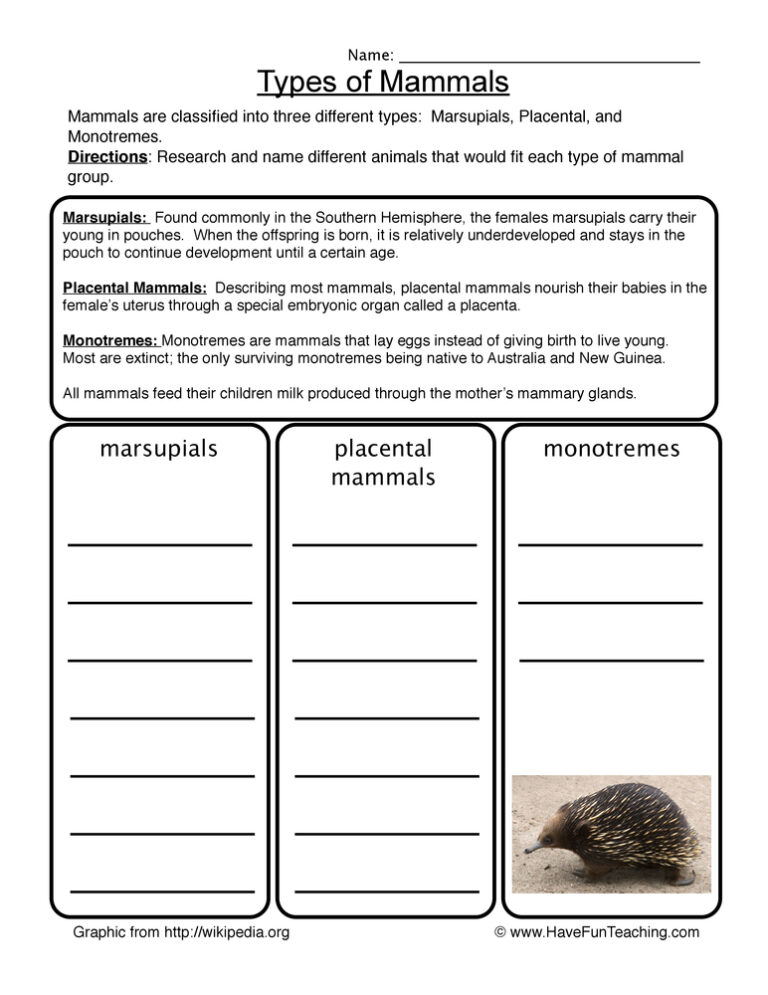
A three-part mammals worksheet that has 5th graders define, sort, and explain the three mammal groups: marsupials, placental mammals, and monotremes. Answer key included for fast, no-prep science practice.

This mammal taxonomy worksheet has 5th grade students use a gray wolf model and word endings to classify a lion from kingdom to species. Includes an answer key and four chart questions.
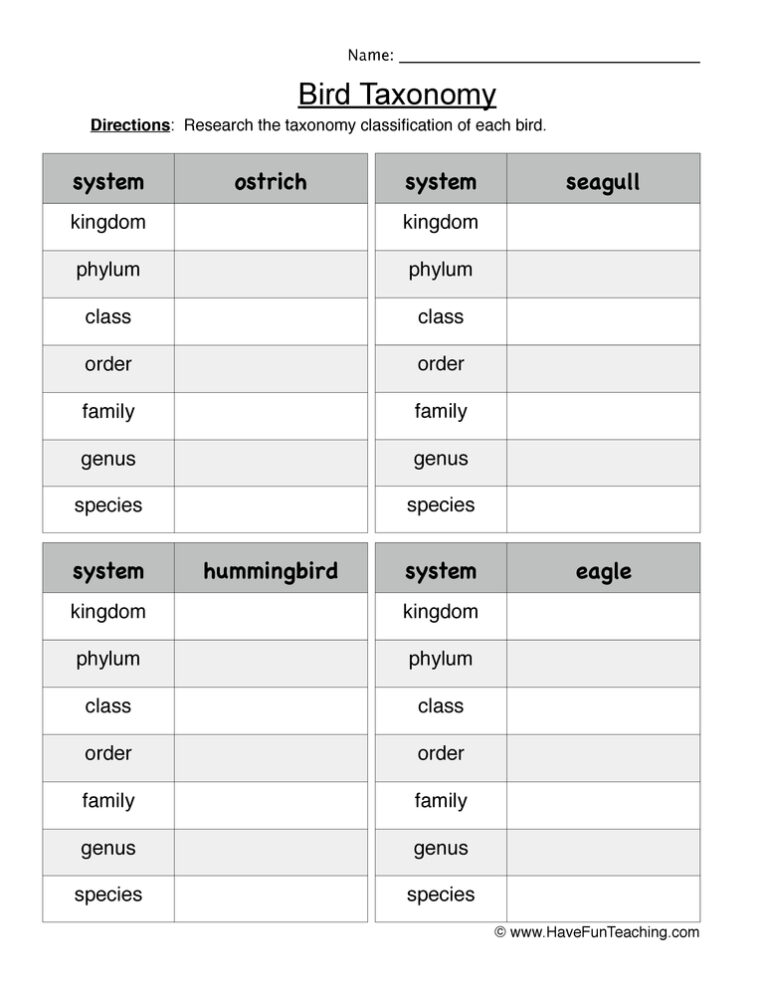
This bird taxonomy worksheet has 5th grade students use a bald eagle model and word endings to classify a hummingbird from kingdom to species. Includes an answer key and four chart questions.

This Insect Taxonomy Worksheet gives 5th Grade students a finished honey bee chart to classify a monarch butterfly beside it, plus four questions and an answer key, so taxonomy becomes reasoning instead of memorizing.

This Wild Animal Shelter Reading Comprehension Worksheet gives 5th graders an original story about a wildlife sanctuary, plus multiple-choice and written-response questions. An answer key is included, so checking work takes seconds.
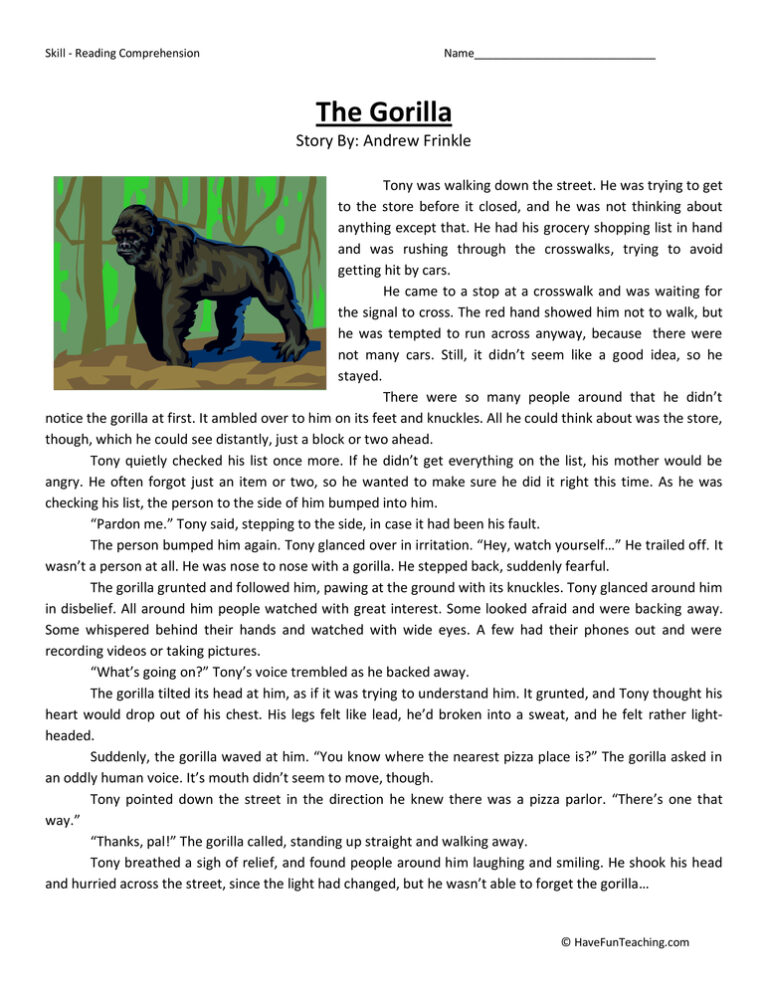
This Gorilla Reading Comprehension Worksheet gives 5th Grade students a two-page nonfiction article about mountain gorillas, four multiple-choice questions, a written response, and an answer key, so readers practice finding evidence in a longer text.
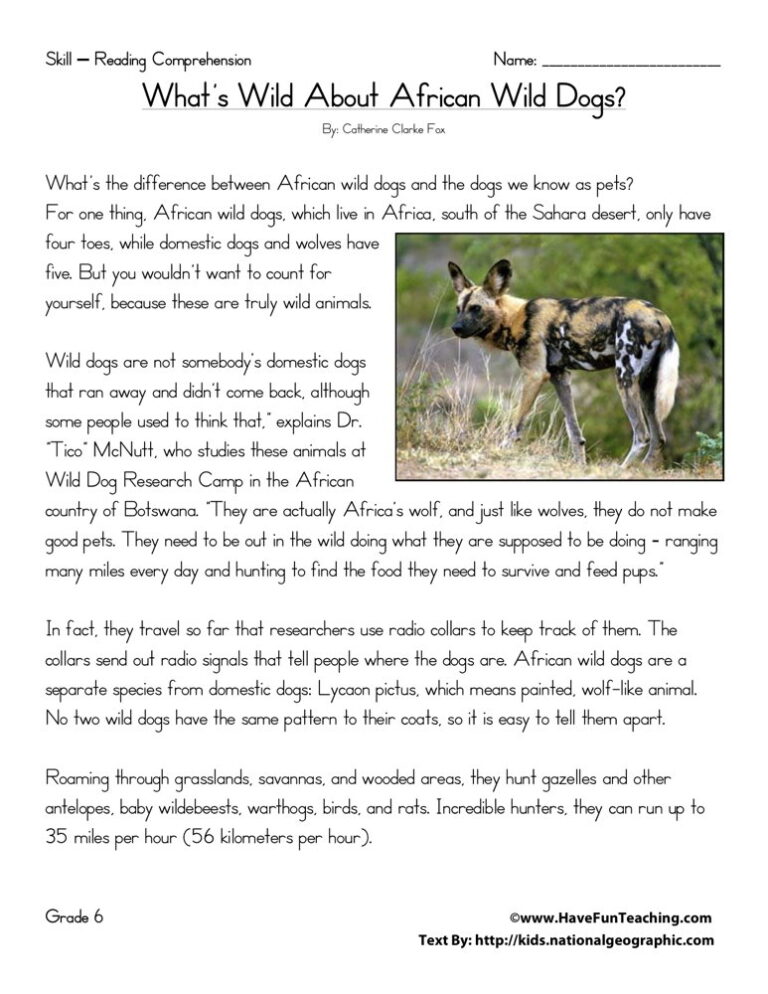
This What's Wild About African Dogs Reading Comprehension Worksheet gives 5th graders a two-page nonfiction passage, four multiple-choice questions and a written response. An answer key is included for quick, no-prep practice.
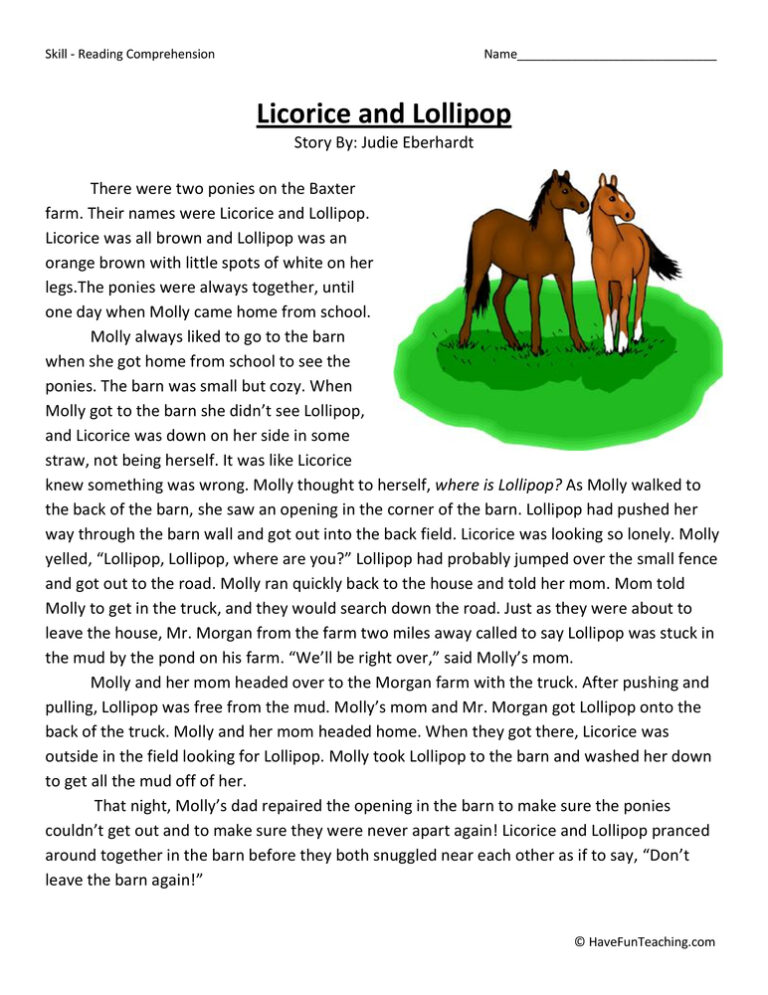
This Licorice and Lollipop Reading Comprehension Worksheet gives 5th Grade students a two-page story about two ponies and a summer storm, five questions and an answer key, so reading practice is ready to hand out.

Using this Fish Taxonomy Worksheet, students will be able to write the taxonomy classification for each example of fish.
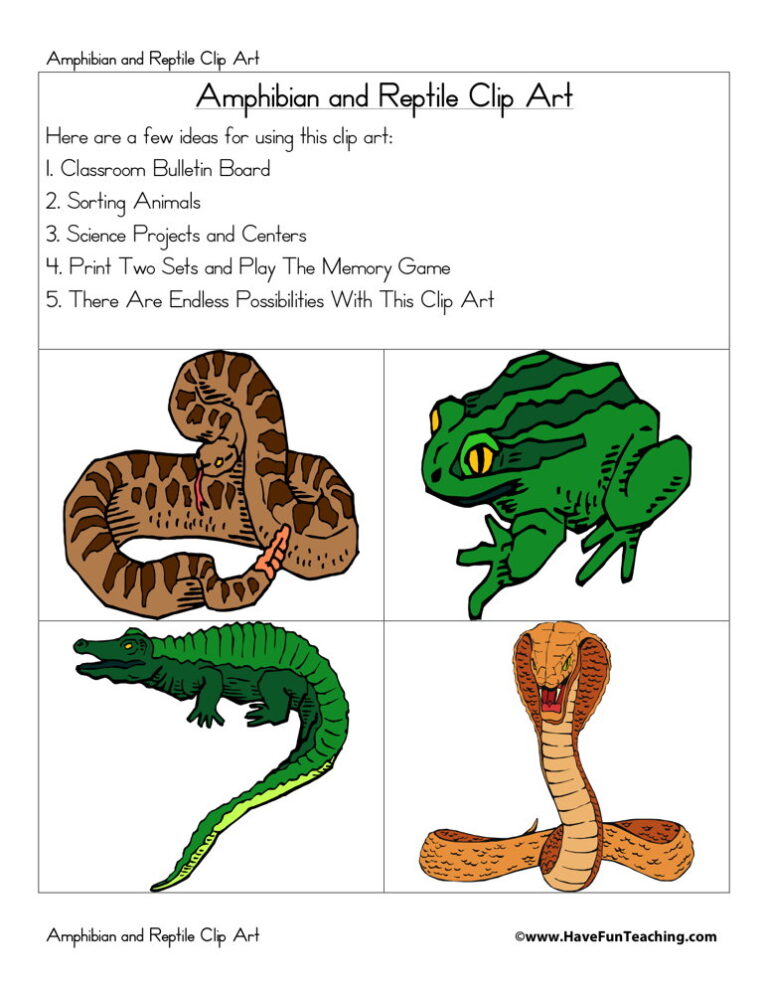
This Amphibians and Reptiles Clip Art is a perfect addition to any bulletin board, flyer, or other printable that you create to teach the amphibians and reptiles.




Reviews
There are no reviews yet