

Choosing Homophones Worksheet
The Choosing Homophones Worksheet asks third grade students to pick, correct and use tricky homophone pairs in real sentences. An answer key is included, so checking the whole class takes seconds.
$6.97
Or free with a membership — members pay $3.33/mo for all 10,000+ resources. See plans
Want this one free?
Tell us where to send it and it’s yours — no card, no catch.
One free resource per teacher. We’ll also send free teaching ideas each week — unsubscribe anytime.
Teaching is easier with a membership
Unlimited printables, games & videos for PreK–6th — for your classroom or homeschool. Cancel anytime.
Start your 3-day free trial$0 today · cancel anytime · Instant access to 10,000+ resources
About this resource
Description
Homophones are the words that make a careful reader slow down. They sound exactly alike, they are spelled differently, and only the meaning of the sentence says which one belongs. The Choosing Homophones Worksheet gives third grade students five sentences where the right word has to be picked by meaning, not by sound: pear or pair, waist or waste, hare or hair, knot or not, meat or meet. Because both choices sound correct when the sentence is read aloud, a student has to think about what the sentence is actually saying.
This 3rd grade homophones worksheet works in three steps that build on one another. In Part A students write the homophone that completes each sentence on the line. In Part B every sentence already carries the wrong homophone, so students cross it out and write the correct spelling beside it. In Part C they choose one word from a pair and write a sentence of their own, which shows whether they can use the word and not only recognize it. Print one copy per student for morning work, a spelling center, or a quick check before a unit test.
What’s Included
- 1 print-ready PDF worksheet
- Answer key
- 5 sentence choices, 4 correct-the-error items, and 1 writing prompt
There are three reasons the Choosing Homophones Worksheet helps children learn this skill. First, every item is a full sentence, so meaning is the only clue available and guessing by sound stops working. Second, the correcting section asks students to spot a mistake rather than fill a blank, which is the harder and more useful version of the same skill. Third, the writing prompt at the end moves the word from recognition into use, where spelling errors actually happen.
Teachers and parents can keep this going all week. Start a homophone wall and add a new pair each day as students find them in books. Ask children to draw both meanings of one pair side by side, since a picture of a hare next to a picture of hair is hard to forget. Read a sentence aloud with the wrong word in it and let the class catch the mistake. Keep a short list of the pairs each student misses and revisit those before the next spelling test.
Related Resources
What teachers say
Reviews
You must be logged in to post a review.
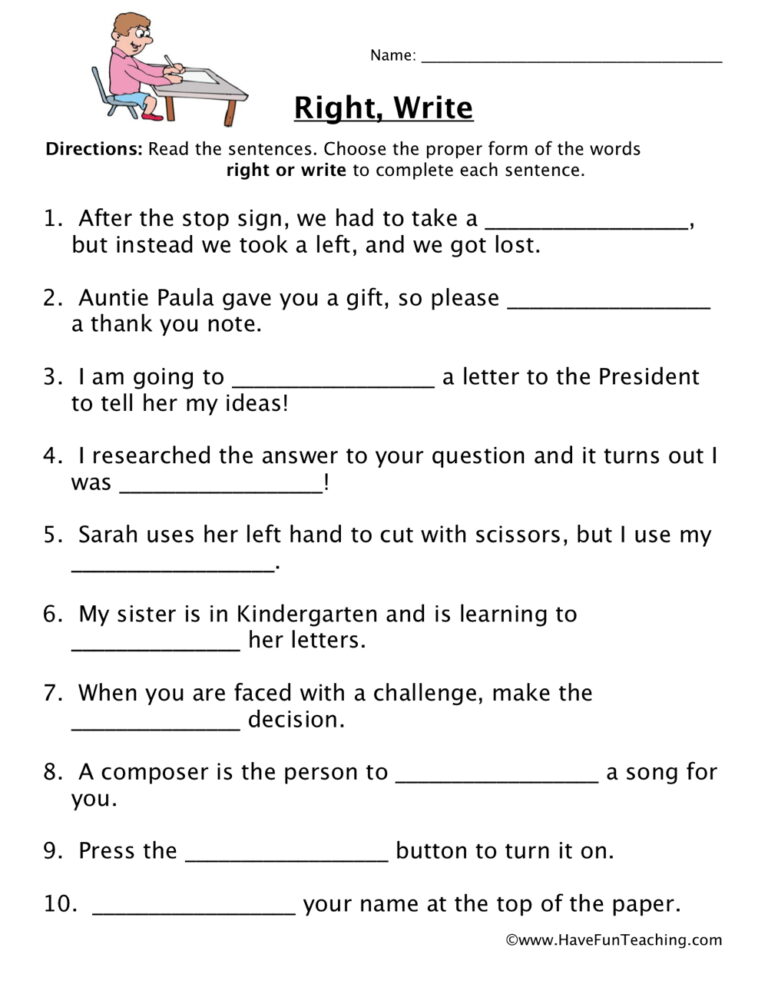
A right write homophones worksheet that helps 3rd graders pick between right and write using sentence context, repair misused words, and build sentences of their own. Answer key included for quick, no-prep practice.

This homophones crossword puzzle worksheet asks 3rd graders to choose between sound-alike word pairs, then check every answer in an interlocking puzzle. An answer key is included, so practice stays quick and independent.
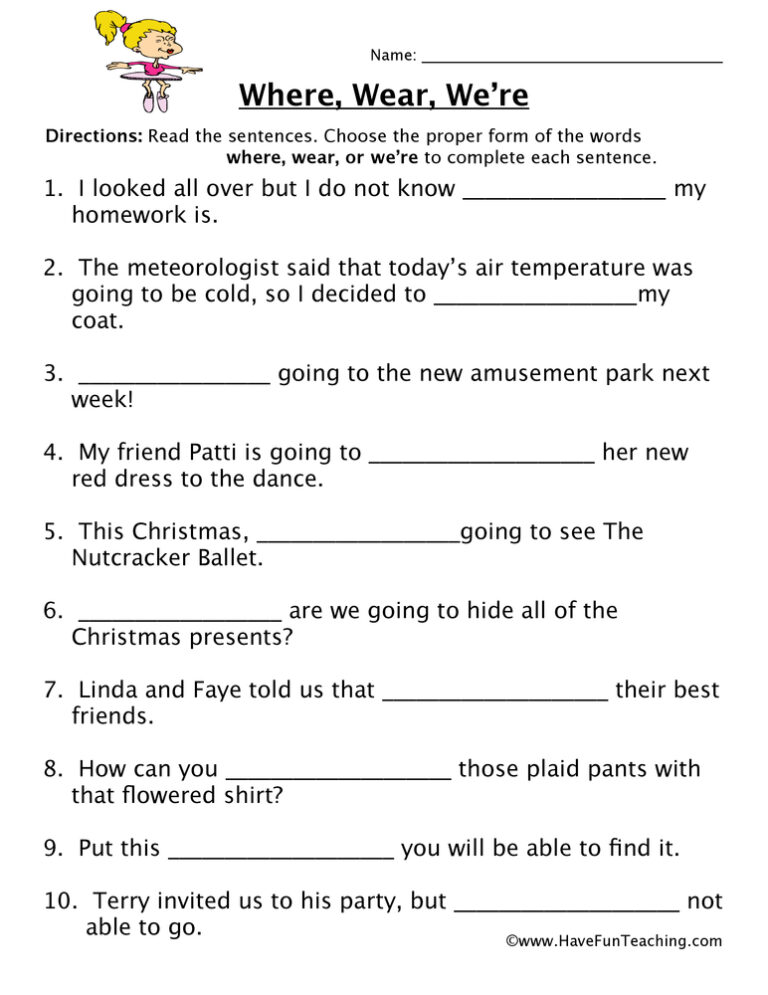
This where, wear, we're homophones worksheet gives 3rd graders six context sentences to complete and three sentences of their own to write. Answer key included for quick, no-prep word study.
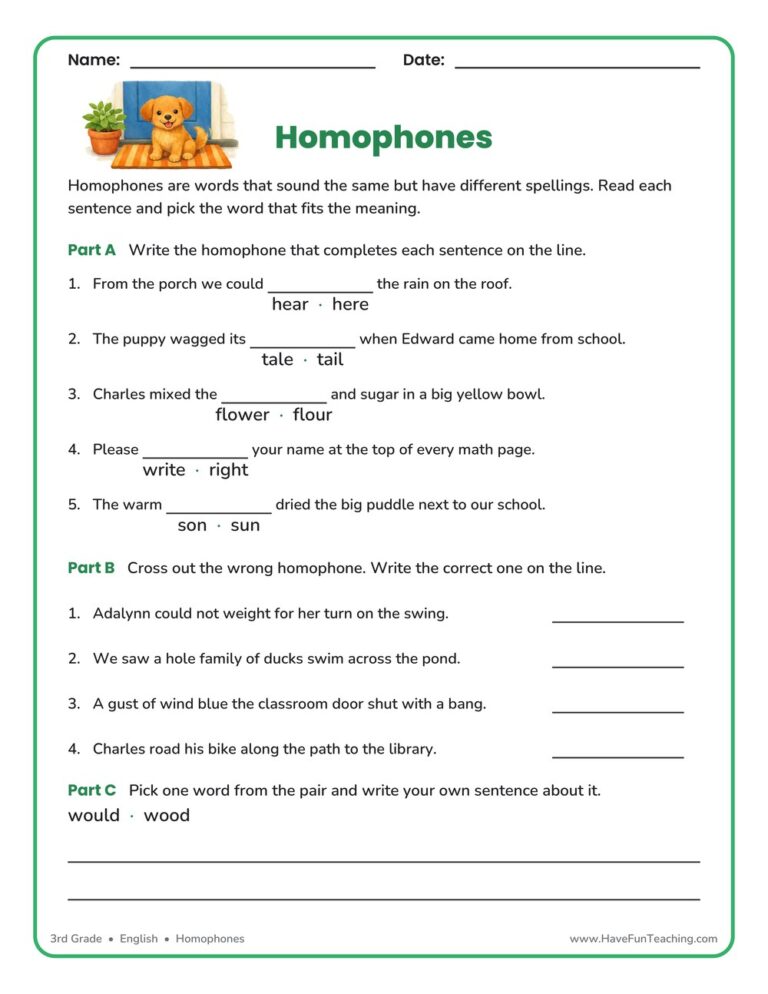
This Homophones Fill in the Blank Worksheet gives 3rd Grade students practice choosing the correct homophone in real sentences, fixing common mistakes, and writing their own. Answer key included.
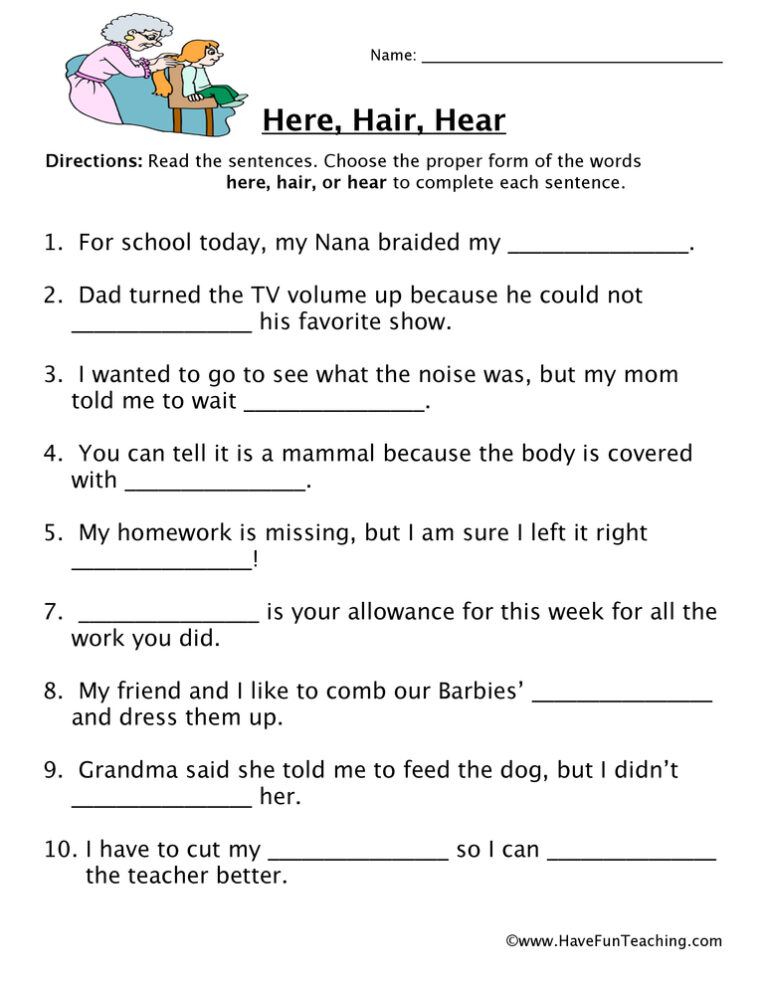
The Here, Hair, Hear Homophones Worksheet gives 3rd graders three ways to practice one tricky word set: choose it, fix it, then use it. An answer key is included, so checking takes seconds.
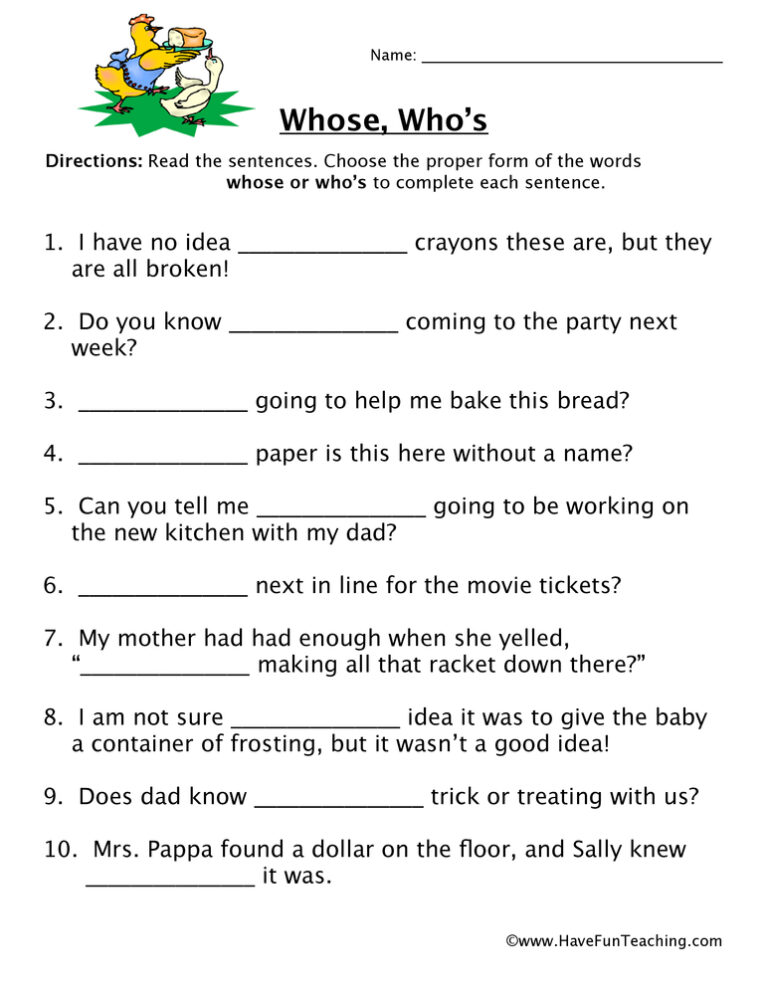
This whose, who’s homophones worksheet gives 3rd graders eight sentences plus a proofreading challenge to master the difference. Answer key included for fast, no-prep grammar practice.

The Multiple Meanings Words Worksheet gives 3rd Grade students eight context sentences and four clue items on words that carry two meanings, with an answer key, so choosing the right meaning becomes automatic.
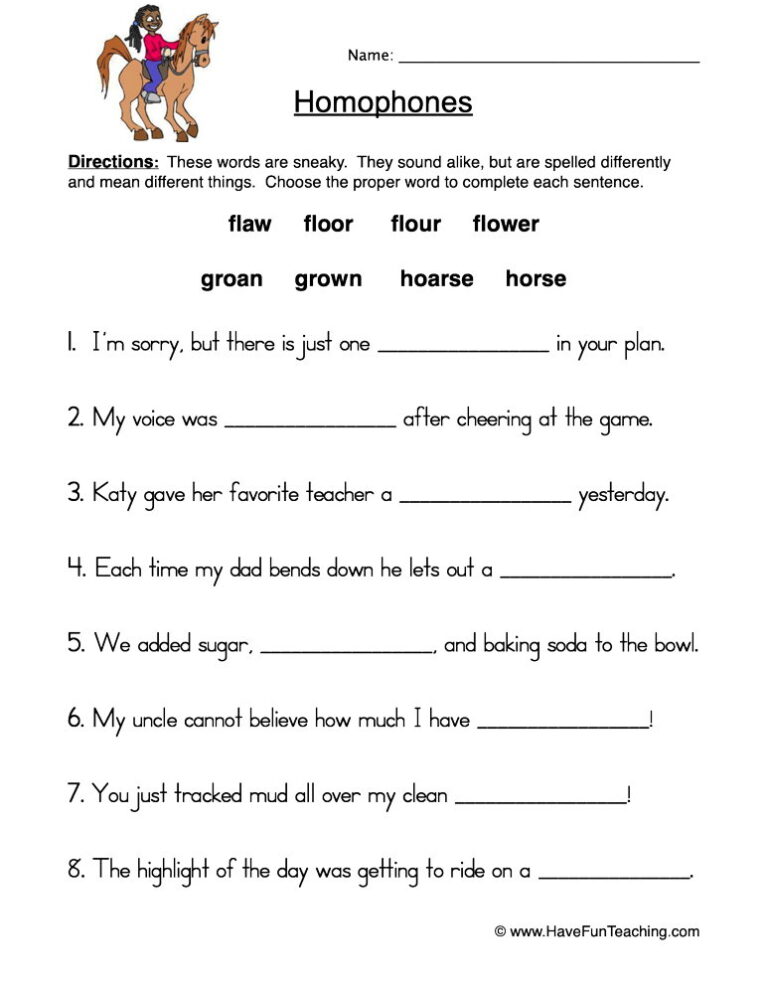
This completing sentences with homophones worksheet lets 3rd graders choose, correct, and use nine homophone pairs in real sentences. An answer key is included, so checking work is quick and easy.
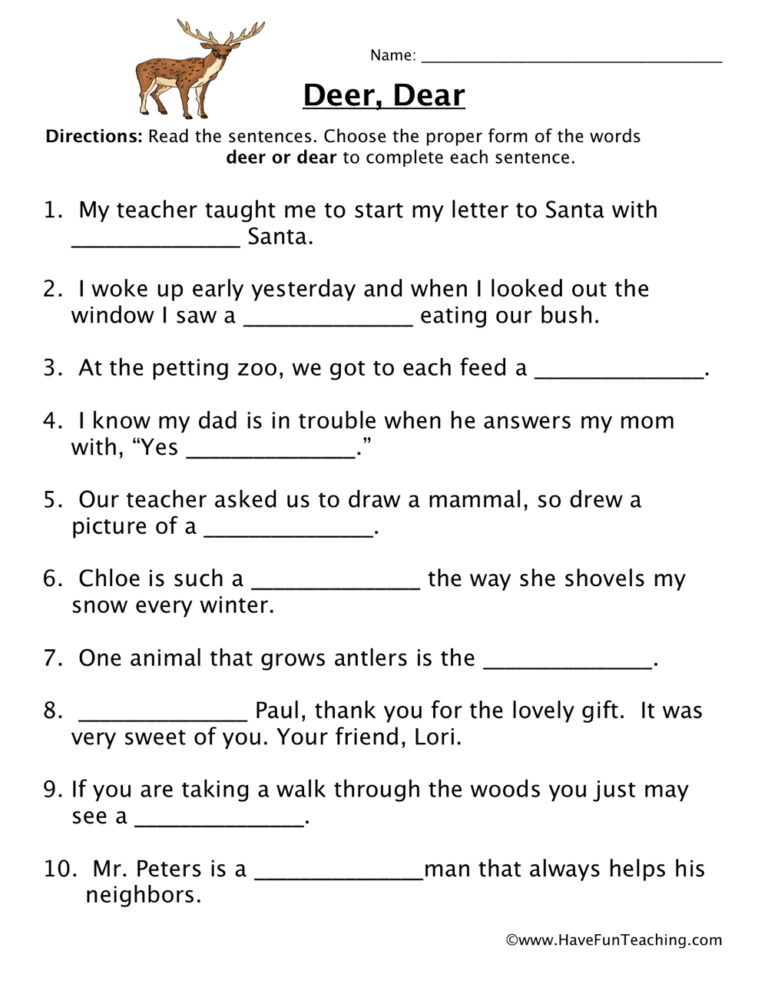
This Deer, Dear Homophones Worksheet gives 3rd Grade students six sentences to complete, three errors to correct, and one sentence to write, with an answer key included, so the right spelling finally sticks.
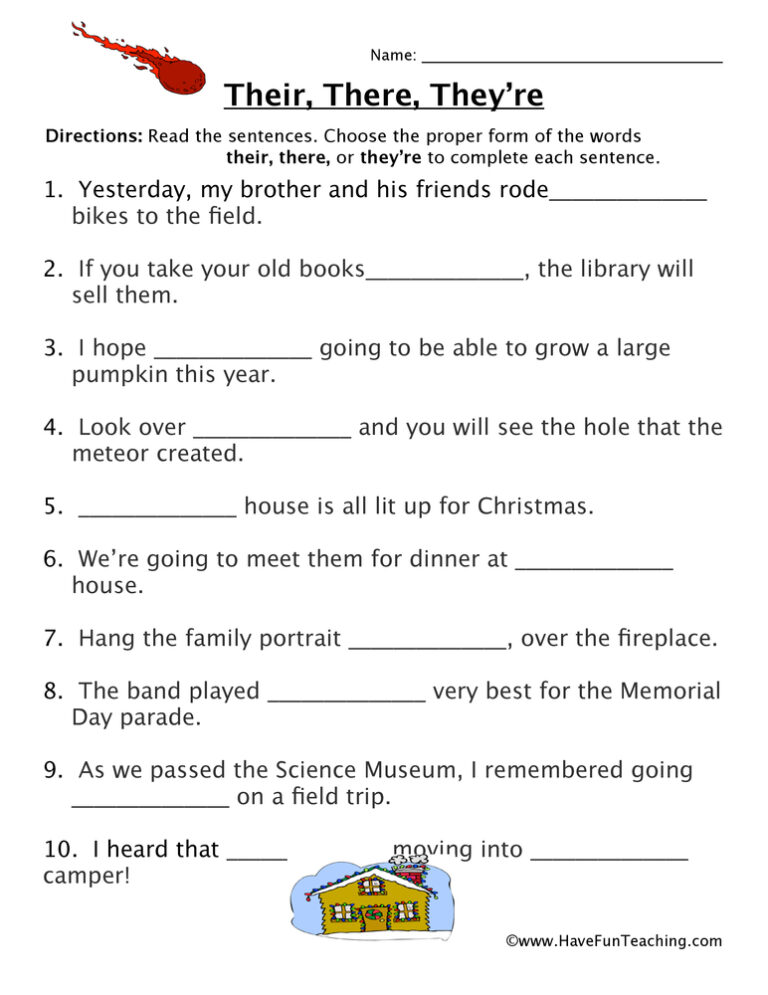
The Their, There, They're Fill in the Blank Homophones Worksheet gives 3rd graders three ways to practice one tricky word set: choose it, fix it, then use it. An answer key is included, so checking takes seconds.

This writing with homophones worksheet helps 3rd Grade students pick the right word from groups like to, two and too, then write their own sentences, with an answer key included for quick checking.

This Dew, Do, Due homophones worksheet gives 3rd grade students sentences to complete, mistakes to fix, and a sentence to write, plus an answer key for quick checking.
Reviews
There are no reviews yet