

Compare and Contrast Cross Out Worksheet
This compare and contrast cross out worksheet has Kindergarten students find and cross out the picture or shape that does not match. An answer key is included, making it a quick, no-prep way to build early comparing skills.
$6.97
Or free with a membership — members pay $3.33/mo for all 10,000+ resources. See plans
Want this one free?
Tell us where to send it and it’s yours — no card, no catch.
One free resource per teacher. We’ll also send free teaching ideas each week — unsubscribe anytime.
Teaching is easier with a membership
Unlimited printables, games & videos for PreK–6th — for your classroom or homeschool. Cancel anytime.
Start your 3-day free trial$0 today · cancel anytime · Instant access to 10,000+ resources
About this resource
Description
Comparing and contrasting starts long before a child can read a sentence. Young students first learn to notice what two things share and what makes one of them stand out, and this compare and contrast cross out worksheet turns that thinking into a simple, hands-on task. Kindergarten learners study a small set of pictures, decide what those pictures have in common, and mark the one that breaks the pattern. That single decision, same or not the same, is the foundation of every later comparison lesson, from matching two story characters to sorting facts about two animals.
This kindergarten compare and contrast worksheet is a two-page printable. Part A gives four picture boxes, and each box holds three pictures. Two of the pictures match exactly and one is different, so students draw an X on the picture that is not the same. Part B carries the skill into shapes with three rows of four, where one shape in each row differs in form or in color. Read the directions aloud, work the first box together as a class, then let students finish the page on their own. The pictures are large and clearly drawn, so early readers can work independently.
What’s Included
- 1 print-ready PDF worksheet
- Answer key
- 4 picture comparison boxes with 3 pictures each
- 3 shape comparison rows with 4 shapes each
- Name and date lines for classroom use
There are three reasons this compare and contrast cross out worksheet helps children learn the skill. First, it takes reading out of the task, so a student who cannot yet decode words is still practicing real comparing and contrasting. Second, it asks for one clear decision in each box, which keeps young learners from feeling overwhelmed and builds confidence quickly. Third, it moves from familiar pictures to abstract shapes, so children carry the same reasoning over to a new kind of information, which is exactly what a comparison question on a later assessment will ask them to do.
Teachers and parents can stretch this skill all week. Line up three classroom objects and ask which one does not belong and why, then let a child set the next puzzle for a partner. Sort a basket of buttons, blocks, or leaves into two piles and talk about the rule that separates them. During read-aloud time, pause and ask how two characters are alike and how they are different. On a walk, find two trees or two houses and name one thing that is the same and one thing that is not. Talking through the reason behind each choice is what turns noticing into real comparing.
Related Resources
What teachers say
Reviews
You must be logged in to post a review.
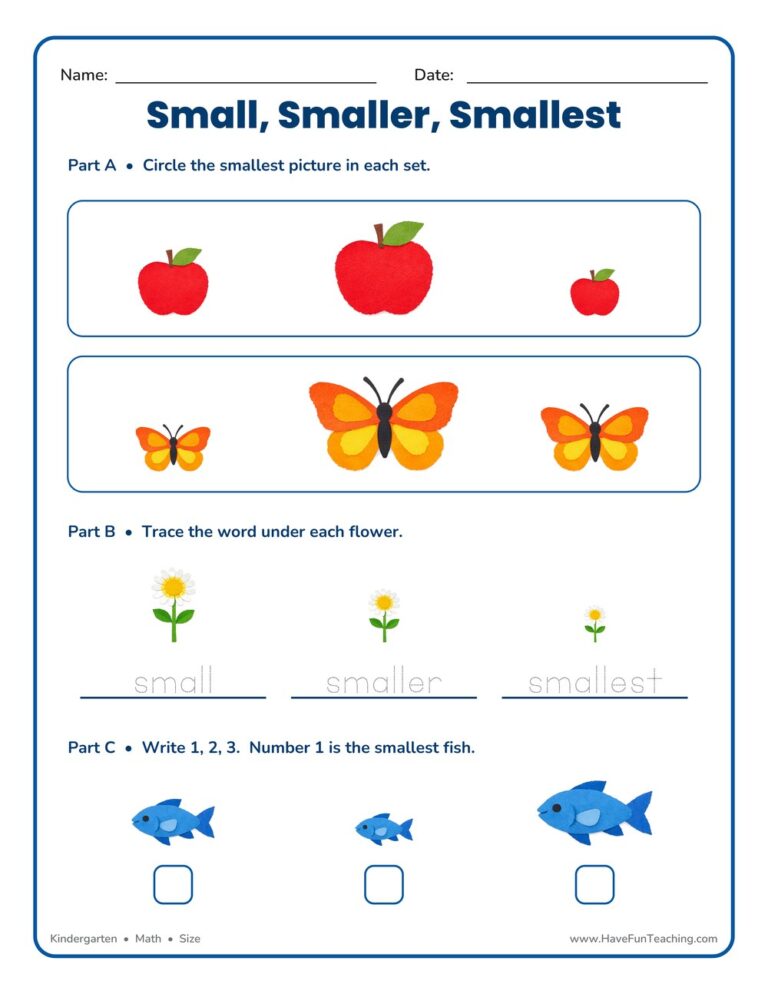
This Small Smaller Smallest Worksheet helps Kindergarten students compare three objects, trace the size words, and order pictures from smallest to largest. Answer key included, so size practice is ready in minutes.
Using Characters, Settings, and Big Events Worksheet, students draw pictures and write a sentence for each to tell about the story elements in a book.
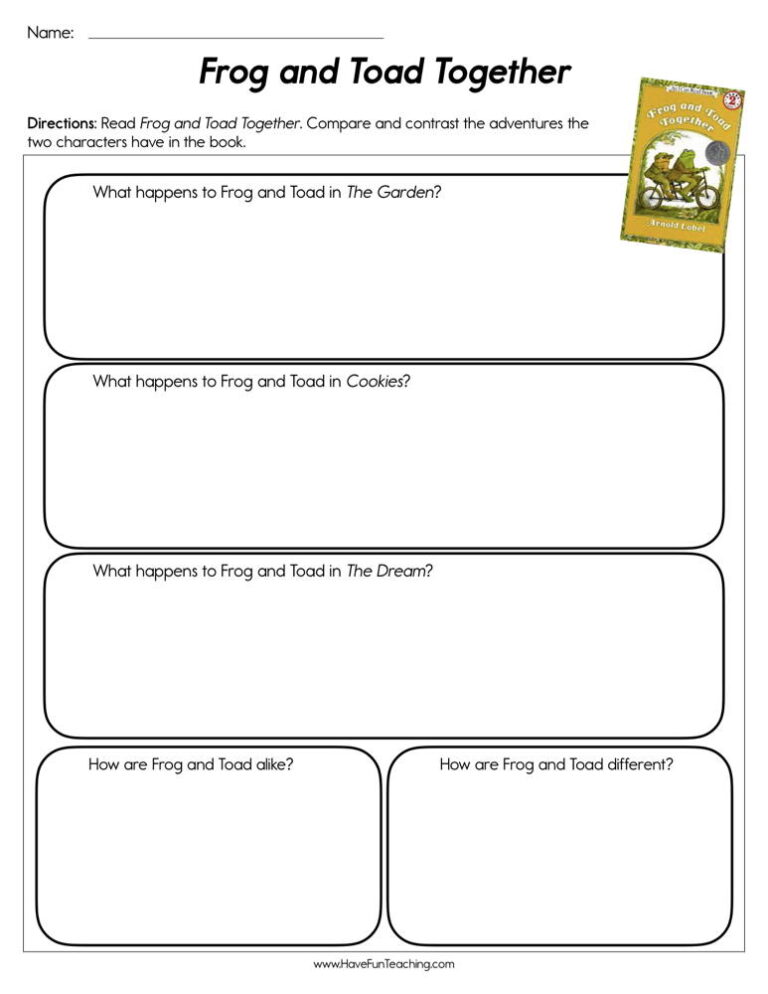
Using this Frog and Toad Together Worksheet, studentsread Frog and Toad Together to compare and contrast the adventures the two characters have in the book.

Using this Size Activity, students play Categories to practice identifying the sizes tall, short, big and small.

This things that go together worksheet asks kindergarten students to circle the two pictures that belong with each other and cross out the one that does not. An answer key is included, so checking takes seconds.
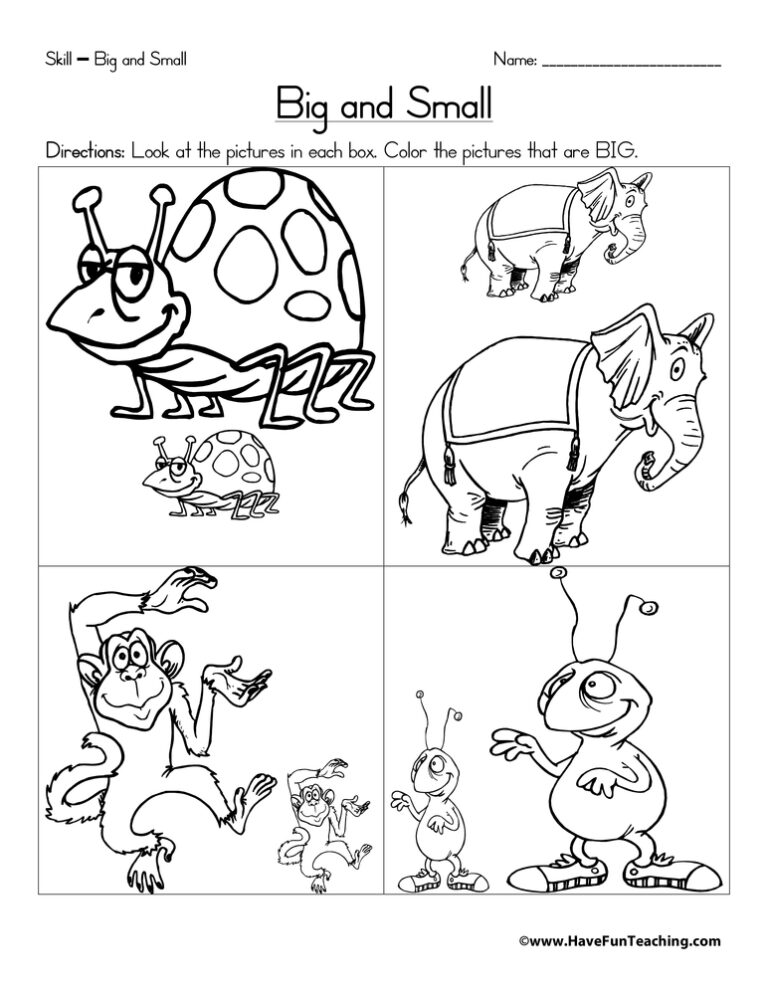
This Size Worksheet helps Kindergarten students compare two pictures of the same object and circle the big one or the small one. An answer key is included for quick, easy checking.

Using Compare and Contrast Characters Charlie Brown and Arthur Worksheet, students compare two different characters from two different stories you have read.

Using this Comparing Seasons Venn Diagram Worksheet, students compare two seasons using a Venn Diagram.
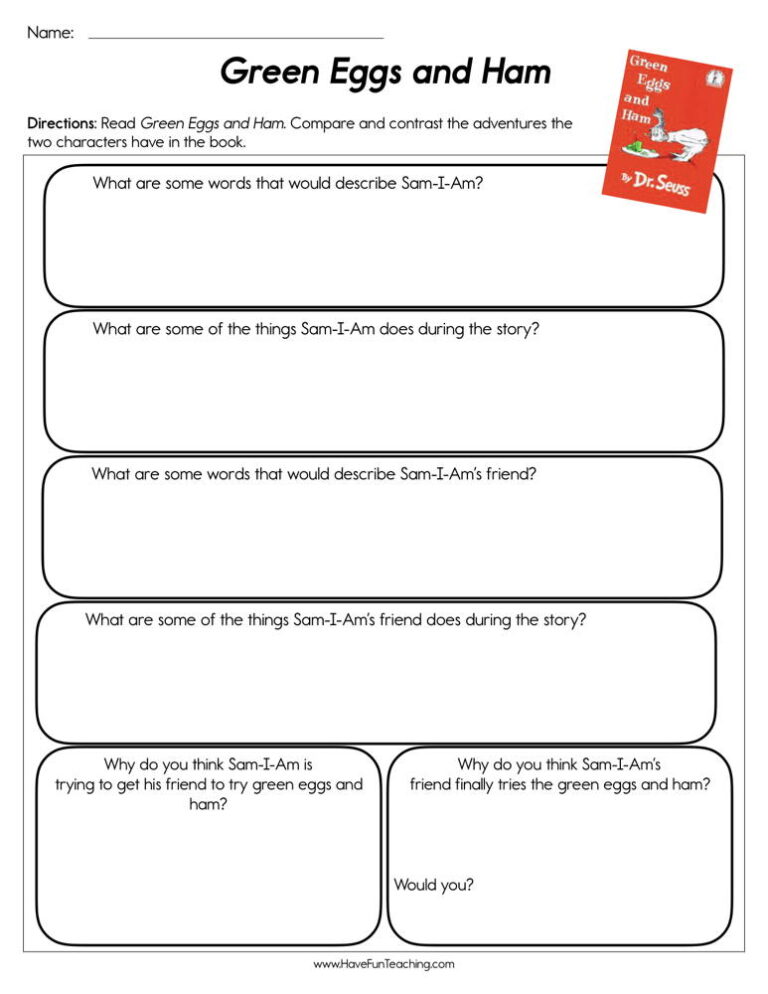
Using this Green Eggs and Ham Worksheet, studentsread Green Eggs and Ham to compare and contrast the adventures the two characters have in the book.

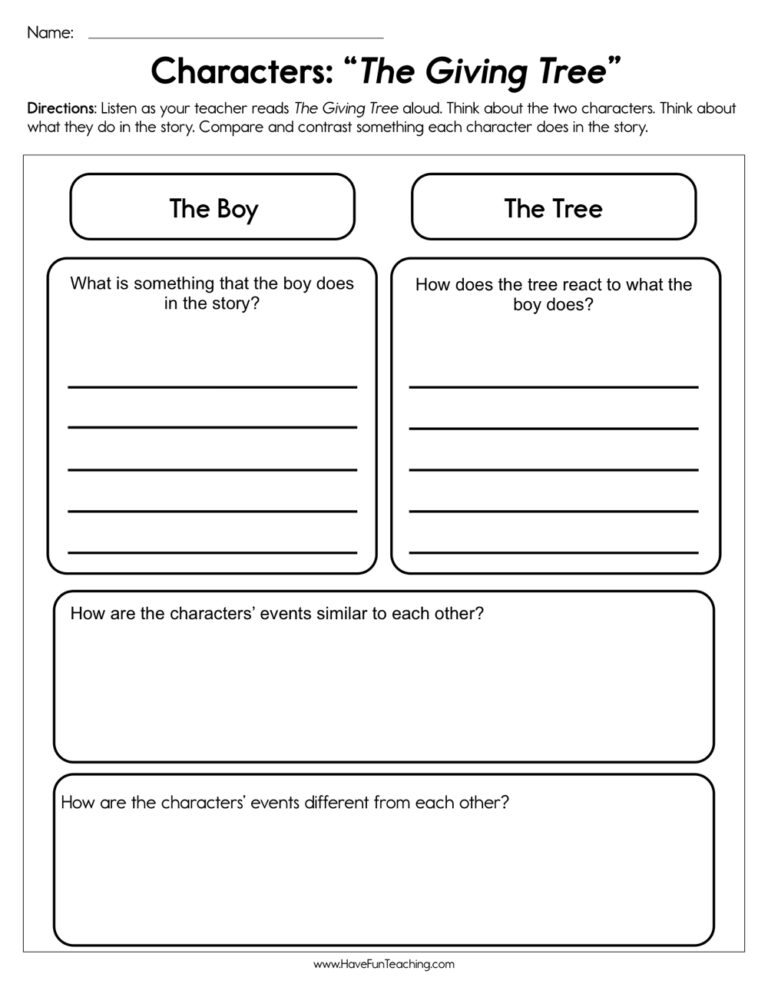
Using The Giving Tree Worksheet, students compare two characters from a story to determine how they are alike and different.
Using How are They the Same Compare and Contrast Story Elements Activity, students compare and contrast the themes, settings, and plots of stories written by the same author about the same or similar characters.
Using Comparing Two Stories Activity, students compare and contrast two or more versions of the same story by different authors or from different cultures.




Reviews
There are no reviews yet