Skip to content
Start My 3 Free Days $0 today · cancel anytime

Micro Lessons

9 micro lessons, covering parts of speech, base 10, cause and effect, plus 18 more topics. How teachers use these

Find the perfect resource in seconds

Micro Lessons

9 micro lessons, covering parts of speech, base 10, cause and effect, plus 18 more topics. How teachers use these

Micro Lesson
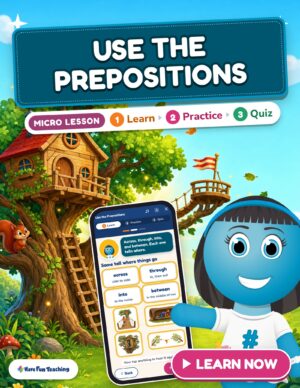
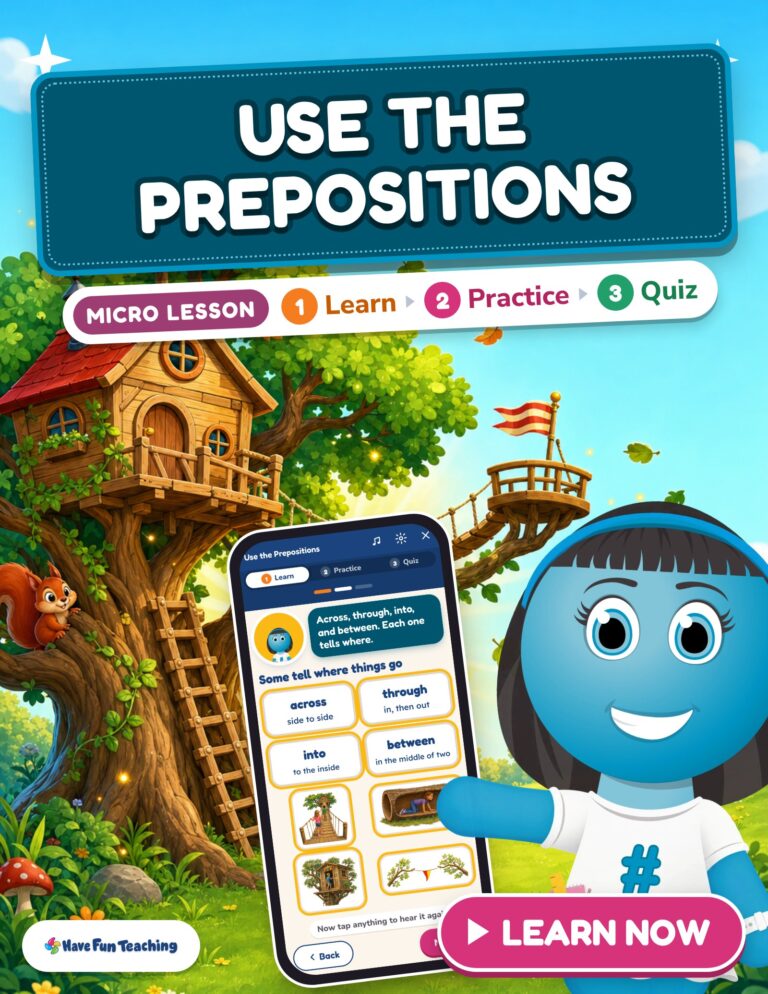
Micro Lesson2nd GradeUse the Prepositions Micro Lesson

Penny teaches kids what a preposition is and how to pick the one that tells where, one step at a time. Kids practice with friendly hints, then show what they know in a 5-question quiz. Quiz scores go to HFT Classroom automatically.

Micro Lesson
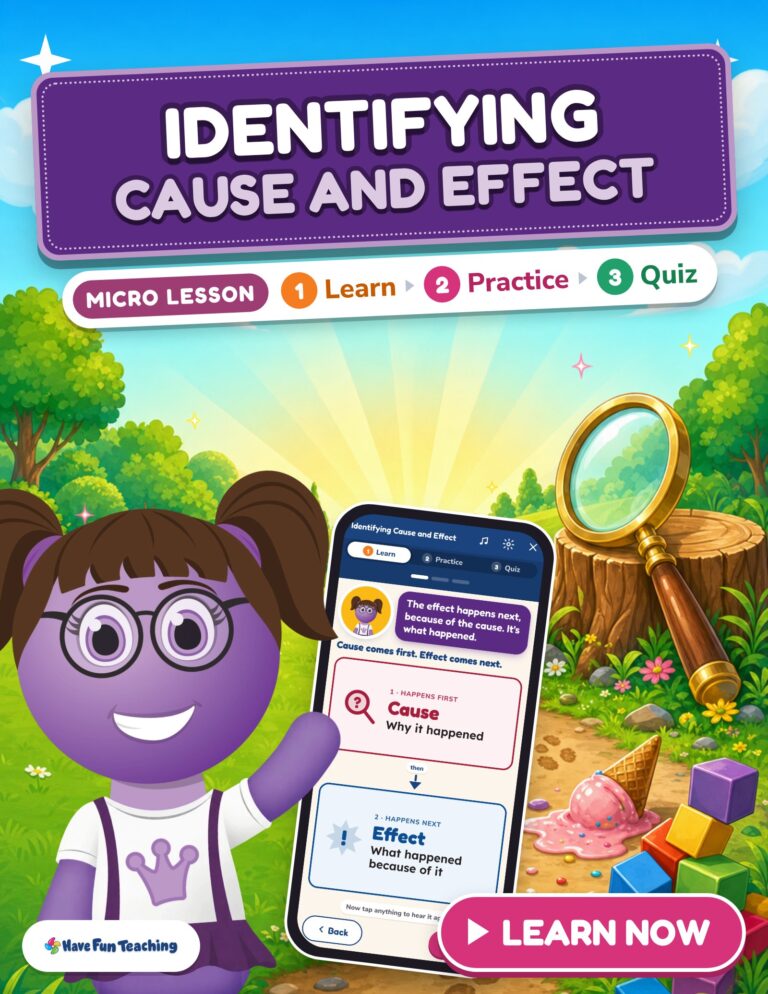
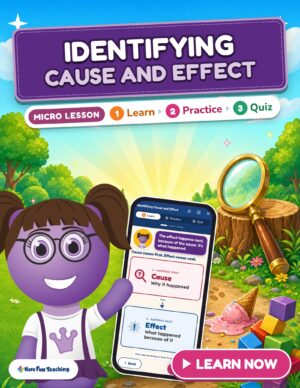
Micro Lesson1st GradeIdentifying Cause and Effect Micro Lesson

Lexy teaches kids how to find the cause and the effect, one step at a time. Kids practice with friendly hints, then show what they know in a 5-question quiz. Quiz scores go to HFT Classroom automatically.

Micro Lesson
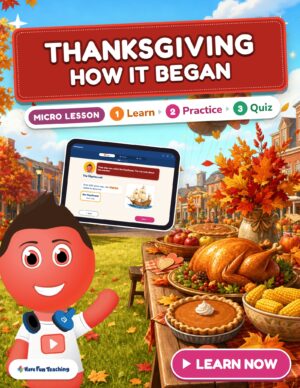
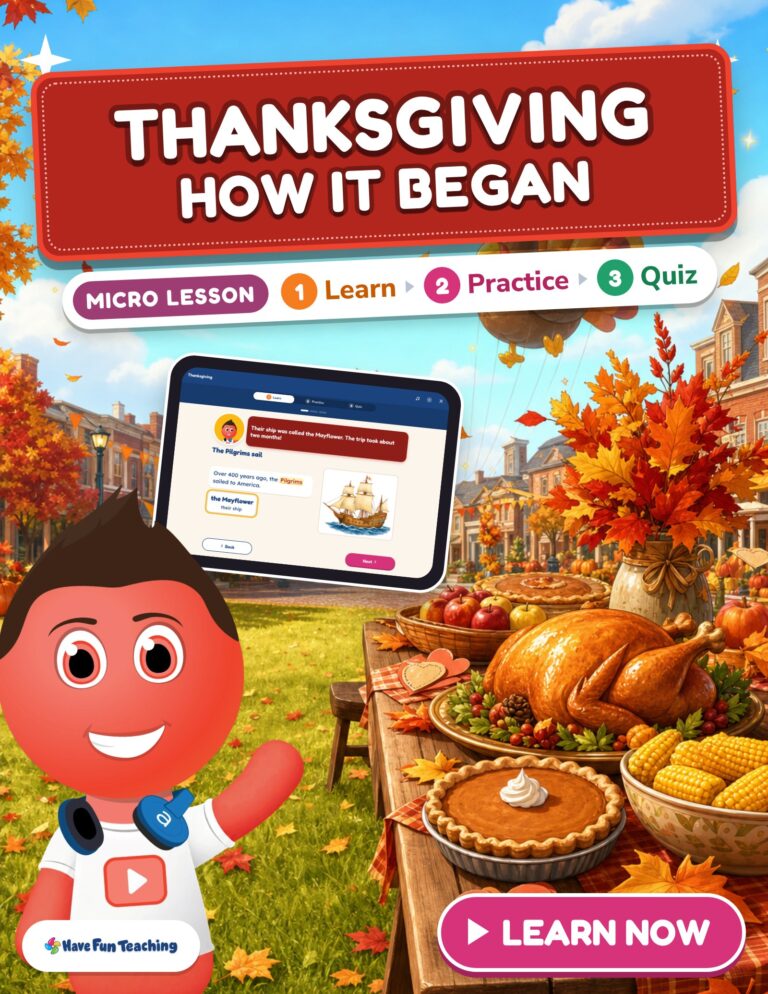
Micro Lesson1st GradeThanksgiving Micro Lesson

Alphy tells kids how Thanksgiving began, from the Pilgrims' trip on the Mayflower and their hard first winter, to Squanto and the Wampanoag, the harvest, and the first feast of thanks, and how we celebrate today. Kids practice with fun games, then show what they know in a 5-question quiz.…

Micro Lesson
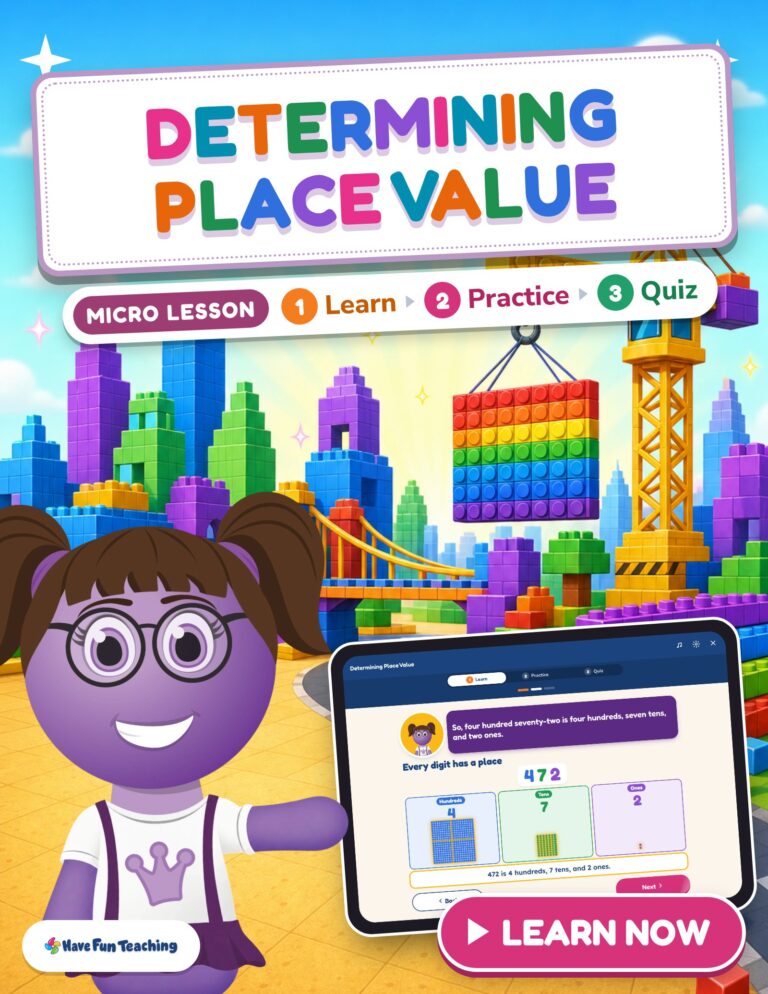
Micro Lesson1st GradeDetermining Place Value Micro Lesson

Lexy teaches kids how to find the hundreds, tens and ones in a number, one step at a time. Kids practice with friendly hints, then show what they know in a 5-question quiz. Quiz scores go to HFT Classroom automatically.

Micro Lesson
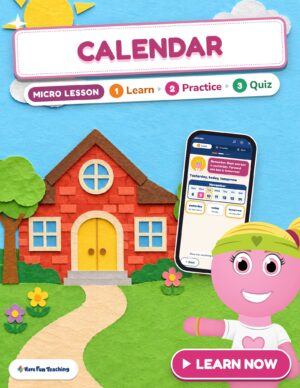
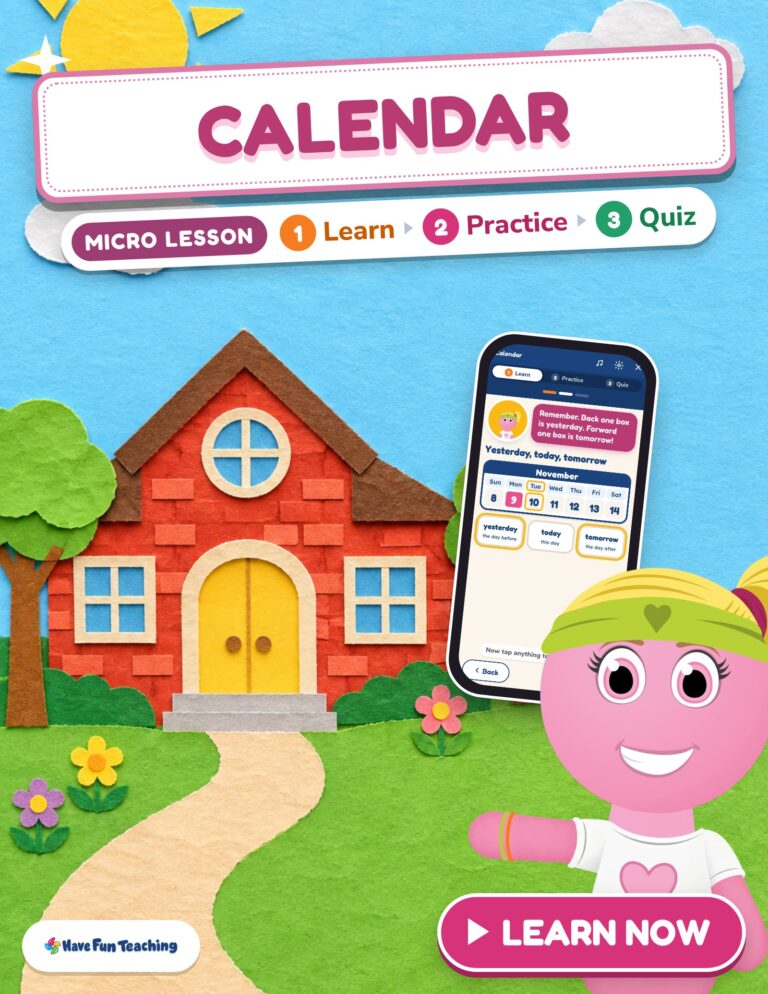
Micro LessonKindergartenCalendar Micro Lesson

Abby teaches kids how to read a calendar, one step at a time: the month, the days of the week, the dates, and yesterday, today and tomorrow. Kids practice with friendly hints, then show what they know in a 5-question quiz. Quiz scores go to HFT Classroom automatically.

Micro Lesson
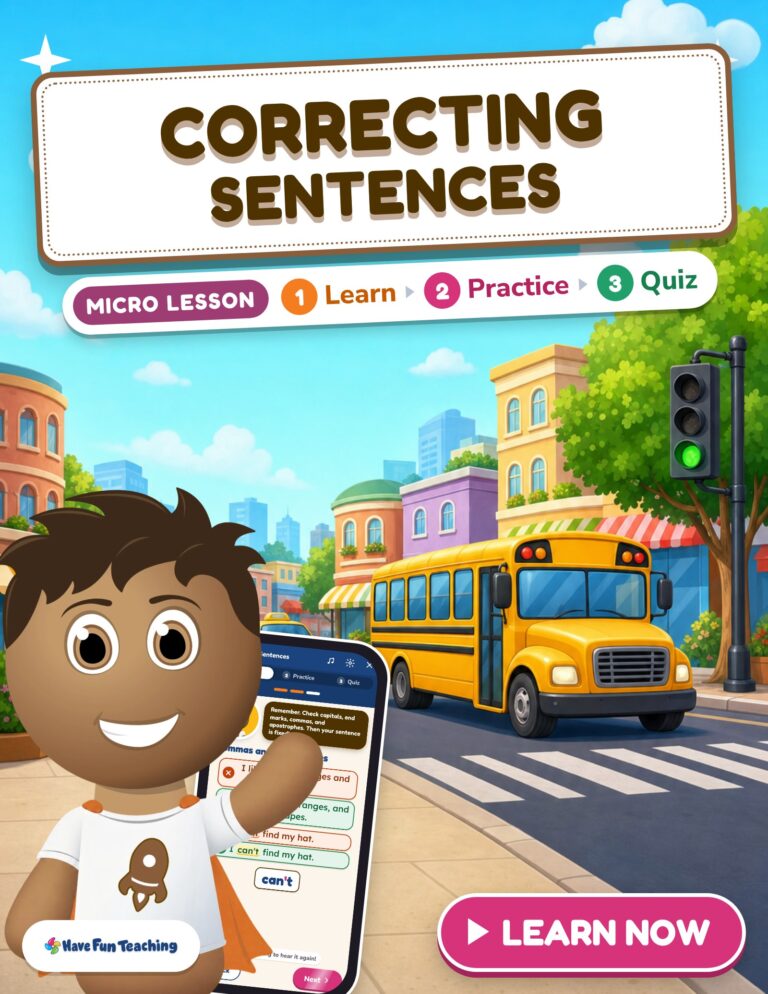
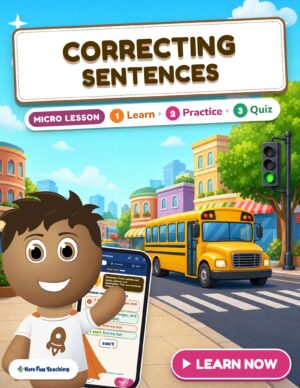
Micro Lesson1st GradeCorrecting Sentences Micro Lesson

Doodles teaches kids how to fix sentences in Busy City: capital letters at the start, on names and on I, the right end mark for telling, asking and strong feelings, commas in a list, and apostrophes in words like can't. Kids practice with hands-on games, then show what they know…

Micro Lesson
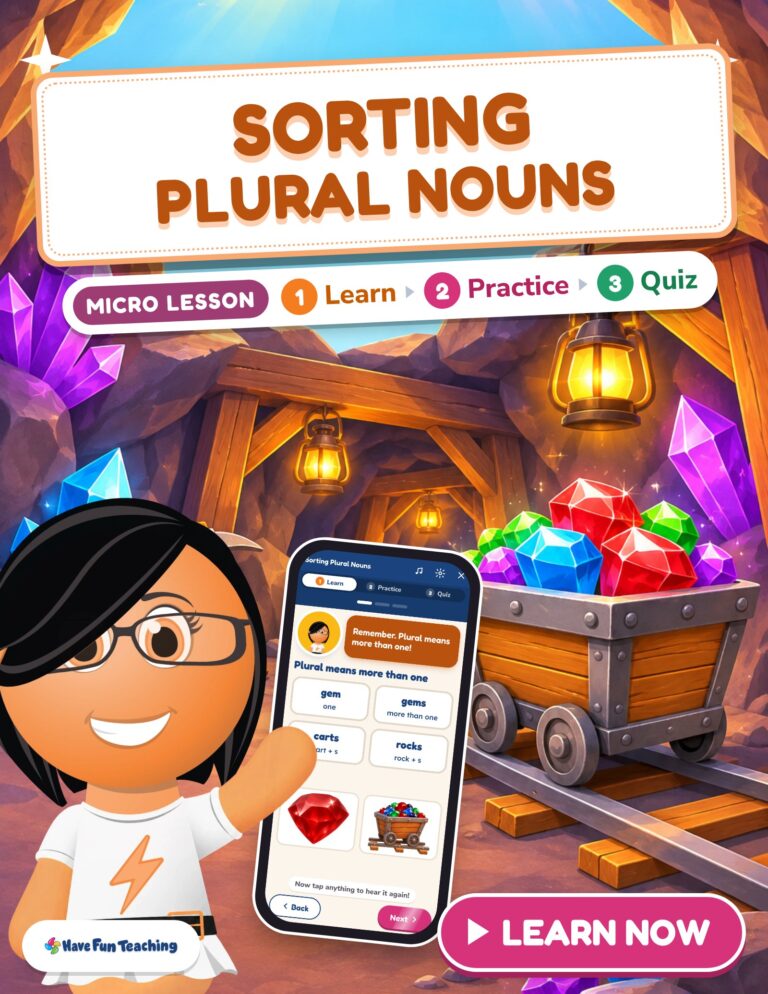
Micro Lesson2nd GradeSorting Plural Nouns Micro Lesson

Roxy teaches kids how to make plural nouns in the Gem Mine: most nouns add -s, nouns that end in s, x, ch or sh add -es, and some nouns change the whole word, like mouse and mice. Kids practice with hands-on games, then show what they know in a…

Micro Lesson
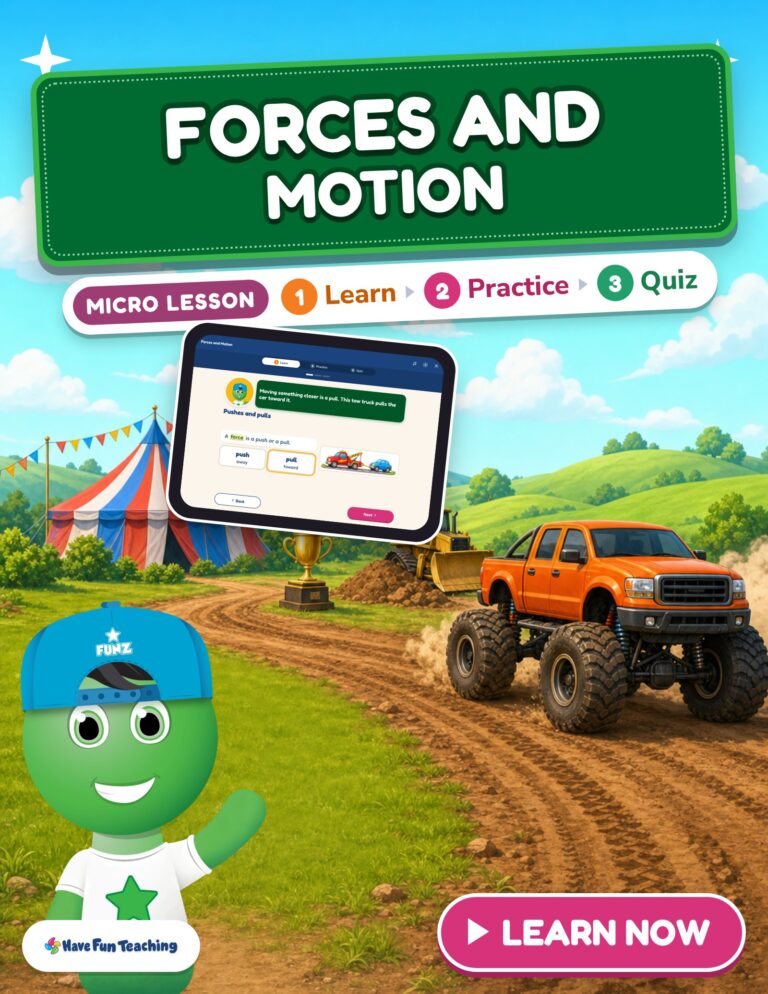
Micro Lesson2nd GradeForces and Motion Micro Lesson

Funzy teaches forces and motion at the Big Truck Rally: a force is a push or a pull, motion means changing place, speed is how fast something moves, friction slows things down, and a magnet pulls iron and steel without touching them. Kids practice with hands-on games, then show what…

Micro Lesson
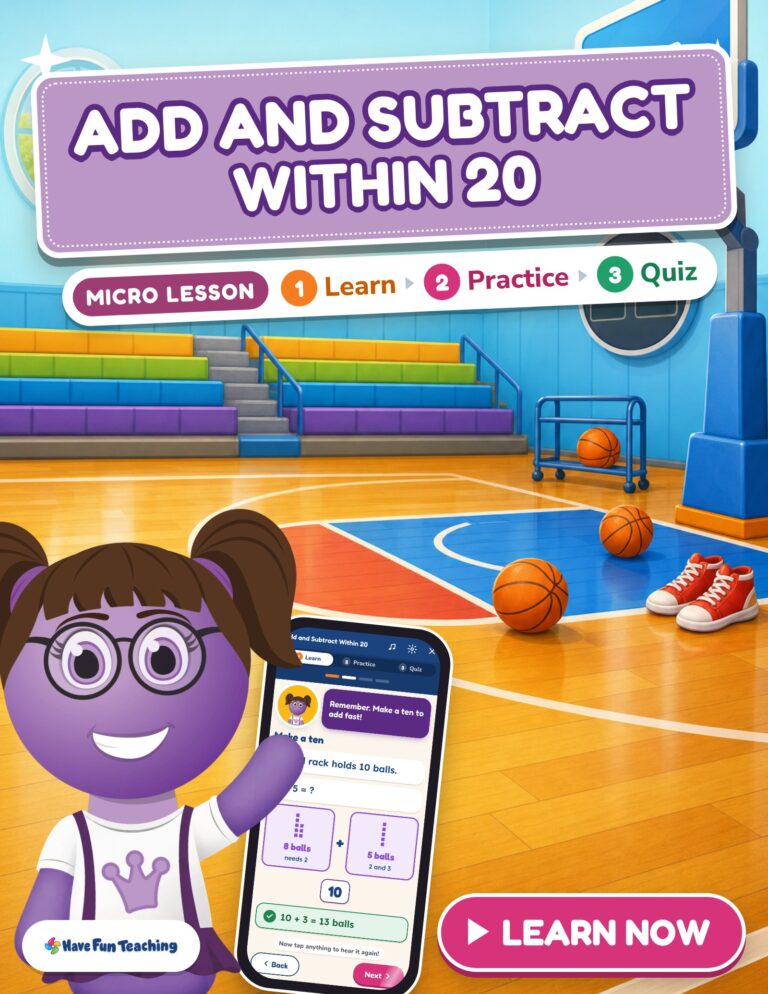
Micro LessonKindergartenAdd and Subtract Within 20 Micro Lesson

Lexy teaches adding and subtracting within 20 on the basketball court: count on from the bigger number, make a ten, count back to subtract, and use an addition fact to subtract. Kids practice with hands-on games, then show what they know in a 5-question quiz. Quiz scores go to HFT…

From our teachers' playbook

Small lessons, big lightbulb moments

What is a micro lesson?

A micro lesson teaches one skill, start to finish, in about the time it takes to sharpen a pencil. Kids see the idea modeled, try a few examples with read-aloud support, and get instant feedback on every answer. One skill per lesson is the whole trick: determining place value, or finding cause and effect, or using prepositions. Because it is short and focused, it fits right into a center rotation, a pull-out group or homework, and kids finish feeling successful.

How we use micro lessons in a real classroom

A micro lesson works best when it is part of a plan, not a filler. These are the three ways we lean on them.

Watch it, then try it

Start the place value lesson on the board with the whole class and pause after the modeled example. Ask, "What is the 7 worth?" before anyone clicks. Then send kids to try the rest on their own device while you pull a small group.

Why it works: handing over the work step by step, from teacher to student, is one of the most widely used teaching frameworks (Pearson and Gallagher, 1983).
Determining Place Value Micro LessonTry it withDetermining Place Value Micro LessonMicro LessonsOpen it →
Finish with a quick check

Right after the cause and effect lesson, hand out three sticky notes. Kids write one cause and its effect from their own day, like "I forgot my coat, so I was cold." Ten seconds of reading tells you who got it and who needs another go.

Why it works: pulling an answer out of memory makes it stick far better than rereading it, one of the strongest findings in learning research (Dunlosky and colleagues, 2013).

Identifying Cause and Effect Micro LessonTry it withIdentifying Cause and Effect Micro LessonMicro LessonsOpen it →
Come back to it next week

A micro lesson is short enough to repeat. Run the prepositions lesson on Monday, then replay it the following Monday as a warm-up. Kids who struggled the first time usually breeze through the second, and that confidence boost is real.

Why it works: short practice spread over several days beats one long session, according to a large review of learning research (Dunlosky and colleagues, 2013).

Use the Prepositions Micro LessonTry it withUse the Prepositions Micro LessonMicro LessonsOpen it →
Questions teachers ask about micro lessons

How long is a micro lesson?

Most take about 5 to 10 minutes. Each one teaches a single skill, so kids can finish in one sitting without losing focus.

What grades are micro lessons for?

They are written for elementary students. Read-aloud support helps younger or emerging readers work on their own, and older kids can move through them independently.

Can students do micro lessons at home?

Yes. They run in the browser, so they work well for homework or a quick review with a parent. Kids get feedback on every answer, so they are not practicing mistakes.

Do micro lessons replace my teaching?

No, they support it. We use them to preview a skill, review it later, or give extra practice to a small group while we work with another one.