Skip to content
Start My 3 Free Days $0 today · cancel anytime

1st Grade Base 10 Resources

26 1st grade base 10 resources: 16 worksheets, 5 activities, 3 Common Core Lessons and more. How teachers use these

1st Grade Base 10 Resources

26 1st grade base 10 resources: 16 worksheets, 5 activities, 3 Common Core Lessons and more. How teachers use these

Worksheet
Worksheet1st GradeUsing Base 10 Blocks to Write Numbers Worksheet

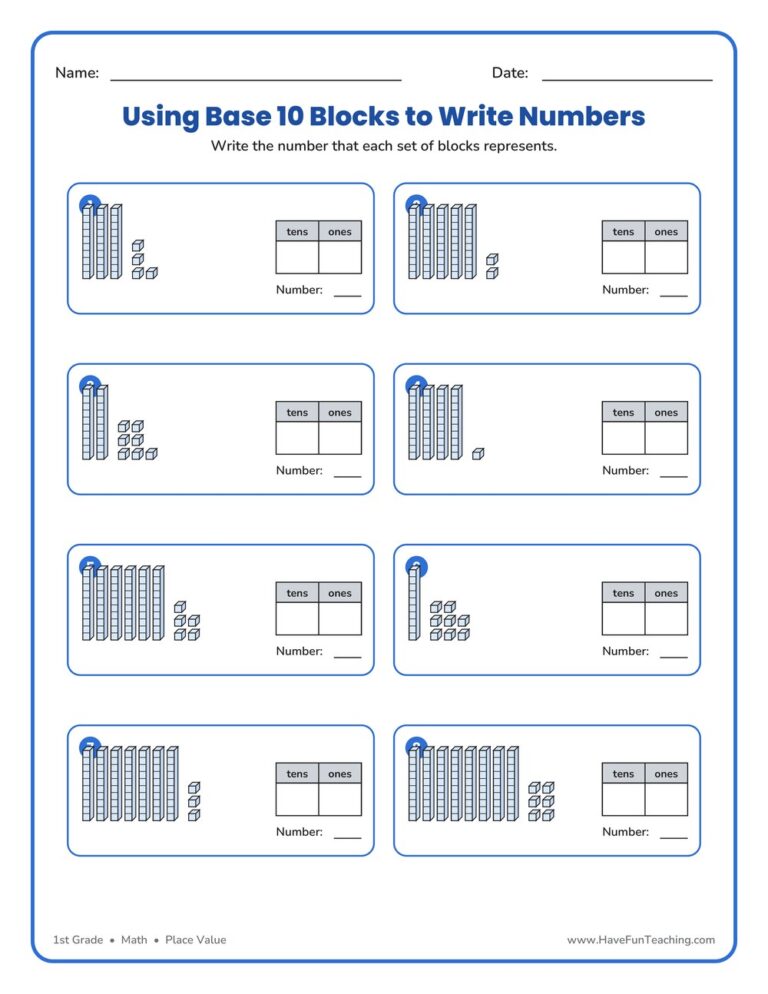
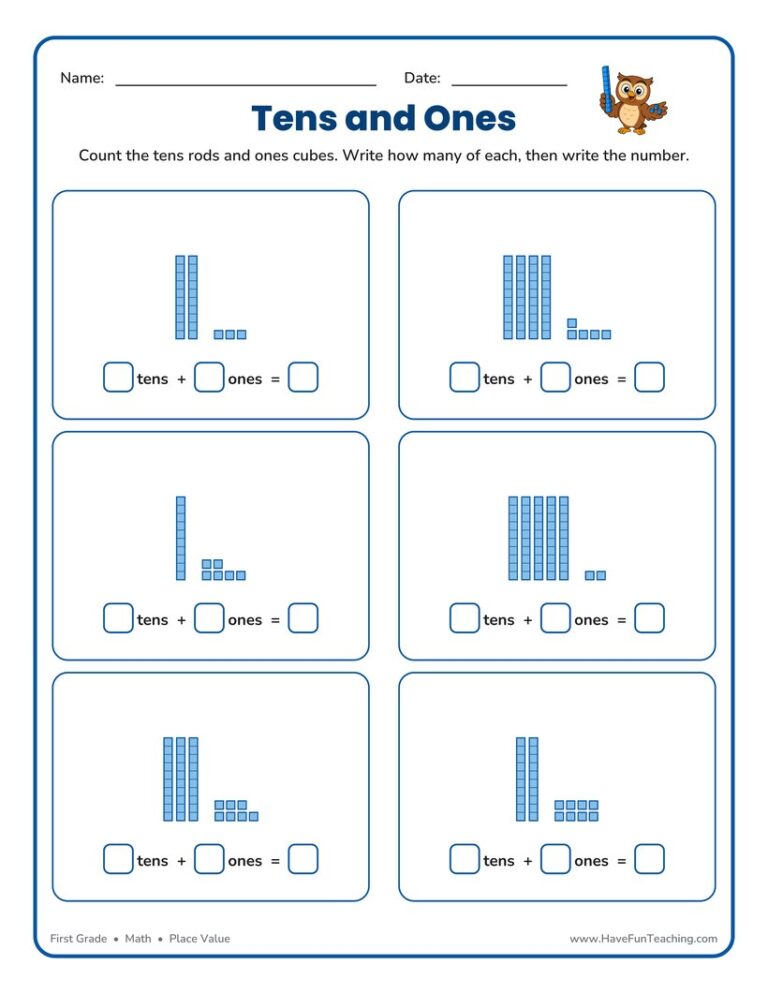
This Using Base 10 Blocks to Write Numbers Worksheet helps 1st graders count tens rods and ones cubes, then record each two-digit number in a place value chart. Includes an answer key for quick, no-prep practice.

Worksheet
Worksheet1st GradeTens Ones Worksheet

Count the tens and ones with this tens ones worksheet made for first grade. Students use base-ten blocks to write the tens, ones, and the two-digit number, and an answer key is included to make practice simple.

Worksheet
Worksheet1st GradeTen More Ten Less Worksheet

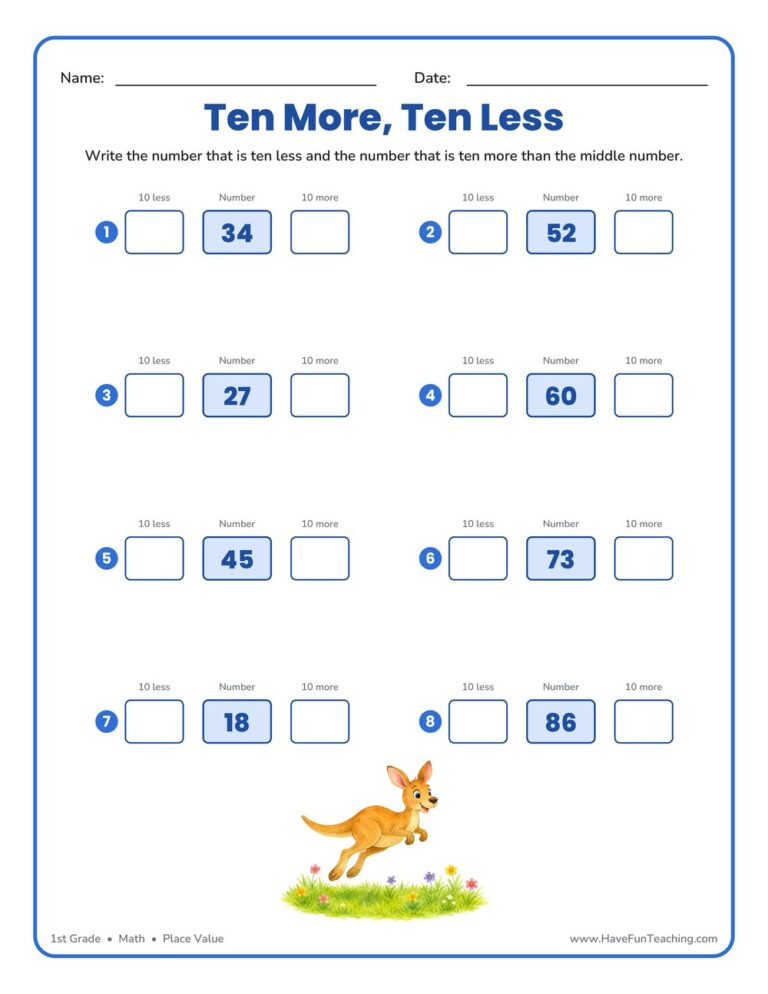
This Ten More Ten Less Worksheet gives 1st graders eight quick problems to find ten more and ten less than a two-digit number. Includes an answer key for fast, no-prep place value practice.

Micro Lesson
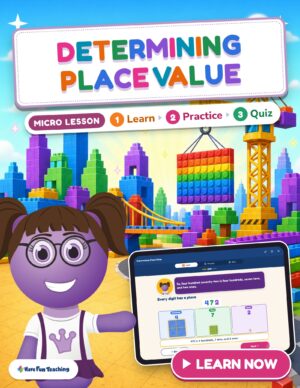
Micro Lesson1st GradeDetermining Place Value Micro Lesson

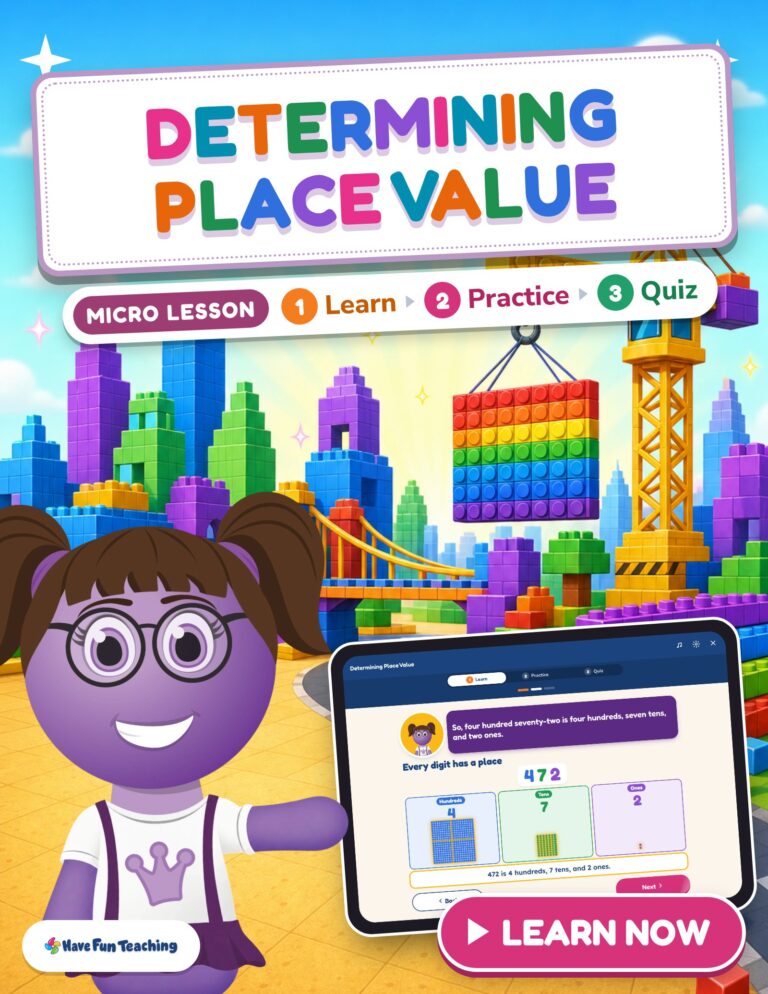
Lexy teaches kids how to find the hundreds, tens and ones in a number, one step at a time. Kids practice with friendly hints, then show what they know in a 5-question quiz. Quiz scores go to HFT Classroom automatically.

Worksheet
Worksheet1st GradeCount Tens and Ones Worksheet

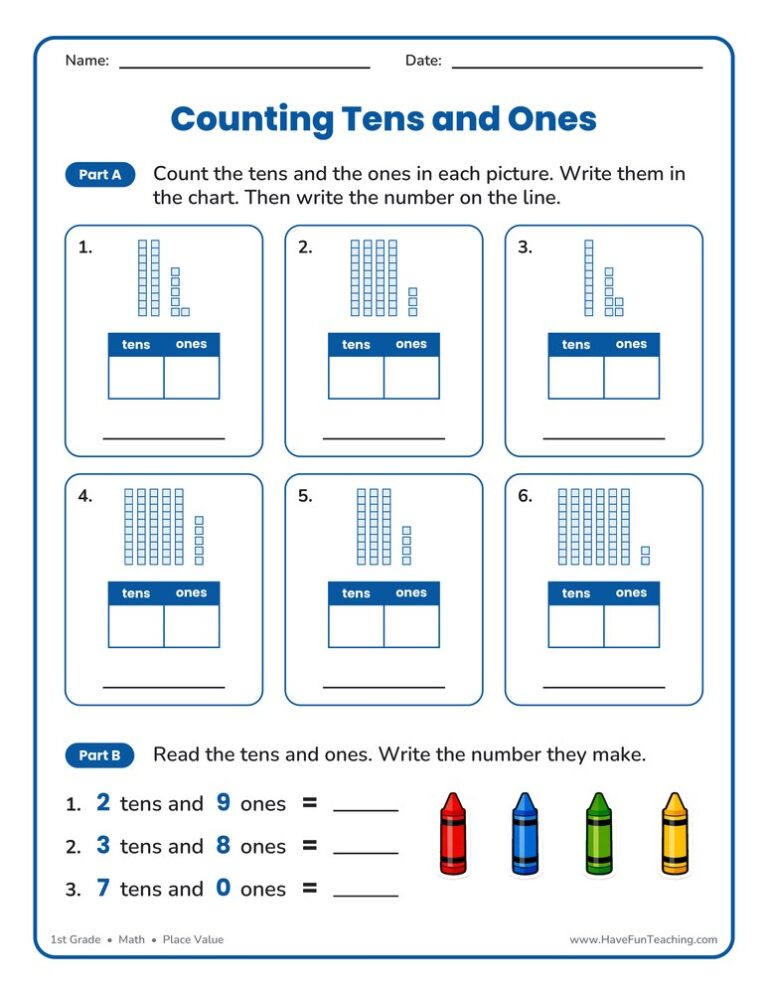
This count tens and ones worksheet gives 1st grade students base ten block pictures to count, chart, and write as numbers. An answer key is included, so place value practice is ready to print and go.

Worksheet
Worksheet1st GradeAdding Tens and Ones Worksheet

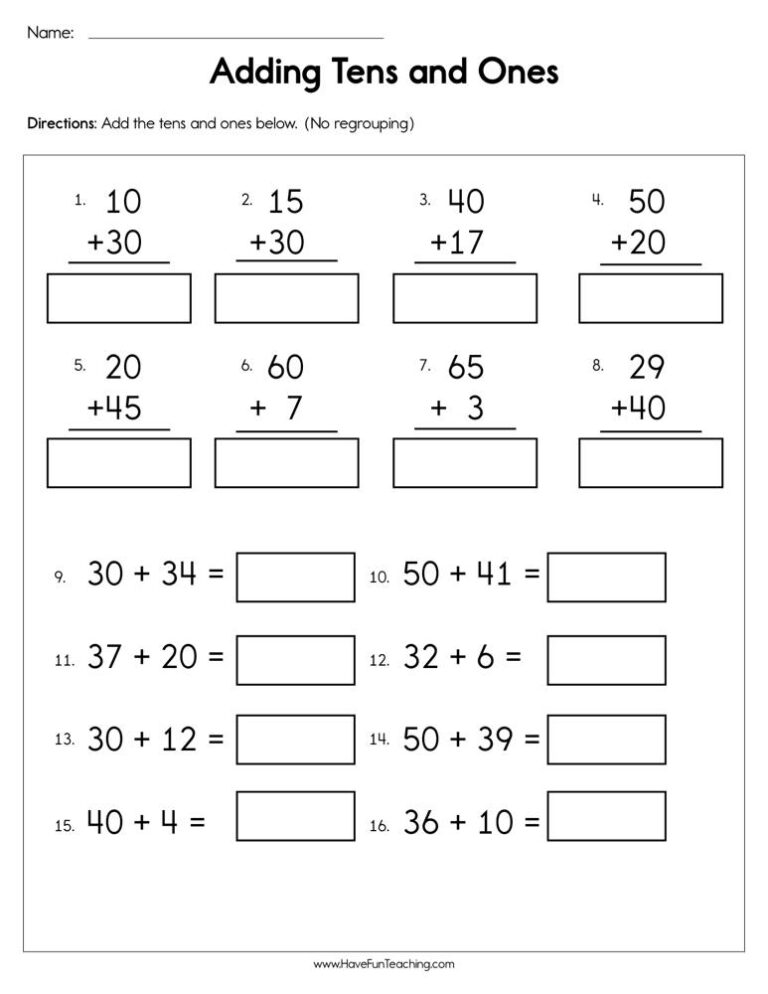
This adding tens and ones worksheet helps 1st graders build two-digit numbers with base ten blocks and column addition. Includes an answer key for quick, no-prep place value practice at home or school.

Worksheet
Worksheet1st GradeDrawing Tens and Ones Worksheet

The Drawing Tens and Ones Worksheet gives first graders hands-on practice representing two-digit numbers as tens and ones on a place value mat. Includes a complete answer key for quick, no-prep place value practice.

Activity
Activity1st GradeFinding 10 More 10 Less Activity

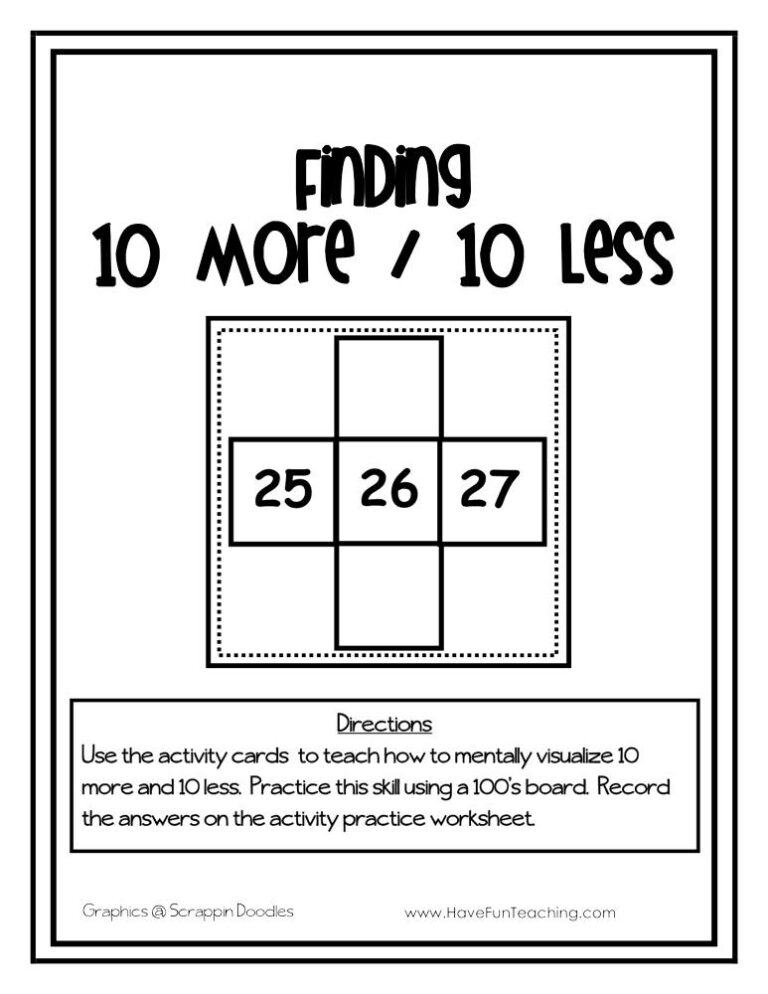
This finding 10 more 10 less activity helps 1st and 2nd grade children use a hundred chart to find 10 more and 10 less. Practice page and answer key included.

Worksheet
Worksheet1st GradeCounting Tens and Ones Worksheet

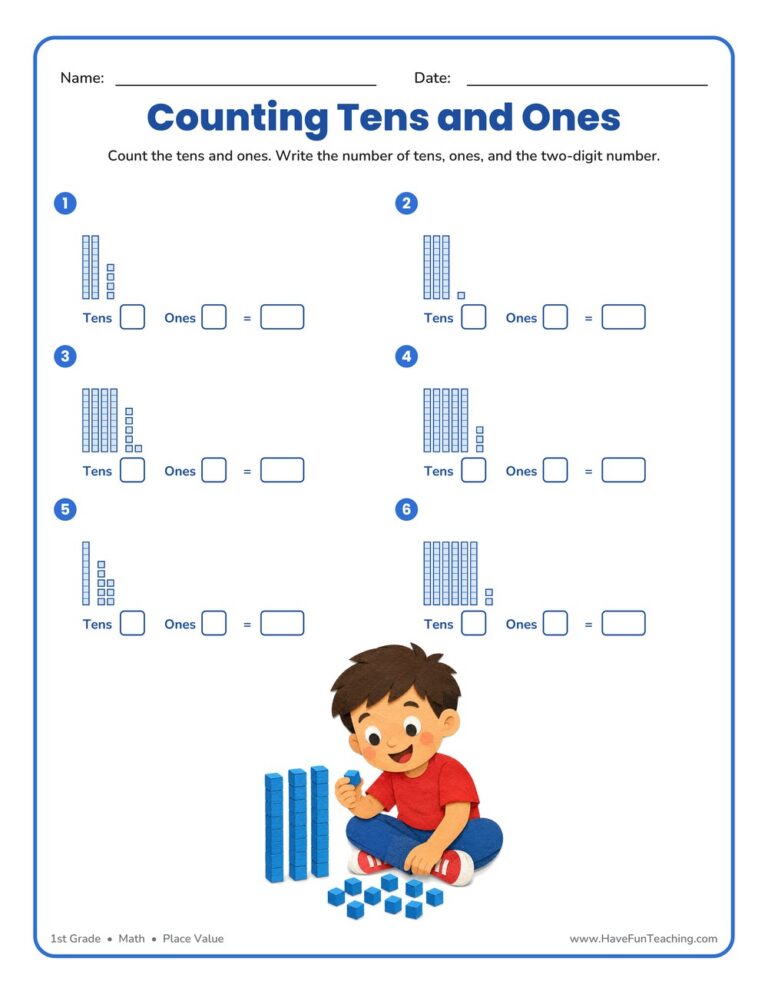
A first grade Counting Tens and Ones Worksheet where students count base ten blocks and write each two-digit number. Includes a complete answer key for easy, no-prep place value practice at home or school.

Worksheet
Worksheet1st GradeTen More and Ten Less Worksheet

This ten more and ten less worksheet gives 1st Grade students eight number-chart problems and two story problems for mental math with tens. An answer key is included, so checking work takes seconds.

Worksheet
Worksheet1st GradeBreaking into Tens Ones Worksheet

This Breaking into Tens Ones Worksheet asks 1st graders to count base ten blocks and add tens and ones to write each two-digit number. An answer key is included, so practice turns into instant feedback.

Worksheet
Worksheet1st GradeTens, Ones Place Value Chart

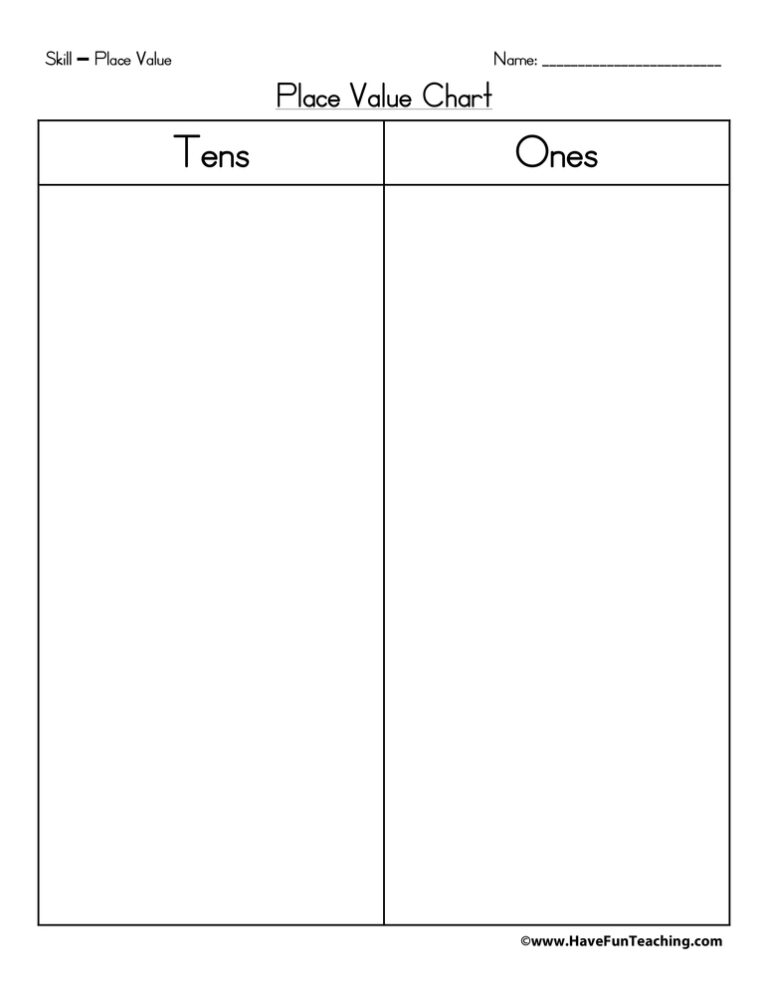
This place value chart worksheet helps 1st graders break two-digit numbers into tens and ones with base ten blocks, a fill-in chart, and a word problem. An answer key is included, so practice is quick to check.

Worksheet
Worksheet1st GradeTens and Ones Matching Worksheet

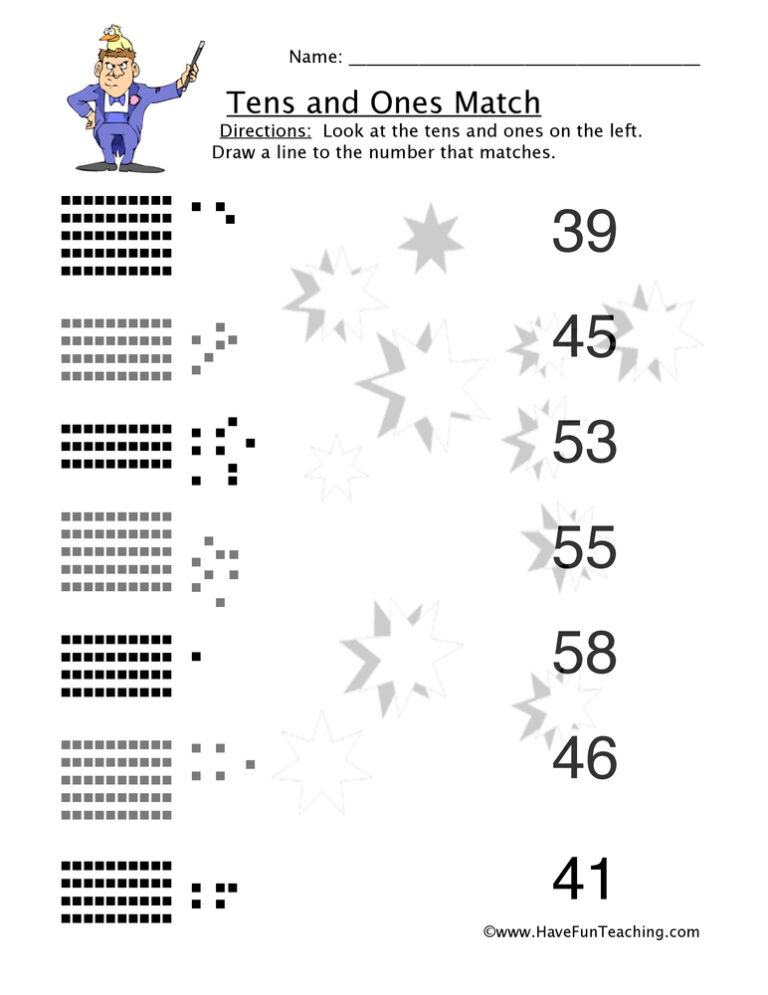
This tens and ones matching worksheet has first grade students pair base ten blocks with two-digit numbers and build numbers from tens and ones. An answer key is included, so practice checks itself.

Worksheet
Worksheet1st GradePlace Value Worksheet

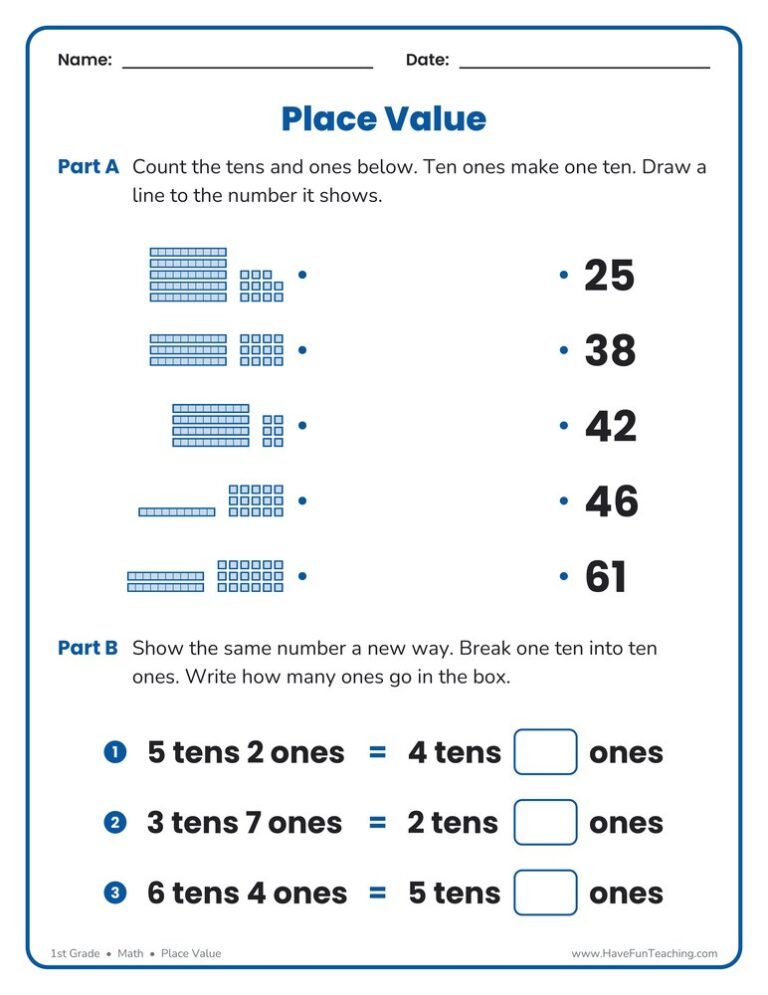
This place value worksheet has first graders match base-ten blocks to two-digit numbers and trade a ten for ten ones to show numbers a new way. Answer key included.

Worksheet
Worksheet1st GradeRecognizing Numbers Worksheet

This Recognizing Numbers Worksheet asks 1st Grade students to count tens and ones, match each base-ten picture to its number, and write two more, with an answer key included.

Worksheet
Worksheet1st GradeCounting by Tens What Comes Next Worksheet

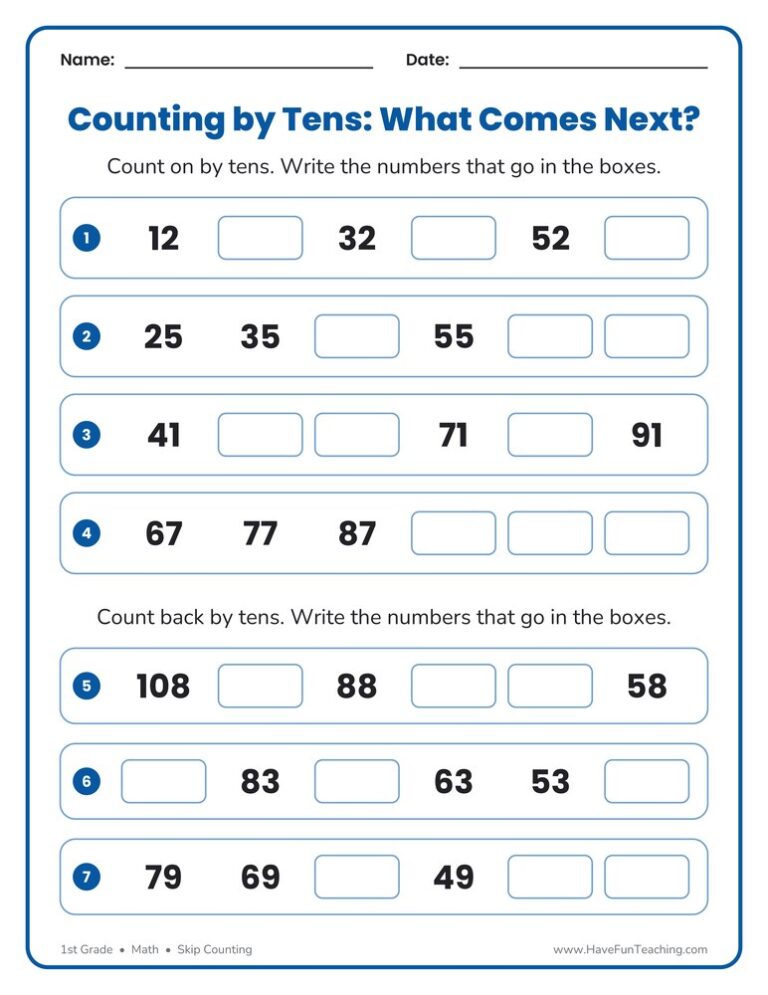
This counting by tens what comes next worksheet helps 1st graders count on and back by tens from any number. An answer key is included, making practice with ten more and ten less quick to check.

Worksheet
Worksheet1st GradeCounting Blocks Review Worksheet

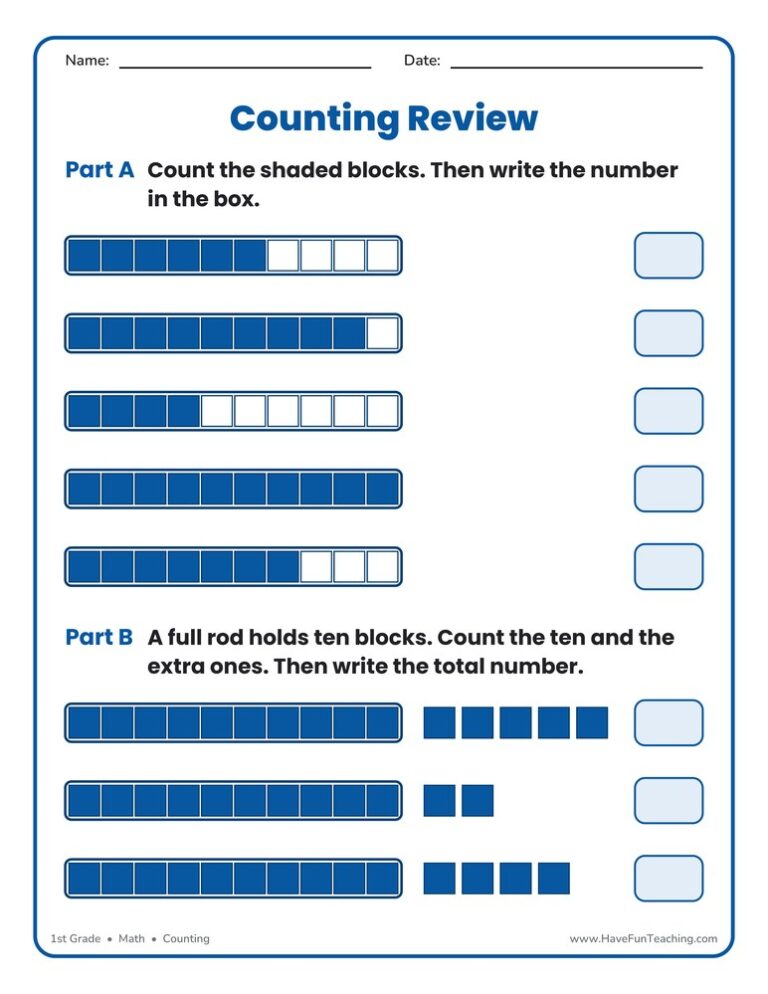
This Counting Blocks Review Worksheet has 1st graders count the shaded blocks in a ten-rod, then count on from ten to name teen numbers. Answer key included for fast, no-prep base ten practice.

Worksheet
Worksheet1st GradeBreak it Apart Counting Tens Ones Worksheet

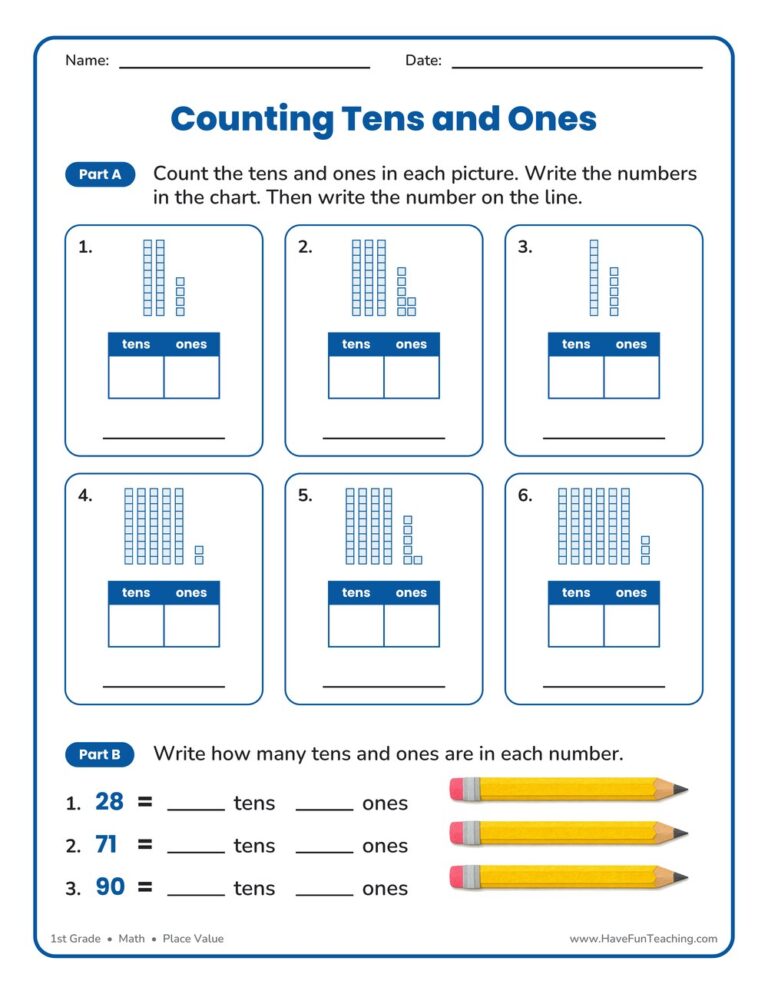
Count the tens and ones in six base-ten pictures, fill in the chart, and write the number. This Break it Apart Counting Tens Ones Worksheet builds 1st grade place value confidence, and an answer key is included.

Activity
Activity1st GradeRainbow Place Value Activity

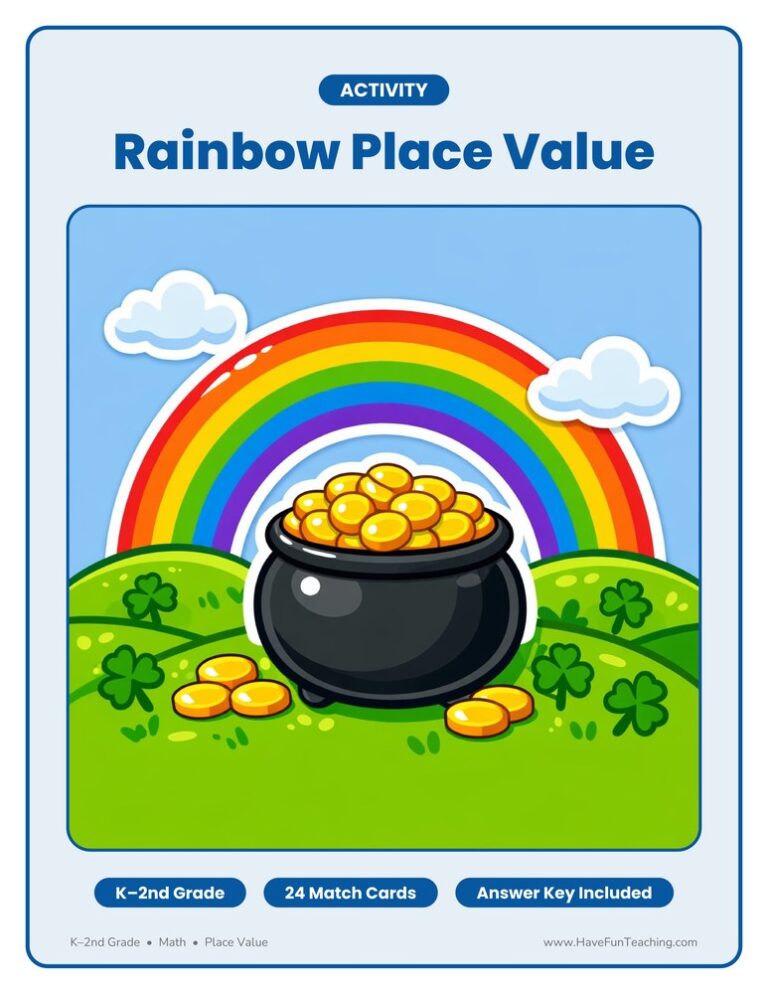
This rainbow place value activity has children match pots of gold to tens and ones cards. Made for Kindergarten to 2nd Grade, with a practice page and answer key included.

From our teachers' playbook

Bundle it up by tens!

What do 1st graders learn about base 10?

First grade is when kids discover that ten ones can be bundled into one ten. They learn that two-digit numbers are made of tens and ones: 46 = 4 tens and 6 ones. They find 10 more and 10 less than a number in their heads (36, 46, 56), compare two-digit numbers with >, < and =, and count all the way to 120. They also add tens and ones, like 40 + 7 or 32 + 20. The click moment comes when a child adds 10 to 58 without counting and just says "68, the tens went up!"

Our favorite ways to teach base 10

Base 10 is easiest to understand when kids can hold it. These moves go from blocks to pictures to numbers.

Bundle and count

Give kids a pile of straws or cubes and ask them to count it. Most will count by ones. Then show them how to bundle groups of ten with a rubber band and count again by tens. Seeing 47 straws become 4 bundles and 7 loose is unforgettable.

Why it works: kids understand an idea best when they touch it, then draw it, then write it, the order the U.S. Department of Education recommends for elementary math.

Using Base 10 Blocks to Write Numbers WorksheetTry it withUsing Base 10 Blocks to Write Numbers WorksheetWorksheetsOpen it →

Draw sticks and dots

Once kids can build numbers, teach a quick drawing: a line for each ten, a dot for each one. They draw numbers on whiteboards as fast as you can call them. It's the bridge from blocks to digits.

Why it works: pairing a picture with each word gives kids two ways to remember it, a well-tested principle of how people learn (Mayer, 2009).

Drawing Tens and Ones WorksheetTry it withDrawing Tens and Ones WorksheetWorksheetsOpen it →

A lesson on screen

Use a short on-screen lesson to introduce tens and ones, then pause it and have kids build the same number at their desks. Watching, then doing, keeps everyone on the same page.

Why it works: handing over the work step by step, from teacher to student, is one of the most widely used teaching frameworks (Pearson and Gallagher, 1983).

Determining Place Value Micro LessonTry it withDetermining Place Value Micro LessonMicro LessonsOpen it →

Questions parents and teachers ask us

What is base 10 in 1st grade?

Base 10 means our number system groups by tens. First graders learn that two-digit numbers are made of tens and ones, so 52 is 5 tens and 2 ones.

How do I teach 10 more and 10 less?

Use a hundred chart: 10 more is one row down and 10 less is one row up. Kids quickly notice that only the tens digit changes. Base 10 blocks show the same idea with a rod added or taken away.

What are base 10 blocks?

They're math tools where a small cube is one, a rod is ten, and a flat is one hundred. First graders mostly use cubes and rods to build two-digit numbers.

How can I practice tens and ones at home?

Bundle crayons, pasta or craft sticks into groups of ten. Ask your child to build a number like 34, or count a pile by making tens first. Dimes and pennies work great too.