

Create Your Own Insect Worksheet
This Create Your Own Insect Worksheet has 2nd graders match six insect body parts to their descriptions, then draw and label an insect of their own. Answer key included for fast, no-prep life science practice.
$6.97
Or free with a membership — members pay $3.33/mo for all 10,000+ resources. See plans
Want this one free?
Tell us where to send it and it’s yours — no card, no catch.
One free resource per teacher. We’ll also send free teaching ideas each week — unsubscribe anytime.
Teaching is easier with a membership
Unlimited printables, games & videos for PreK–6th — for your classroom or homeschool. Cancel anytime.
Start your 3-day free trial$0 today · cancel anytime · Instant access to 10,000+ resources
About this resource
Description
Every insect on the planet shares the same basic body plan, and learning that plan is one of the first big ideas in life science. An insect has three body parts — a head at the front, a thorax in the middle, and an abdomen at the back — plus six legs, two antennae, and, on most insects, wings. Once children can name those parts, they stop seeing “a bug” and start seeing a living thing they can describe. This Create Your Own Insect Worksheet gives second graders a clear, hands-on way to learn insect anatomy vocabulary and then put it to work.
The worksheet has two parts. In Part A, students match each insect body part to a short phrase that tells about it, drawing a line from the word to its description. A large, clearly drawn honeybee sits at the bottom of the page as a reference, showing the head, thorax, abdomen, antennae, wings, and all six legs. In Part B, students design an insect of their own inside a full-page drawing box, give it every required body part, label each one, and name their creature. Used as an insect body parts worksheet, it works beautifully as an introduction lesson, a follow-up to a nature walk, an early-finisher activity, or a take-home review.
What’s Included
- 1 print-ready PDF worksheet
- Answer key
- 6 body-part matching items plus a full-page draw-and-label activity
This Create Your Own Insect Worksheet helps children learn the skill in three ways. First, the matching section builds precise science vocabulary, so students can say thorax and abdomen instead of “the middle” and “the back.” Second, the drawing task turns recognition into recall: a child who has to build an insect from scratch must remember that it needs six legs and two antennae, not four legs or three antennae. Third, labeling their own drawing asks students to apply the words in a new setting, which is exactly the transfer step that makes new vocabulary stick.
Teachers and parents can stretch the lesson further with a few easy ideas. Take a magnifying glass outside and count the legs on real insects, then decide together whether a spider belongs in the group. Sort picture cards of animals into “insect” and “not an insect” piles and ask children to justify each choice. Build a model insect from clay, pipe cleaners, and craft sticks, checking off each body part as it is added. Post the finished drawings on a bulletin board and let the class name the new species. Pair the sheet with a read-aloud about bees, ants, or butterflies to connect the vocabulary to real habitats and jobs.
Related Resources
What teachers say
Reviews
You must be logged in to post a review.

The Life Cycle of a Butterfly Worksheet has 2nd graders label the egg, larva, pupa, and adult stages and put them in the correct order. Answer key included for quick, hands-on life science practice.

This matching animal habitats worksheet has 2nd Grade students connect five animals to the ocean, pond, desert, forest, and grassland, then finish three sentences. An answer key is included for fast, no-prep science practice.
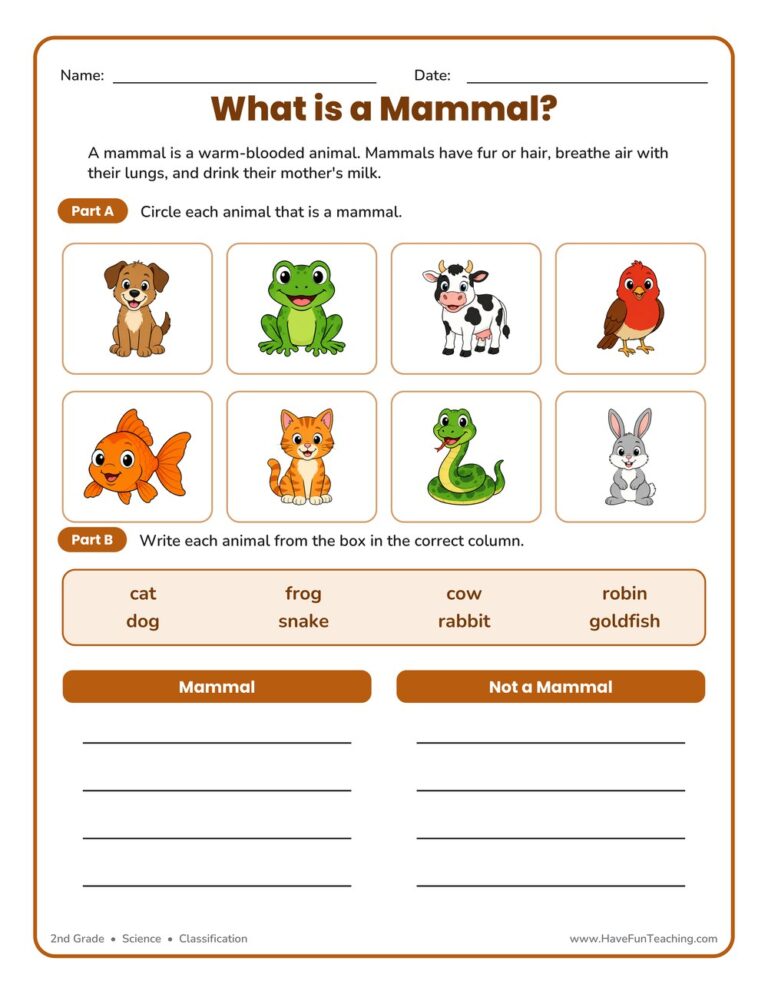
This mammal classification worksheet helps 2nd graders spot mammals and sort animals into mammal and not-a-mammal groups. It includes a complete answer key, making it perfect for no-prep science practice at home or in the classroom.

An animals bar graph worksheet for 2nd grade: students color one box per animal to build a four-category bar graph, then compare and add using it. Answer key included, so checking data work takes seconds.
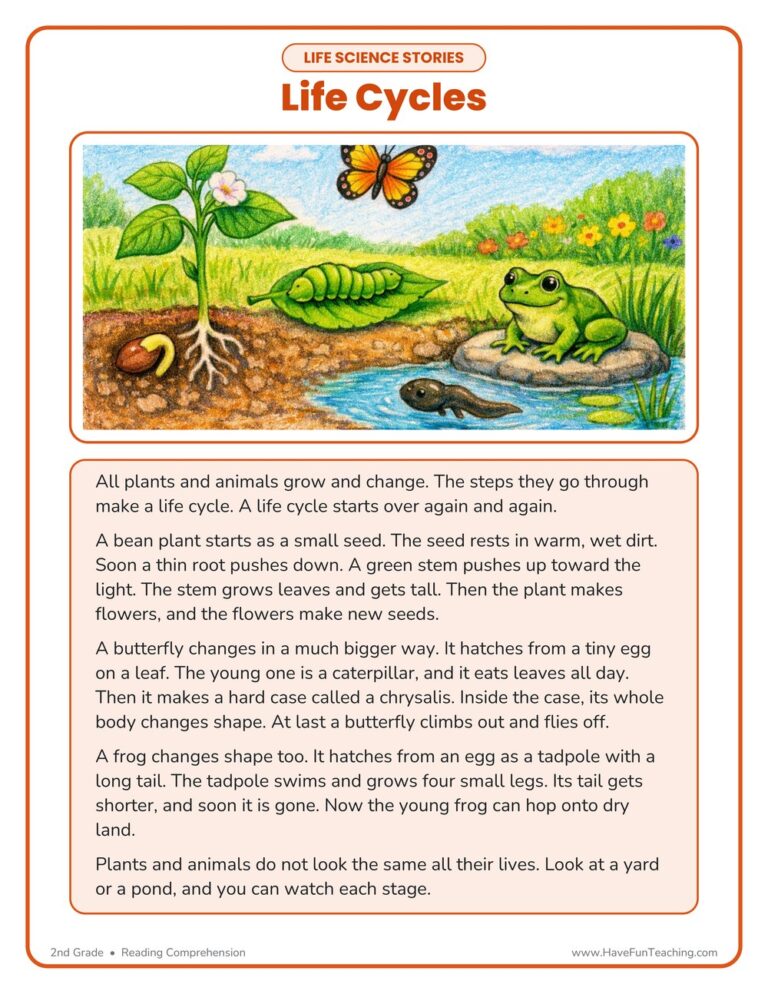
This Life Cycles Life Science Reading Comprehension Worksheet gives 2nd Grade readers a non-fiction story about seeds, caterpillars, and tadpoles, plus bubble, word-bank, and writing questions. Answer key included for fast, no-prep practice.
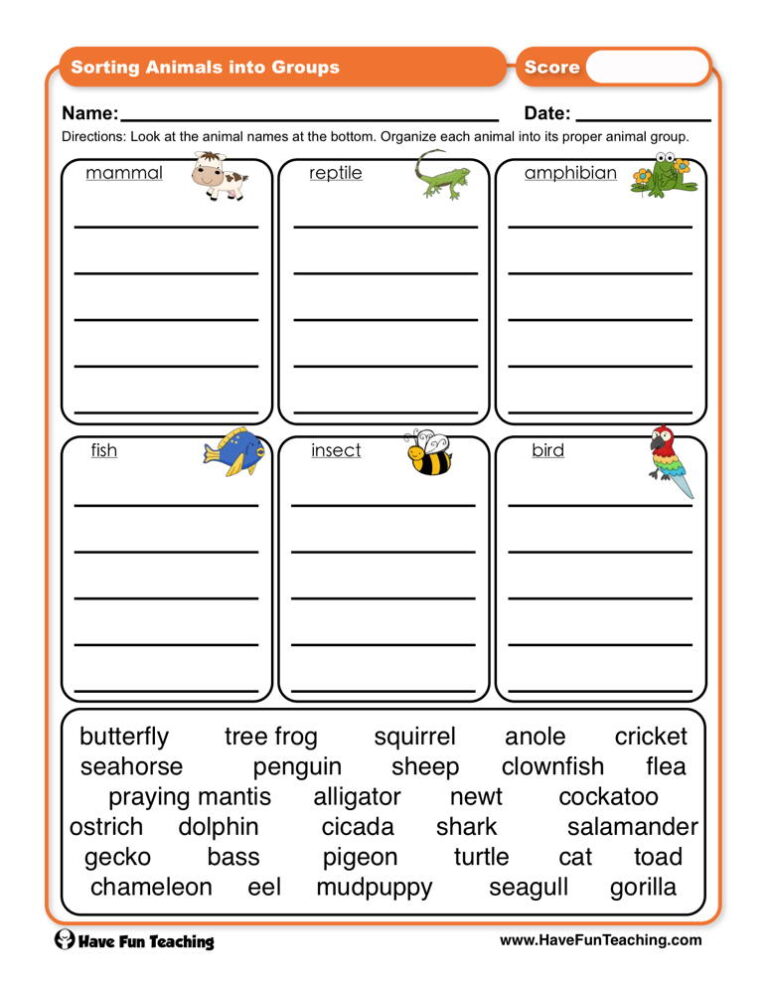
Practice animal classification with this Sorting Animals into Groups Worksheet for 2nd grade. Students sort twelve animals into six groups, with an answer key included for easy checking.

Using this Animal Song (Animated Music Video), your students learn about different types of animals and their sounds by watching this fun, catchy video.
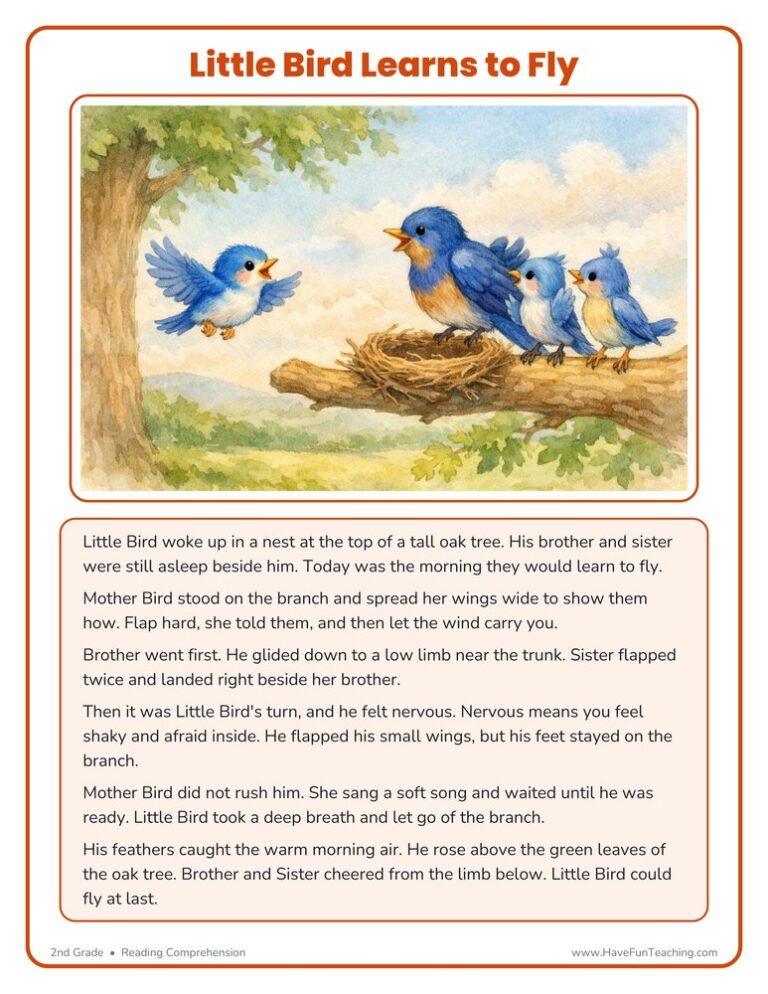
This Little Bird Learns to Fly Reading Comprehension Worksheet gives 2nd graders an illustrated animal story plus six questions on main idea, vocabulary, sequence, and inference. Answer key included for fast, no-prep reading practice.

This mammal fish bird worksheet asks 2nd graders to name the animal group for six pictures and four trait clues. An answer key is included, so checking the work takes only a minute.

This butterflies reading comprehension worksheet gives 2nd graders a short non-fiction passage on the butterfly life cycle, four bubble questions, and one written response. Answer key included for fast, no-prep practice.
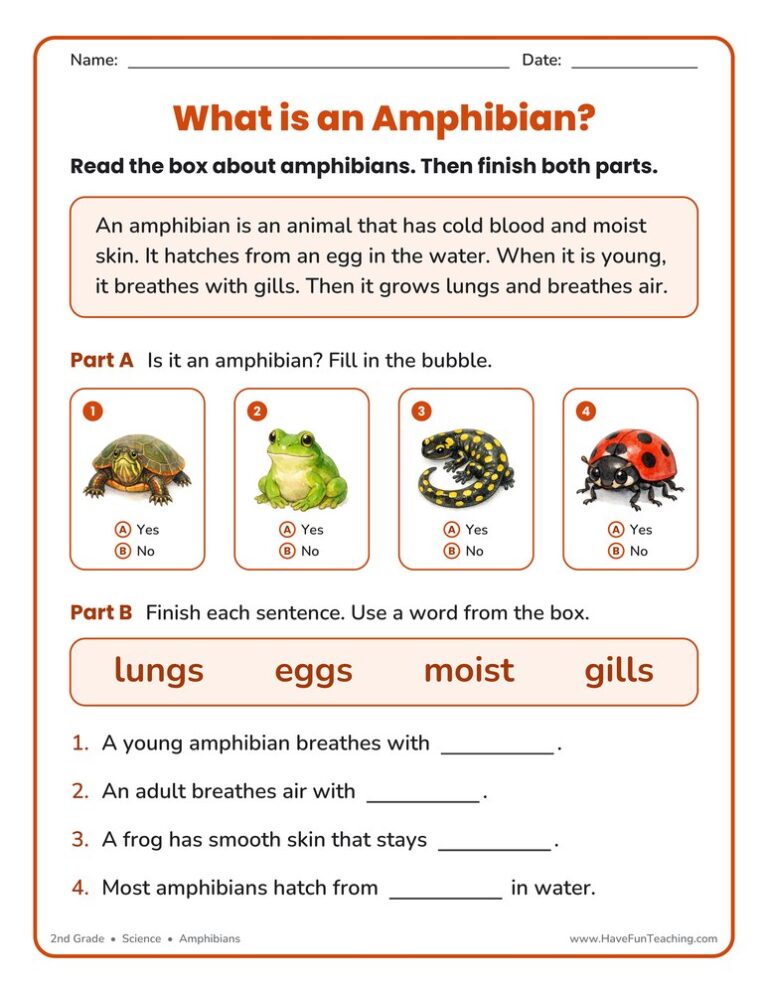
This amphibian classification worksheet asks 2nd graders to decide which animals are amphibians by checking their traits, then finish four sentences from a word bank. Answer key included for quick, no-prep science practice.
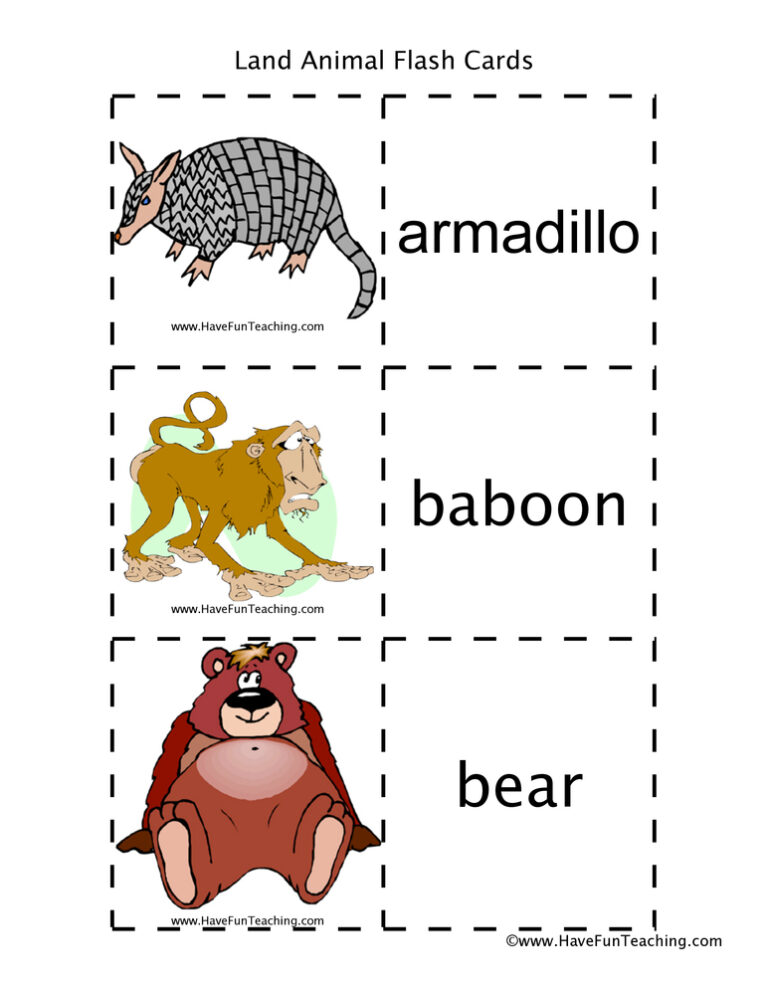
Using these Land Animal Flash Cards, students improve their Insect vocabulary by having a complete set of animal names they can use in their writing and discussions.




Reviews
There are no reviews yet