

Drawing Fossils Worksheet
This drawing fossils worksheet has 3rd graders sketch the imprint a fern leaf, seashell, fish and bird foot would leave in rock, then answer three written questions. Answer key included.
$6.97
Or free with a membership — members pay $3.33/mo for all 10,000+ resources. See plans
Want this one free?
Tell us where to send it and it’s yours — no card, no catch.
One free resource per teacher. We’ll also send free teaching ideas each week — unsubscribe anytime.
Teaching is easier with a membership
Unlimited printables, games & videos for PreK–6th — for your classroom or homeschool. Cancel anytime.
Start your 3-day free trial$0 today · cancel anytime · Instant access to 10,000+ resources
About this resource
Description
A fossil is a shape that a living thing left behind in rock, and learning to see one takes a careful eye. This drawing fossils worksheet asks third graders to do what a real fossil scientist does first: picture the plant or animal, decide which part of it would press into soft mud, and draw that shape. Sketching is not decoration here – it is how a scientist records an observation before anything else happens, and it forces a student to think about shape, edge and detail rather than skim past a photograph in a textbook.
Part A gives four labeled boxes – a fern leaf, a seashell, a fish and a bird foot – and a generous blank space in each one for the drawing. Because a fossil drawing worksheet works best when the thinking is visible, Part B follows with three written questions: what a fossil is, what we call a scientist who studies fossils, and how a shell shape could end up pressed into a rock at all. That last question is the one worth grading closely, because it asks a child to describe a process rather than repeat a definition.
What’s Included
- 1 print-ready PDF worksheet
- Answer key
- 4 labeled drawing boxes with room to sketch the imprint
- 3 short written-response questions with writing lines
Three things make this drawing fossils worksheet useful in a science block. First, drawing slows students down: a child who has to draw a fern imprint has to notice that the leaflets come in pairs, which no amount of reading forces them to do. Second, the four subjects are deliberately different kinds of evidence – a leaf shape, a hard shell, a whole animal and a footprint – so students see that a fossil is not only bones. Third, the written section gives a teacher something concrete to assess, and the answer key models the sentence-level answer a third grader should be able to produce.
To extend the lesson, press shells, leaves and toy animal feet into modeling clay or salt dough and let the shapes harden overnight – students can then trade imprints and try to identify each other’s. A magnifying glass turns a plain rock in the schoolyard into something worth ten minutes of attention. Ask students to keep an observation notebook and draw one natural object each week, dated and labeled, the way a field scientist would.
Related Resources
What teachers say
Reviews
You must be logged in to post a review.

Using this Animal Song (Animated Music Video), your students learn about different types of animals and their sounds by watching this fun, catchy video.

This animal habitats worksheet asks 3rd Grade students to match animals to their habitats, sort six animals into two environments, and explain one desert adaptation. An answer key is included for fast, no-prep science practice.

This birds worksheet has 3rd graders circle the facts true of all birds, sort eight animals into Bird and Not a Bird, and explain why a bat is not a bird. Answer key included.
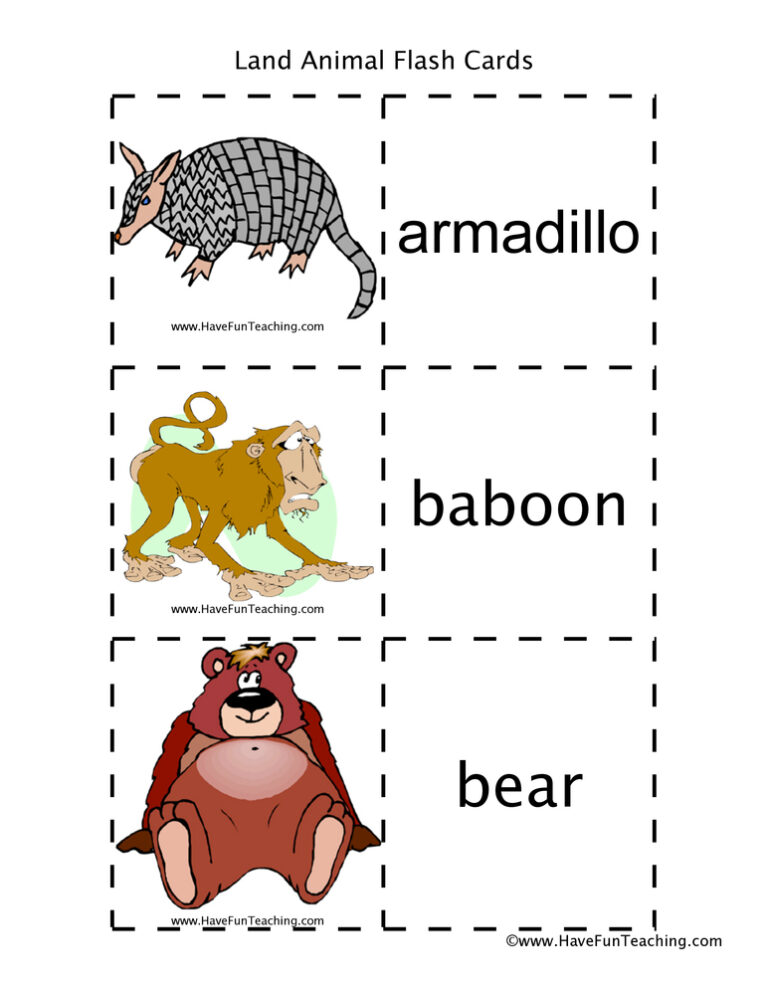
Using these Land Animal Flash Cards, students improve their Insect vocabulary by having a complete set of animal names they can use in their writing and discussions.
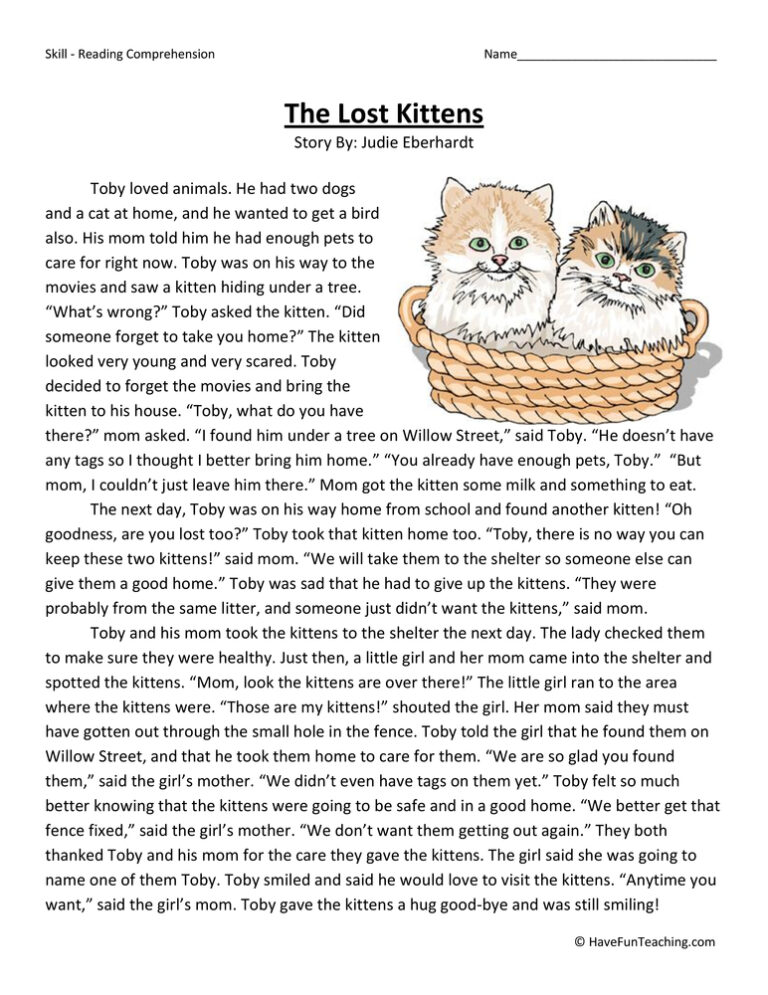
The Lost Kittens Reading Comprehension Worksheet gives 3rd grade readers an original story about two children who help two lost kittens get home, plus five text-based questions and a full answer key.
The Life Science Stories Reading Comprehension Digital Worksheet Collection has online digital worksheets for Google Classroom & online distance learning.
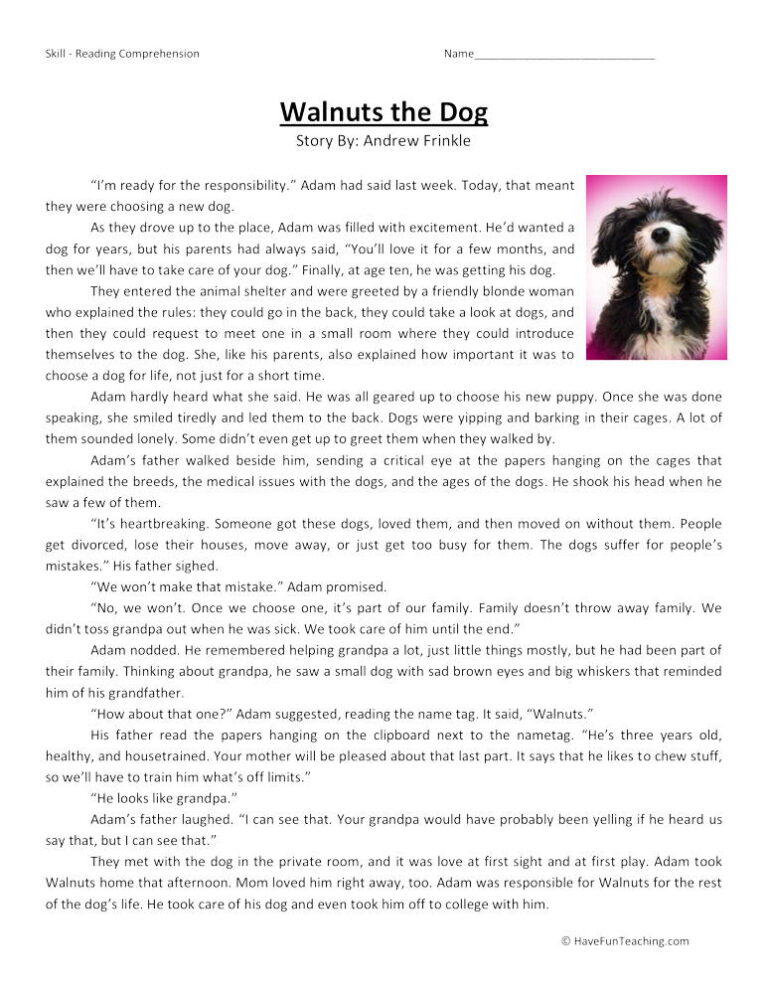
The Walnuts the Dog Reading Comprehension Worksheet gives 3rd grade students a short animal story with four multiple choice questions, a written response, and an answer key, so readers practice finding evidence in a text they enjoy.
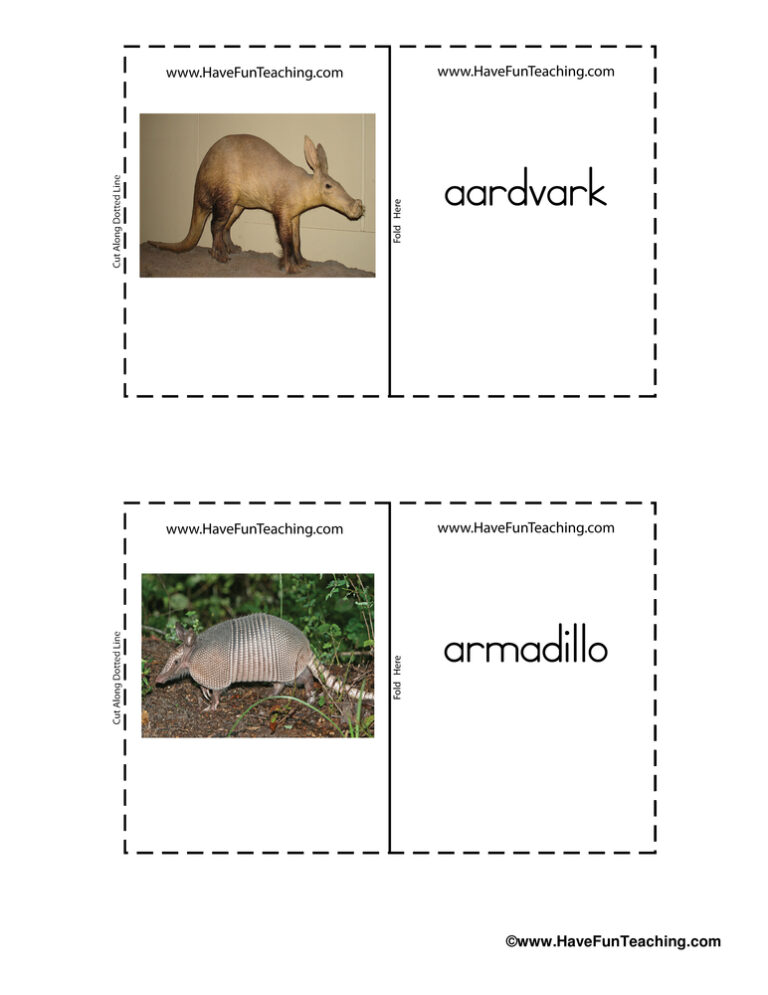
Using these Mammals Real Life Flash Cards , students improve their mammal vocabulary by describing the colorful flash cards.

This bird classification worksheet asks 3rd grade students to sort eight animals into birds and not birds, then match four trait clues. A full answer key makes the sort quick to check.

This reptiles, amphibians, and insects worksheet helps 3rd grade students sort four animals by their traits and explain their thinking in writing. Answer key included for quick, no-prep life science practice.
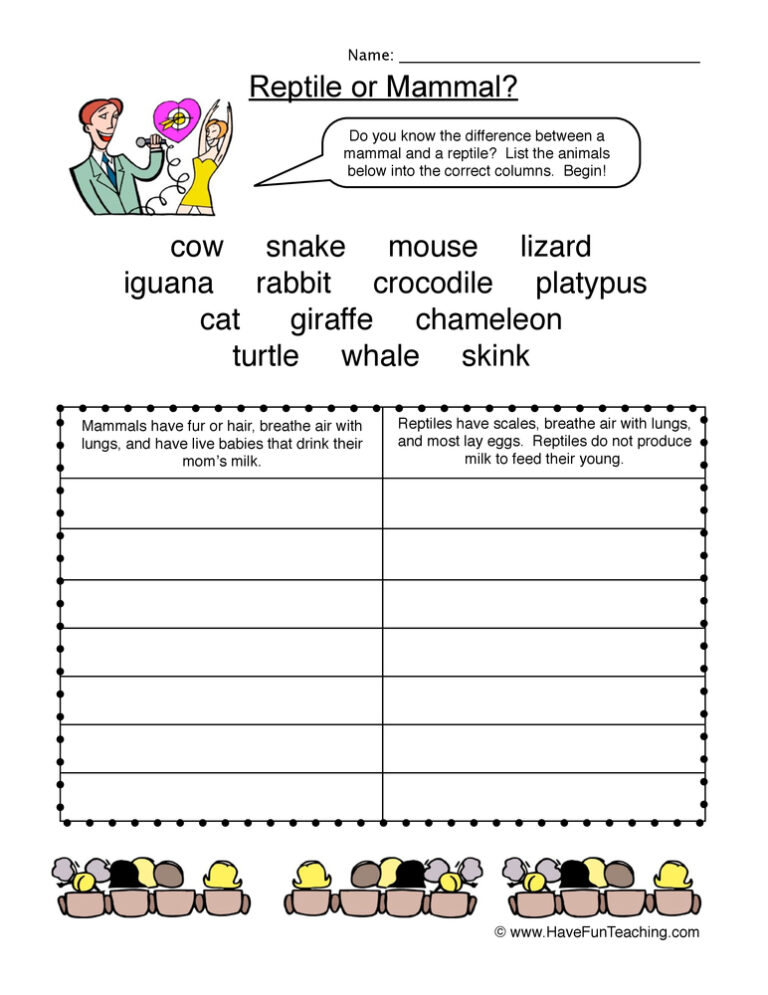
This mammal vs reptile worksheet has 3rd grade students sort eight animals into two groups, then name the clue that proves each answer, with an answer key included for fast checking.
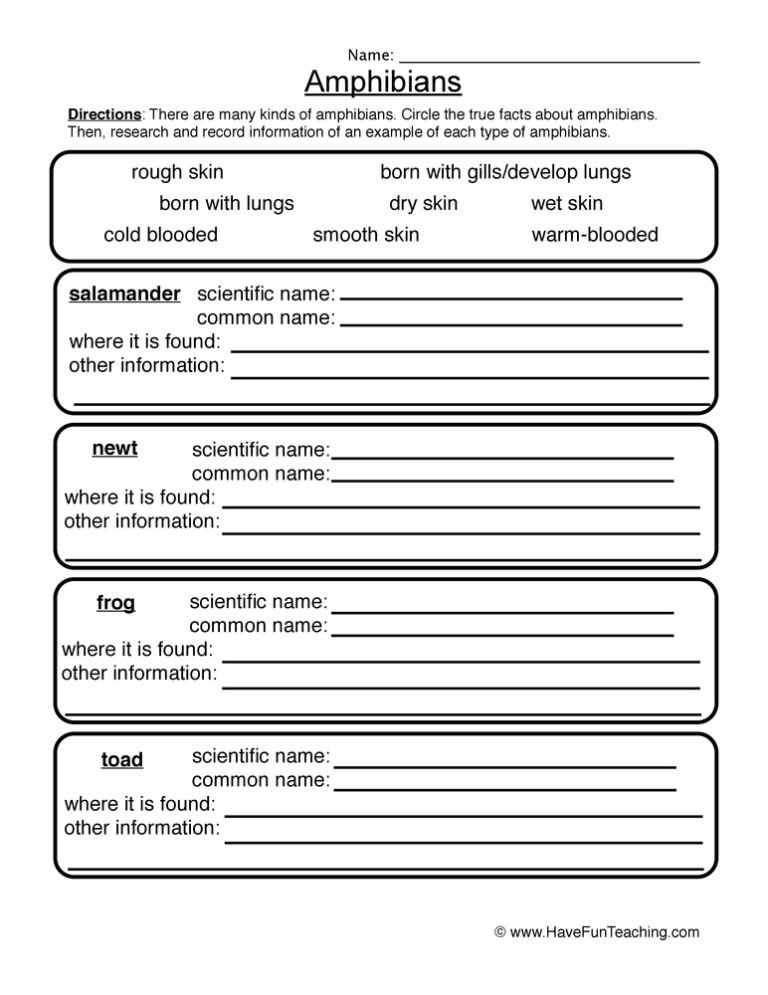
This amphibians worksheet has 3rd graders circle amphibian traits, sort eight animals into amphibian and non-amphibian columns, and explain their thinking. Answer key included for fast, no-prep science practice.




Reviews
There are no reviews yet