
Skip to content
Start My 3 Free Days $0 today · cancel anytime

3rd Grade Animals Resources

76 3rd grade animals resources: 50 worksheets, 20 assessments, 8 songs and more. How teachers use these

3rd Grade Animals Resources

76 3rd grade animals resources: 50 worksheets, 20 assessments, 8 songs and more. How teachers use these

Video
Video3rd GradeMammal Song

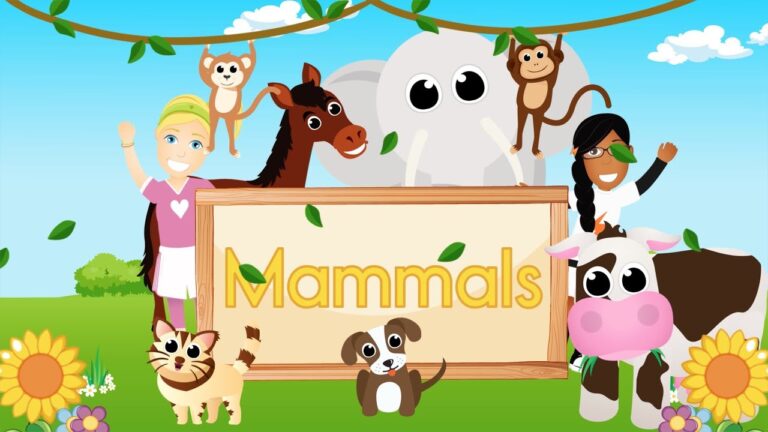
The Mammal Song by Have Fun Teaching is perfect for teaching and learning all about mammals. This animated music video teaches that mammals breathe air with lungs, are warm-blooded, have fur or hair, give birth to live young and feed their babies milk. While watching the Mammal Song, students learn…

Worksheet
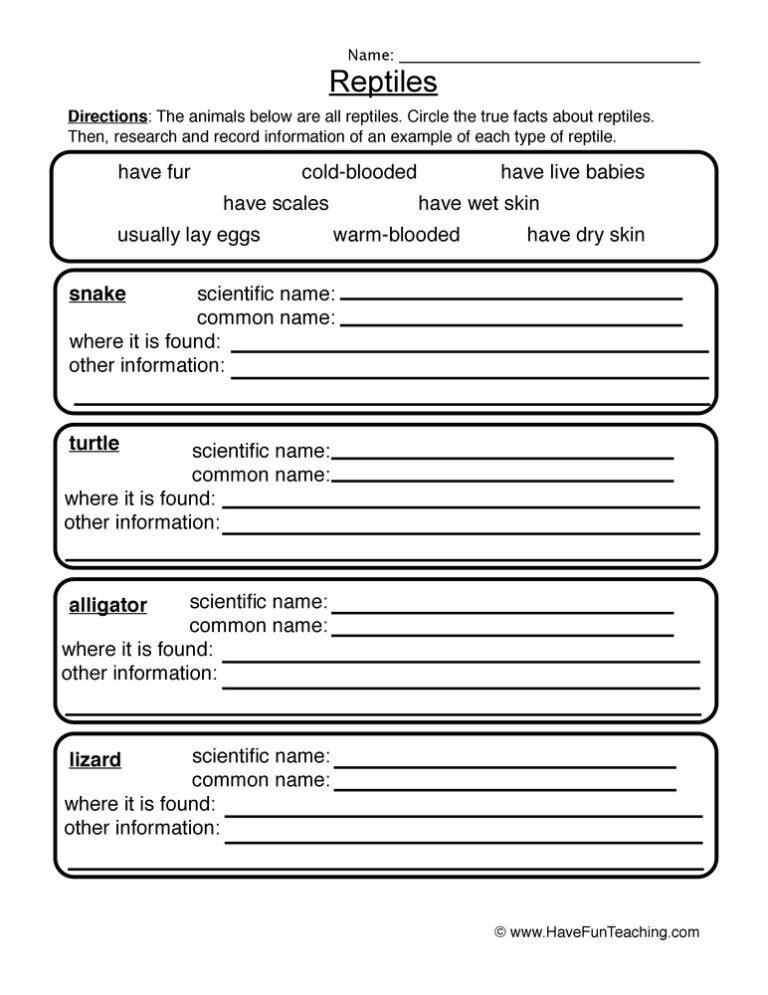
Worksheet3rd GradeReptiles Worksheet

This reptiles worksheet has 3rd Grade students check reptile facts, sort eight animals into reptile and not-a-reptile columns, and explain how a frog differs. An answer key is included, so checking work takes seconds.

Worksheet
Worksheet3rd GradeAnimal Habitats Worksheet

This animal habitats worksheet asks 3rd Grade students to match animals to their habitats, sort six animals into two environments, and explain one desert adaptation. An answer key is included for fast, no-prep science practice.

Video
Video3rd GradeAnimal Song (Animated Music Video)

Using this Animal Song (Animated Music Video), your students learn about different types of animals and their sounds by watching this fun, catchy video.

Worksheet
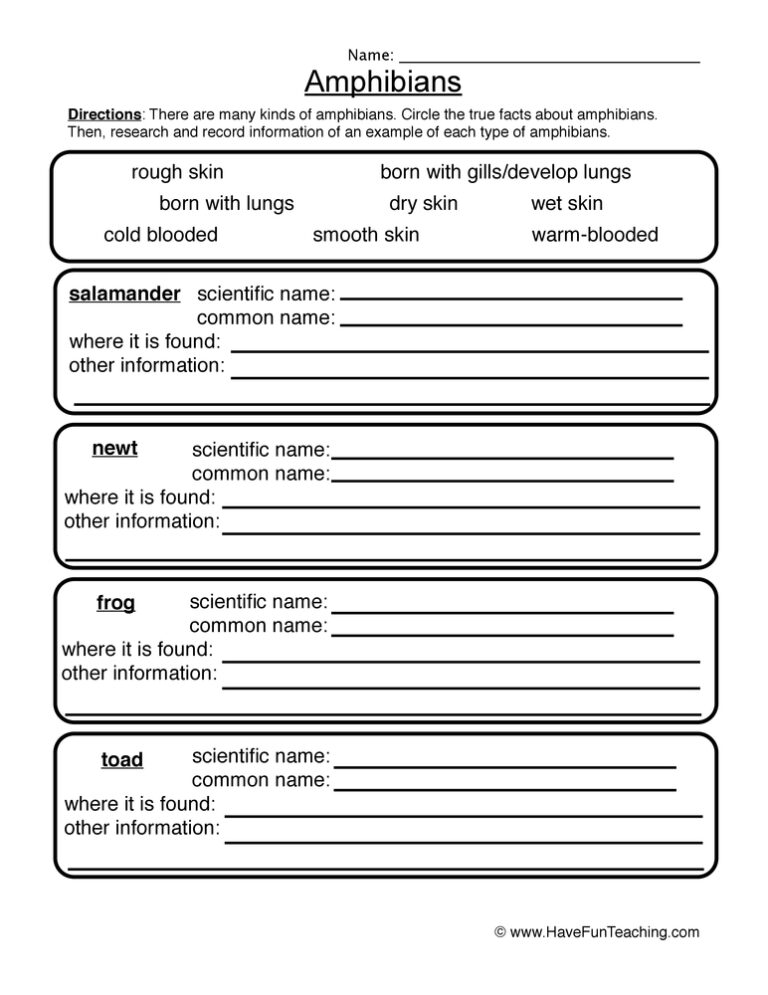
Worksheet3rd GradeAmphibians Worksheet

This amphibians worksheet has 3rd graders circle amphibian traits, sort eight animals into amphibian and non-amphibian columns, and explain their thinking. Answer key included for fast, no-prep science practice.

Worksheet
Worksheet3rd GradeDrawing Fossils Worksheet

This drawing fossils worksheet has 3rd graders sketch the imprint a fern leaf, seashell, fish and bird foot would leave in rock, then answer three written questions. Answer key included.

Worksheet
Worksheet3rd GradeBird Classification Worksheet

This bird classification worksheet asks 3rd grade students to sort eight animals into birds and not birds, then match four trait clues. A full answer key makes the sort quick to check.

Assessment
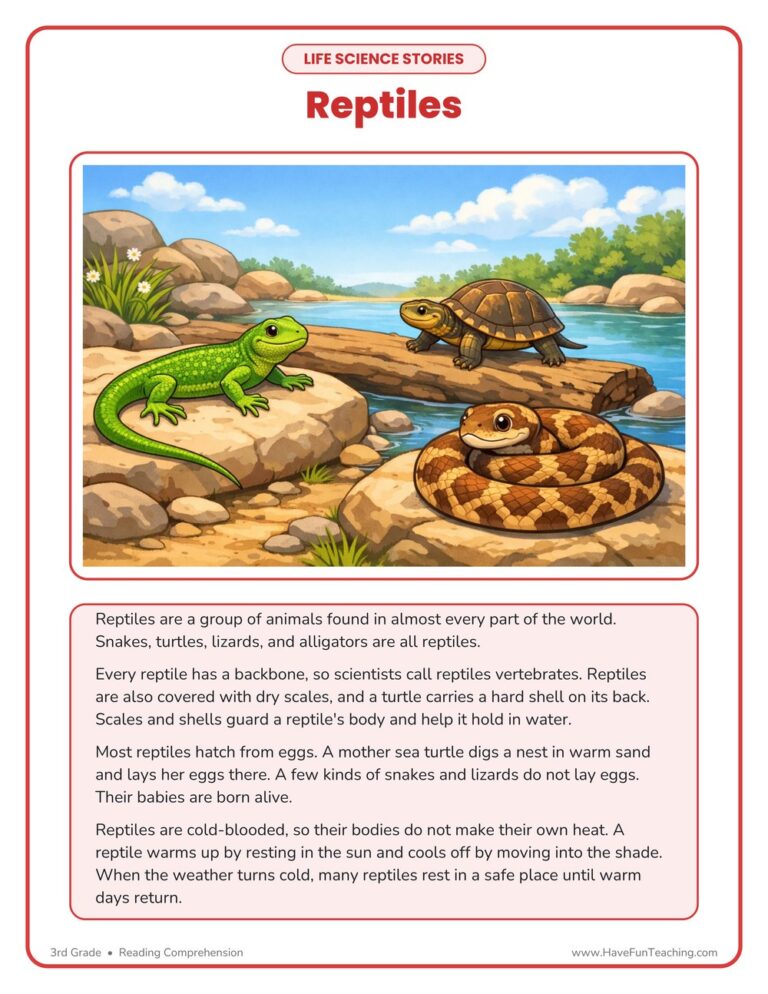
Assessment3rd GradeReptiles Life Science Reading Comprehension Worksheet

Build non-fiction reading skills with the Reptiles Life Science Reading Comprehension Worksheet, a 3rd grade passage about reptiles with comprehension questions and an answer key included. Reading and science practice in one page.

Video
Video3rd GradeAmphibian Song

The Amphibian Song by Have Fun Teaching is perfect for teaching and learning all about amphibians. This animated music video teaches that amphibians live on land and in water, start life with gills, go through metamorphosis and have moist skin without scales. While watching the Amphibian Song, students learn the…

Video
Video3rd GradeBird Song

The Bird Song by Have Fun Teaching is perfect for teaching and learning all about birds. This animated music video teaches that birds have beaks but no teeth, walk on two feet, lay eggs, are warm-blooded, have backbones and are covered with feathers. While watching the Bird Song, students learn…

Worksheet
Worksheet3rd GradeAnimals Matching Classification Worksheet

This animals matching classification worksheet has 3rd grade students sort twelve animals into mammals, birds, reptiles, amphibians, fish, and insects, then solve clue questions. An answer key is included for quick checking.

Video
Video3rd GradeInsect Song

The Insect Song by Have Fun Teaching is perfect for teaching and learning all about insects. This animated music video teaches what makes an insect an insect: an exoskeleton, three body parts (head, thorax and abdomen), six legs and two antennae. While watching the Insect Song, students learn the traits…

Worksheet
Worksheet3rd GradeInsects Worksheet

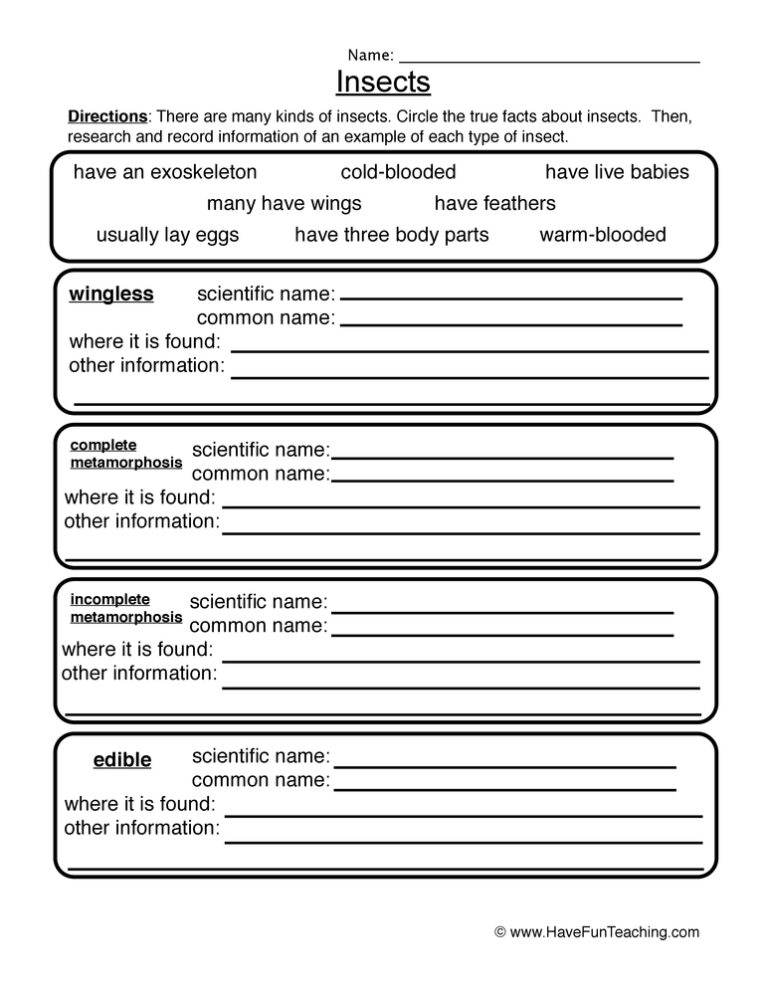
This insects worksheet helps 3rd grade students circle true insect facts, sort eight animals into insect groups, and explain why a spider is not an insect, with an answer key included for easy checking.

Video
Video3rd GradeFish Song

The Fish Song by Have Fun Teaching is perfect for teaching and learning all about fish. This animated music video teaches that fish have fins and scales, swim in water, breathe with gills, have skeletons of cartilage or bone, and live in freshwater and saltwater. While watching the Fish Song,…

Worksheet
Worksheet3rd GradeBirds Worksheet

This birds worksheet has 3rd graders circle the facts true of all birds, sort eight animals into Bird and Not a Bird, and explain why a bat is not a bird. Answer key included.

Worksheet
Worksheet3rd GradeFish Worksheet

This fish worksheet has 3rd graders circle the facts that are true of all fish, sort eight animals into Fish and Not a Fish, and explain how a dolphin is different. Answer key included.

Worksheet
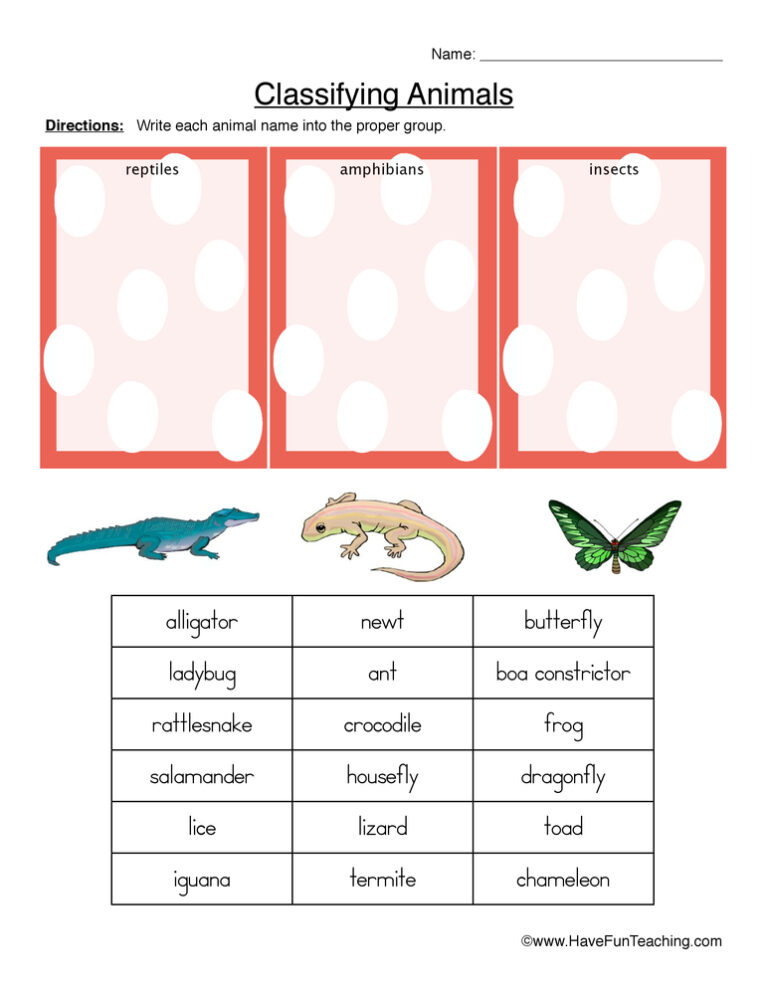
Worksheet3rd GradeClassifying Reptiles, Amphibians, or Insects Worksheet

This Classifying Reptiles, Amphibians, or Insects Worksheet helps 3rd Grade students sort twelve animals by their traits and explain their thinking. An answer key is included, so checking work takes seconds.

Assessment
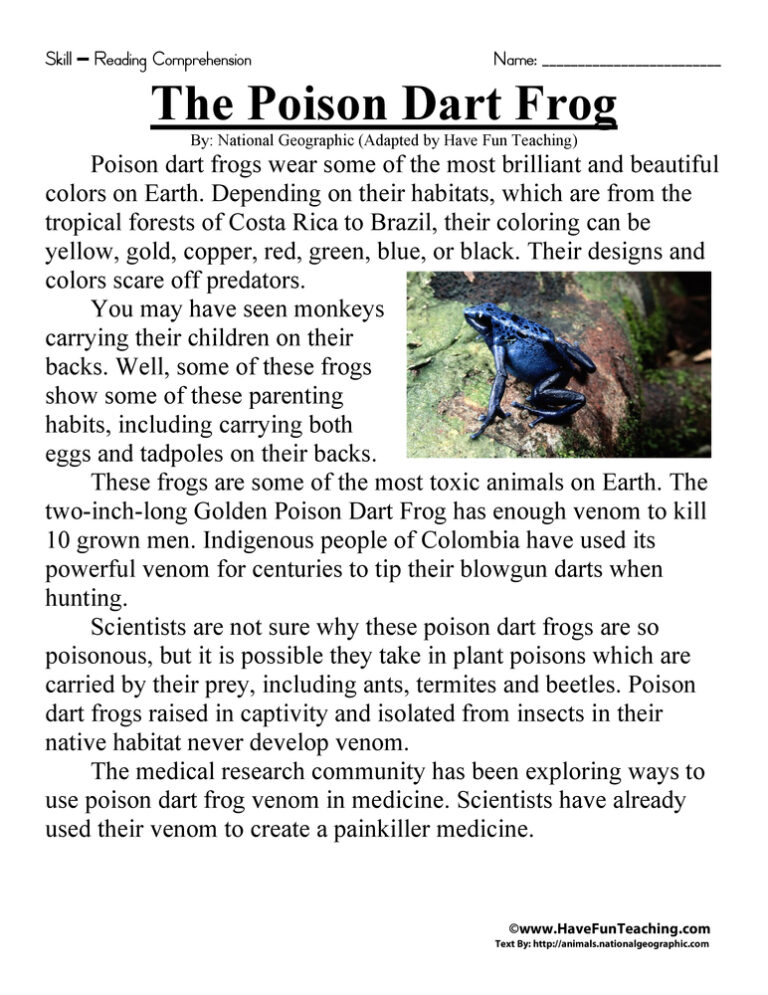
Assessment3rd GradeThe Poison Dart Frog Reading Comprehension Worksheet

The Poison Dart Frog Reading Comprehension Worksheet gives 3rd grade students an original animal article, four bubble questions and a written response. An answer key is included, so it is ready to print and teach.

Video
Video3rd GradeReptile Song

The Reptile Song by Have Fun Teaching is perfect for teaching and learning all about reptiles. This animated music video teaches that reptiles breathe with lungs, have claws and scales, lay eggs on land, use the sun for heat and are cold-blooded. While watching the Reptile Song, students learn the…

Worksheet
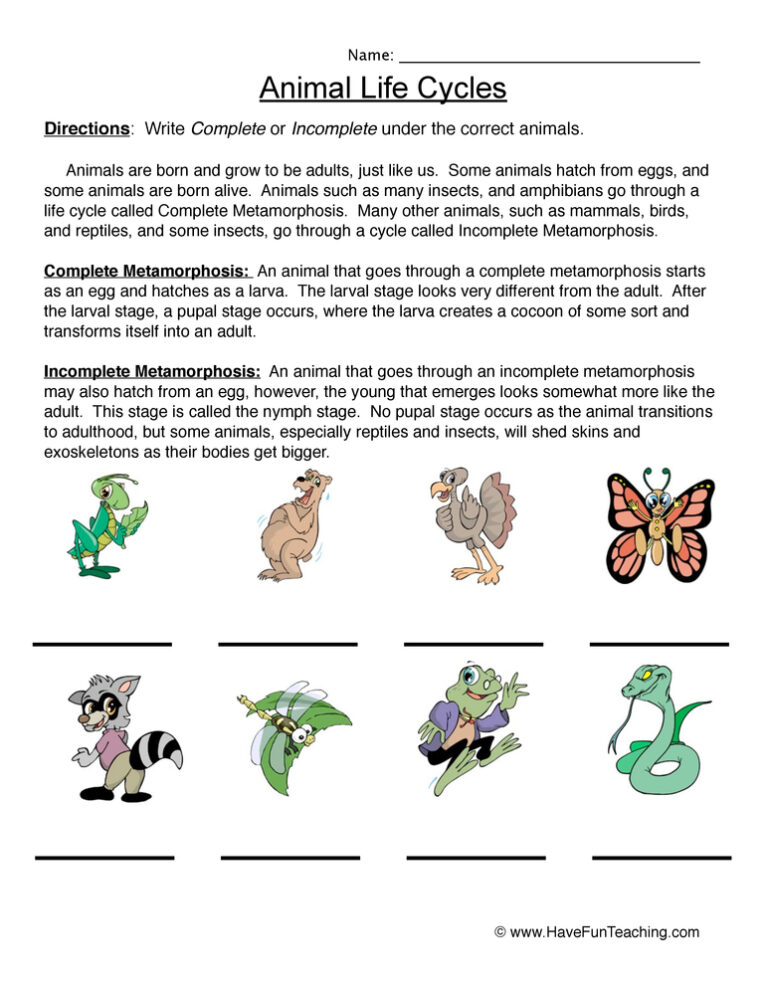
Worksheet3rd GradeAnimal Life Cycles Worksheet

This animal life cycles worksheet has 3rd graders order a butterfly's four stages, sort six insects by complete or incomplete metamorphosis, and explain the difference. Answer key included for fast, no-prep life science practice.

From our teachers' playbook

Fur, feathers, scales and life cycles

What do 3rd graders learn about animals?

Third graders become real animal scientists. They sort animals into groups like mammals, birds, reptiles, amphibians and fish by their traits: does it have fur, feathers or scales? They study life cycles and learn that every animal is born, grows, reproduces and dies, though a frog's life cycle looks very different from a dog's. They also learn that animals have traits passed down from parents and features that help them survive in their habitats, like a camel's hump in the desert. Fossils show them that some animals lived long ago. The click is when kids can look at a mystery animal and explain which group it belongs to!

Our favorite ways to teach animals in 3rd grade

Kids already love animals. These moves turn that love into real science.

Sing the animal groups

Start the unit with a mammal song and let kids list the traits they hear in it, like fur and breathing air. Then compare those traits with birds or reptiles. A song gives kids an easy hook for the vocabulary.

Why it works: a catchy, repeating tune gives the brain a hook to hang words on, so sung text is remembered better (Wallace, 1994).

Mammal SongTry it withMammal SongSongsOpen it →

Sort by traits

Hand out animal cards and let groups invent their own ways to sort them. Then introduce the scientific groups and see how close they came. Kids remember classification better when they tried it first.

Why it works: kids understand an idea best when they touch it, then draw it, then write it, the order the U.S. Department of Education recommends for elementary math.

Animals Matching Classification WorksheetTry it withAnimals Matching Classification WorksheetWorksheetsOpen it →

Draw the life cycle

Have kids draw a frog life cycle and a chicken life cycle side by side, with arrows between each stage. Then ask, "What is the same? What is different?" Comparing two cycles makes the big idea stick.

Why it works: children learn more from words and pictures together than from words alone (Mayer, 2009).

Animal Life Cycles WorksheetTry it withAnimal Life Cycles WorksheetWorksheetsOpen it →

Questions parents and teachers ask about 3rd grade animals

What do 3rd graders learn about animals?

Third graders learn to classify animals by traits, study life cycles, explore how traits are passed from parents and see how animals adapt to their habitats. Many also learn about fossils.

What are the five groups of vertebrates?

The five groups are mammals, birds, reptiles, amphibians and fish. Each group shares traits, like fur for mammals, feathers for birds and scales for reptiles and fish.

What is the difference between a reptile and an amphibian?

Reptiles have dry, scaly skin and usually lay eggs on land. Amphibians have smooth, moist skin and usually start life in water, like a tadpole that grows into a frog.

How can I teach animal life cycles at home?

Watch a butterfly or frog life cycle video together, then draw it. If you can, raise caterpillars or plant seeds so kids see a life cycle happen in real life.



