
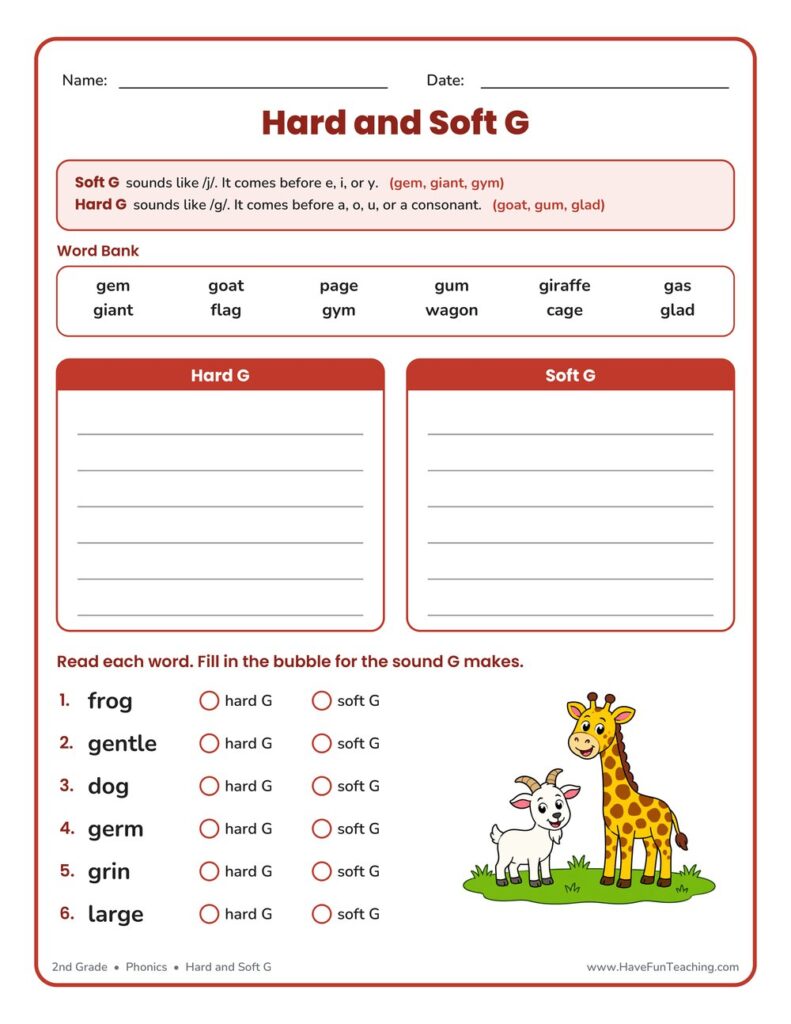
Hard G and Soft G Worksheet
This Hard and Soft G Worksheet helps 2nd graders sort words by the hard g and soft g sound and mark which sound the letter g makes. Includes an answer key for quick, no-prep phonics practice.
$6.97
Or free with a membership — members pay $3.33/mo for all 10,000+ resources. See plans
Want this one free?
Tell us where to send it and it’s yours — no card, no catch.
One free resource per teacher. We’ll also send free teaching ideas each week — unsubscribe anytime.
Teaching is easier with a membership
Unlimited printables, games & videos for PreK–6th — for your classroom or homeschool. Cancel anytime.
Start your 3-day free trial$0 today · cancel anytime · Instant access to 10,000+ resources
About this resource
Description
Learning when the letter g makes its hard sound and when it makes its soft sound is an important step in early phonics, and this Hard and Soft G Worksheet makes that skill easy to practice. Second graders discover that g sounds like /g/ in words like goat and gum, but sounds like /j/ in words like gem and giant. By listening for the vowel that follows the letter g, students learn a simple rule they can use to read and spell hundreds of new words with confidence.
This 2nd grade consonants worksheet gives children hands-on practice with the hard and soft g rule. Students begin with a word bank, then sort each word into the correct Hard G or Soft G column. Next, they read a short list of words and fill in the bubble to show which sound the letter g makes. Teachers can use it for independent practice, small-group phonics lessons, morning work, or homework, and the included answer key makes checking quick and easy.
What’s Included
- 1 print-ready PDF worksheet
- Answer key
- A word-sort activity and a fill-in-the-bubble sound activity
This Hard and Soft G Worksheet helps students in three important ways. First, sorting words builds the habit of looking at the letter that follows g, which is the key to knowing its sound. Second, the fill-in-the-bubble activity strengthens listening skills as children say each word aloud and decide between the hard and soft sound. Third, practicing both skills on one page helps young readers connect spelling patterns to pronunciation so they can decode new words on their own.
To extend the lesson, invite children to hunt for hard and soft g words in their favorite books and add them to a class chart. Play a quick sorting game with word cards, or ask students to draw a goat and a giraffe and label the sound each g makes. At home, families can take turns naming hard and soft g words during dinner or on a walk, turning phonics practice into a fun everyday game.
Related Resources
What teachers say
Reviews
You must be logged in to post a review.
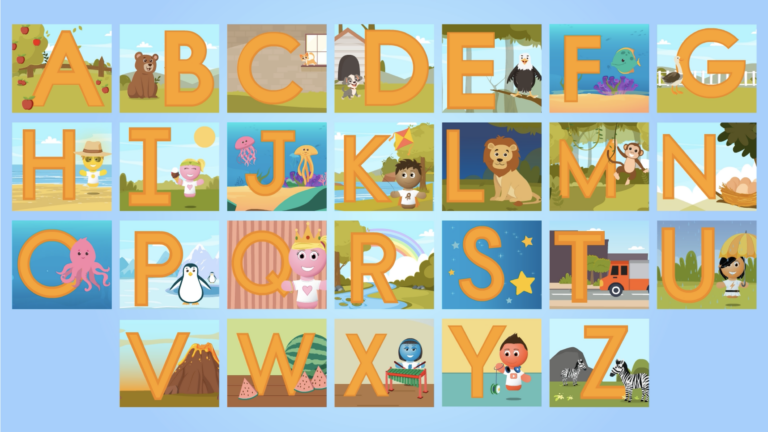
This Alphabet Micro Lesson is a short 3 minute video that teaches all about the Alphabet, including letter recognition, consonants, and vowels.

This is the Alphabet Song by Have Fun Teaching offers a fun and engaging way to learn the alphabet. This song helps children master their ABCs with a catchy tune and memorable lyrics. The repetition and rhythm make it easier for kids to remember the alphabet letters. Teachers and parents…
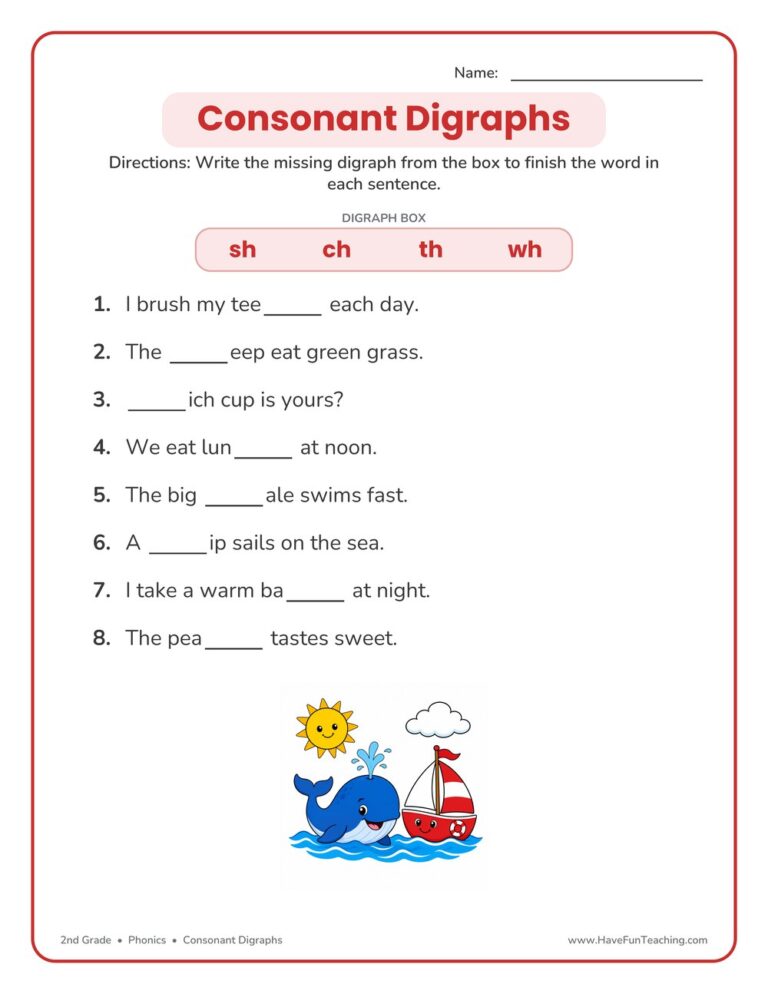
This consonant digraphs worksheet gives 2nd graders hands-on practice spelling sh, ch, th, and wh words in fun sentences. An answer key is included, making it perfect for quick, no-prep phonics practice at home or school.

Students use this spelling words worksheet to add onsets to the -ock, -est, and -ool rimes, then sort nine words by family. Built for 2nd Grade with an answer key included, so spelling patterns finally stick.
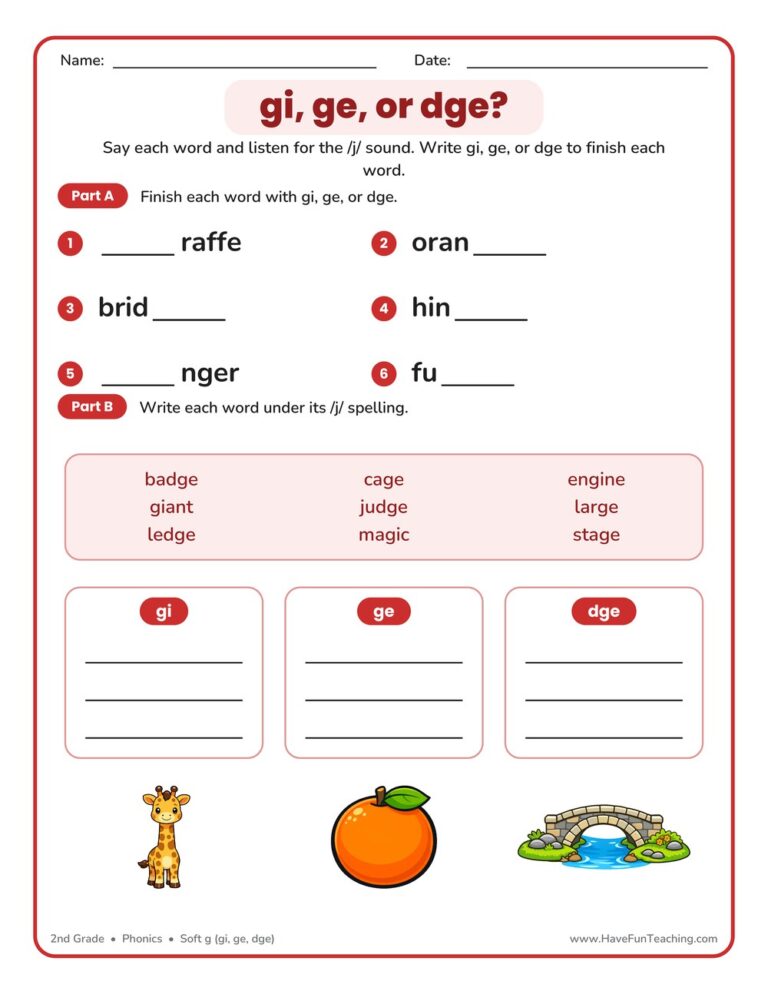
This gi ge dge worksheet gives 2nd Grade students fun practice spelling the soft g /j/ sound with gi, ge, and dge. An answer key is included to make review quick and easy.
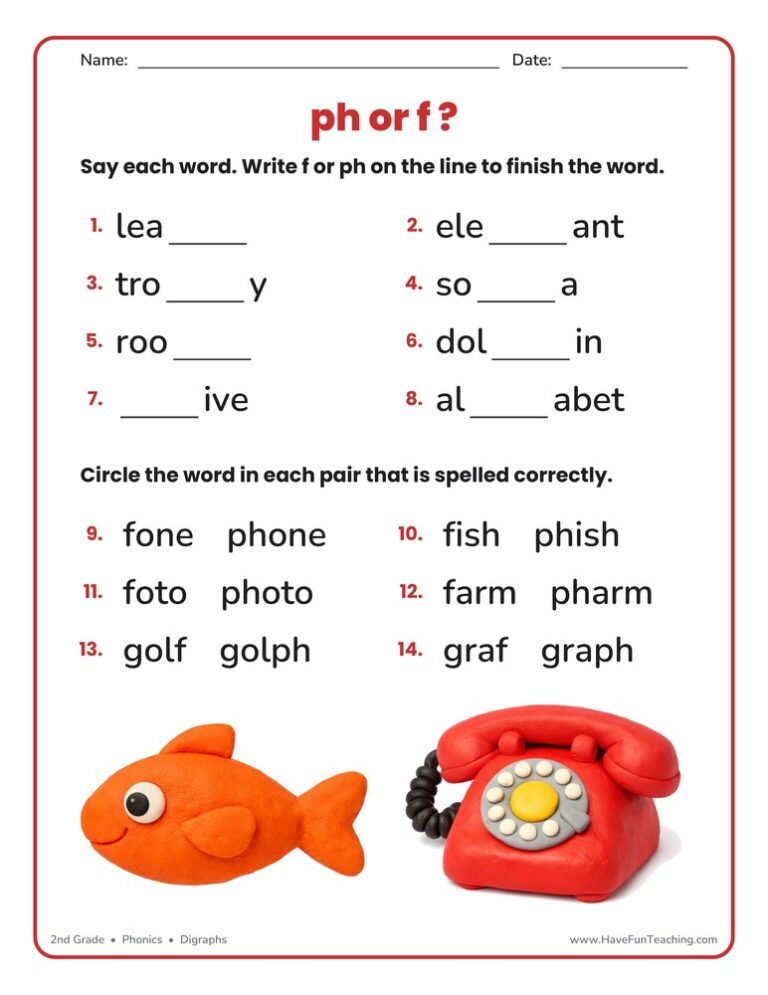
The F or PH Worksheet gives 2nd graders hands-on practice choosing between the f and ph spellings of the /f/ sound. Answer key included, so students can check their own work and build confident spelling habits.
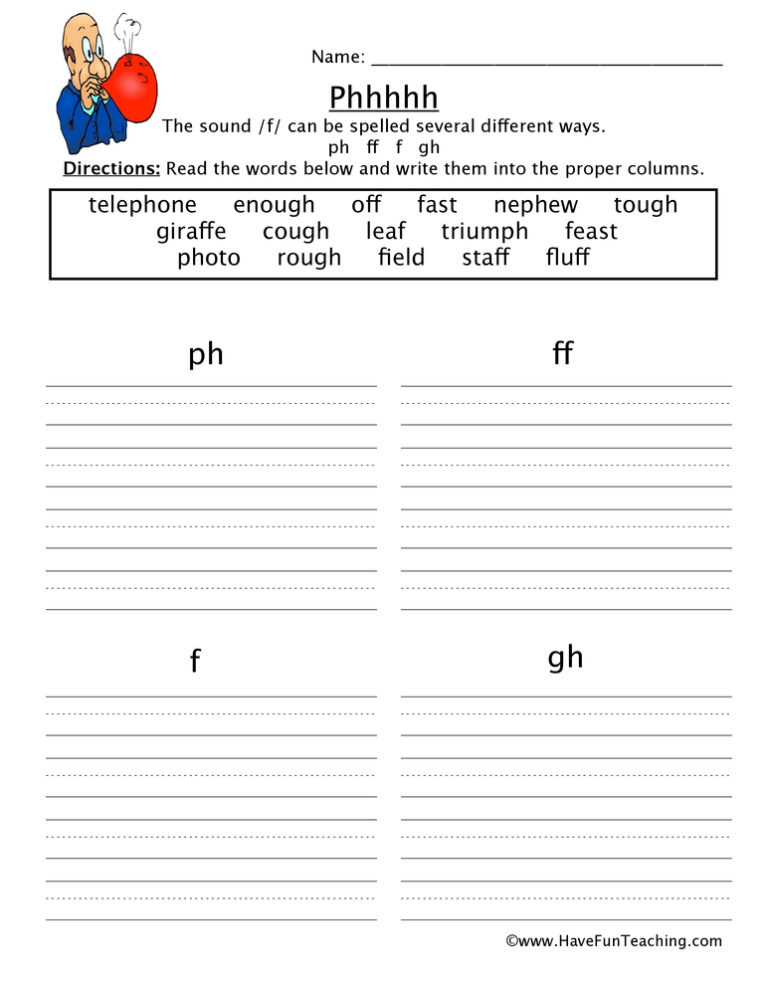
This PH FF F GH worksheet asks 2nd graders to sort sixteen words by the letters that spell the /f/ sound. An answer key is included for fast, no-prep phonics practice at home or in class.
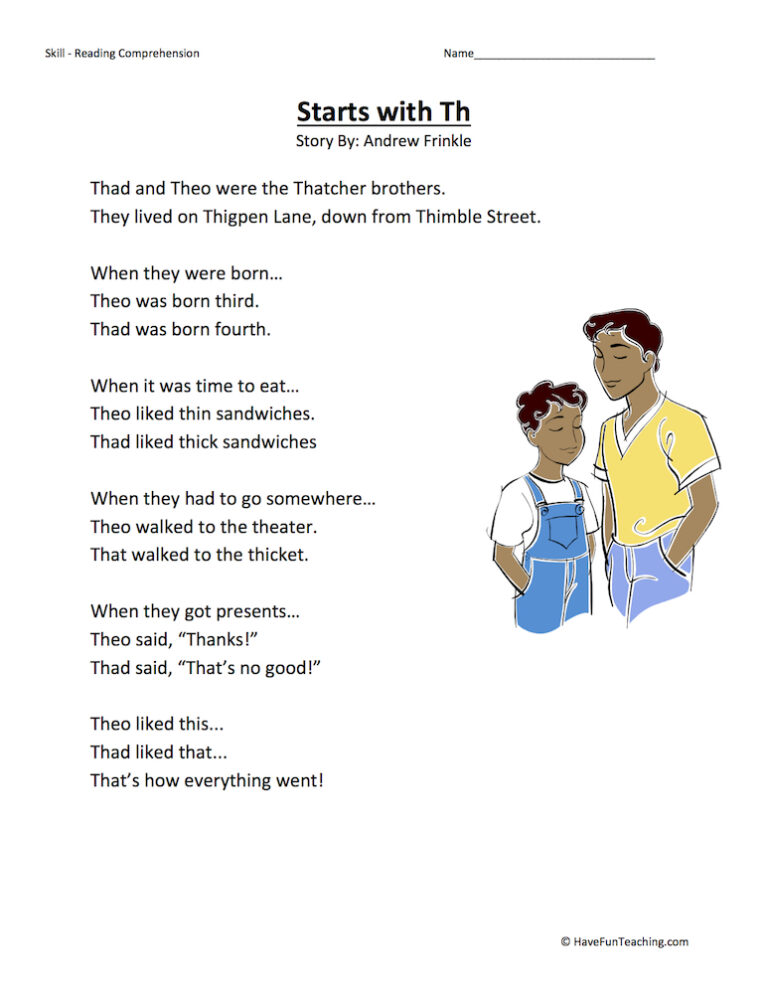
A second grade Starts with Th reading comprehension worksheet where kids read a fun Th-digraph story about two brothers, then answer questions. Includes an answer key — perfect for no-prep phonics and reading practice.
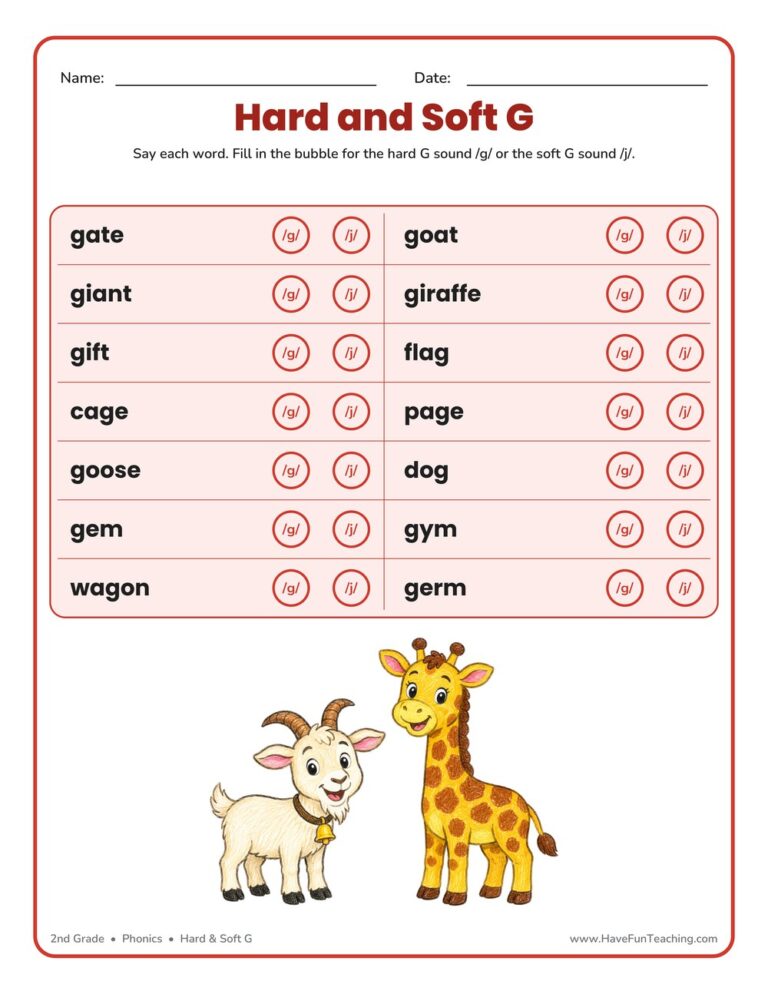
The Circle Hard Soft G Words Worksheet helps 2nd graders say each word and mark the hard G /g/ or soft G /j/ sound. Includes an answer key for fast, no-prep phonics practice.
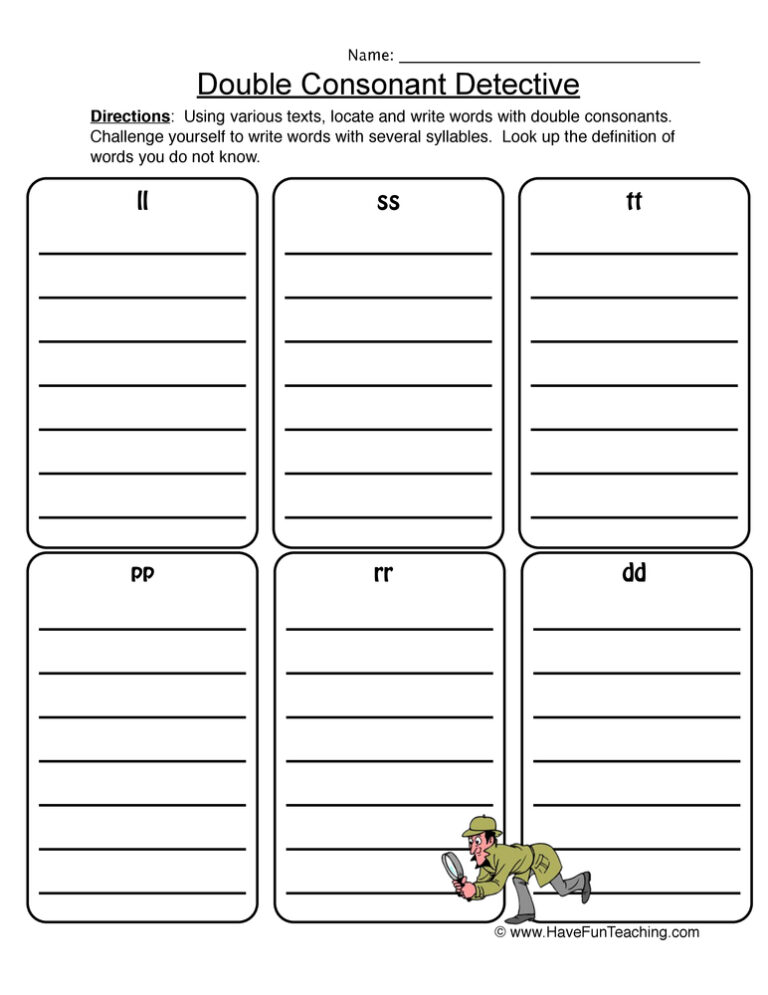
Practice double consonant words with this 2nd Grade worksheet. Students circle the word that fits each sentence and finish three more from a word box, with an answer key included.

This Separating Double Consonants Worksheet has 2nd grade students split six words between their double letters and rebuild three more from syllables, with an answer key for quick checking.

Using the Blends, Digraphs, and Trigraphs Activity, students create lists of words that have beginning and ending blends, digraphs, or trigraphs.
Reviews
There are no reviews yet