Skip to content
Start My 3 Free Days $0 today · cancel anytime

2nd Grade Beginning Sounds Resources

42 2nd grade beginning sounds resources: 23 worksheets, 20 assessments, 13 activities and more. How teachers use these

2nd Grade Beginning Sounds Resources

42 2nd grade beginning sounds resources: 23 worksheets, 20 assessments, 13 activities and more. How teachers use these

Worksheet
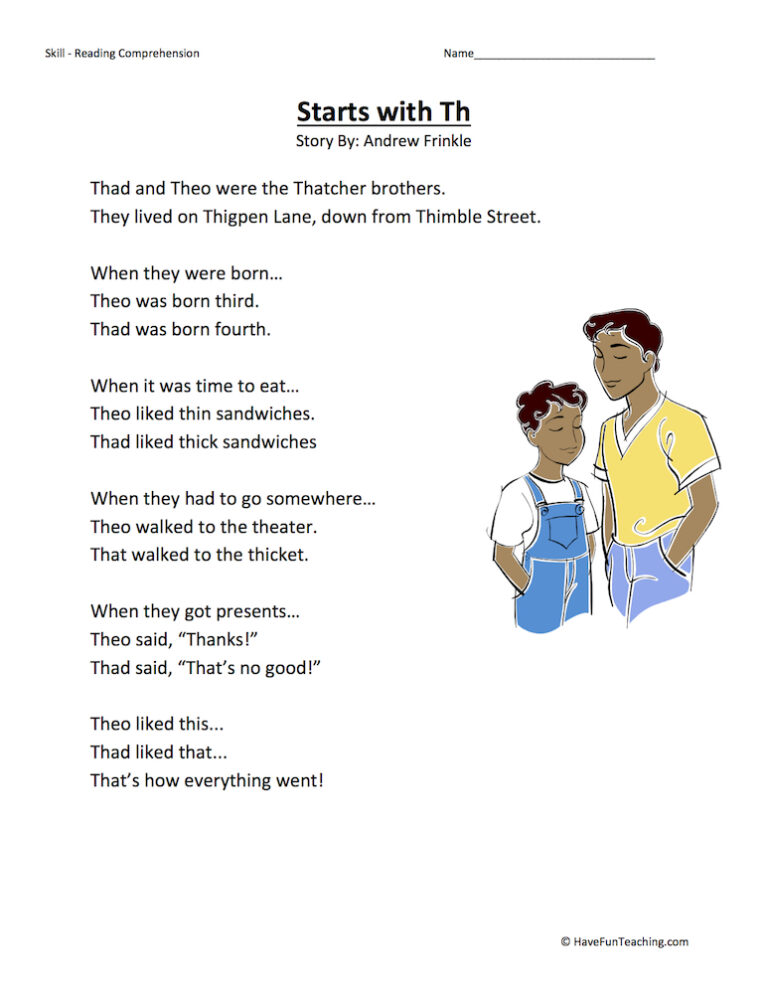
Worksheet2nd GradeStarts With TH Reading Comprehension Worksheet

A second grade Starts with Th reading comprehension worksheet where kids read a fun Th-digraph story about two brothers, then answer questions. Includes an answer key — perfect for no-prep phonics and reading practice.

Worksheet
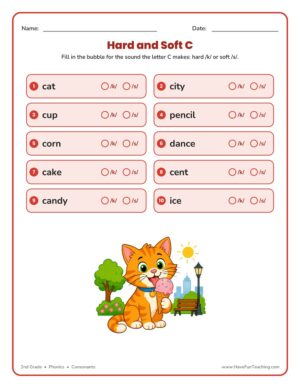
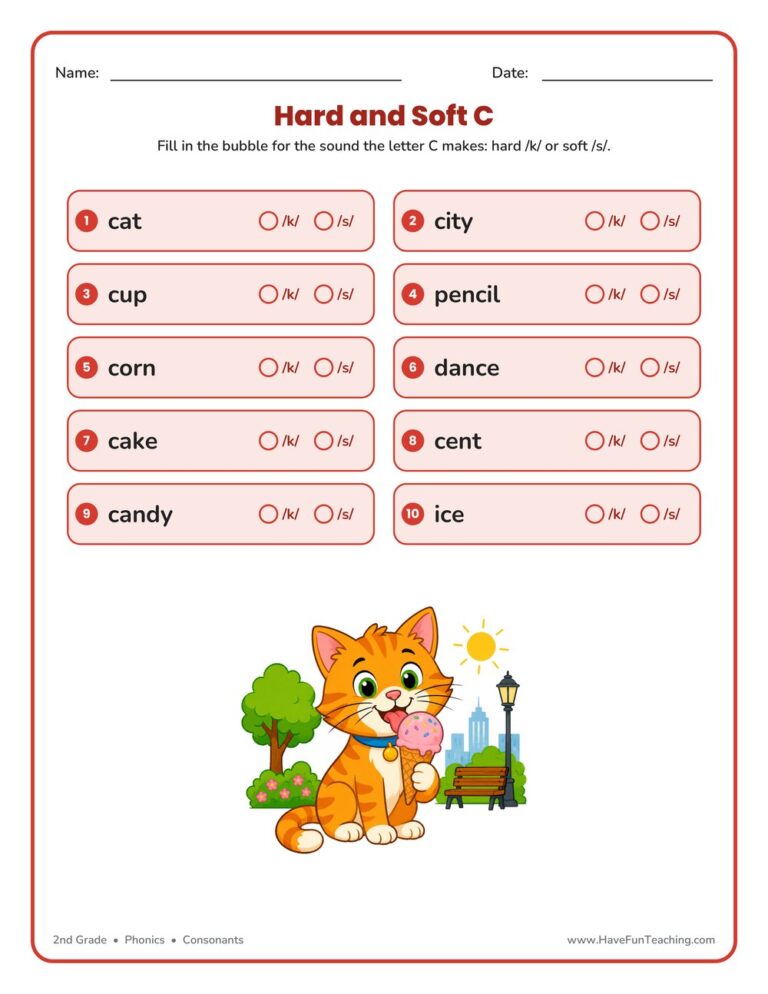
Worksheet2nd GradeCircle Hard Soft C Words Worksheet

The Circle Hard Soft C Words Worksheet gives 2nd graders ten words to read and sort by the hard /k/ or soft /s/ sound of the letter C. Answer key included — perfect for quick, no-prep phonics practice.

Activity
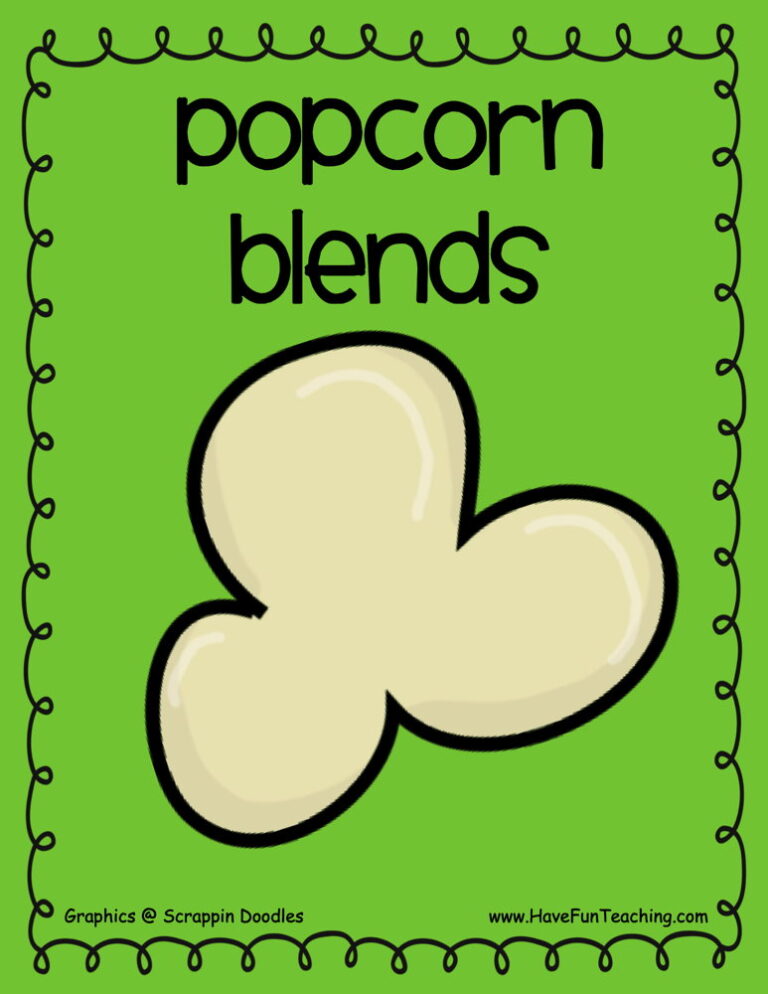
Activity2nd GradePopcorn Blends Activity

In this popcorn blends activity, K-2nd Grade children spin a blend, sort 12 picture cards into popcorn boxes and fill in a practice page, with an answer key included for quick checking.

Flash Cards
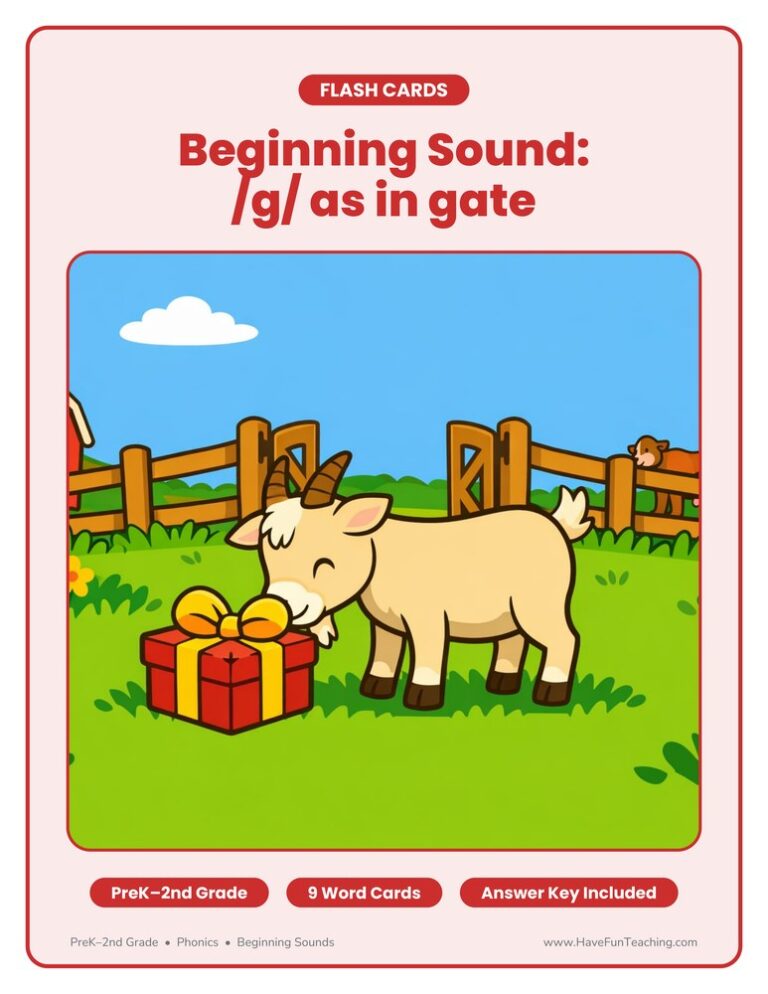
Flash Cards2nd GradeBeginning Sound Letter G Word Wall

These beginning sound letter g word wall flash cards give preschool to 2nd grade students picture word cards for the /g/ sound. A practice page and answer key are included.

Flash Cards
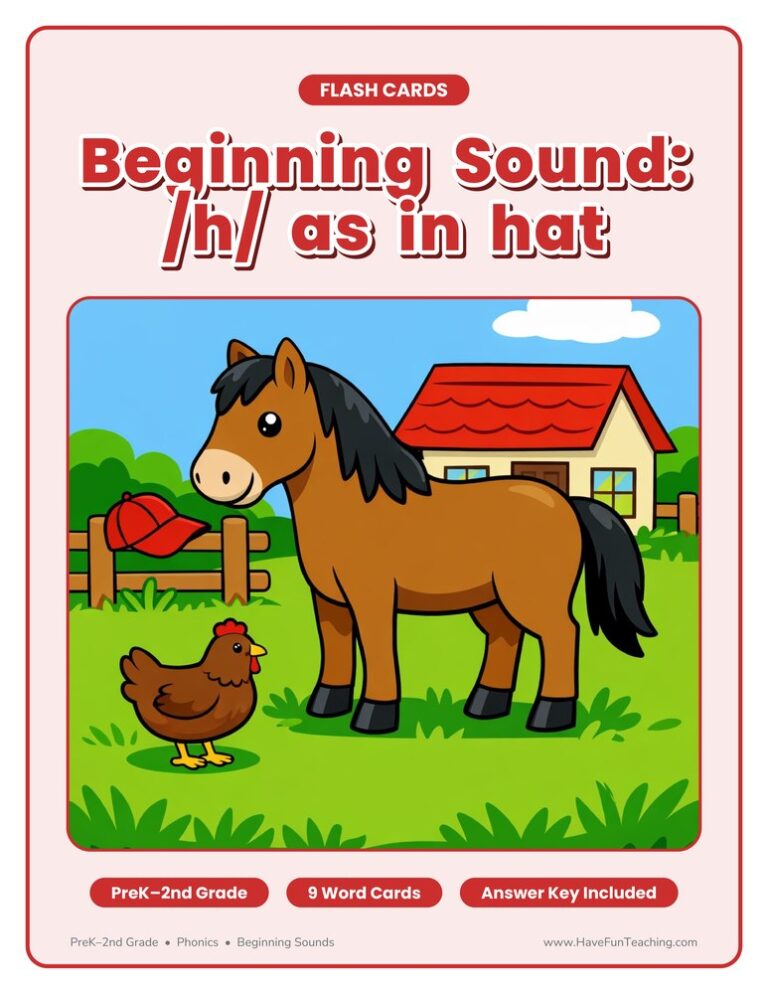
Flash Cards2nd GradeBeginning Sound Letter H Word Wall

These beginning sound letter h word wall flash cards give preschool to 2nd grade children eight picture word cards for the /h/ sound. Answer key included.

Flash Cards
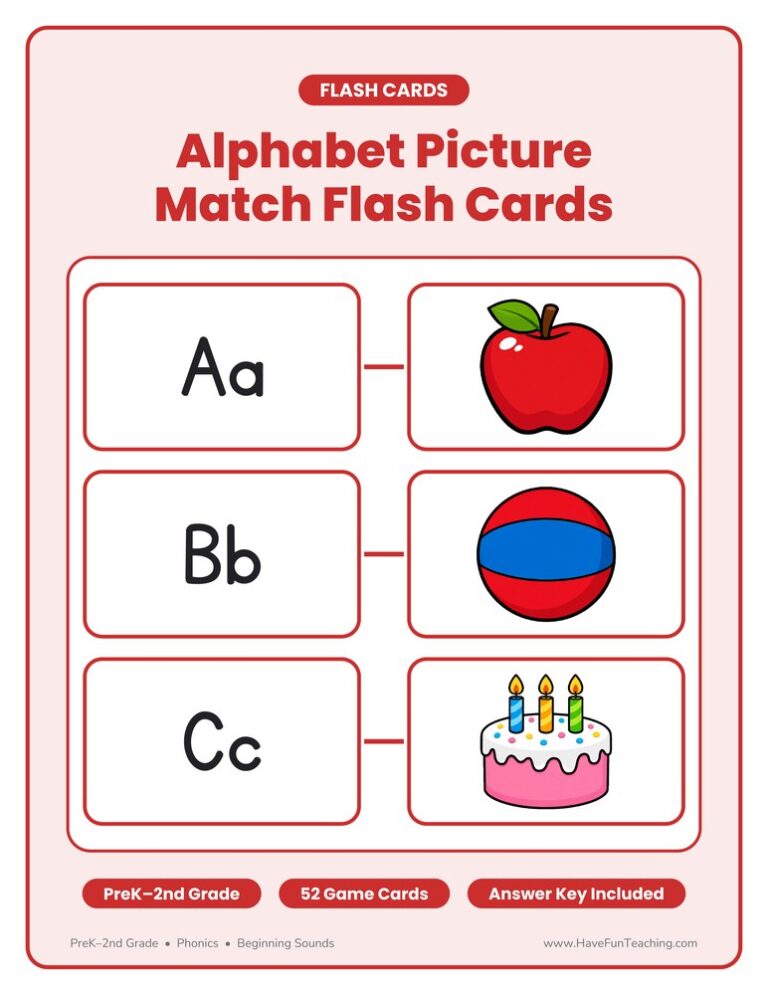
Flash Cards2nd GradeAlphabet Picture Match Flash Cards

These alphabet picture match flash cards help preschool to 2nd grade students match all 26 letters to beginning-sound pictures, with a practice page and answer key included.

Worksheet
Worksheet2nd GradeHard Soft G Worksheet - Pictures

This Hard Soft G Worksheet - Pictures asks 2nd graders to say six picture names and bubble in whether the letter g sounds hard or soft. Answer key included for fast, no-prep phonics practice.

Activity
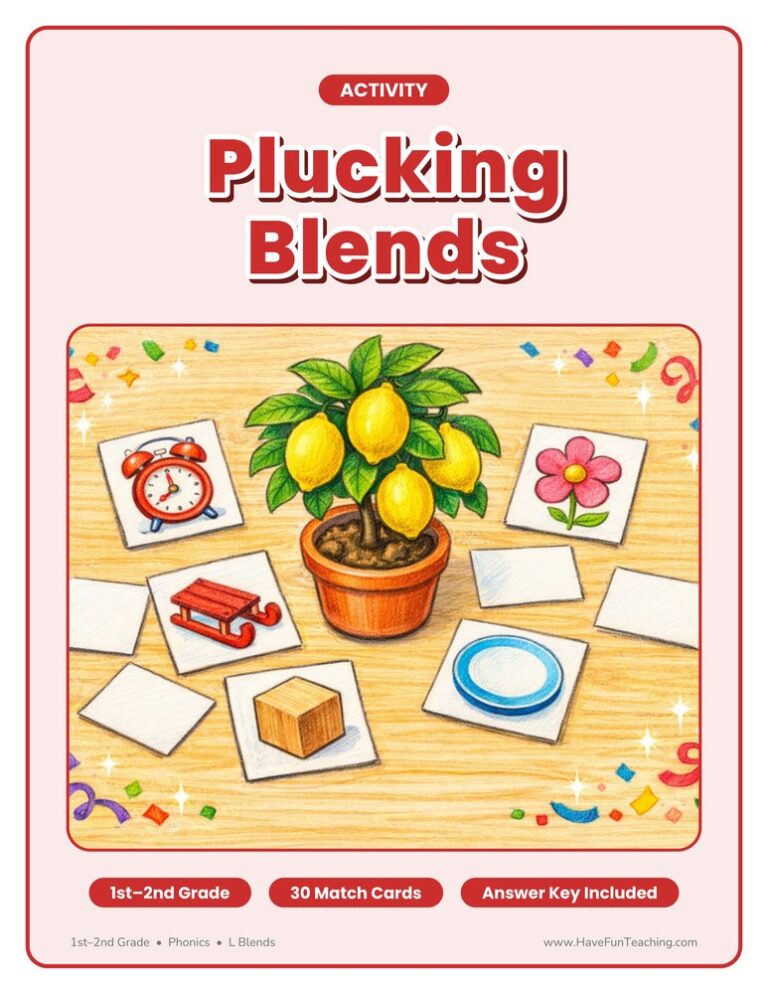
Activity2nd GradePlucking Blends L Blend Activity

This l blend activity has 1st and 2nd grade students match picture cards to word cards and sort words by bl, cl, fl, pl and sl. Answer key included.

Assessment
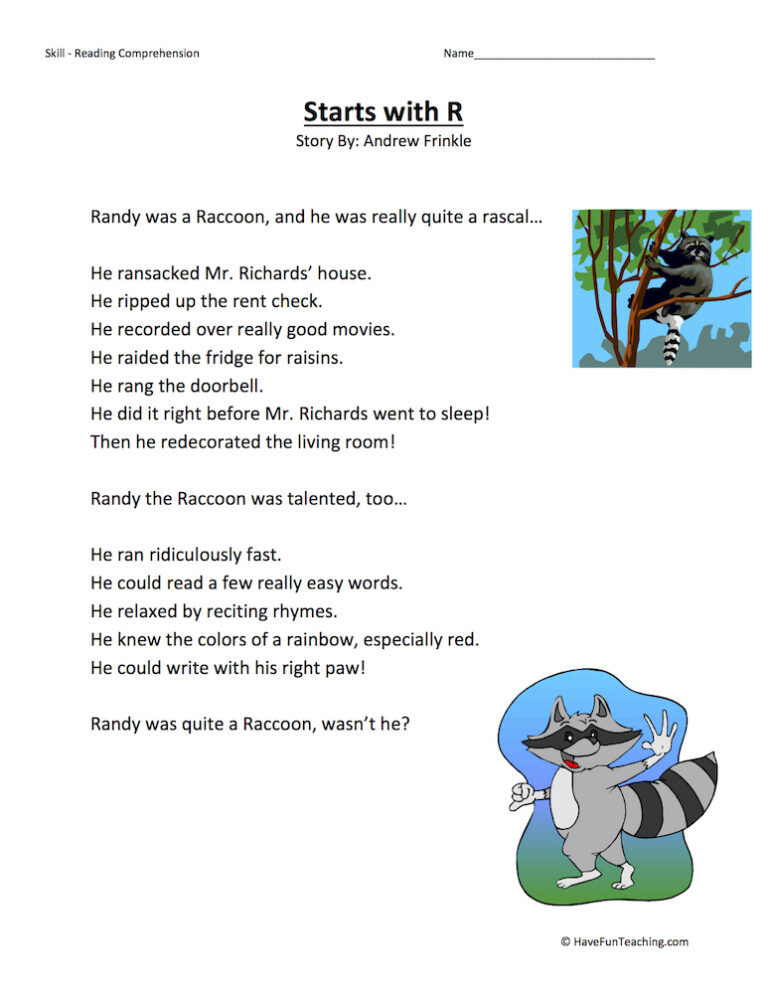
Assessment2nd GradeStarts With R Reading Comprehension Worksheet

The Starts With R Reading Comprehension Worksheet gives 2nd graders a short illustrated story packed with R words, plus five questions and an answer key, so phonics practice and reading comprehension grow together.

Assessment
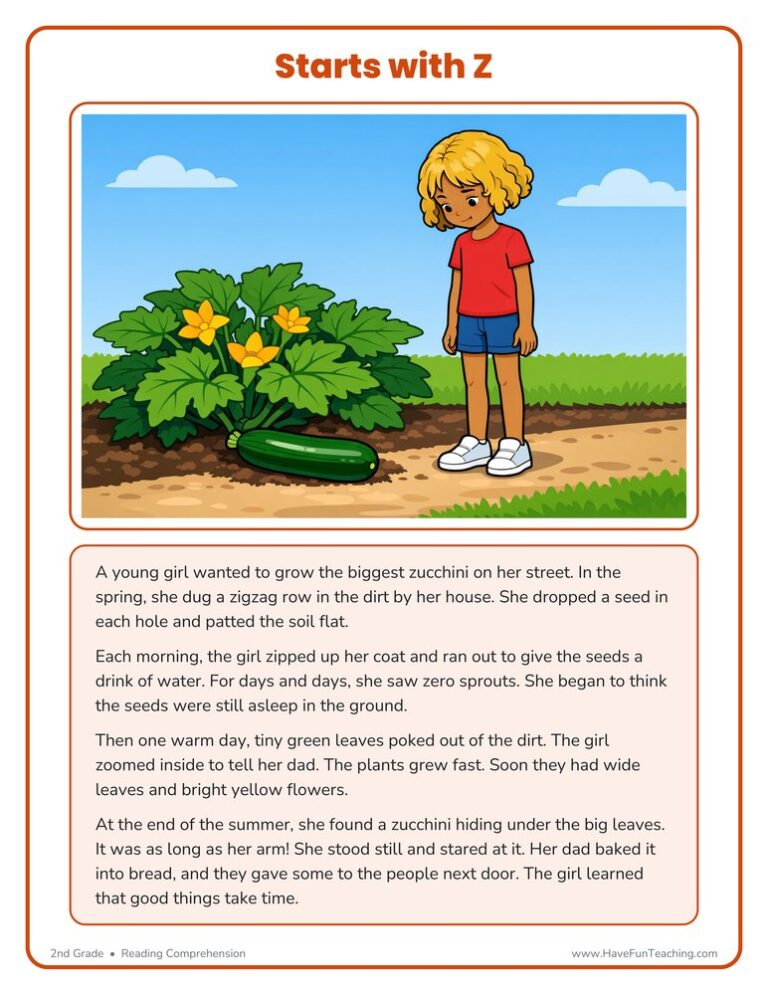
Assessment2nd GradeStarts With Z Reading Comprehension Worksheet

This Starts With Z reading comprehension worksheet has second graders read a garden story full of Z words, answer questions, and write a short response. An answer key is included.

Activity
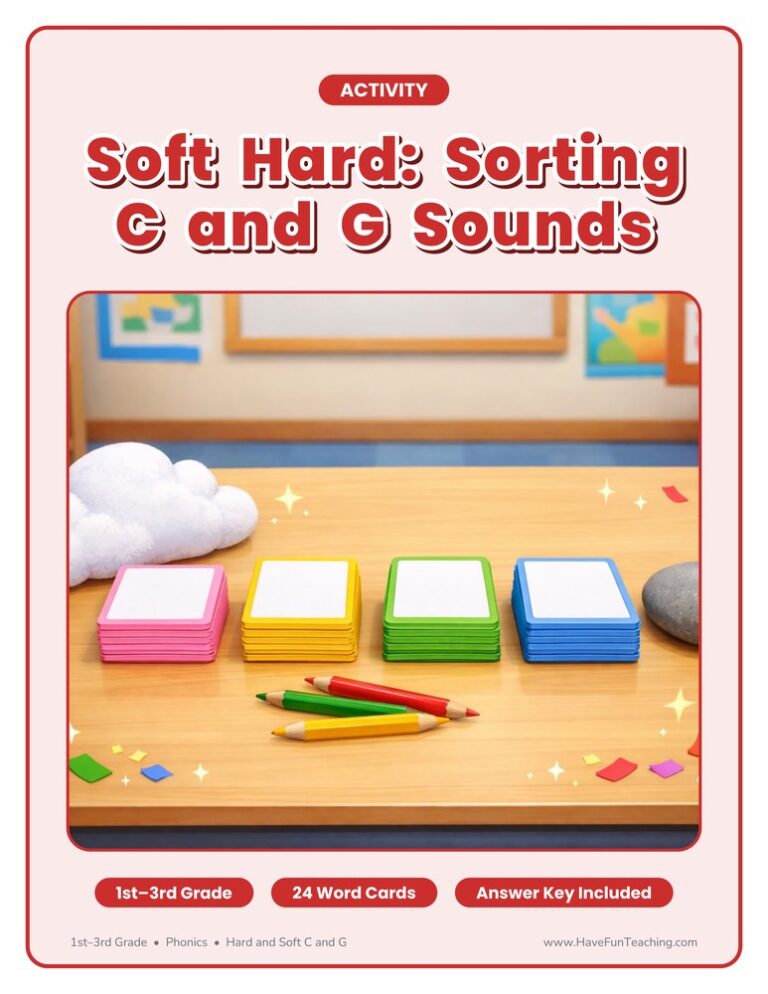
Activity2nd GradeHard and Soft C and G Activity

This hard and soft c and g activity helps 1st to 3rd grade students sort words by the sound of c or g using a simple rule. A sound sort sheet, practice page and answer key are included.

Activity
Activity2nd GradeConsonant Digraphs CH SH TH WH Activity

In this consonant digraphs ch sh th wh activity, Kindergarten to 3rd Grade students sort 16 picture-word cards by their first sound, with an answer key included for easy checking.

Assessment
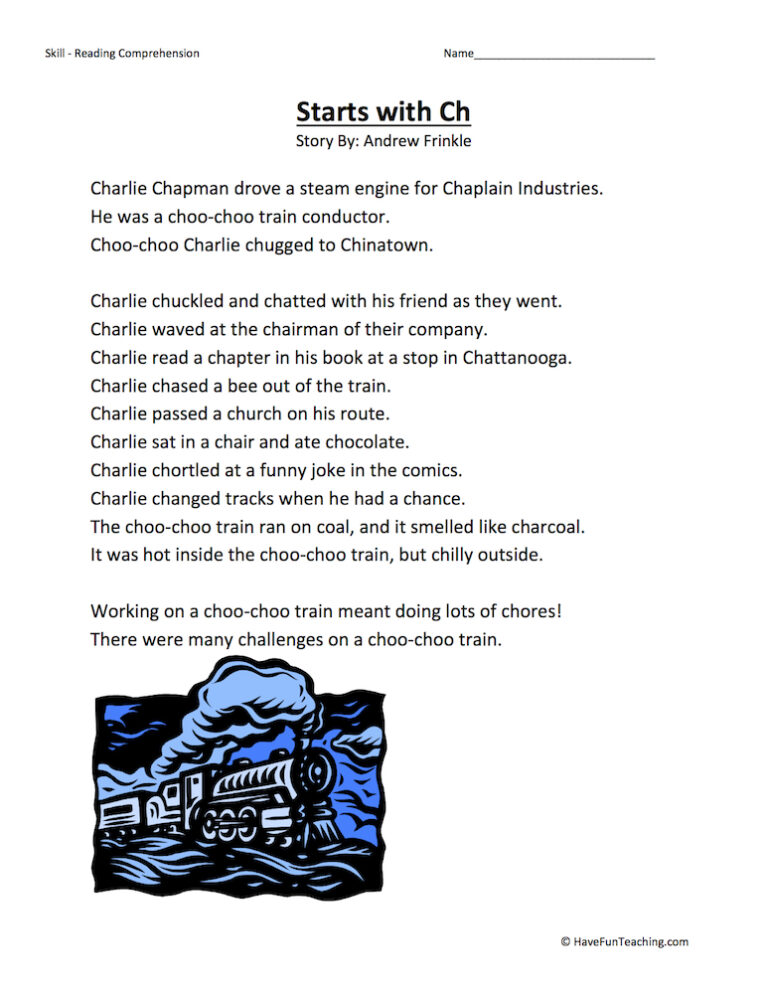
Assessment2nd GradeStarts With CH Reading Comprehension Worksheet

This Starts With CH Reading Comprehension Worksheet gives 2nd graders a short orchard story packed with ch words, four questions and a written response. An answer key is included, so digraph practice and comprehension happen in one sitting.

Activity
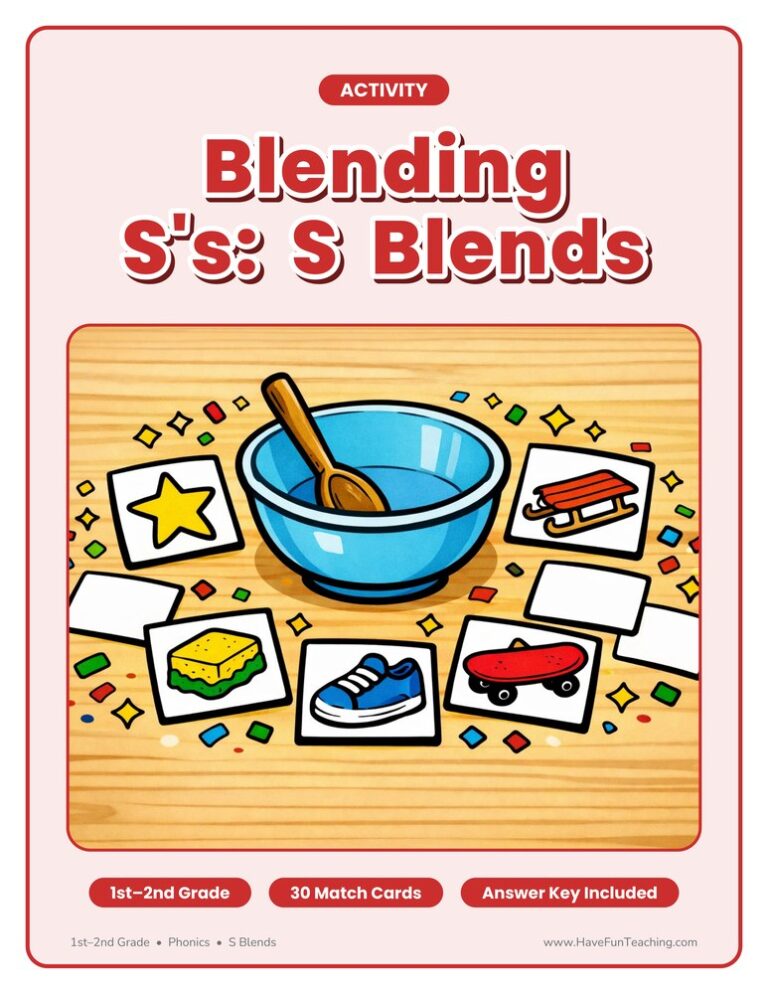
Activity2nd GradeBlending S Blends Activity

In this blending s blends activity, 1st and 2nd grade children match 15 picture cards to word cards, then sort the words by sn, sk, sl, st and sp. Answer key included.

Flash Cards
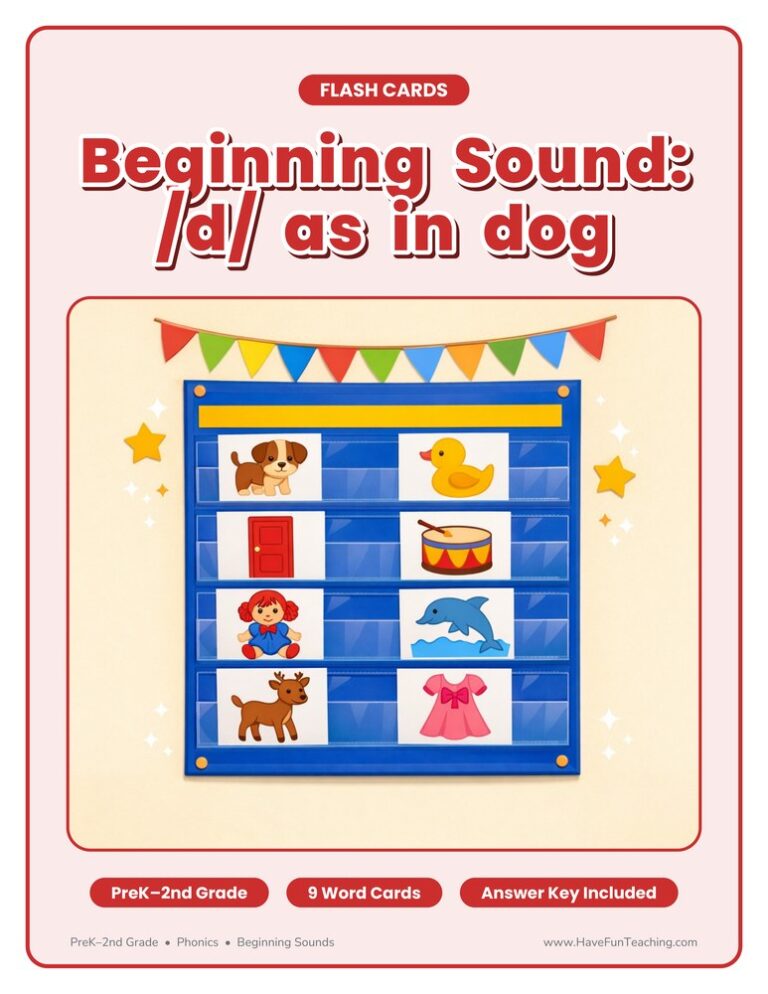
Flash Cards2nd GradeBeginning Sound Letter D Word Wall

These beginning sound letter d word wall flash cards give preschool to 2nd grade students picture word cards for the /d/ sound. A practice page and answer key are included.

Assessment
Assessment2nd GradeStarts With B Reading Comprehension Worksheet

The Starts With B Reading Comprehension Worksheet gives 2nd Grade readers a berry-picking story full of B words, five questions about the text, and an answer key for easy checking.

Assessment
Assessment2nd GradeStarts With P Reading Comprehension Worksheet

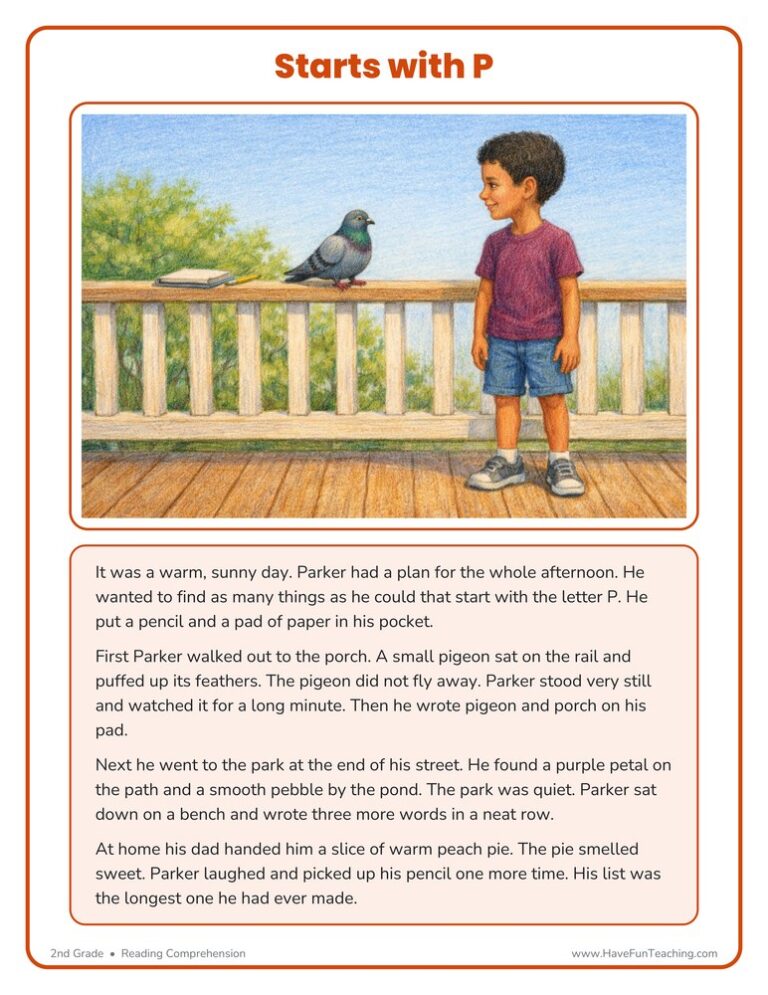
This Starts With P Reading Comprehension Worksheet gives 2nd grade students a short story full of P words, four questions and a written response. Answer key included.

Flash Cards
Flash Cards2nd GradeBeginning Sound Letter B Word Wall

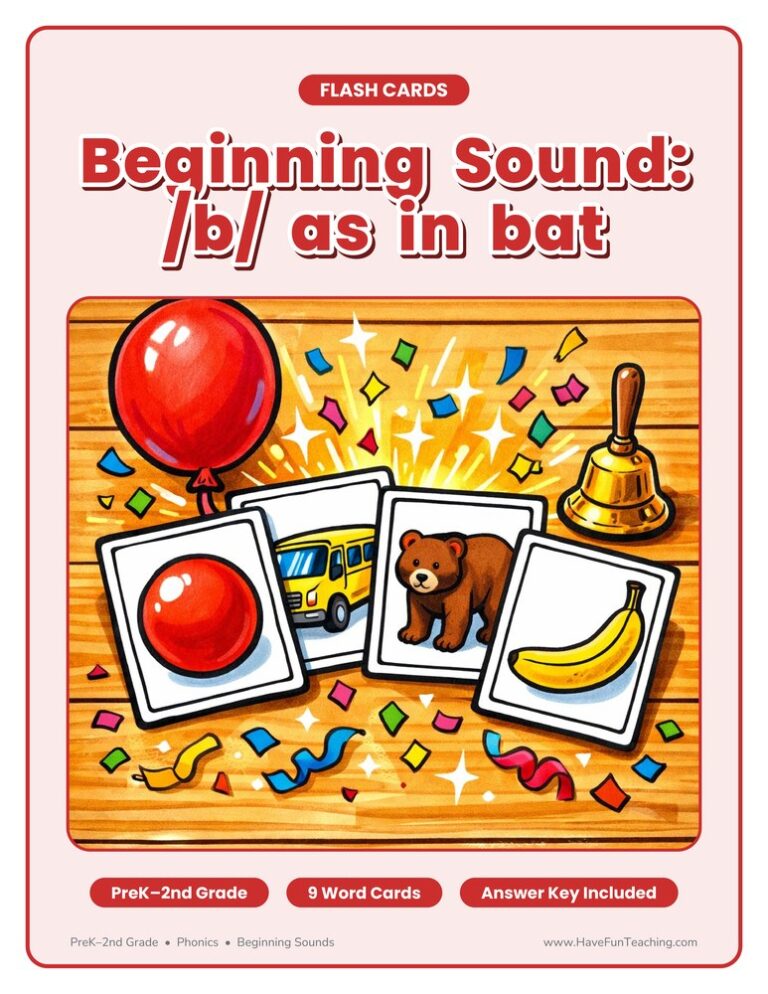
These beginning sound letter b word wall flash cards give preschool to 2nd grade children eight bright picture word cards for the /b/ sound. Answer key included.

2nd GradeBeginning Sounds Alphabet Letter Posters

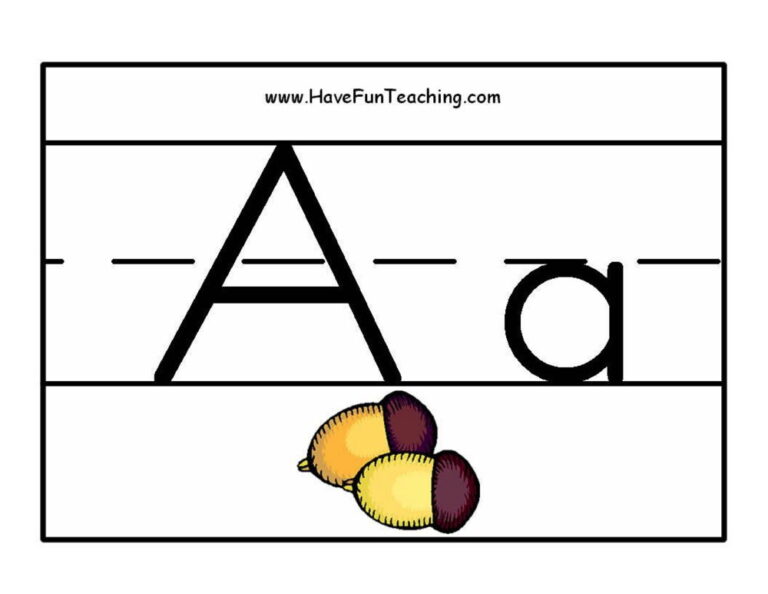
These Beginning Sounds Alphabet Letter Posters support students' recognition of both upper and lower case ABC letters using this print font.

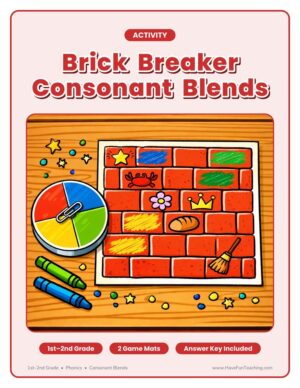
Activity
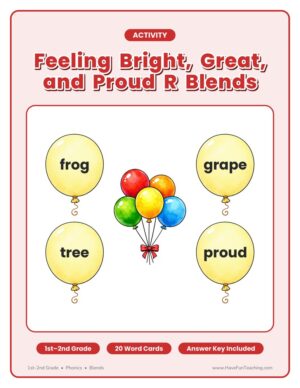
Activity2nd GradeBeginning Consonant Blends Activity

This beginning consonant blends activity gives Kindergarten to 2nd Grade readers 12 picture clip cards, a recording sheet and a practice page, with an answer key included, so they can hear and write r-, l- and s-blends.

From our teachers' playbook

Blends, digraphs and tricky starts

What do 2nd graders learn about beginning sounds?

By 2nd grade, single letter sounds are old news. Now kids master the trickier starts: blends where both sounds are heard (bl, gr, st, spr), digraphs where two letters make one new sound (sh, ch, th, wh), and hard and soft c and g. They learn that c says /s/ before e, i or y, as in city, but /k/ in cat. These beginning sounds help them decode longer words fast. The click is when a child reads "strong" without sounding out each letter.

Our favorite ways to teach beginning sounds

Second graders need focused practice with the tricky starts. These moves give it.

Digraph detectives

Teach that two letters can team up to make one sound. Hold up sh, ch, th and wh cards, and kids sort word cards under the right team: ship, chin, thumb, whale. Then they read the sorted lists aloud as fast as they can.

Why it works: the National Reading Panel found that systematic, explicit phonics teaching clearly improves how children learn to read.

Consonant Digraphs CH SH TH WH ActivityTry it withConsonant Digraphs CH SH TH WH ActivityActivitiesOpen it →

Hard or soft?

Show pictures like giraffe, goat, gem and gum. Kids say each word and decide: hard g or soft g? Then reveal the rule: look at the next letter. Pictures let them hear the sound before they see the spelling.

Why it works: children learn more from words and pictures together than from words alone (Mayer, 2009).

Hard Soft G Worksheet - PicturesTry it withHard Soft G Worksheet - PicturesWorksheetsOpen it →

Read the sound in context

After practicing a sound in isolation, give a short passage full of words starting with it, like th. Kids read, answer questions and highlight every th word. Reading it in a story is where the skill transfers.

Why it works: shuffled practice teaches kids to choose the right strategy, not just repeat one, and it improved test scores in research (Rohrer and Taylor, 2007).

Starts With TH Reading Comprehension WorksheetTry it withStarts With TH Reading Comprehension WorksheetWorksheetsOpen it →

Questions parents and teachers ask

What beginning sounds do 2nd graders learn?

They focus on consonant blends like bl, st and spr, digraphs like sh, ch, th and wh, and hard and soft c and g. These help with reading longer words.

What's the difference between a blend and a digraph?

In a blend you hear each letter, like b and l in "blue." In a digraph two letters make one new sound, like sh in "ship."

When does c say /s/?

Usually when it comes before e, i or y, as in cent, city and cycle. Before other letters, c usually says /k/. The same rule mostly works for g.

My 2nd grader still struggles with beginning sounds. What should I do?

Go back to short daily practice with pictures and word sorts, focusing on one blend or digraph at a time. If struggles continue, ask the teacher about a reading check.