
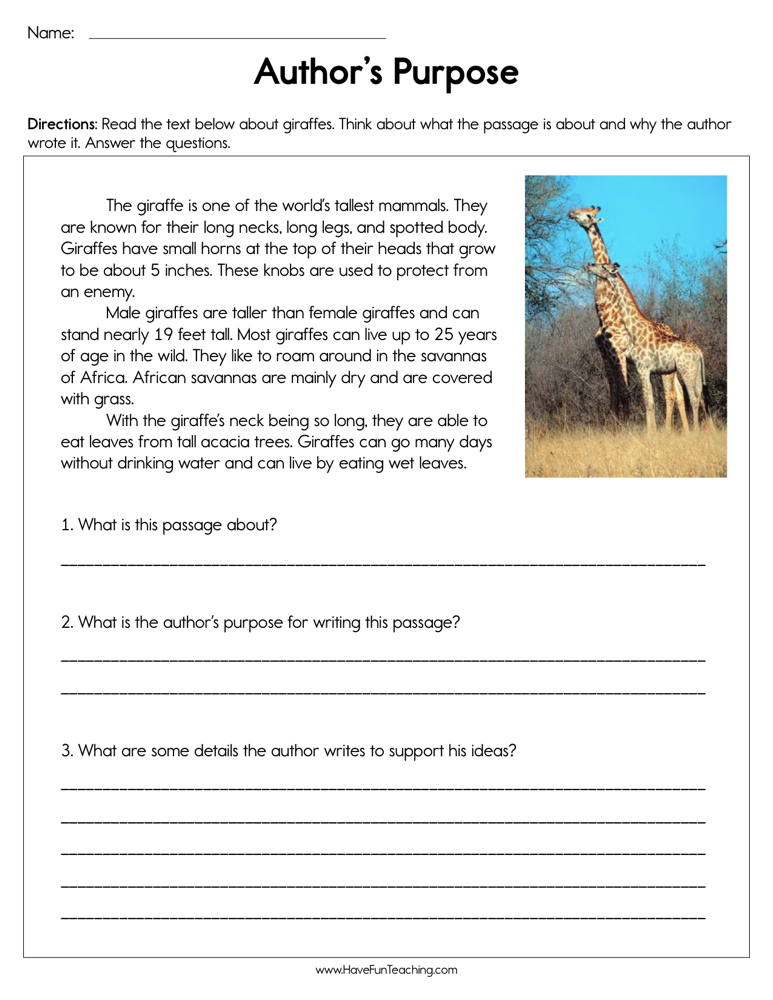
Identifying Author’s Purpose Worksheet
This identifying author’s purpose worksheet has 3rd graders read a giraffe passage and decide whether the author wants to inform, persuade, or entertain. Answer key included for easy reading practice.
$6.97
Want this one free?
Tell us where to send it and it’s yours — no card, no catch.
One free resource per teacher. We’ll also send free teaching ideas each week — unsubscribe anytime.
Free teacher account · no credit card
Membership
Get every game, song, & printable
- Every game, on any device
- 10,000+ printables
- Assign online with HFT Classroom
Then $39.97/year · cancel anytime · See plans
- Instant digital download
- Printable PDF + answer key
- Made by real teachers
Teacher / Family membership
Teaching is easier with every resource
One membership for your whole year: 10,000+ worksheets, games, songs and videos for Preschool–6th, for your classroom or homeschool.
- Unlimited printables & downloads
- Every game, on any device
- Assign online with HFT Classroom
- Cancel anytime
Teacher / Family membership · 3 days free
Yearly
Monthly would be $119.64 a year
$3.33/month
Billed $39.97 once a year
You save $79.67 every year
Start My 3 Free Days$0 today · cancel anytime
Monthly
$9.97/month
Flexible, month to month
Yearly is just $3.33/mo. Switch and save $79.67
Start My 3 Free Days$0 today · cancel anytime
About this resource
Description
Every piece of writing has a reason behind it: to inform, to persuade, or to entertain. Learning to spot that reason is an important reading skill, and this identifying author’s purpose worksheet gives third graders a friendly way to practice it. When children can name why an author wrote a text, they read more thoughtfully and understand more of what they read.
This 3rd grade author’s purpose worksheet starts with a short, fact-filled passage about giraffes. Students read the passage, look at the details the author included, and then answer multiple-choice questions by filling in the bubble next to the best answer. A final written question asks them to explain how they know the author’s purpose using a clue from the text. Print one copy per student and use it during a reading lesson, as morning work, or for a quick check of understanding.
What’s Included
- 1 print-ready PDF worksheet
- Answer key
- A reading passage with 3 multiple-choice questions and 1 written response
This identifying author’s purpose worksheet helps children in three ways. First, the short passage keeps the reading manageable so students can focus on the thinking skill instead of decoding long text. Second, the multiple-choice questions model the three main purposes — to inform, to persuade, and to entertain — so kids learn the vocabulary they need. Third, the written response builds the habit of supporting an answer with evidence from the text, a skill that carries into every subject.
Teachers and parents can stretch this skill in fun ways. After finishing the page, ask children to hunt for the author’s purpose in a favorite book, a cereal box, or a TV commercial and sort each one as inform, persuade, or entertain. Try writing three short sentences about the same topic — one that informs, one that persuades, and one that entertains — and let students match each to its purpose. These playful sorts make the idea stick.
Related Resources
What teachers say
Reviews
Write a review, earn store credit
Get 25¢ in credit for every approved review of a resource you’ve downloaded, played or purchased — up to 15 a month. Credit applies automatically to your membership payments, so your reviews can help pay for your membership.
Honest reviews only — any star rating earns the same. Program rules
Log in to write a review and earn store credit.

This Purpose Worksheet gives 3rd graders six short passages to sort into persuade, inform, or entertain, plus two clue-word items. An answer key is included, so it works as a quick no-prep reading check.

This author's point and supporting evidence worksheet gives 3rd grade students a short persuasive article, four questions, and a written response, with an answer key, so they learn to prove an idea from the text.

This author’s purpose of informational text worksheet asks 3rd graders to decide which question each short nonfiction text was written to answer. An answer key is included, so it is easy no-prep practice for close reading.

This author's purpose activity has 2nd to 4th grade students sort 24 book cards by inform, entertain, or persuade. A practice page and an answer key are included.
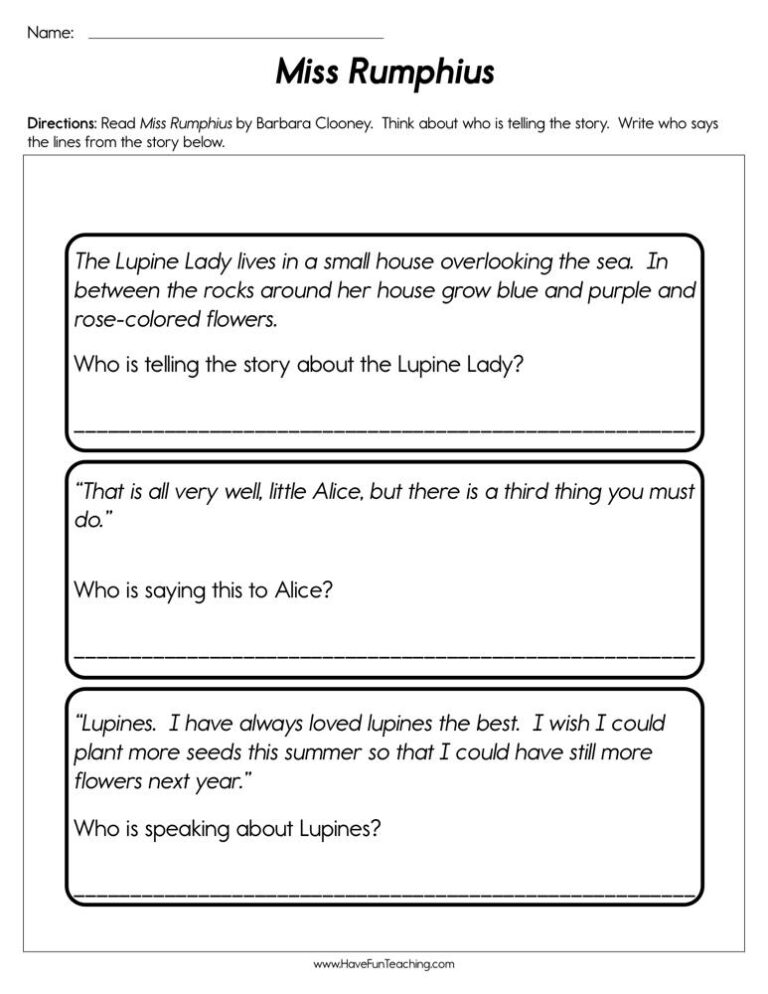
Using Miss Rumphius Point of View Worksheet, students read Miss Rumphius by Barbara Clooney to determine who says the lines from the story.

Using Why Was it Written Author's Purpose Activity, students identify if the author wrote a text in order to answer, explain, or describe.
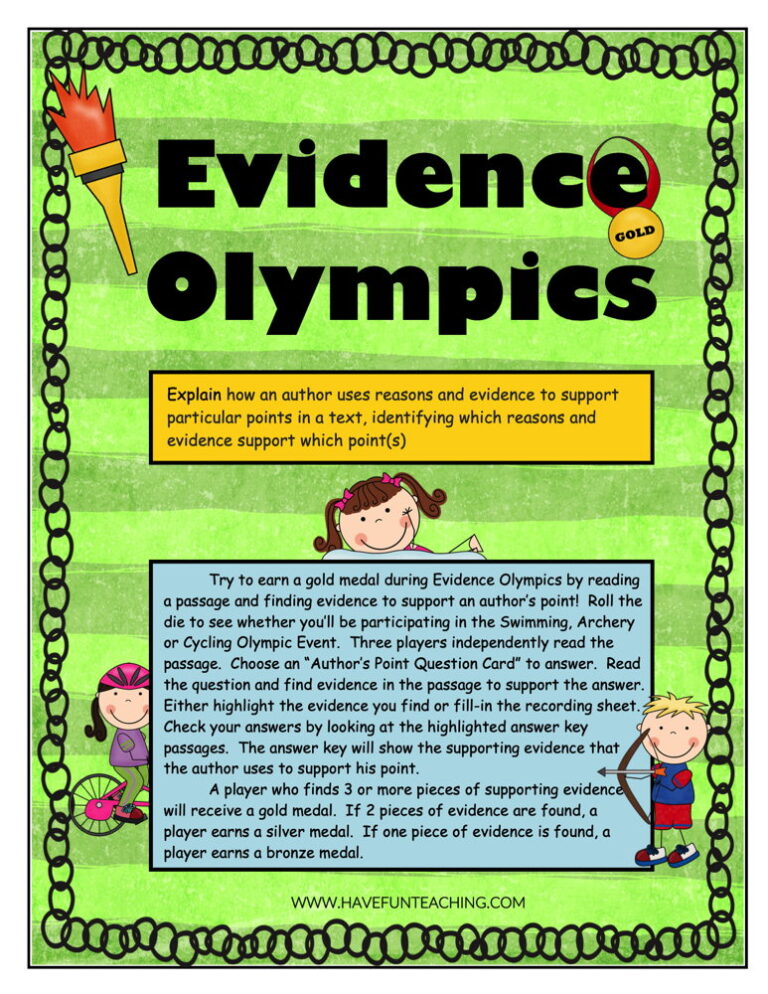
Using this Evidence Olympics Authors Purpose Activity, students try to earn a gold medal during Evidence Olympics by reading a passage and finding evidence to support an author's point.

Using this Reasons and Evidence Activity, students identify the reasons and evidence a speaker provides to support particular points.
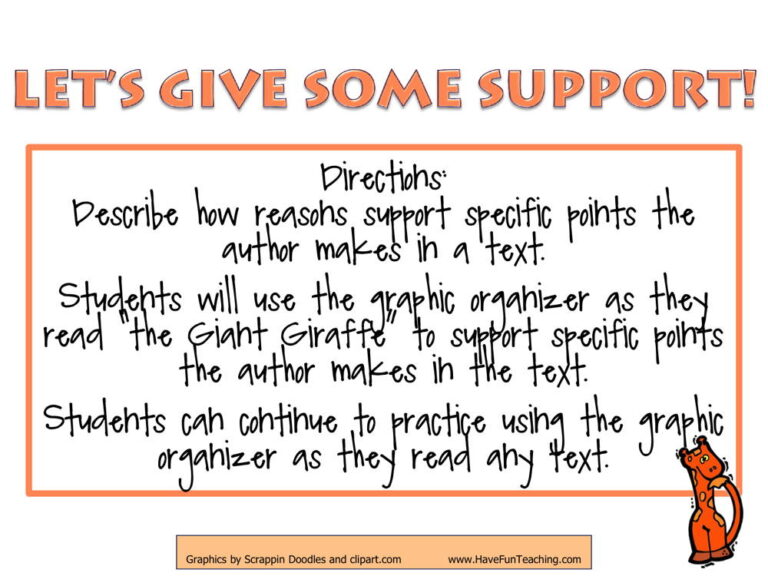
Using Let's Give Some Support Activity, students describe how reasons support specific points the author makes in a text.

Using My Point of View Activity, students distinguish their own point of view from that of the narrator or those of the characters.

Using RI.3.6 Third Grade Common Core Lesson, studentsdistinguish their own point of view from that of the author of a text.
Using thisAuthor's Purpose Song, students will remember the three reasons why author's write using this catchy animated song.

Reviews
There are no reviews yet