

Purpose Worksheet
This Purpose Worksheet gives 3rd graders six short passages to sort into persuade, inform, or entertain, plus two clue-word items. An answer key is included, so it works as a quick no-prep reading check.
$6.97
Or free with a membership — members pay $3.33/mo for all 10,000+ resources. See plans
Want this one free?
Tell us where to send it and it’s yours — no card, no catch.
One free resource per teacher. We’ll also send free teaching ideas each week — unsubscribe anytime.
Teaching is easier with a membership
Unlimited printables, games & videos for PreK–6th — for your classroom or homeschool. Cancel anytime.
Start your 3-day free trial$0 today · cancel anytime · Instant access to 10,000+ resources
About this resource
Description
Every text a child reads was written on purpose, and this Purpose Worksheet asks readers to name that reason out loud. Authors write to persuade, to inform, or to entertain, and 3rd grade readers are expected to tell those three jobs apart using clues in the words themselves. A passage packed with facts is doing a different job than a silly barnyard story or an advertisement for the best lemonade in town, and noticing the difference is what turns a reader into a thinker who questions what an author wants.
This 3rd grade reading purpose worksheet gives students six short passages and three clear choices. Readers work through one passage at a time and fill in the bubble under Persuade, Inform, or Entertain, then finish with two persuasive sentences and write the exact word that gives the author away. Use the purpose worksheet as a guided lesson by reading the first passage together and talking through the clues, or hand it out as an independent check after a mini-lesson on the three purposes. The included answer key makes grading a one-minute job.
What’s Included
- 1 print-ready PDF worksheet
- Answer key
- 6 short passages to sort into persuade, inform, or entertain
- 2 persuasive sentences that ask students to write the clue word
There are three reasons this resource helps kids learn the skill. First, the six passages are short enough to hold in mind at once, so students spend their thinking on the author’s reason instead of on decoding a long text. Second, the three choices stay in the same place under every passage, so a reader compares the same three purposes each time and builds a habit rather than guessing. Third, the closing section moves students past labeling and into evidence, because writing down the word that persuades is proof they can point to why an answer is right.
Teachers and parents can stretch this skill far past one page. Sort a stack of real books, cereal boxes, comics, and flyers into three piles labeled persuade, inform, and entertain, and ask a child to defend each choice in one sentence. Read a favorite picture book twice and ask what the author wanted you to feel or know. Challenge writers to take one topic, such as a family pet, and write three short pieces about it with a different purpose each time. Finish by playing the song below, then reading a nonfiction article together and naming its purpose before the first paragraph ends.
Related Resources
What teachers say
Reviews
You must be logged in to post a review.
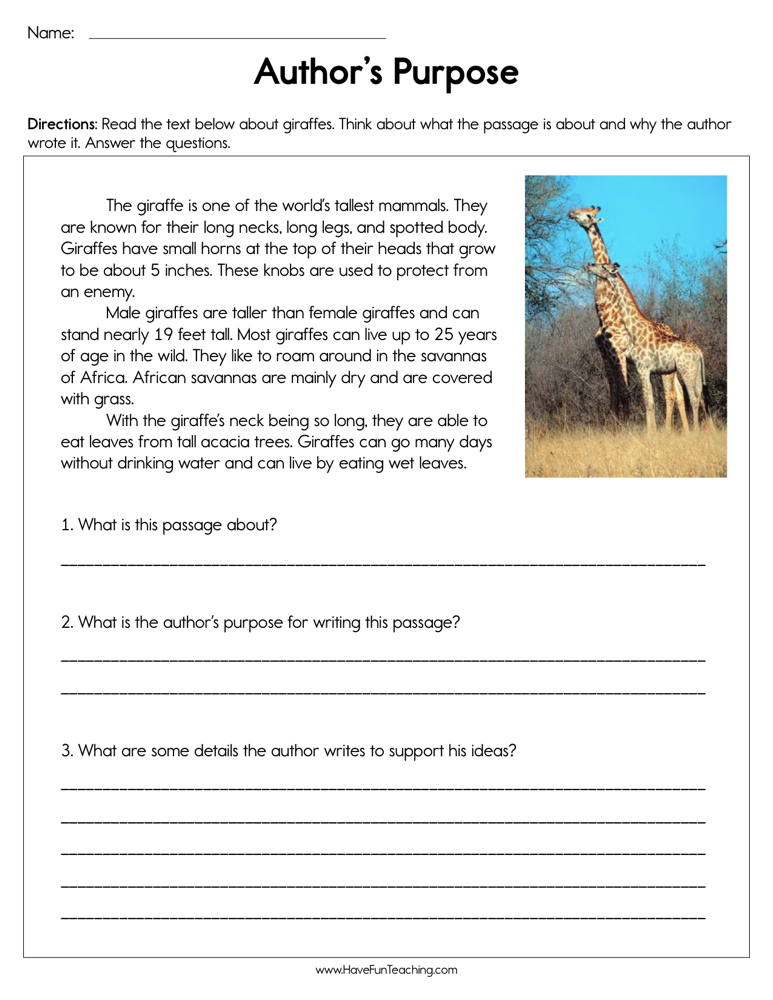
This identifying author's purpose worksheet has 3rd graders read a giraffe passage and decide whether the author wants to inform, persuade, or entertain. Answer key included for easy reading practice.

This author's point and supporting evidence worksheet gives 3rd grade students a short persuasive article, four questions, and a written response, with an answer key, so they learn to prove an idea from the text.

This author’s purpose of informational text worksheet asks 3rd graders to decide which question each short nonfiction text was written to answer. An answer key is included, so it is easy no-prep practice for close reading.

The Who Is Talking Now Worksheet gives 3rd Grade readers three short stories and asks who is telling each one. An answer key is included, so students build point of view skills with quick feedback.

Using Why Was it Written Author's Purpose Activity, students identify if the author wrote a text in order to answer, explain, or describe.

Using Authors Purpose Picture Sorting Activity, students identify the reasons an author gives to support points in a text.
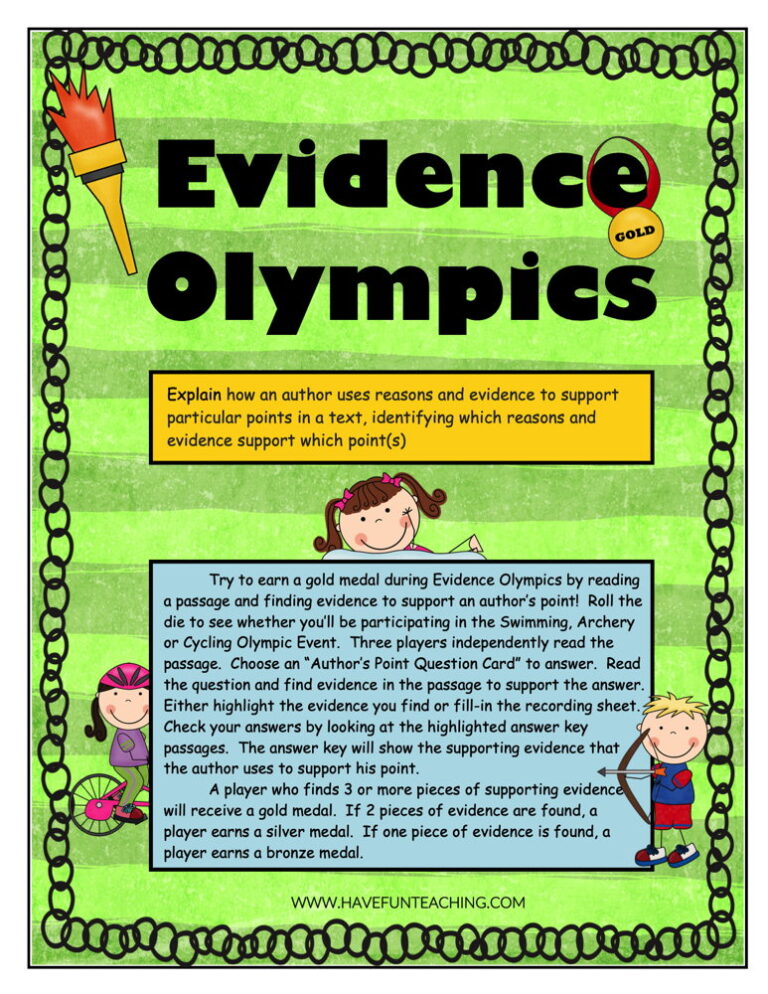
Using this Evidence Olympics Authors Purpose Activity, students try to earn a gold medal during Evidence Olympics by reading a passage and finding evidence to support an author's point.

Using this Reasons and Evidence Activity, students identify the reasons and evidence a speaker provides to support particular points.

Practice finding reasons with this support the point worksheet for 3rd grade. Students read a short recycling article, answer questions about the author's point, and use evidence. An answer key is included.
Using thisAuthor's Purpose Song, students will remember the three reasons why author's write using this catchy animated song.
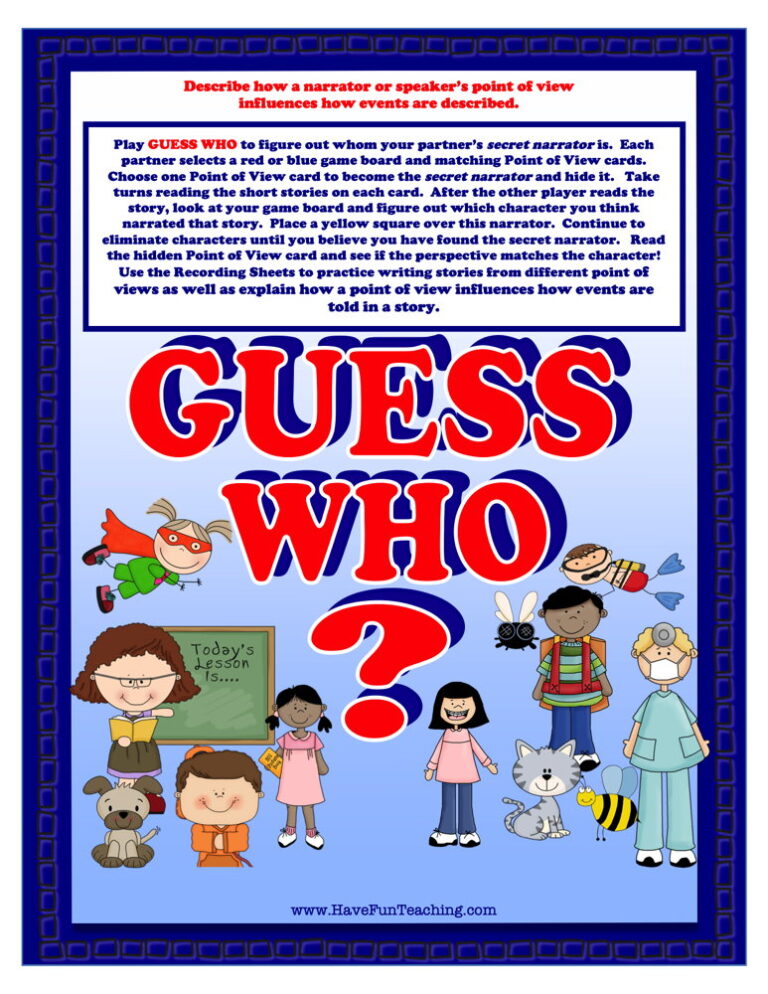
Using this Guess Who Point of View Activity, students identify their partner's "secret narrator" as the partner reads a text card.
Using Comparing Points of View Activity, students distinguish their own point of view from that of the author of a text.




Reviews
There are no reviews yet