

Landform Definitions Worksheet
A landform definitions worksheet where 4th graders match six landforms to their meanings, complete clue sentences, and explain their thinking in writing. Answer key included for fast, no-prep geography review.
$6.97
Want this one free?
Tell us where to send it and it’s yours — no card, no catch.
One free resource per teacher. We’ll also send free teaching ideas each week — unsubscribe anytime.
Free teacher account · no credit card
Membership
Get every game, song, & printable
- Every game, on any device
- 10,000+ printables
- Assign online with HFT Classroom
Then $39.97/year · cancel anytime · See plans
- Instant digital download
- Printable PDF + answer key
- Made by real teachers
Teacher / Family membership
Teaching is easier with every resource
One membership for your whole year: 10,000+ worksheets, games, songs and videos for Preschool–6th, for your classroom or homeschool.
- Unlimited printables & downloads
- Every game, on any device
- Assign online with HFT Classroom
- Cancel anytime
Teacher / Family membership · 3 days free
Yearly
Monthly would be $119.64 a year
$3.33/month
Billed $39.97 once a year
You save $79.67 every year
Start My 3 Free Days$0 today · cancel anytime
Monthly
$9.97/month
Flexible, month to month
Yearly is just $3.33/mo. Switch and save $79.67
Start My 3 Free Days$0 today · cancel anytime
About this resource
Description
Landforms are the natural shapes that make up the surface of the Earth, and learning their names is one of the first real steps into geography. A bay, a butte, a canyon, a glacier, a peninsula, and a prairie all look different, form in different ways, and shape how people live near them. This landform definitions worksheet gives fourth graders a clear, focused way to connect each landform word with the description that actually belongs to it, so the vocabulary sticks instead of blurring together.
This printable 4th grade geography worksheet moves from recognition to real thinking in three short parts. In Part A, students draw a line to match each landform to its definition. In Part B, they read two clue sentences and write the landform that completes each one, with no word bank to lean on. In Part C, they explain their thinking in writing: why a bay shelters a boat, and how a butte differs from a canyon. Use it as a vocabulary check after a landforms lesson, as morning work, as a review before a unit test, or as a homework page families can finish together in about twenty minutes.
What’s Included
- 1 print-ready PDF worksheet
- Answer key
- 6 landform matching pairs, 2 fill-in-the-blank clue sentences, and 2 written-response questions
There are three reasons this landform definitions worksheet helps students learn the skill. First, matching a word to a written definition builds the precise vocabulary that geography questions on state assessments depend on. Second, the clue sentences ask students to recall a landform from context rather than copy it from a list, which is a much stronger test of understanding. Third, the written responses push students to compare two landforms and justify an answer, the kind of short constructed response fourth graders are expected to produce.
Teachers and parents can stretch the lesson well past the page. Ask students to find each landform on a physical map of the United States and mark it with a sticky note. Have them sculpt a butte, a canyon, and a peninsula out of modeling clay, then trade models and label a partner’s work. Start a class landform word wall and add a new term each week with a student-drawn picture. Or take a walk outside and name the landforms you can actually see from the schoolyard, then talk about which ones are missing from your region and why.
Related Resources
What teachers say
Reviews
You must be logged in to post a review.
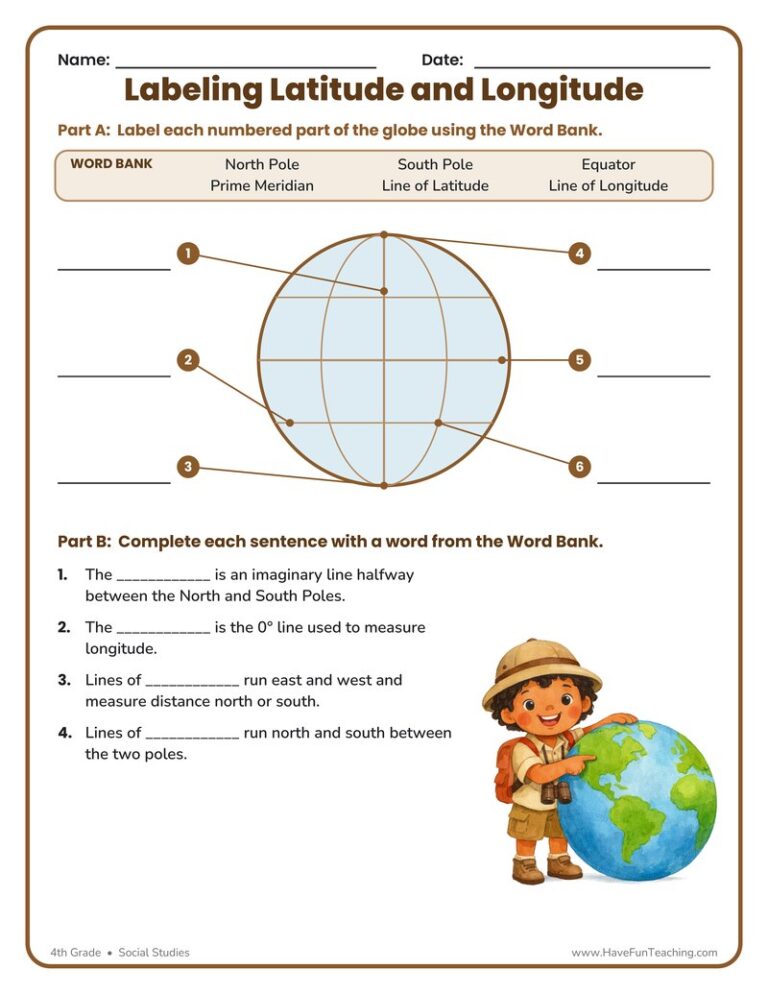
This Labeling Latitude and Longitude Worksheet lets 4th graders label a globe’s equator, prime meridian, poles, and grid lines, then explain each one. Answer key included for fast, no-prep geography practice.
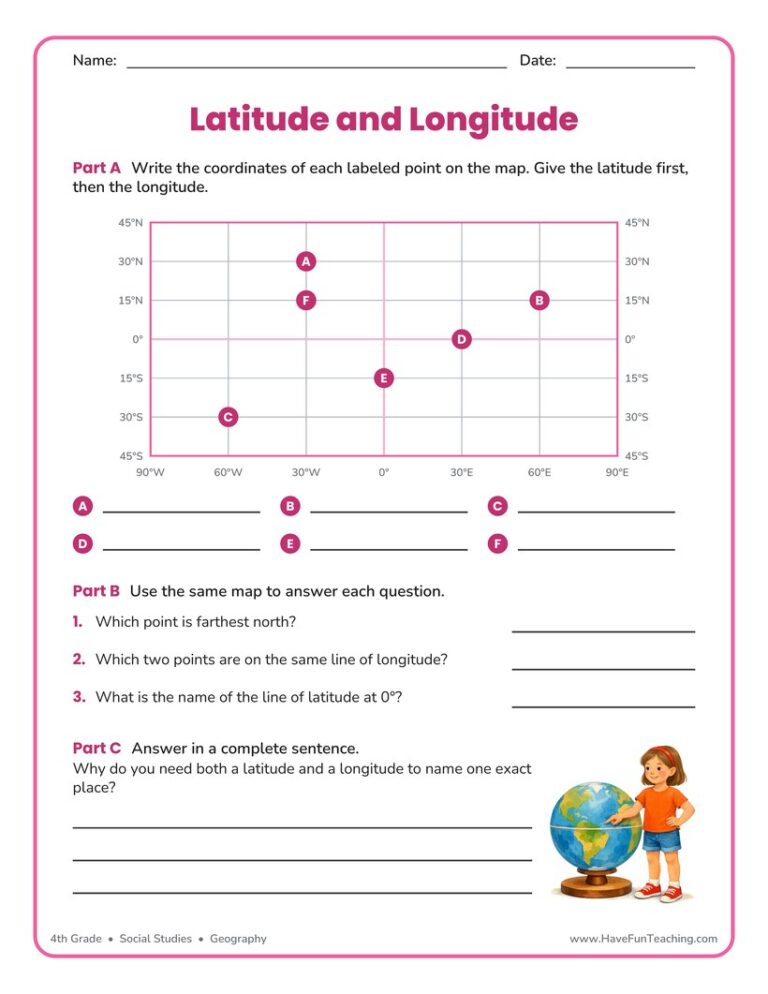
This latitude and longitude worksheet asks 4th grade students to read six points off a labeled map grid, compare them, and explain why both measurements are needed. An answer key is included for fast checking.
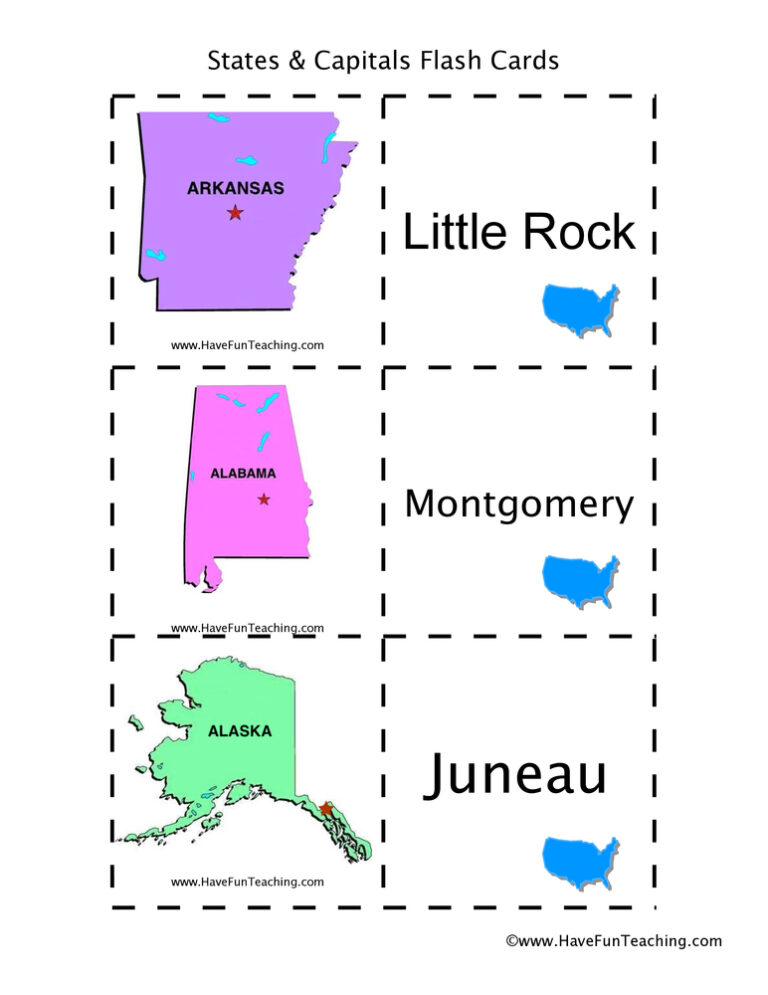
Using US States and Capitals Flash Cards, students memorize US State capitals by looking at a picture of the state.

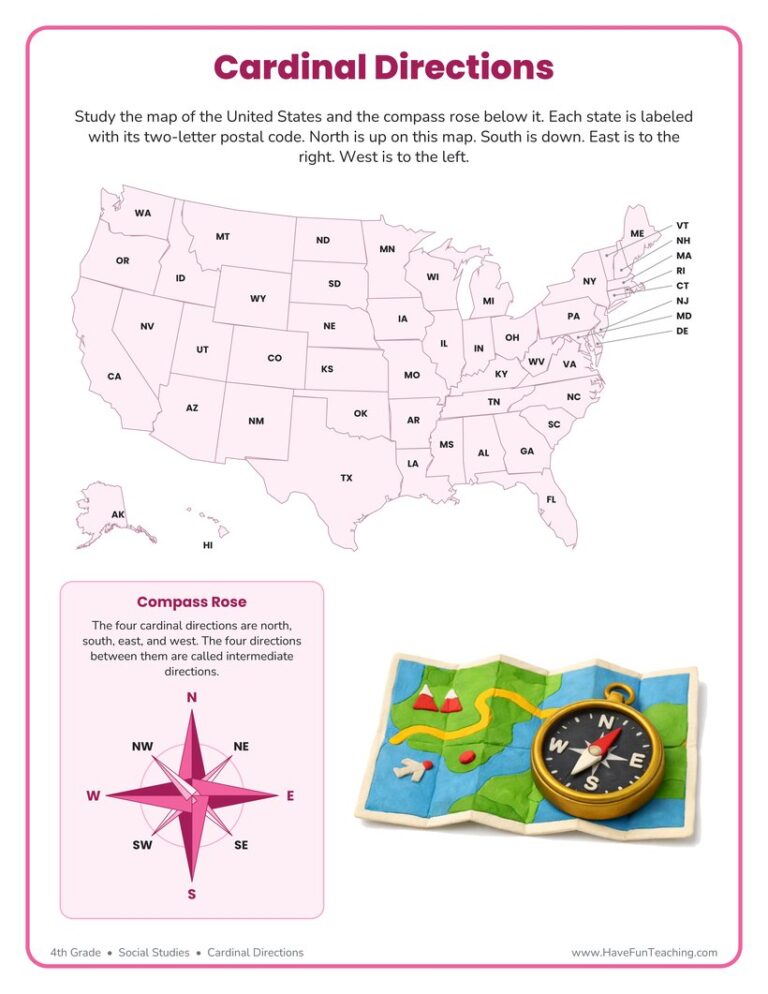
This cardinal directions worksheet gives 4th graders a labeled U.S. map and a compass rose to practice north, south, east, and west. Answer key included for fast, no-prep geography review.
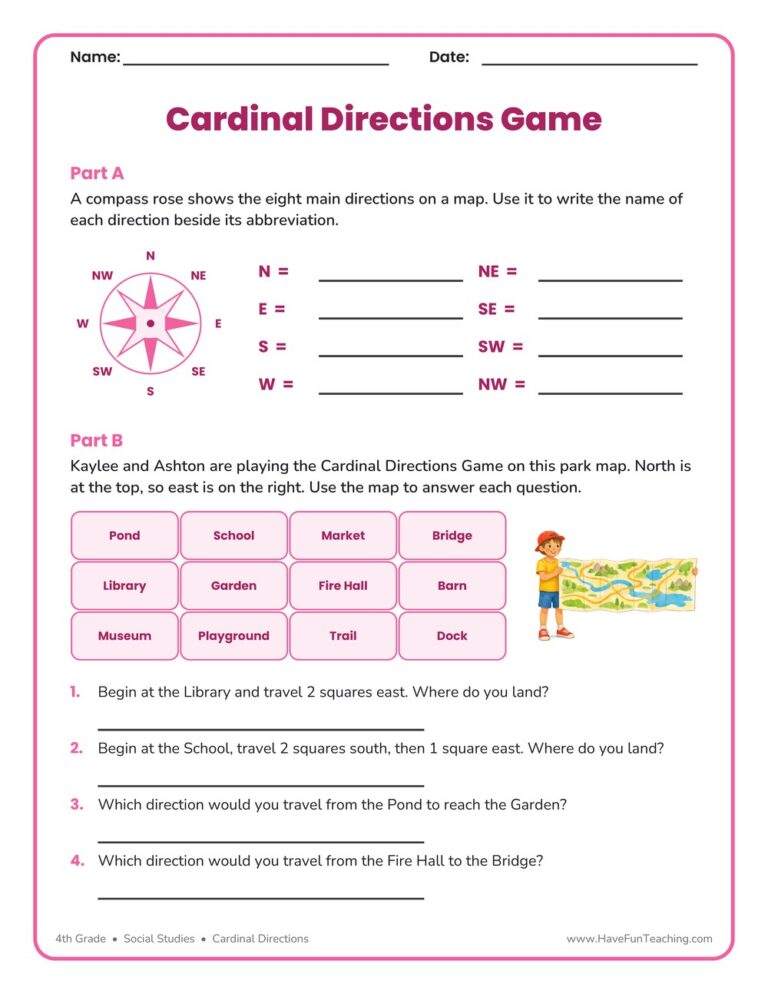
This cardinal directions game worksheet asks 4th graders to name all eight compass points, then walk a park map square by square. An answer key is included, so checking map skills takes only a minute.

This Map Scales Worksheet gives 4th grade students a trail map with a printed bar scale, four measuring questions, and two written-scale word problems. An answer key is included, so map skills practice is ready to hand out.

This Map Legends Worksheet asks 4th grade students to read a campground map using only its legend and a compass rose, with six questions and a full answer key for quick checking.

This continents map worksheet gives 4th grade students an unlabelled world map with seven numbered markers, five clue questions and a hemisphere question. Answer key included.
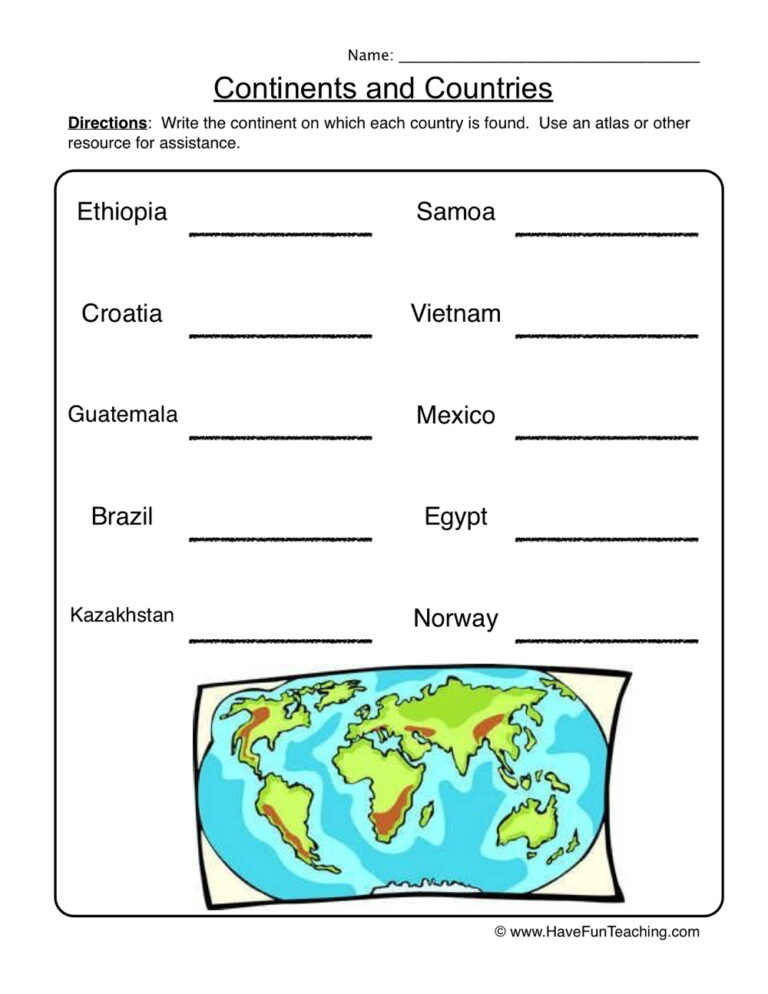
This continents worksheet has 4th Grade students label seven continents on a world map, then name the continent for ten countries. An answer key is included.
UsingUS State Capitals Pictures Flash Cards, students memorize US State capitals by looking at a picture of the state.
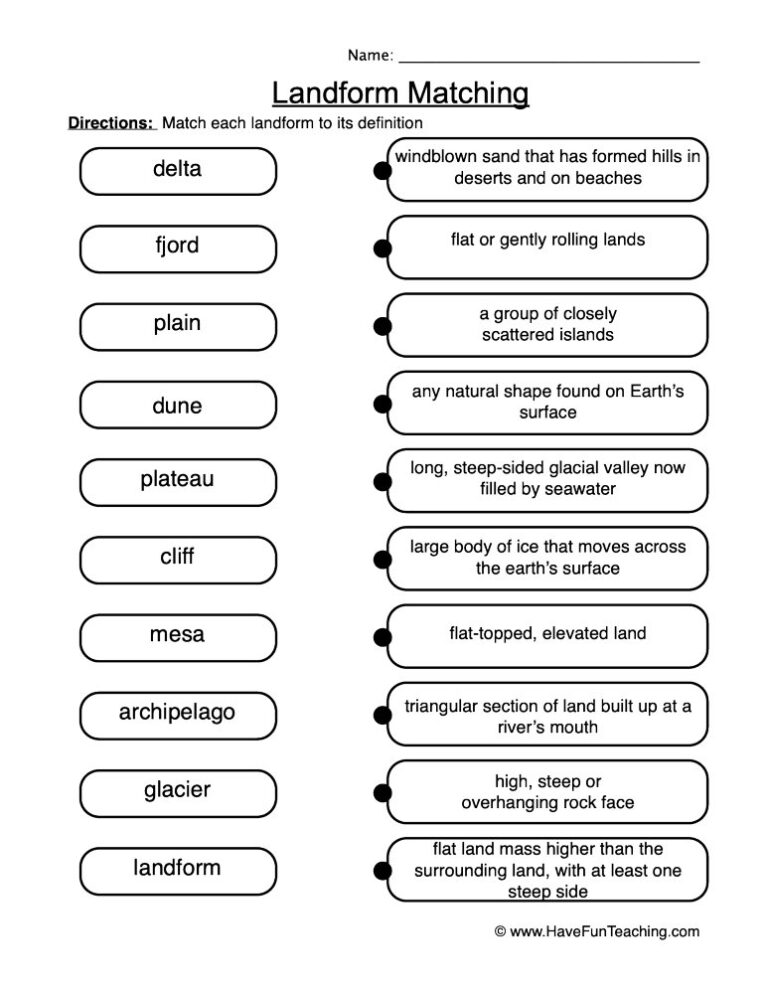
This Landform Matching Definitions Worksheet asks 4th graders to pair six landform words with their meanings, name three pictured landforms, and defend one answer in writing. Answer key included for fast, no-prep geography review.

Reviews
There are no reviews yet