

Landform Matching Worksheet
This landform matching worksheet helps 4th grade students match eight landforms to their meanings, then draw and describe two of them. An answer key is included to make checking quick and easy.
$6.97
Or free with a membership — members pay $3.33/mo for all 10,000+ resources. See plans
Want this one free?
Tell us where to send it and it’s yours — no card, no catch.
One free resource per teacher. We’ll also send free teaching ideas each week — unsubscribe anytime.
Teaching is easier with a membership
Unlimited printables, games & videos for PreK–6th — for your classroom or homeschool. Cancel anytime.
Start your 3-day free trial$0 today · cancel anytime · Instant access to 10,000+ resources
About this resource
Description
Plains, valleys, cliffs and deltas are the shapes that make every place on Earth look the way it does, and this landform matching worksheet helps students learn to name them with confidence. Landform vocabulary shows up across fourth grade social studies and science, from reading a physical map to describing how rivers, wind and ice change the land. When students can connect each landform word to a clear meaning, maps and textbook passages suddenly make a lot more sense.
This 4th grade environments worksheet has two parts. In Part A, students read eight landform words and draw a line from each one to the meaning that matches it, such as a glacier, a plateau, a dune or an island. In Part B, they choose two different landforms, write each name, draw a picture of it in its own space, and finish a sentence that describes how it looks. The drawing task turns a definition into a picture, which is a strong way to check real understanding. Use it during a geography unit, as a review before a quiz, or as a quiet independent activity.
What’s Included
- 1 print-ready PDF worksheet
- Answer key
- 8 landform words to match with their meanings
- 2 draw-and-describe landform boxes with sentence starters
Here are three reasons this landform matching worksheet works well for kids. First, the meanings use simple, concrete words, so students focus on what makes each landform special instead of getting stuck on hard language. Second, the matching is mixed up, so students have to read carefully rather than guess from the order. Third, drawing and describing a landform asks students to show what they know in their own way, which helps the new words stick long after the worksheet is done.
Teachers and parents can build on this activity by pulling up a physical map and hunting for real examples of each landform. Students might sort the eight landforms into ones shaped by water, wind or ice, or build a small landform model with clay or sand. For a fun geography break, play the states song below and talk about which landforms each region is known for.
Related Resources
What teachers say
Reviews
You must be logged in to post a review.
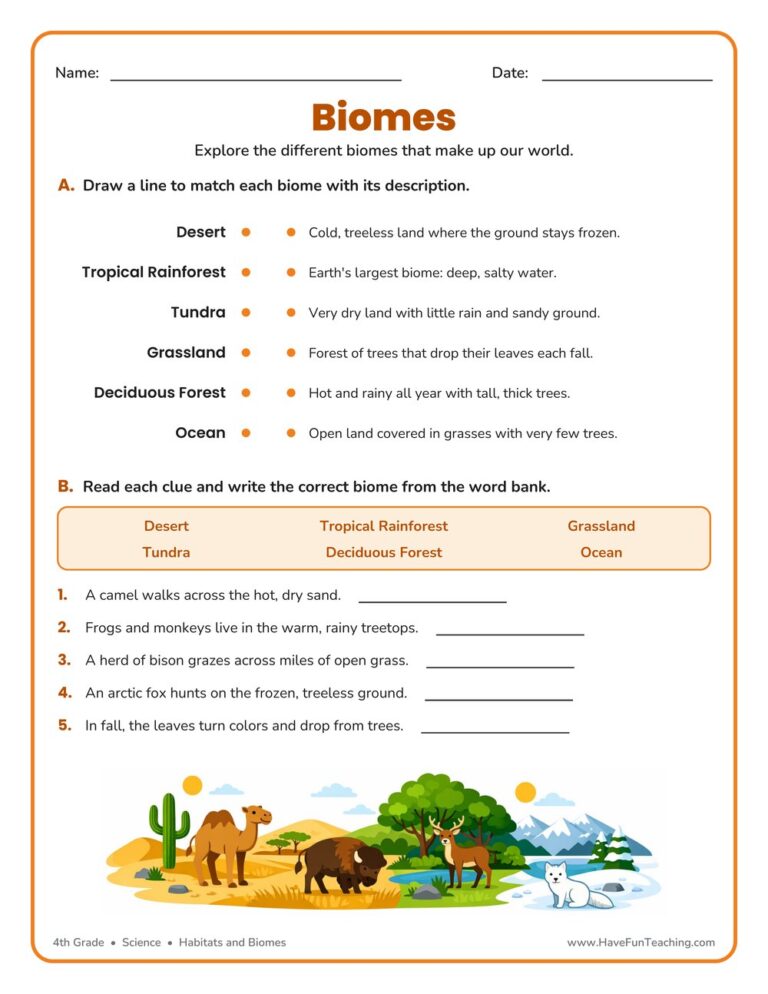
This Biomes Worksheet helps 4th grade students match major biomes to their climates and identify each one from real-world clues. Includes an answer key for fast, no-prep science practice at home or school.
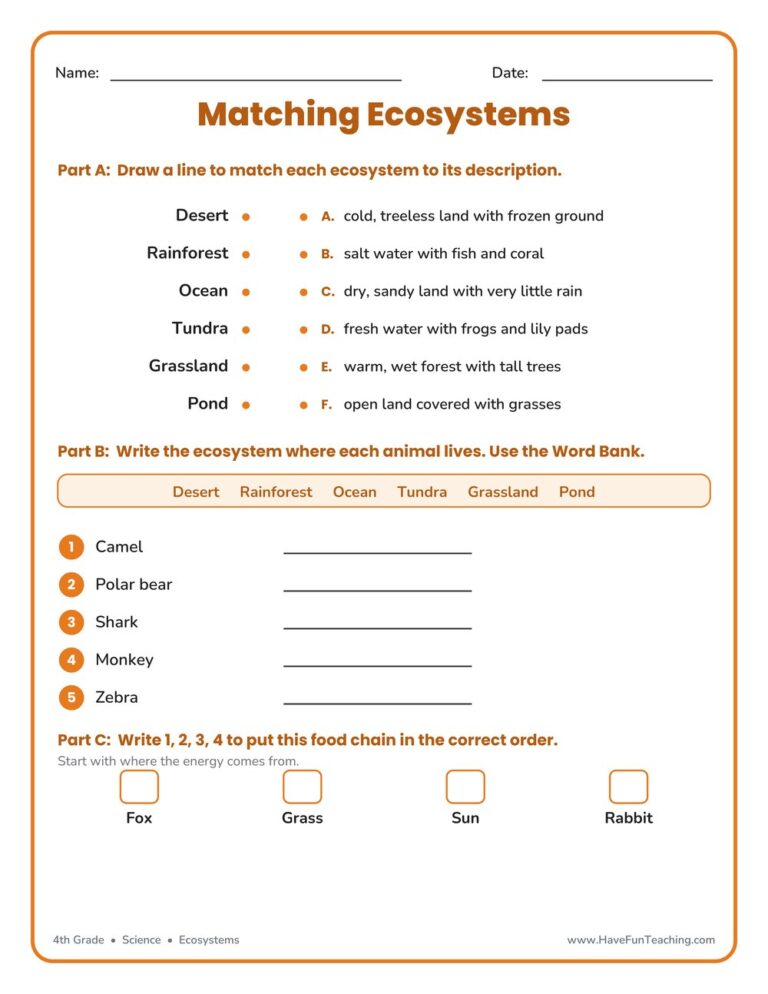
This matching ecosystems worksheet helps 4th grade students match ecosystems to descriptions, sort animals into habitats, and order a food chain. Includes an answer key for easy, no-prep science practice.

Our Natural Resources Worksheet asks 4th graders to sort eight resources into renewable and nonrenewable columns, then explain the difference in writing. Answer key included — easy no-prep Earth Science practice.

The Natural Resources Sorting Worksheet has 4th graders sort a word bank of twelve resources into renewable and non-renewable columns, then write a sentence. Answer key included for easy Earth Science practice.

This Desert Map Worksheet asks 4th Grade students to read four clues, name each United States desert, and mark it on the map. An answer key is included, so checking work takes seconds.

This environmental health worksheet asks 4th graders to sort real clues into air, water, soil, and noise pollution, then plan two ways their class can help. Answer key included for quick, no-prep science practice.
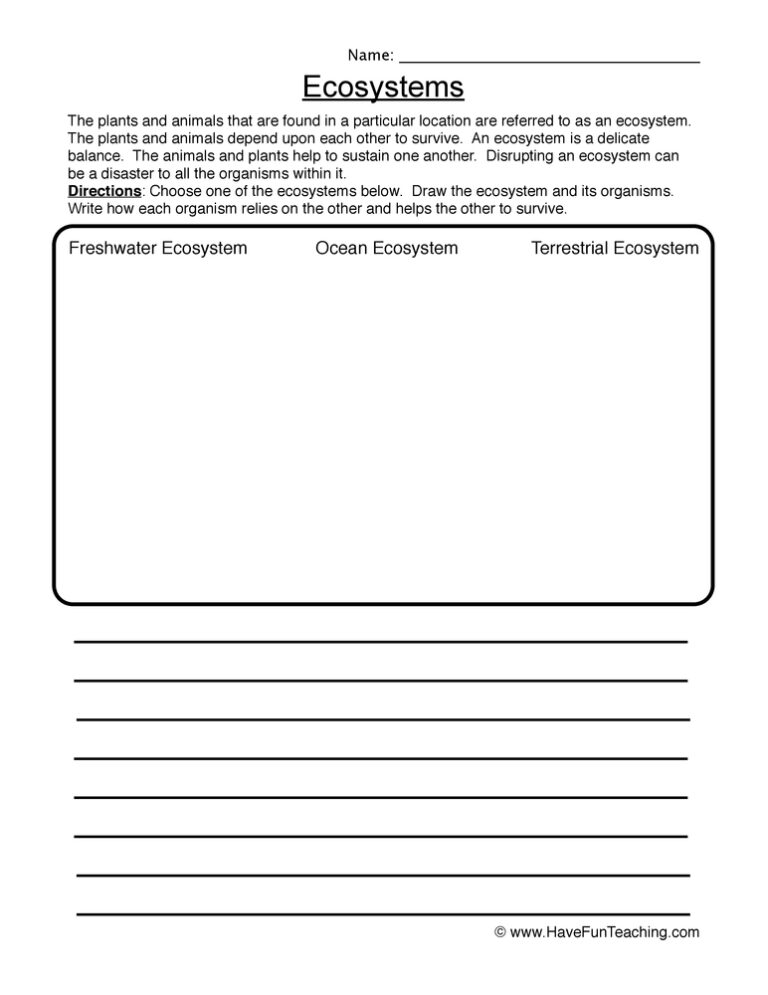
The Drawing Ecosystems Worksheet asks 4th grade students to name the freshwater, ocean and terrestrial ecosystems behind six clues, then explain one animal partnership. An answer key is included, so checking takes a minute.

This Resources Worksheet lets 4th Grade students choose a natural resource from the land, list how people use it, and share ideas for protecting it for the future.

This Natural Resources Writing Worksheet asks 4th graders four written questions on renewable and nonrenewable resources and how to conserve them. An answer key is included, so it is ready to print and teach.
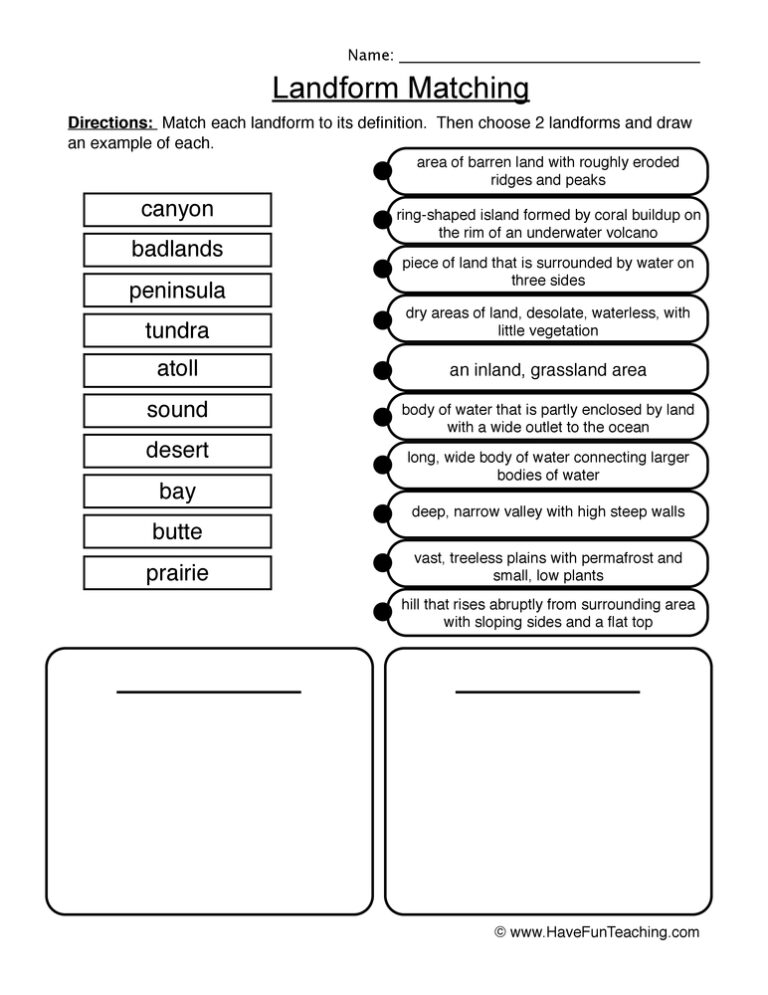
This landform definition matching worksheet has 4th grade students match clues to canyons, buttes, atolls, and more, then name two landforms on their own. An answer key is included.
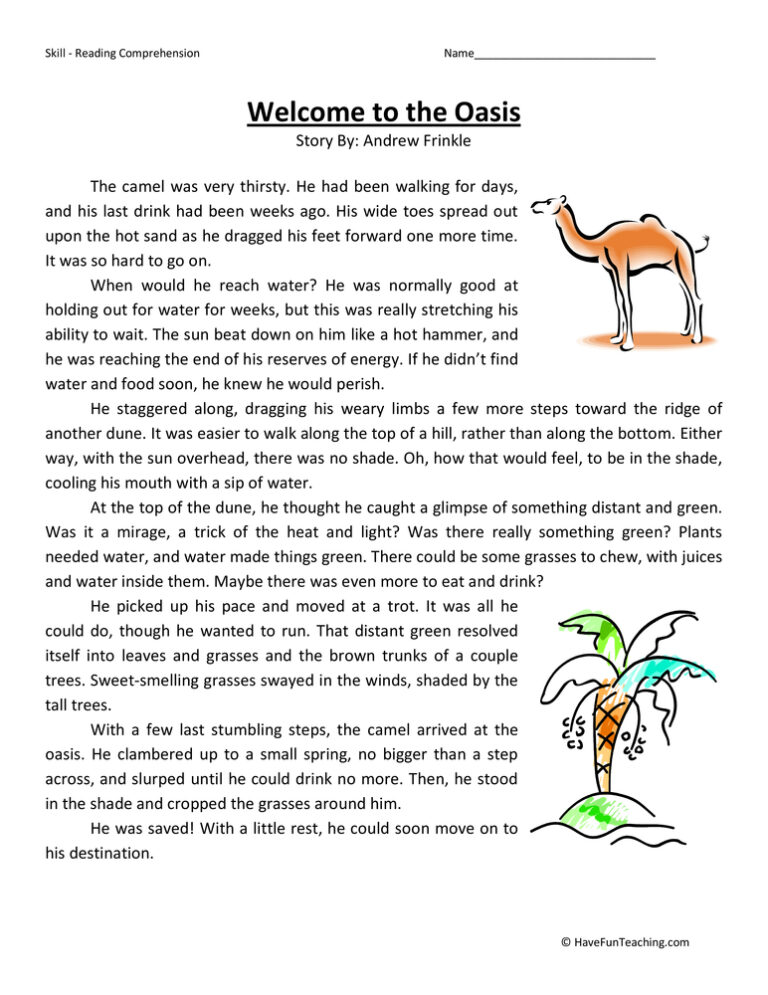
This Welcome to the Oasis reading comprehension worksheet gives 4th grade students a two-page passage about desert oases, four multiple-choice questions and a written response. An answer key is included.

Using this Arctic Research Worksheet, students research the Arctic using the questions as a guide.
Reviews
There are no reviews yet