

Measuring Objects in the Classroom Worksheet
This measuring objects in the classroom worksheet has 2nd graders measure a crayon, a marker, and a pencil in both inches and centimeters. Answer key included for quick, no-prep measurement practice.
$6.97
Or free with a membership — members pay $3.33/mo for all 10,000+ resources. See plans
Want this one free?
Tell us where to send it and it’s yours — no card, no catch.
One free resource per teacher. We’ll also send free teaching ideas each week — unsubscribe anytime.
Teaching is easier with a membership
Unlimited printables, games & videos for PreK–6th — for your classroom or homeschool. Cancel anytime.
Start your 3-day free trial$0 today · cancel anytime · Instant access to 10,000+ resources
About this resource
Description
The moment measurement stops being a number and starts being an idea is the moment a child measures the same object twice with two different units. This measuring objects in the classroom worksheet sets that up three times over: a crayon, a marker, and a pencil, each drawn at its real size above a ruler that carries inches along the top edge and centimeters along the bottom. Students read both scales, write both answers, and discover that the smaller the unit, the bigger the number.
This 2nd grade measurement worksheet gives every card its own 6-inch and 15-centimeter ruler, so students never have to line up a separate tool or hold a page steady. Each object starts at the zero mark and ends exactly on a whole number on both scales, which keeps the reading clean while the skill is still new. Print it for a measurement lesson, a math center, morning work, or homework — the ruler is printed on the page, so there is nothing else to hand out. A complete answer key fills page two.
What’s Included
- 1 print-ready PDF worksheet
- 3 classroom objects drawn at true size: a crayon, a marker, and a pencil
- A printed dual-scale ruler under every object, 6 inches on top and 15 centimeters below
- Six measurements in all, two for each object, every one landing on a whole number
- A complete answer key
Three reasons this resource helps children learn to measure. First, the ruler is printed right under each object and starts at zero, so the single most common measuring mistake — starting at the end of the ruler instead of at the zero mark — is taken off the table while the skill is new. Second, measuring one object twice puts the two units side by side, which is the whole point of the standard at this grade. Third, the objects are drawn at their true size, so a child who lays a real crayon on the page finds it matches.
Teachers and parents can build on this measuring objects in the classroom worksheet in a few easy ways. Hand out a real ruler and measure the same three objects from the supply box. Ask which number is always bigger, the inches or the centimeters, and why that happens. Have students find one more classroom object under 15 centimeters and measure it both ways. Line all the objects up shortest to longest and check the order against the numbers they wrote.
Related Resources
What teachers say
Reviews
You must be logged in to post a review.

This Measuring in Centimeters and Inches Worksheet has 2nd graders measure a key, crayon, and pencil in two units on a ruler. Answer key included — a hands-on way to build ruler skills and early number sense.

A Measuring Inches Worksheet where 2nd graders read an inch ruler to measure four objects, then order the lengths from shortest to longest. Answer key included for fast, no-prep practice.

This Reading Thermometers Worksheet has 2nd graders read four Fahrenheit thermometers to the nearest two degrees, then color two more to match a given temperature. Answer key included for fast, no-prep measurement practice.

Students measure two objects with an inch ruler and find the difference on this Comparing Two Measurements Worksheet, a 2nd grade printable with an answer key included that builds real measuring confidence.
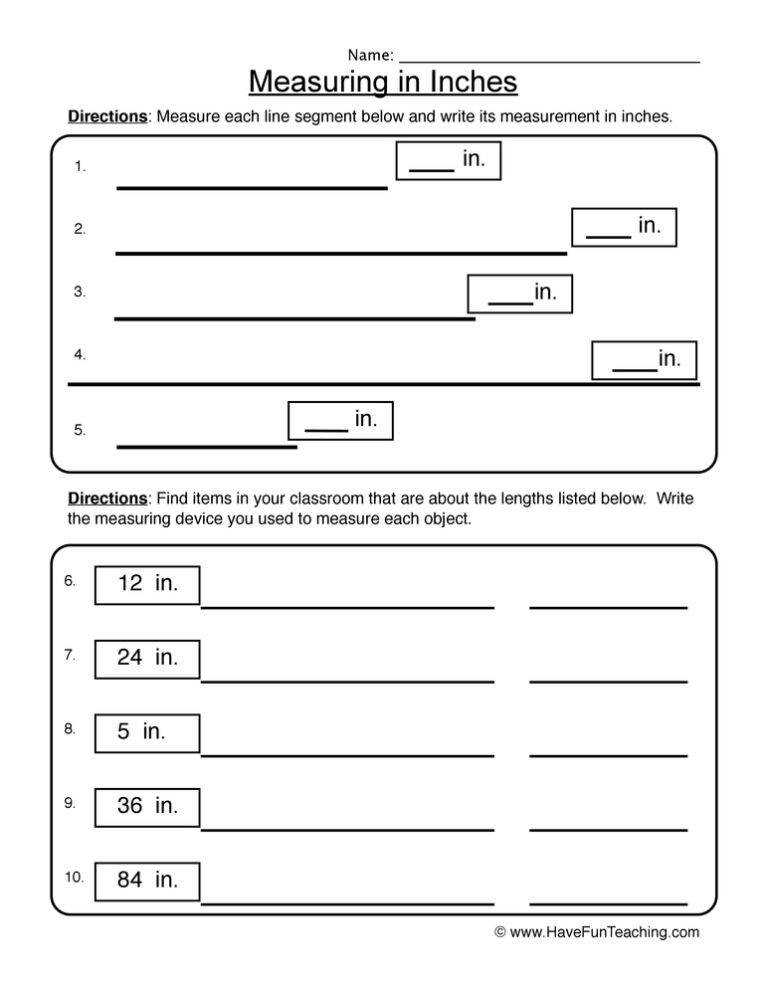
This measurement in inches worksheet gives 2nd graders three true-size objects to measure on a printed ruler, plus a comparison question. Answer key included for quick, no-prep measuring practice.
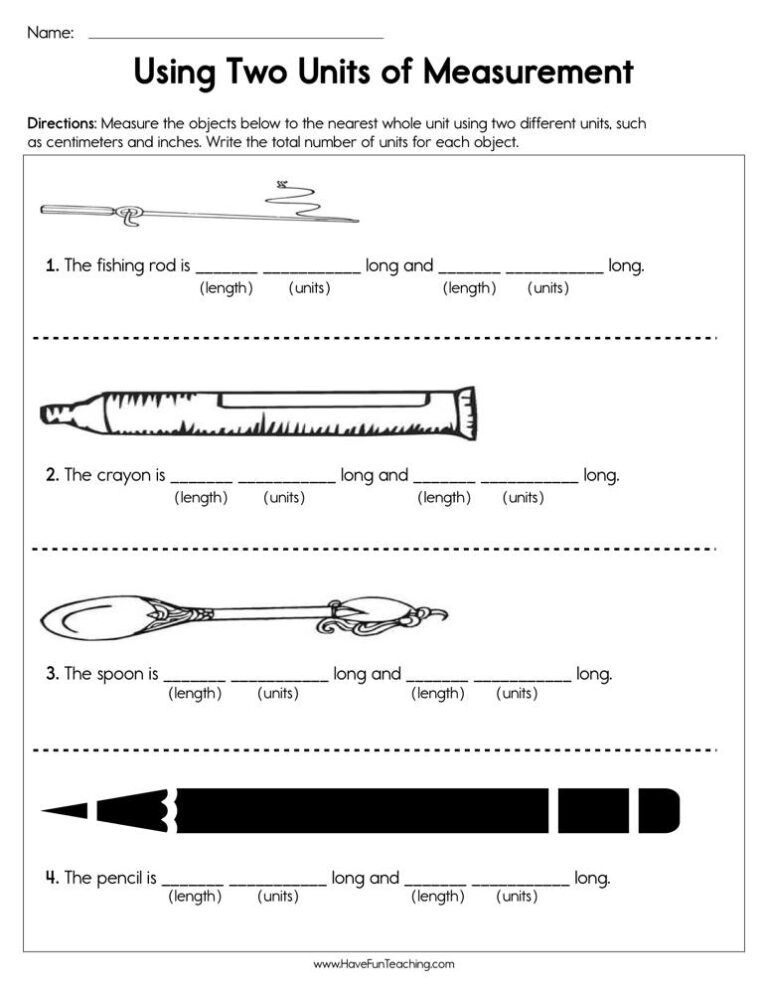
A using two units of measurement worksheet where 2nd graders measure a crayon, a spoon, and a paintbrush in both inches and centimeters on a true-scale ruler. Answer key included for quick, no-prep practice.
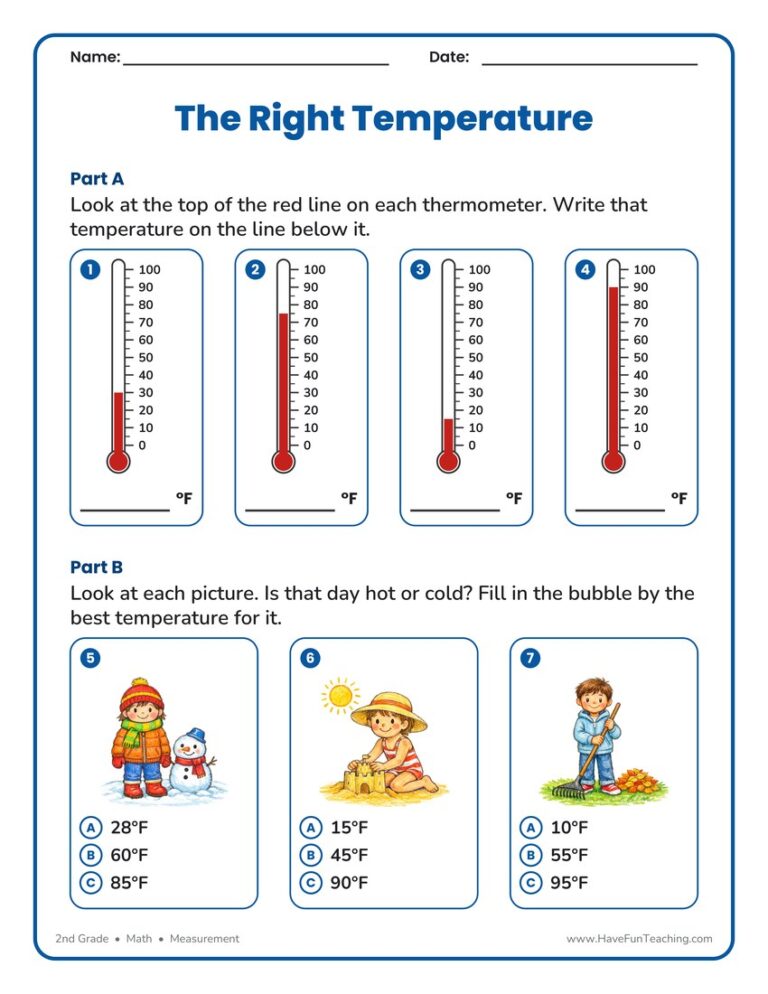
The Right Temperature Worksheet has 2nd graders read four Fahrenheit thermometers and match a temperature to three weather pictures. An answer key is included, so it works as no-prep morning work or a quick measurement check.
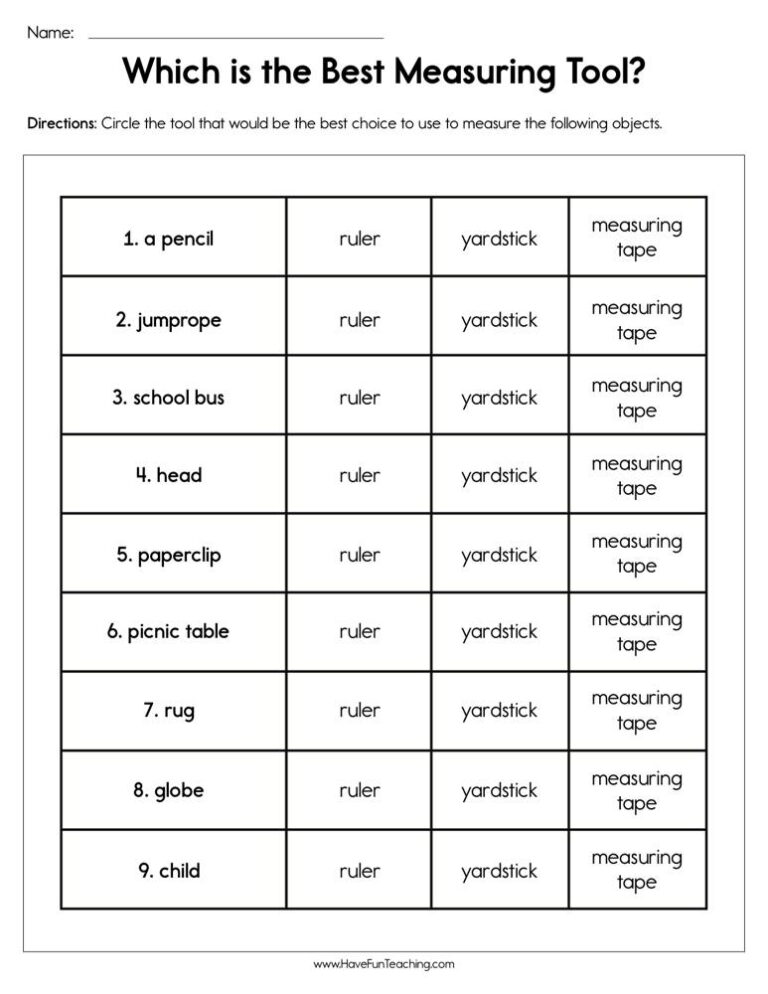
This which is the best measuring tool worksheet asks 2nd graders to pick a ruler, yardstick, or measuring tape for six everyday objects. Answer key included, so measurement practice takes no prep at all.

Students measure four everyday objects on an inch ruler, then use this comparing object lengths worksheet to find how many inches longer one object is than another. 2nd Grade, answer key included.

This reading a thermometer worksheet gives 2nd graders four Fahrenheit scales to read and three real-life pictures to match to a temperature. Answer key included, so practice is quick to check and ready to print.
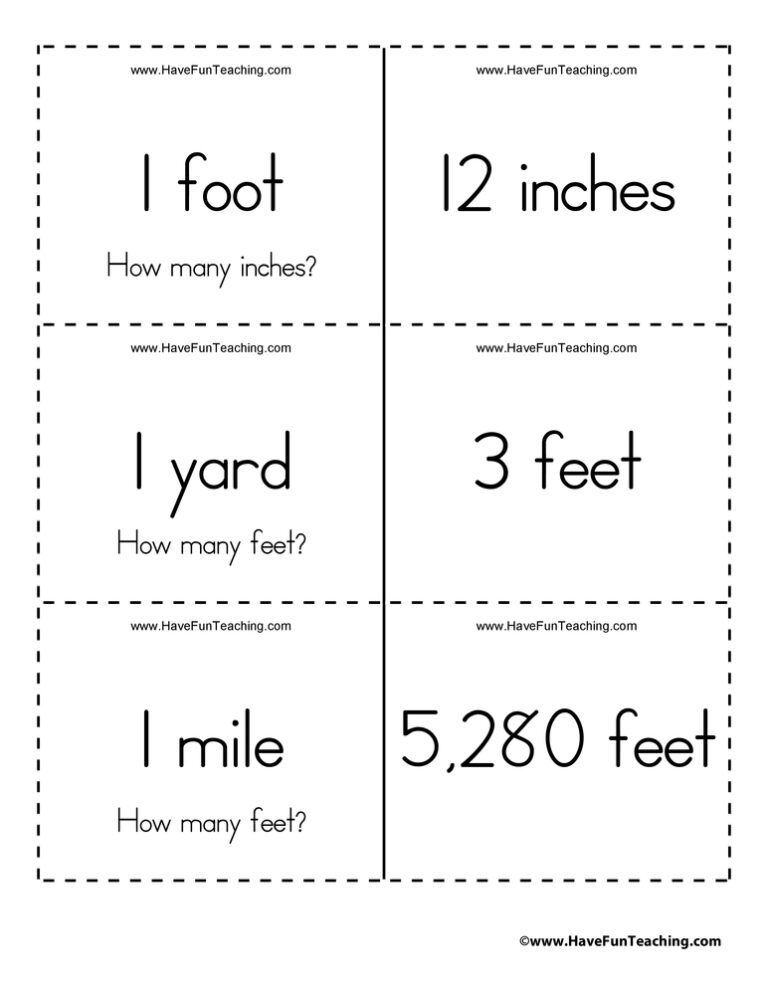
Using Measurement Flash Cards, students build their understanding of unit conversions by matching two units.
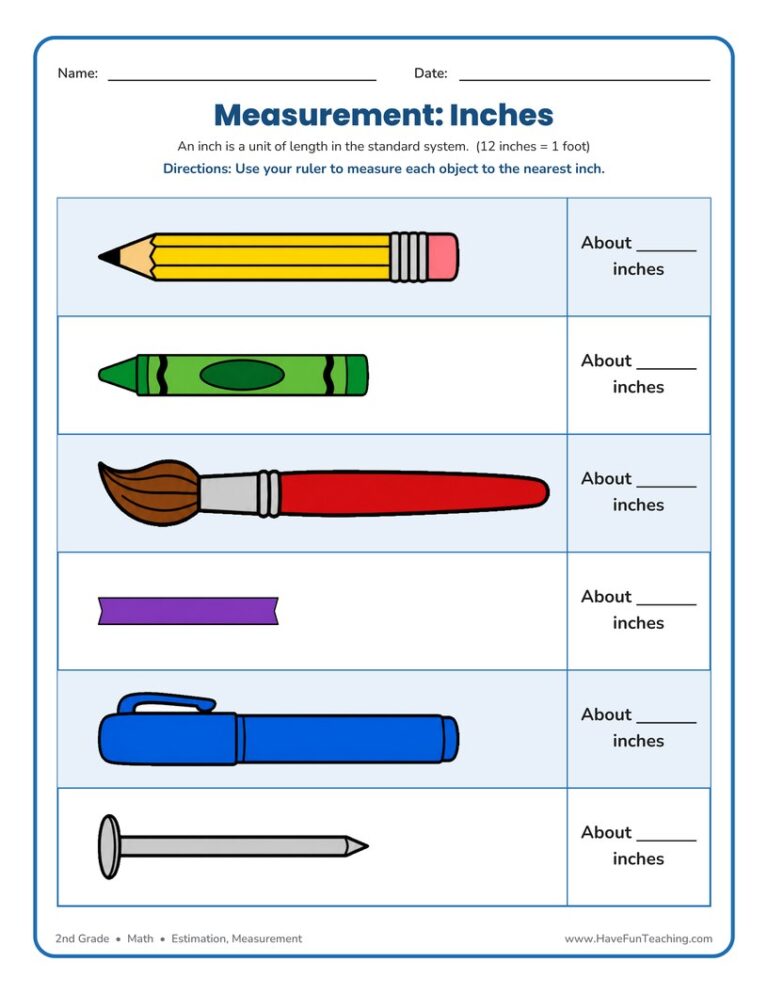
A measuring in inches worksheet where 2nd graders use a ruler to measure six objects to the nearest inch. Includes an answer key — great no-prep practice for estimation and measurement skills.
Reviews
There are no reviews yet