
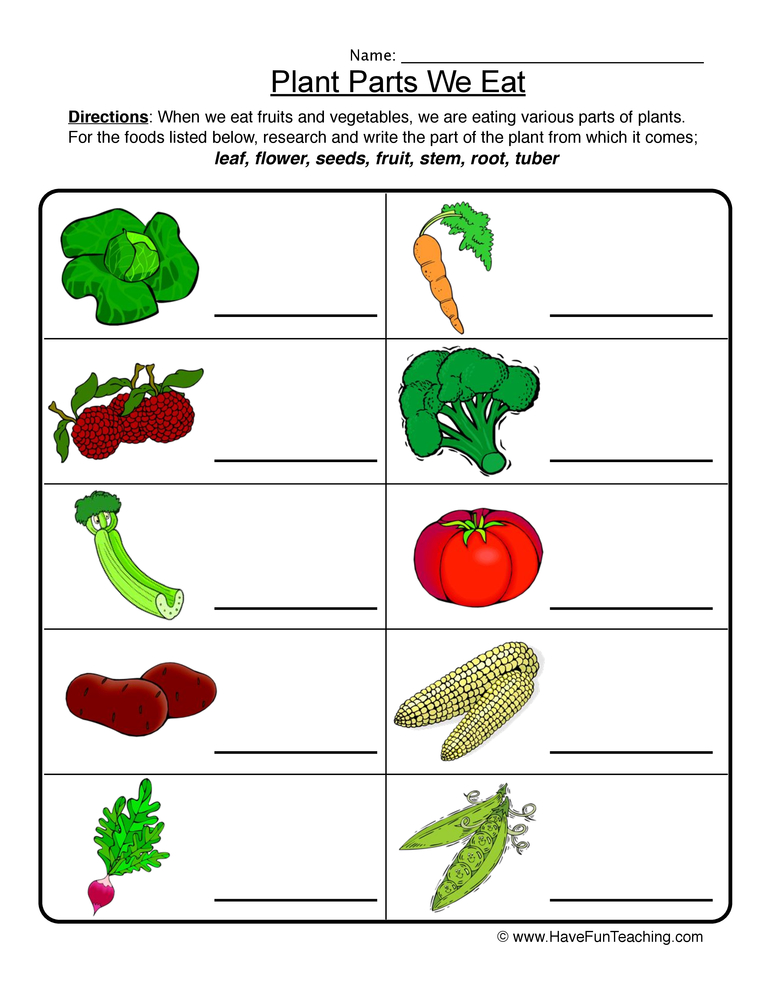
Plant Parts Worksheet
This plant parts worksheet asks 2nd grade students to name the plant part each of six familiar foods comes from, using a word box. An answer key is included, so checking work takes seconds.
$6.97
Or free with a membership — members pay $3.33/mo for all 10,000+ resources. See plans
Want this one free?
Tell us where to send it and it’s yours — no card, no catch.
One free resource per teacher. We’ll also send free teaching ideas each week — unsubscribe anytime.
Teaching is easier with a membership
Unlimited printables, games & videos for PreK–6th — for your classroom or homeschool. Cancel anytime.
Start your 3-day free trial$0 today · cancel anytime · Instant access to 10,000+ resources
About this resource
Description
Almost everything on a dinner plate started out as part of a living plant, and this plant parts worksheet asks students to work out which part. A plant grows six parts a person can eat — roots, stems, leaves, flowers, fruits, and seeds — and once a child knows what each part does, sorting a carrot from a stalk of celery stops being memory work and becomes reasoning. Students look at a familiar food, picture the whole plant it grew on, and decide where on that plant the food came from.
This 2nd grade life science worksheet gives six clear pictures and a word box holding the six plant parts. Each word is used exactly one time, so a student who is sure about four of them can reason out the last two — the same elimination thinking a science test asks for. The pictures were drawn to keep one honest answer each: the carrot has no leafy top to distract from the root, and the celery is trimmed so the stalk is plainly the part we eat. There is a wide writing line under every picture and a full answer key on the second page.
What’s Included
- One printable worksheet page with six food pictures and a writing line under each
- A word box with the six plant parts we eat: flower, fruit, leaf, root, seed, and stem
- Foods children already know: lettuce, tomato, carrot, broccoli, celery, and peas
- A complete answer key on page two
Three Reasons This Helps Kids
- It connects science to lunch. Plant structure can feel abstract until a child realizes the salad on the table is leaves, roots, and fruits all in one bowl.
- It teaches function, not just naming. Deciding that broccoli is a flower means thinking about what a flower bud looks like, which is the real standard behind the skill.
- It builds careful reasoning. Because every word in the box is used one time, students learn to check their answers against the whole set instead of guessing item by item.
Ideas for Teachers and Parents
Use this plant parts worksheet to open a unit on plant structure, or as a quick check after one. Bring in the real foods and let students hold a celery stalk and a carrot side by side before they write. Ask which parts of a plant the class has never eaten, and why roots and leaves are so common while flowers are rarer. Homeschool families can walk the produce aisle or a garden bed and name a plant part for every item in the basket. For an extension, have students draw one whole plant and label where each of the six parts would grow.
Related Resources
What teachers say
Reviews
You must be logged in to post a review.
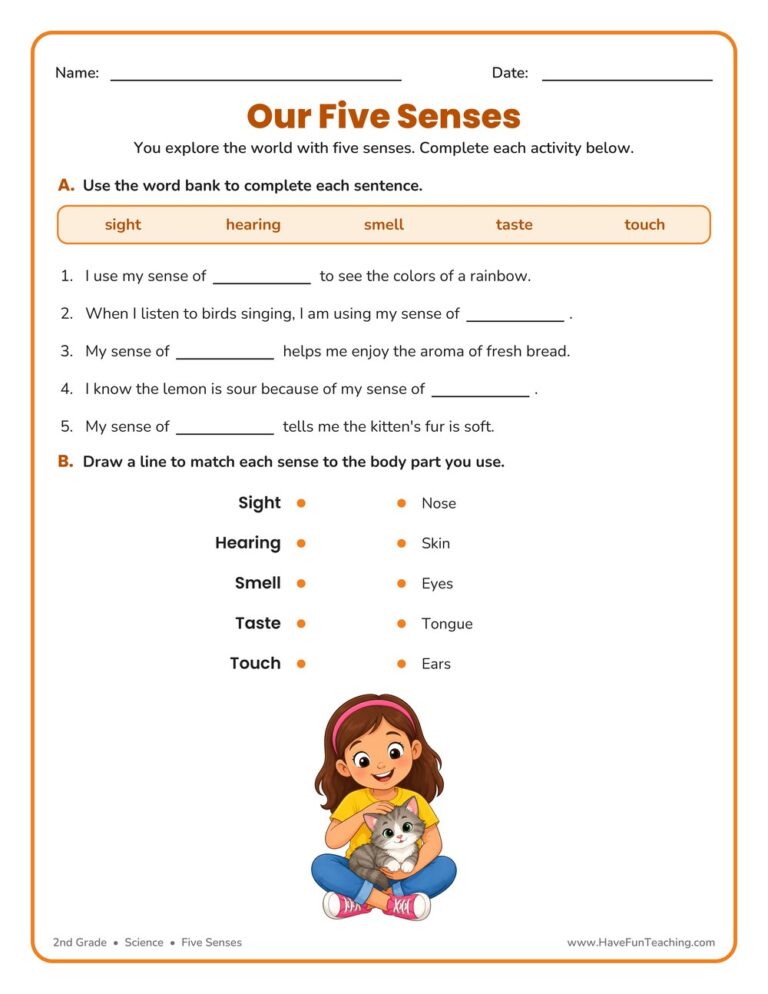
The Senses Fill in the Blanks Worksheet gives 2nd grade students word-bank practice completing sentences about sight, hearing, smell, taste, and touch, plus a sense-to-body-part match. Answer key included for quick, no-prep science review.

The Life Cycle of a Butterfly Worksheet has 2nd graders label the egg, larva, pupa, and adult stages and put them in the correct order. Answer key included for quick, hands-on life science practice.
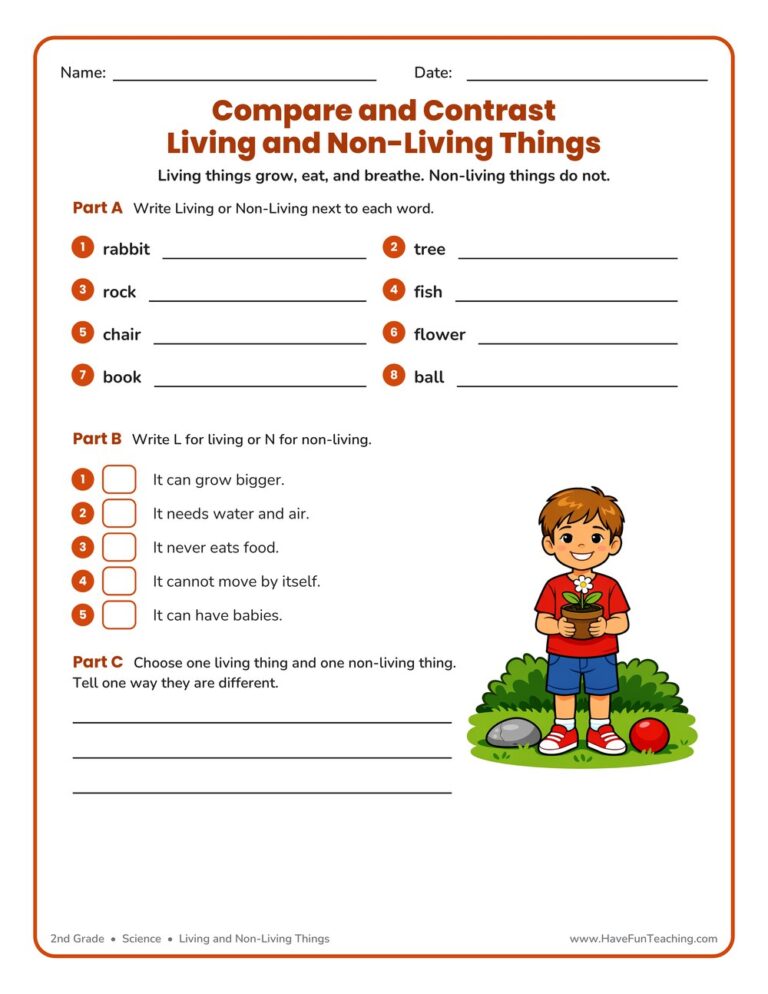
A hands-on characteristics of living and non-living things worksheet for 2nd grade, where students sort words, judge true traits, and compare examples. Includes an answer key for quick, no-prep science practice.

This matching animal habitats worksheet has 2nd Grade students connect five animals to the ocean, pond, desert, forest, and grassland, then finish three sentences. An answer key is included for fast, no-prep science practice.
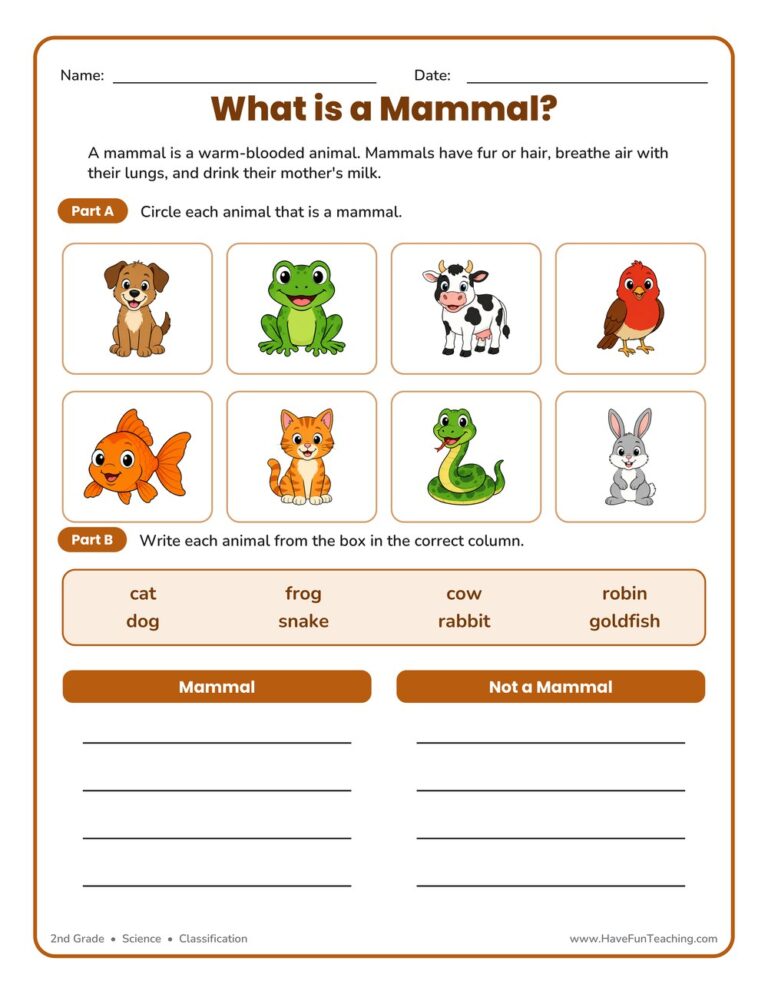
This mammal classification worksheet helps 2nd graders spot mammals and sort animals into mammal and not-a-mammal groups. It includes a complete answer key, making it perfect for no-prep science practice at home or in the classroom.
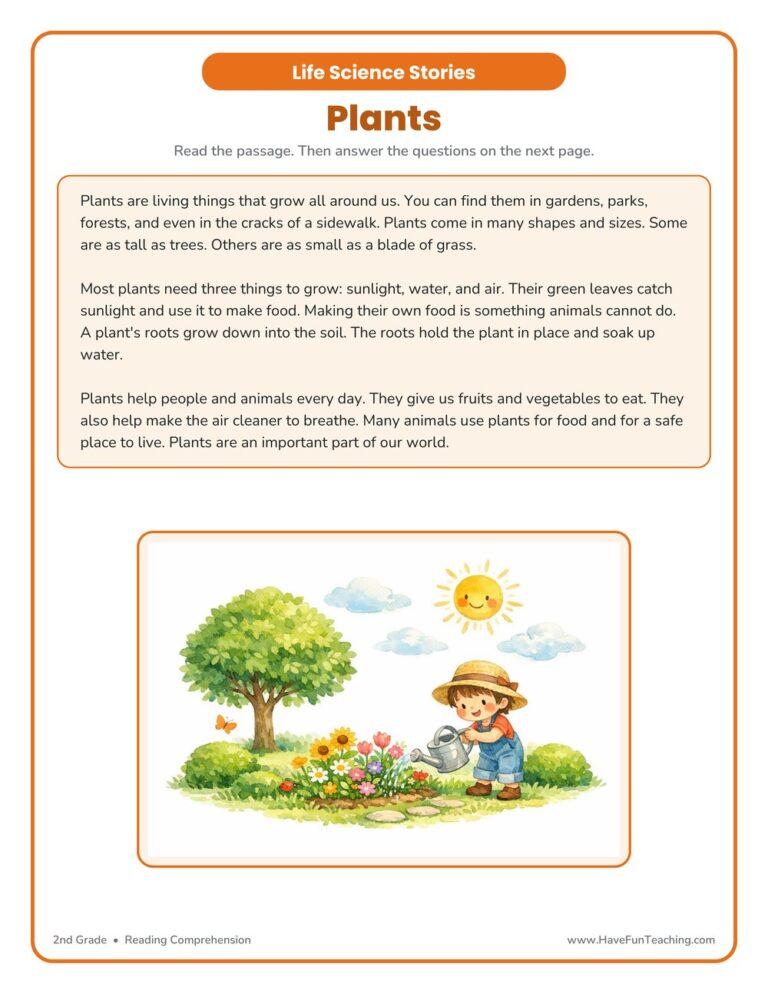
This Plants Life Science Reading Comprehension Worksheet gives 2nd graders a short nonfiction passage about plants plus questions that build reading comprehension. Includes a complete answer key — perfect for no-prep science and reading practice.
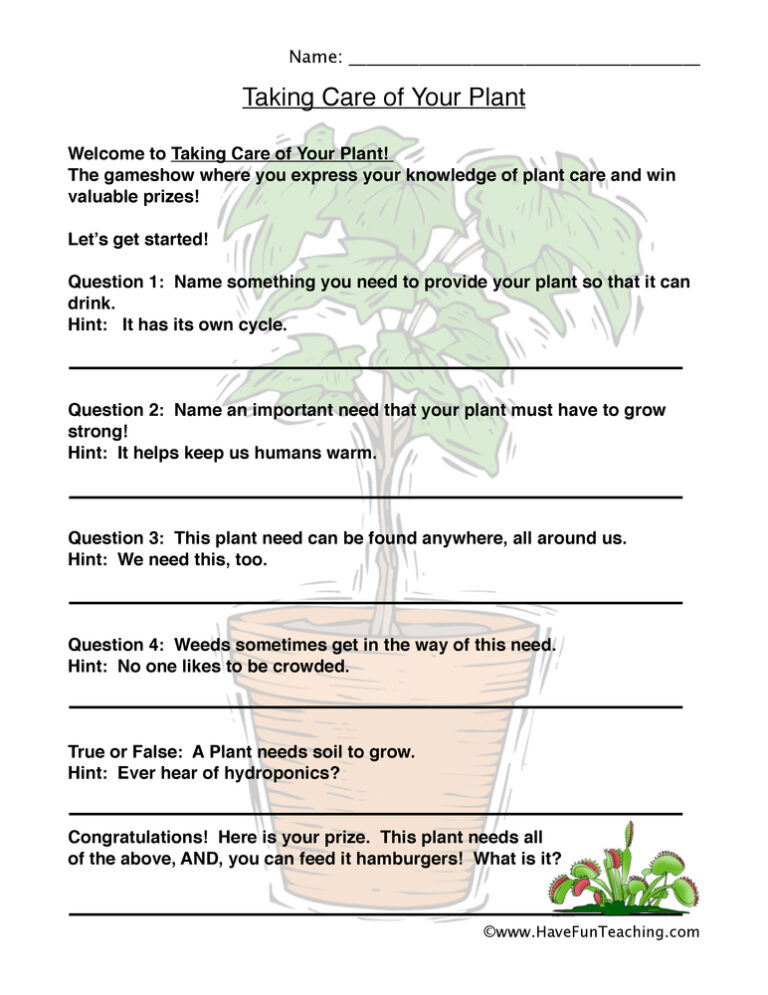
A hands-on plant needs worksheet where 2nd graders name the five things every plant must have, then match three pictures to the needs they show. Answer key included for quick, no-prep science practice.
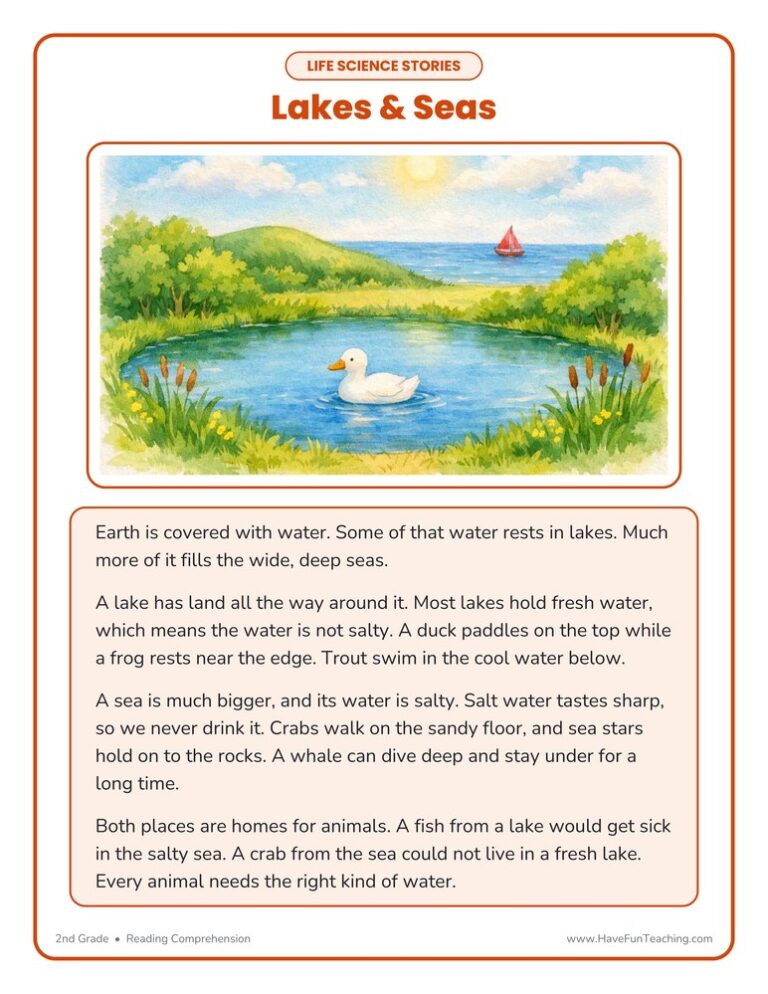
This Lakes and Seas Life Science Reading Comprehension Worksheet gives 2nd Grade students an original passage about fresh water and salt water habitats, with bubble, fill-in, and writing questions. Answer key included.
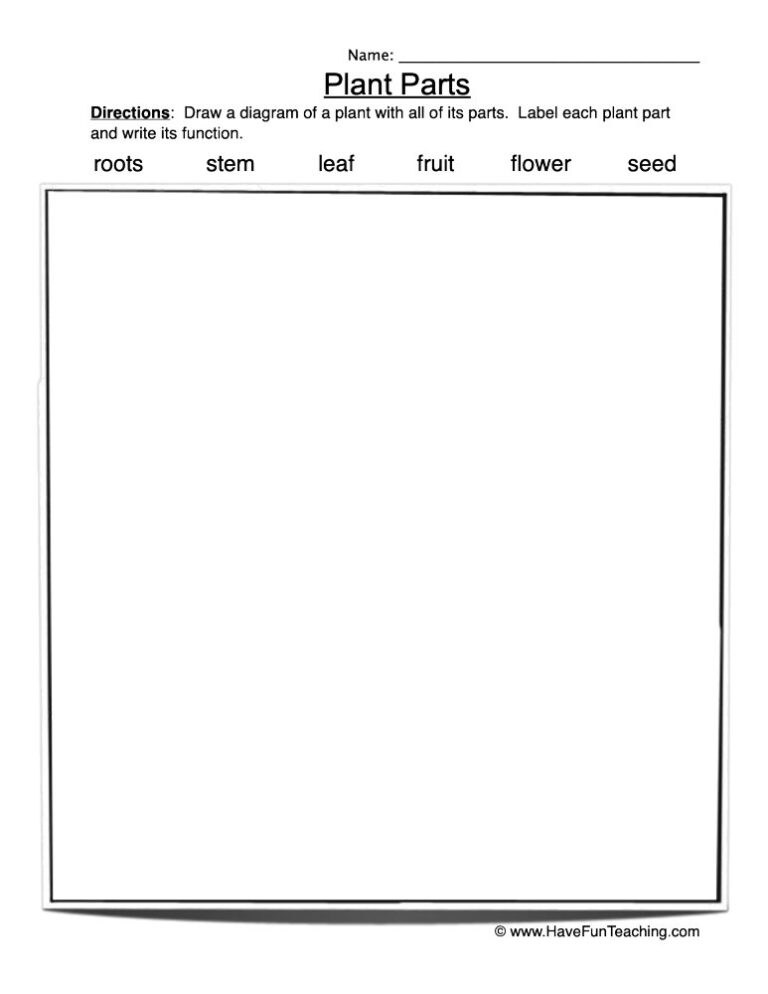
This Plant Parts Drawing Worksheet has 2nd Grade students match each plant part to its job, then draw and label a whole plant. An answer key is included, so checking plant vocabulary is quick and easy.
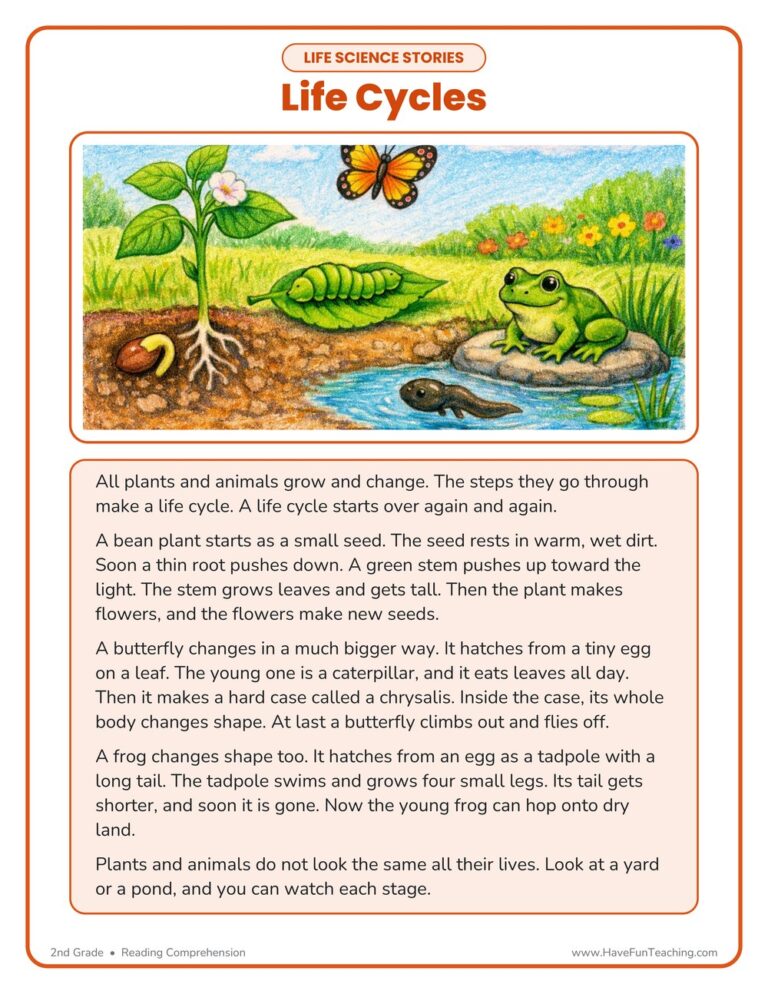
This Life Cycles Life Science Reading Comprehension Worksheet gives 2nd Grade readers a non-fiction story about seeds, caterpillars, and tadpoles, plus bubble, word-bank, and writing questions. Answer key included for fast, no-prep practice.
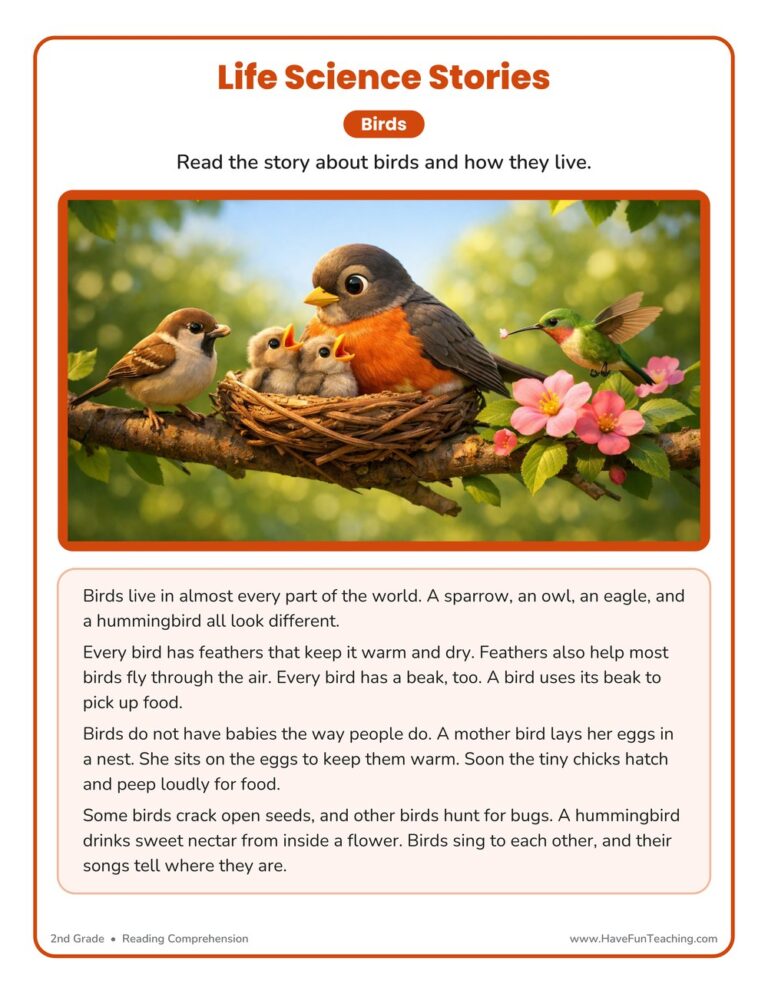
A nonfiction bird passage for 2nd graders, with questions on feathers, nests, and what birds eat. This Birds Life Science Reading Comprehension Worksheet includes an answer key for easy, no-prep science reading practice.
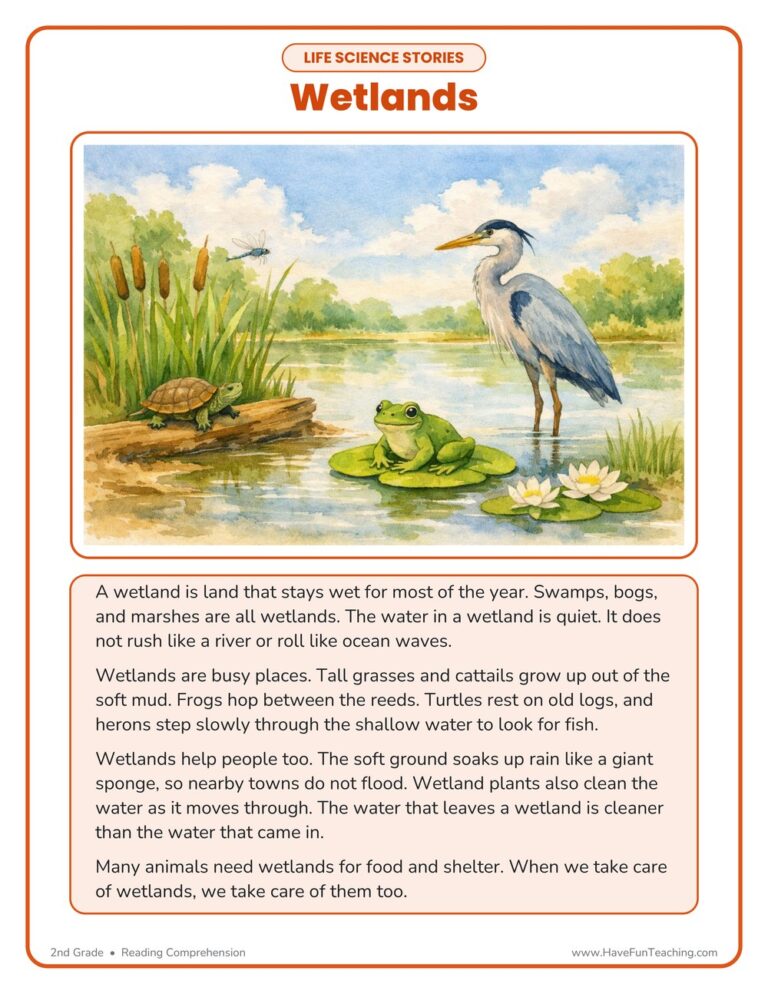
Explore swamps, bogs, and marshes with this wetlands life science reading comprehension worksheet. Second graders read a short nonfiction passage and answer six questions, and an answer key is included, so learning about habitats stays easy and fun.




Reviews
There are no reviews yet