
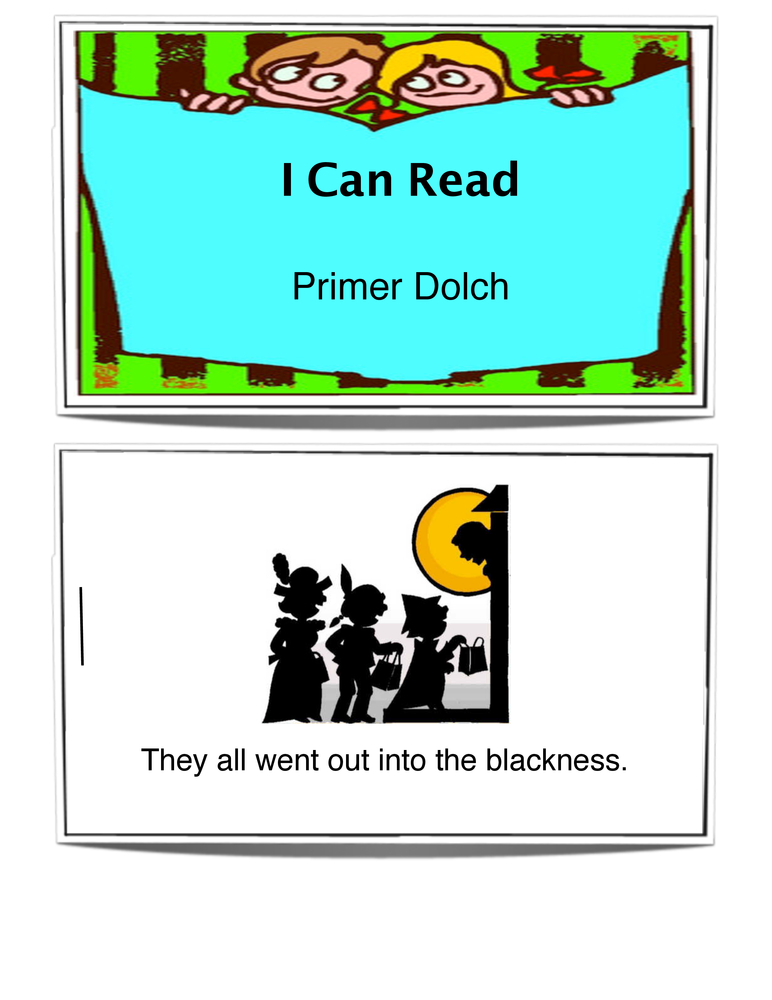
Primer Sight Words Book
This Primer Sight Words Book has kindergarten students read, trace and write six Dolch primer words: all, came, went, out, into and saw. An answer key is included, making sight word practice quick and easy.
$6.97
Or free with a membership — members pay $3.33/mo for all 10,000+ resources. See plans
Want this one free?
Tell us where to send it and it’s yours — no card, no catch.
One free resource per teacher. We’ll also send free teaching ideas each week — unsubscribe anytime.
Teaching is easier with a membership
Unlimited printables, games & videos for PreK–6th — for your classroom or homeschool. Cancel anytime.
Start your 3-day free trial$0 today · cancel anytime · Instant access to 10,000+ resources
About this resource
Description
Once a child knows the first handful of sight words, the next list is where reading starts to feel like reading. This Primer Sight Words Book takes six words from the Dolch primer list — all, came, went, out, into and saw — and gives each one its own card to read, trace and write. These are the little words that tell a story what happened: someone came, they went out, they saw something. A child who knows them on sight can keep her attention on the meaning instead of stopping to decode every line.
This kindergarten dolch words worksheet uses the same three steps on every card. Your child reads the word printed at the top, traces the dotted letters on the first line, then writes the whole word from memory on the empty line below it. Have her say the word out loud each time she meets it, because sight words are remembered by sound and shape together. The letters are large and the lines are long, so a child who is still learning to control a pencil has plenty of room. The answer key on page two shows all six words written out.
What’s Included
- 1 print-ready PDF worksheet
- Answer key
- 6 read-trace-write sight word cards
- Dolch primer words: all, came, went, out, into, saw
Three things make this primer sight words book more useful than a plain word list. First, reading the word before tracing it means your child meets it as a word, not as a string of letters to copy. Second, tracing builds the motor memory that helps the word come out whole the next time she writes it. Third, the empty line at the bottom is a small real test — she has to recall the word without looking, which is exactly what a sight word needs to become.
Keep the six words in play for the rest of the week. Write them on index cards and hide them around the room for a word hunt. Read a favorite picture book together and ask your child to tap the page every time she spots went or saw. Build a short silly sentence with three of the words, such as all came out, and act it out. In a classroom, the cards make a quick morning warm-up or a word-work center, and the answer key lets a helper check the page in seconds.
Related Resources
What teachers say
Reviews
You must be logged in to post a review.
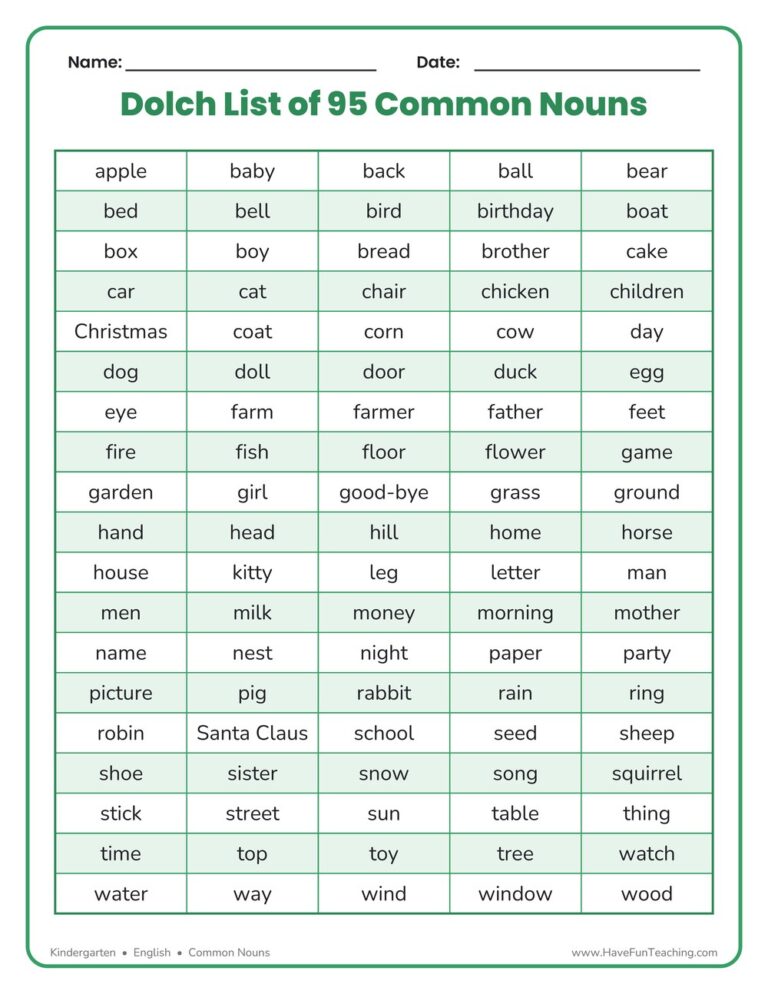
This Dolch Word List of Common Nouns Worksheet gives kindergarten readers all 95 everyday Dolch nouns in one clean, colorful reference table—perfect for building sight-word fluency during reading, spelling, and writing practice.

This Reading High Frequency Words Worksheet gives Kindergarten readers hands-on practice tracing four Dolch sight words and then spotting them inside simple sentences. An answer key is included, so sight-word practice takes no prep at all.
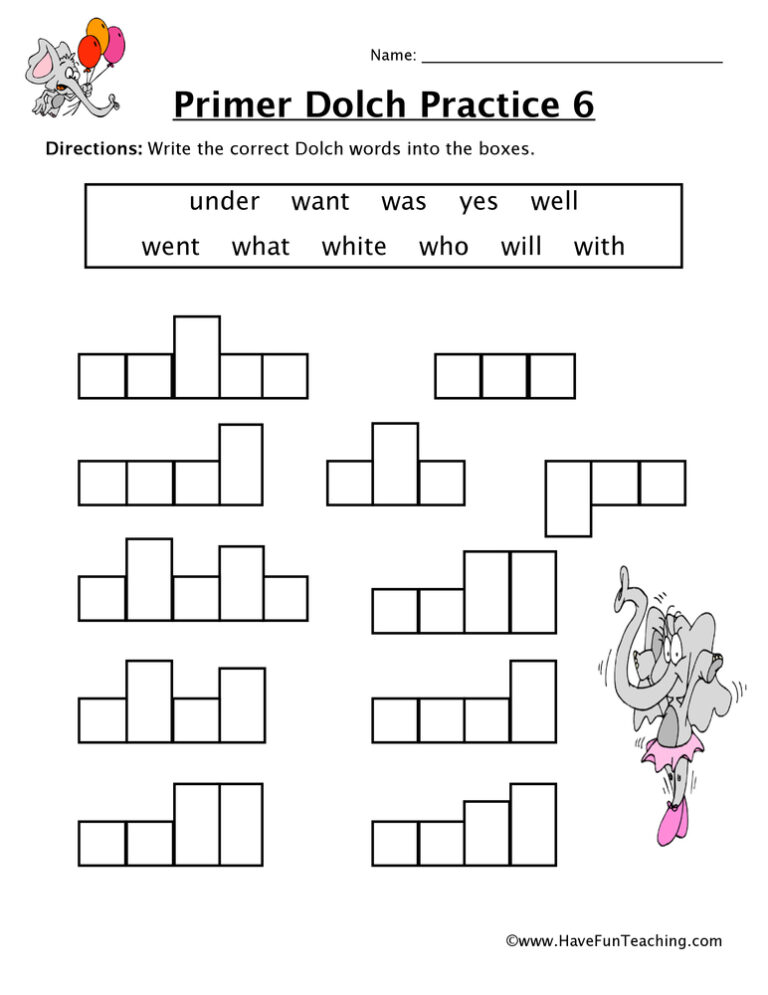
This Kindergarten Sight Words U to W Worksheet has children read, trace and write six Dolch primer words: want, what, under, was, who and went. An answer key is included for quick, no-prep sight word practice.
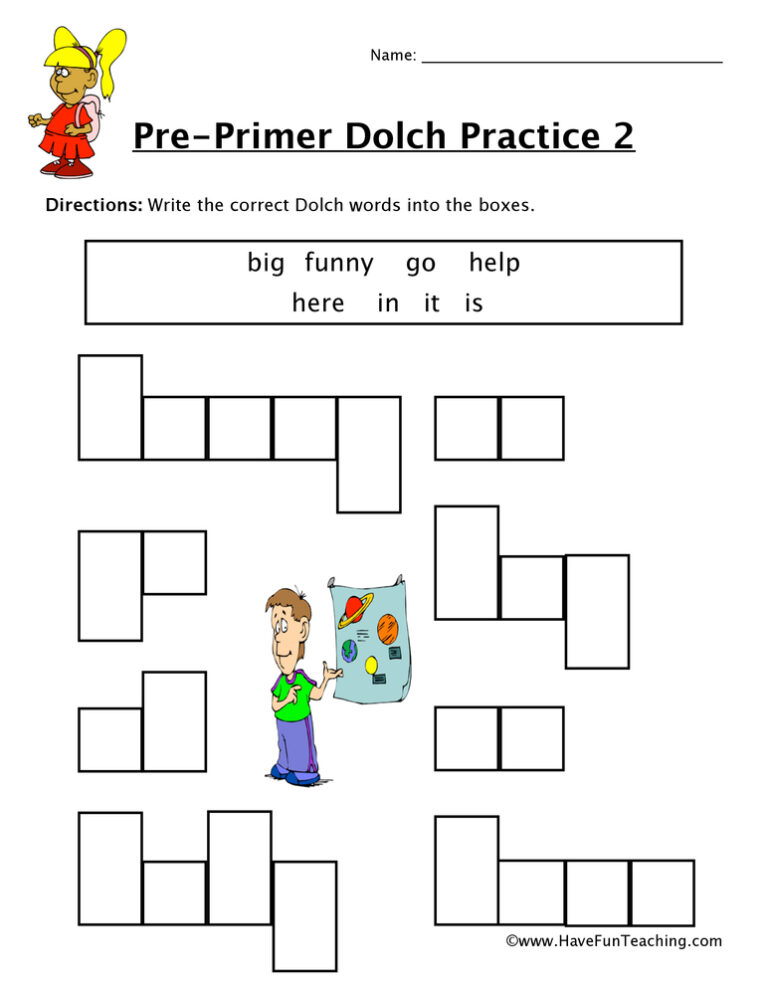
This pre-primer sight words f to i worksheet helps kindergarten students read, trace and write six Dolch words, with an answer key included for quick checking.
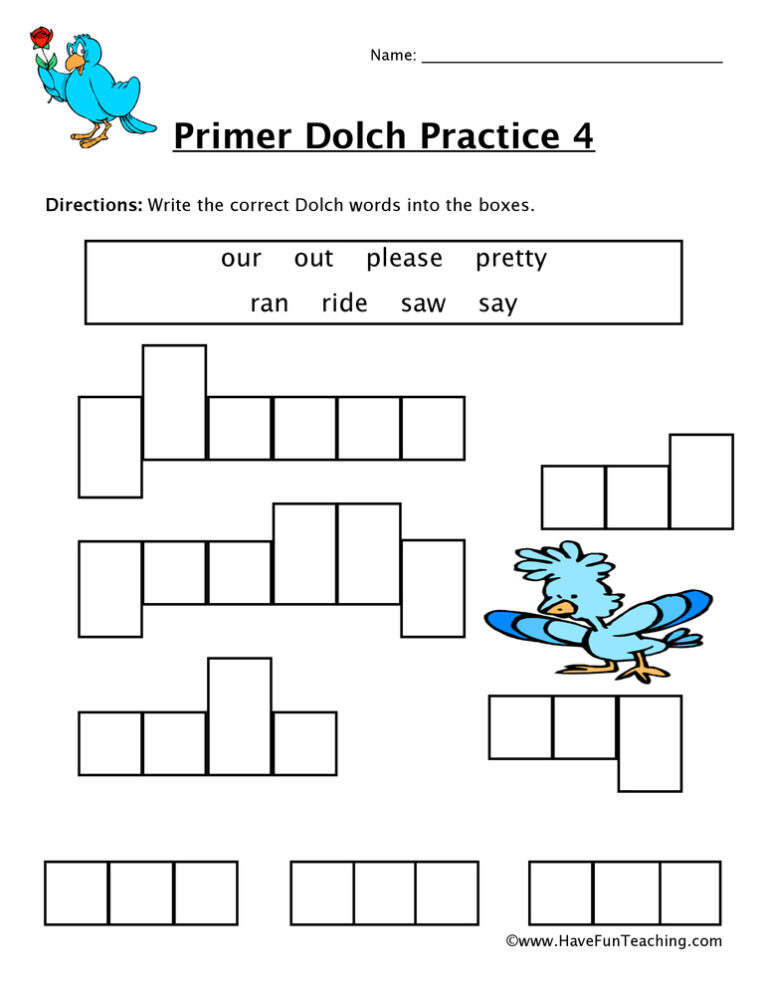
This kindergarten sight words o to s worksheet lets children read, trace, and write six Dolch primer words, and the answer key helps grown-ups check each word quickly.
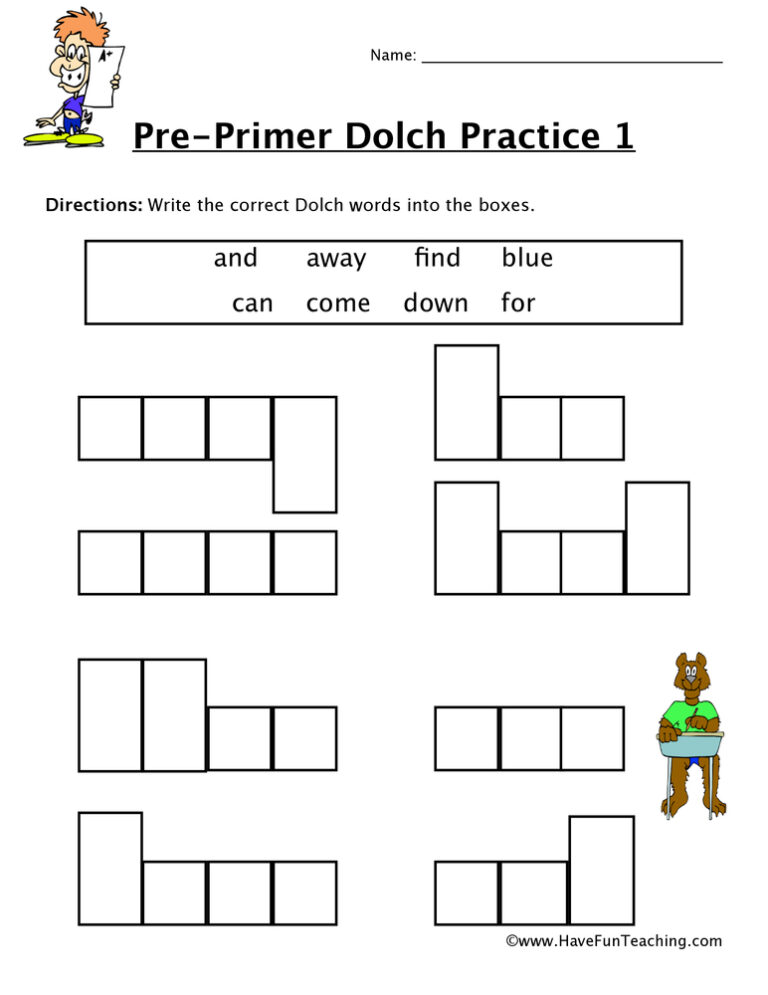
This pre-primer sight words a to f worksheet has kindergarten students read, trace and write six Dolch words on roomy lines, with an answer key for fast checking.
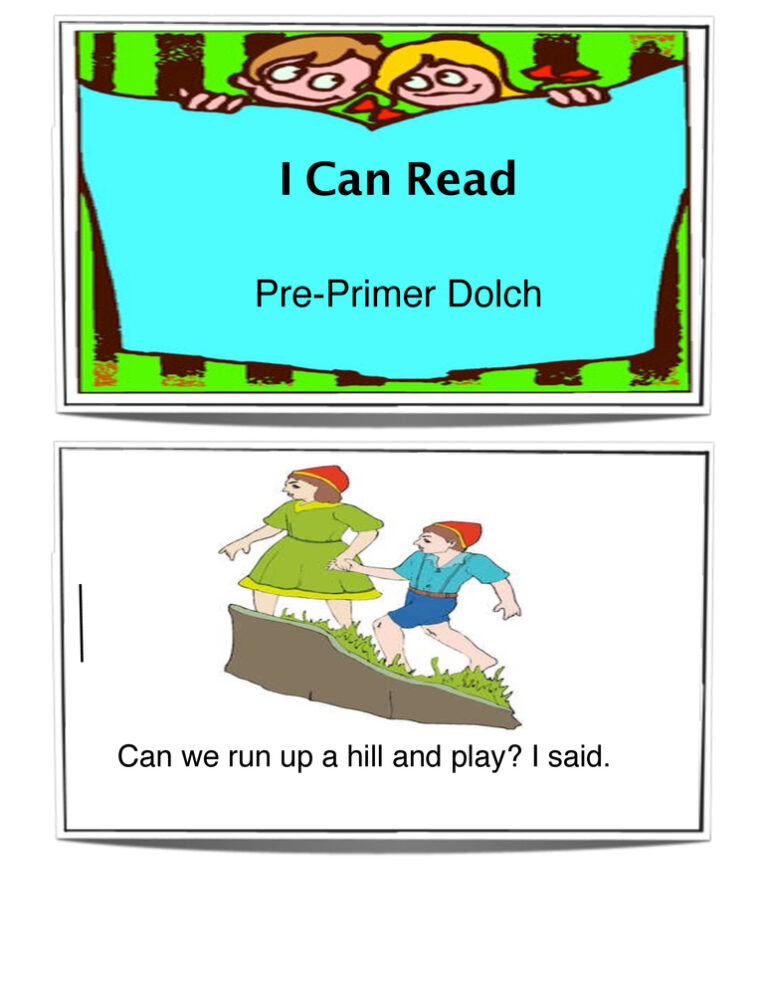
This Pre-Primer Sight Words Book has kindergarten children read, trace and write six Dolch pre-primer words: the, and, see, look, can and little. An answer key is included for quick, no-prep sight word practice.
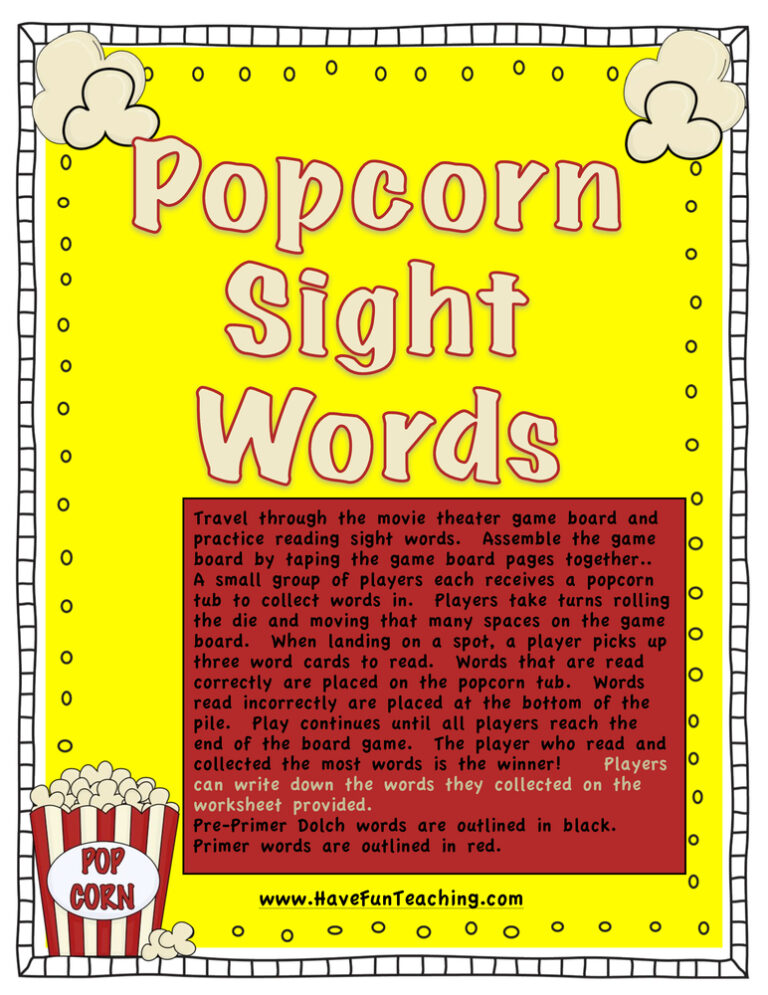
Using Word Recognition Activity, students travel through the movie theater game board and practice reading sight words.
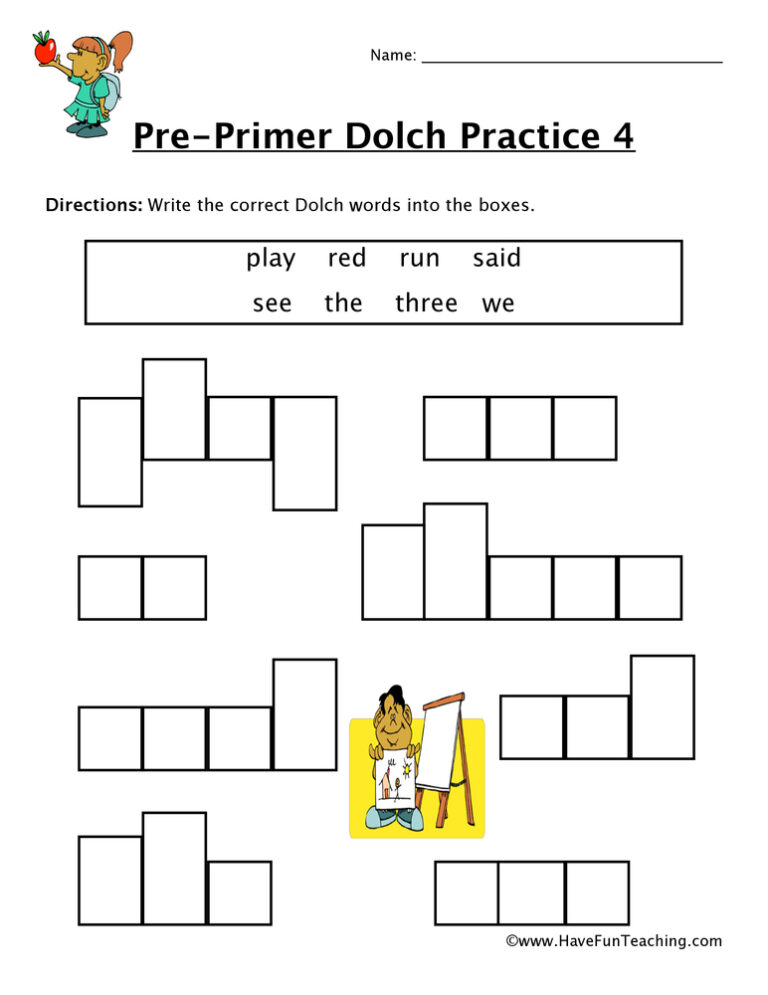
Using Pre-Primer Sight Words P to W Worksheet, students write the correct Dolch words into the boxes to build sight word fluency.

This kindergarten sight words h to o worksheet lets children read, trace, and write six Dolch primer words. An answer key is included so checking work is quick and easy.
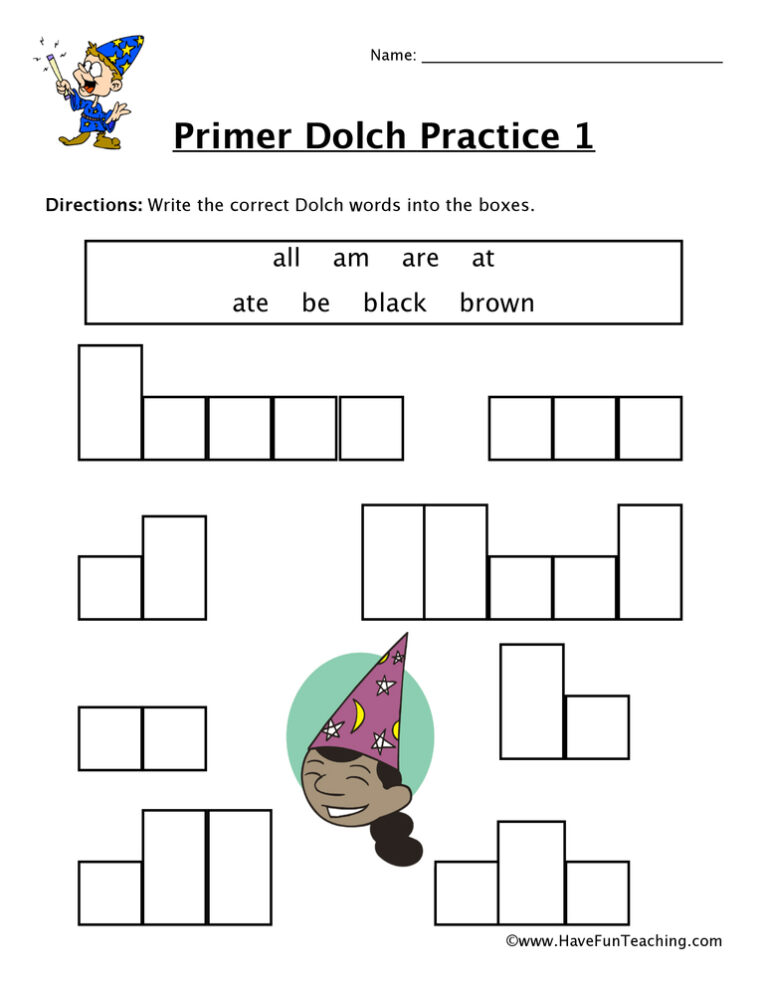
This kindergarten sight words a to b worksheet has children read, trace and write six Dolch primer words, and an answer key makes checking their work fast and easy.
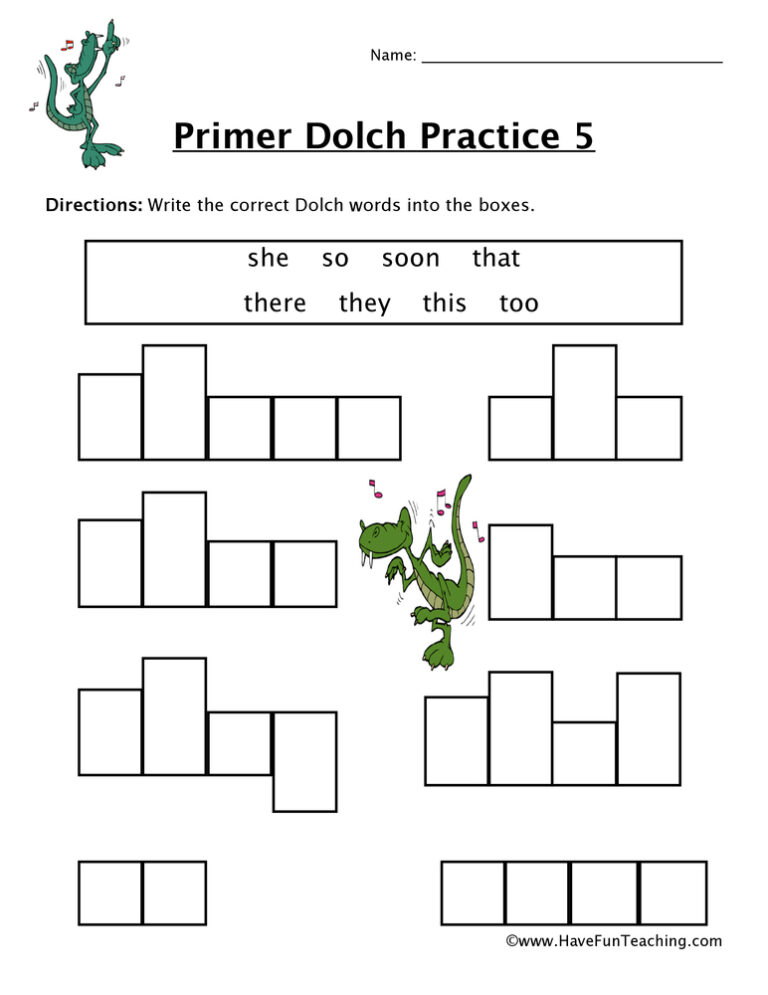
Using Kindergarten Sight Words S to T Worksheet, students write the correct Dolch words into the boxes to build sight word fluency.
Reviews
There are no reviews yet