
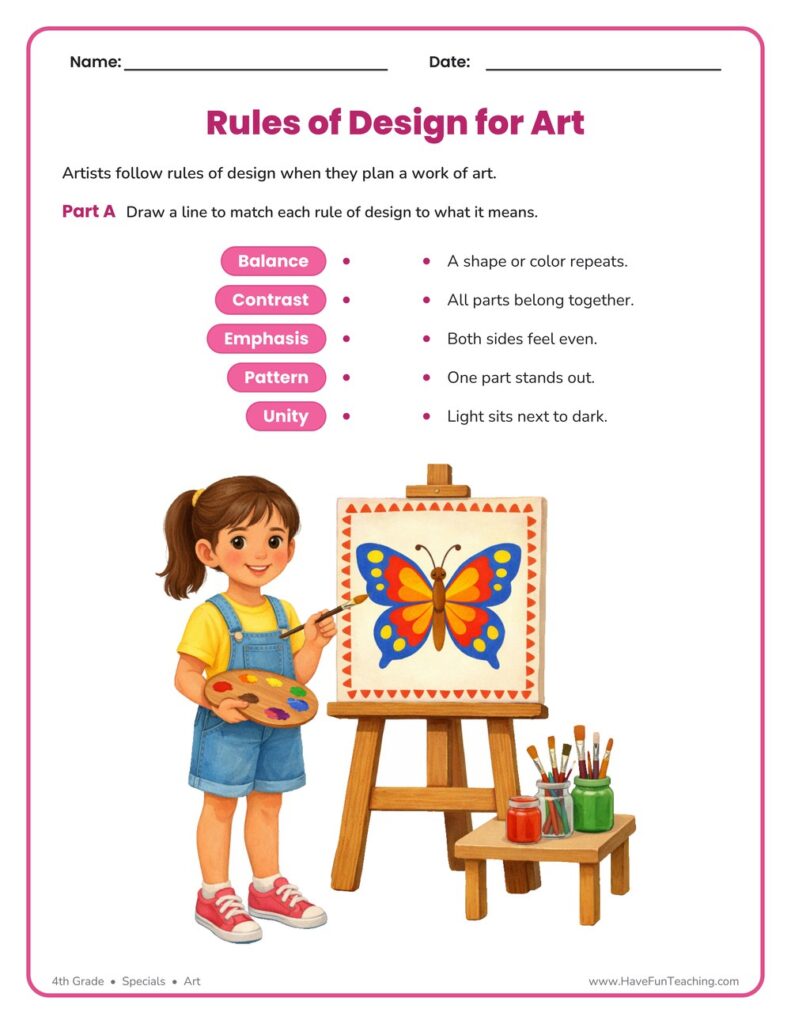
Rules of Design for Art Worksheet
Use this Rules of Design for Art Worksheet to help 4th grade students match, identify, and apply balance, contrast, emphasis, movement, pattern, rhythm, and unity. Answer key included for quick checking.
$6.97
Or free with a membership — members pay $3.33/mo for all 10,000+ resources. See plans
Want this one free?
Tell us where to send it and it’s yours — no card, no catch.
One free resource per teacher. We’ll also send free teaching ideas each week — unsubscribe anytime.
Teaching is easier with a membership
Unlimited printables, games & videos for PreK–6th — for your classroom or homeschool. Cancel anytime.
Start your 3-day free trial$0 today · cancel anytime · Instant access to 10,000+ resources
About this resource
Description
Every drawing, painting, and poster a child makes is built on a handful of choices artists make on purpose. This Rules of Design for Art Worksheet introduces those choices — balance, contrast, emphasis, movement, pattern, rhythm, and unity — and gives fourth graders a chance to name each one, spot it in a real artist’s plan, and then use two of them in their own artwork. Instead of only drawing in empty boxes, students first prove they understand what each rule actually does.
The worksheet opens with a matching activity that pairs five rules of design with plain-language definitions. On the second page, students read four short descriptions of young artists at work and write which rule each one is using, choosing from a word bank. The page closes with two large drawing boxes so students apply balance and pattern themselves. Use the Rules of Design for Art Worksheet as an art-class warm-up, a sub plan, an early-finisher activity, a homeschool art lesson, or a quick check before a bigger project. A complete answer key is included.
What’s Included
- A 3-page printable PDF worksheet
- A 5-pair matching activity on the rules of design
- 4 short “which rule is this artist using?” scenarios with a word bank
- 2 large apply-it drawing boxes for balance and pattern
- A full-color illustration of a young artist at her easel
- A complete answer key
Three Reasons This Helps Kids
- It gives students the vocabulary artists actually use. Once a child can say “this needs more contrast” or “the pattern repeats here,” critique stops being guesswork and starts being specific.
- It moves past recognition into application. The scenario questions ask students to read a description and decide which rule fits, which is real reasoning, not memorizing a list.
- It connects reading and art. Students read carefully for clues, then transfer what they read into a drawing, so one page strengthens comprehension and creativity at the same time.
Teacher and Parent Ideas
Before students start, hold up two pictures and ask which one feels more balanced and why. After the matching section, have partners quiz each other with the word bank covered. Once the drawing boxes are finished, run a gallery walk and ask students to find one example of each rule in a classmate’s work. This 4th grade art worksheet also works as a printable reference page students glue into an art journal, and it pairs naturally with a lesson on symmetry in math or a comic-strip writing project.
Related Resources
What teachers say
Reviews
You must be logged in to post a review.

These Circle Cut Outs will quickly give you templates for classroom decoration or student activities.
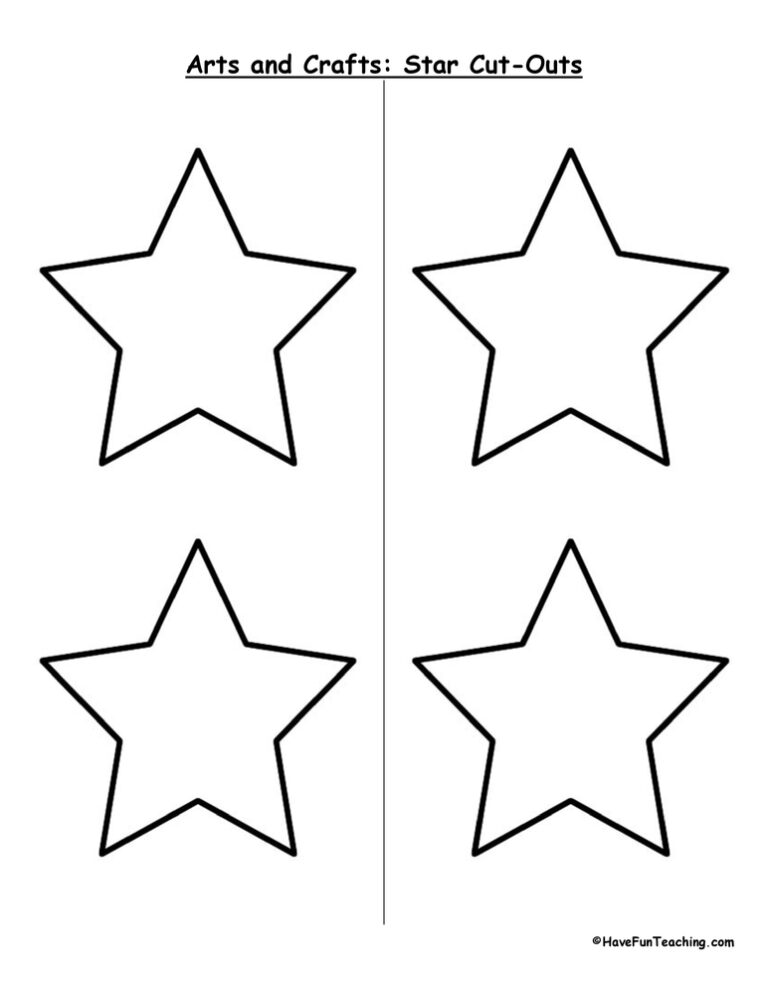
These Star Cut Outs will quickly give you templates for classroom decoration or student activities.

These Donut Cut Outs quickly give you templates that can be easily cut and applied for classroom decoration or student activities
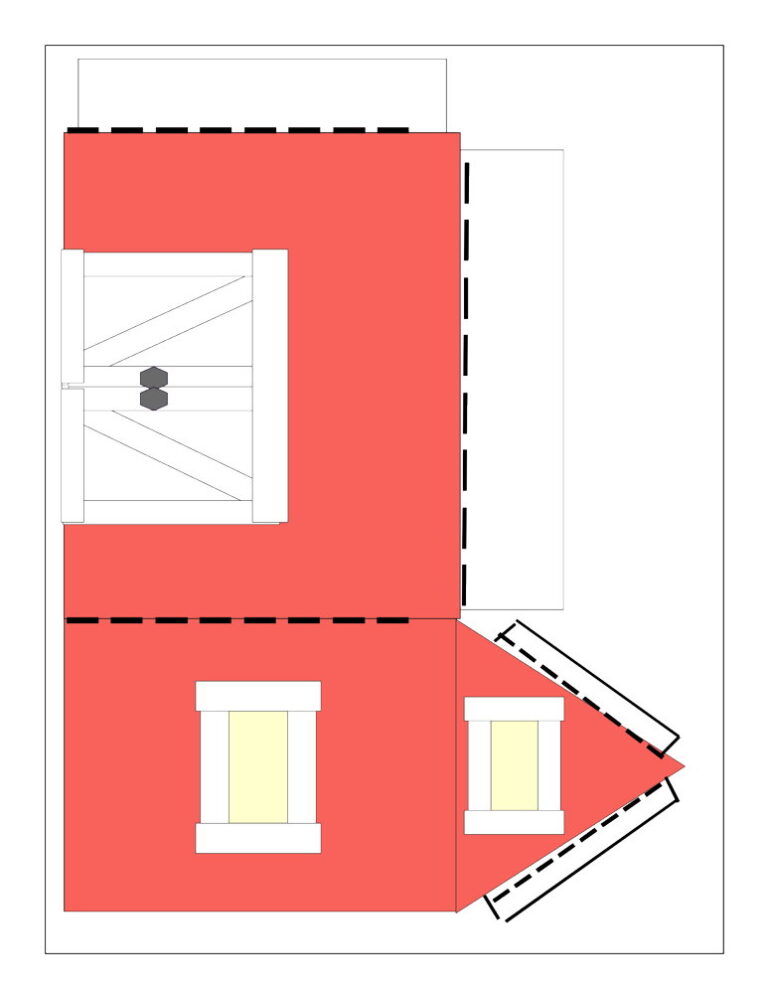
Using these Barn Cut Out, students can create a 3-D barn model by simply cutting and gluing this template.

These Tree Cut Outs quickly give you templates that can be easily cut and applied for classroom decoration or student activities about nature or trees.
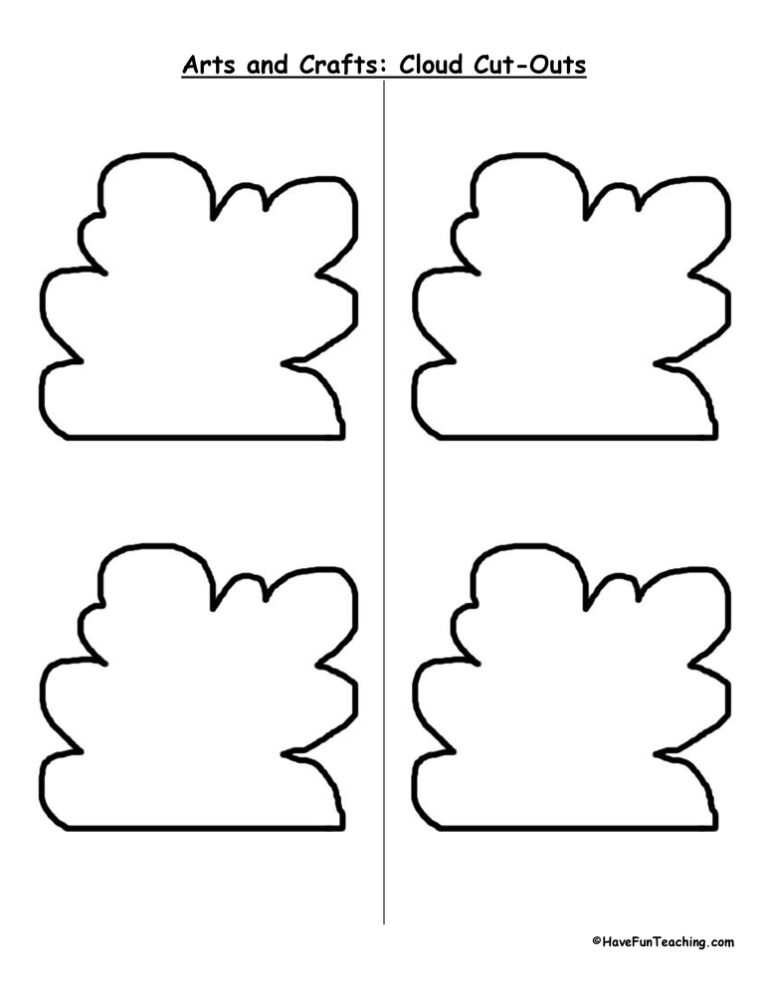
These Cloud Cut Outs quickly give you templates that can be easily cut and applied for classroom decoration or student activities

These Sun Cut Outs quickly give you templates that can be easily cut and applied for classroom decoration or student activities about the sun or space.
These Robot Cut Outs quickly give you templates that can be easily cut and applied for classroom decoration or student activities.

Using these Famous Painters Flash Cards, students will be able to identify which famous artist created the colorful painting.

These Light Bulb Cut Outs quickly give you templates that can be easily cut and applied for classroom decoration or student activities about electricity.
These Space Shuttle Cut Outs will quickly give you templates for classroom decoration or student activities.
This Arrow Clip Art is a perfect addition to any bulletin board, flyer, or other printable that you use in your classroom.
Reviews
There are no reviews yet