

Map Symbols Worksheet
This map symbols worksheet asks 2nd grade students to name six common map pictures using a word box with two extra choices. A full answer key is included, so map key practice takes no prep.
$6.97
Want this one free?
Tell us where to send it and it’s yours — no card, no catch.
One free resource per teacher. We’ll also send free teaching ideas each week — unsubscribe anytime.
Free teacher account · no credit card
Membership
Get every game, song, & printable
- Every game, on any device
- 10,000+ printables
- Assign online with HFT Classroom
Then $39.97/year · cancel anytime · See plans
- Instant digital download
- Printable PDF + answer key
- Made by real teachers
Teacher / Family membership
Teaching is easier with every resource
One membership for your whole year: 10,000+ worksheets, games, songs and videos for Preschool–6th, for your classroom or homeschool.
- Unlimited printables & downloads
- Every game, on any device
- Assign online with HFT Classroom
- Cancel anytime
Teacher / Family membership · 3 days free
Yearly
Monthly would be $119.64 a year
$3.33/month
Billed $39.97 once a year
You save $79.67 every year
Start My 3 Free Days$0 today · cancel anytime
Monthly
$9.97/month
Flexible, month to month
Yearly is just $3.33/mo. Switch and save $79.67
Start My 3 Free Days$0 today · cancel anytime
About this resource
Description
Every map tells its story with pictures. Map symbols are the small pictures a mapmaker uses to stand for real things — a tent for a campground, a plane for an airport, a patch of blue for a lake. Learning to read those pictures is the first real map skill a young student needs, because a symbol is what turns a flat drawing into useful information about a place. This Map Symbols Worksheet gives 2nd grade students focused practice matching common map symbols to the words that name them, so they can look at a map key and know exactly what they are seeing.
This 2nd grade map skills worksheet keeps the task clear and uncluttered. Six large picture cards each show one map symbol, and a word box at the top holds eight choices. Students study each symbol, decide which place it stands for, and write the word on the solid line inside the card. Two of the eight words — Bridge and Hospital — belong to no picture at all, so students have to read every choice instead of crossing words off in order. Use it as a warm-up before a mapping unit, as independent practice at a social studies center, or as a quick check before students build a map key of their own.
What’s Included
- 1 print-ready PDF worksheet
- Answer key
- 6 map symbol identification activities with an eight-word word box
This Map Symbols Worksheet helps students in three ways. First, it builds vocabulary: forest, airport, school, lake, food and camping are the exact words that appear on real map keys, so students meet them in the setting where they matter. Second, it trains careful looking, because two extra choices mean a student cannot guess by position and has to compare each picture with each word. Third, the writing line under every picture turns recognition into recall, since writing a word is harder and stickier than circling one. Together those three moves take students from noticing a symbol to naming it with confidence.
Teachers and parents can stretch this lesson well past the page. Walk around the school or the neighborhood and ask children which symbol they would draw for the playground, the library or the crossing guard, then sketch a class map key on chart paper. Hand out a road map or a zoo map and play a quick scavenger hunt to see who can find the picnic symbol first. Let children invent their own symbols for the rooms of their home and trade maps with a partner to find out whether the pictures can be read without any words at all. Each of these games practices the same thinking this worksheet starts.
Related Resources
What teachers say
Reviews
You must be logged in to post a review.

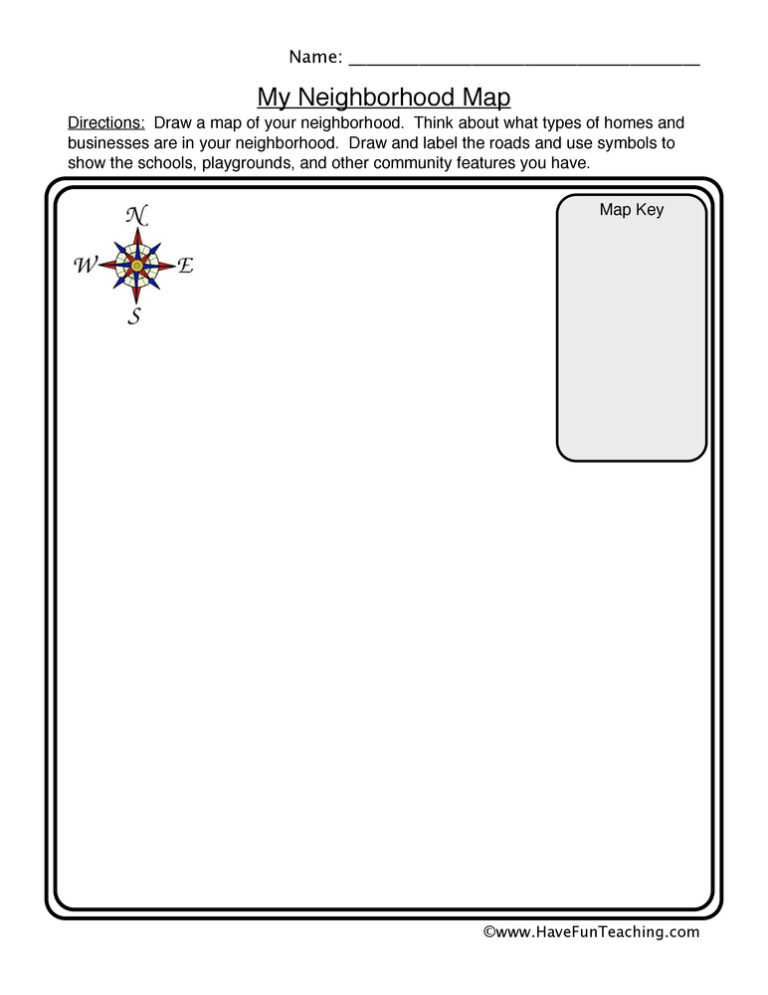
This neighborhood map worksheet has 2nd graders draw their own street from above, then invent symbols and explain them in a map key. An open-ended template that builds real map skills.

Using this National Parks Activity, students answer questions to find out if they have the same knowledge as a National Park Ranger.
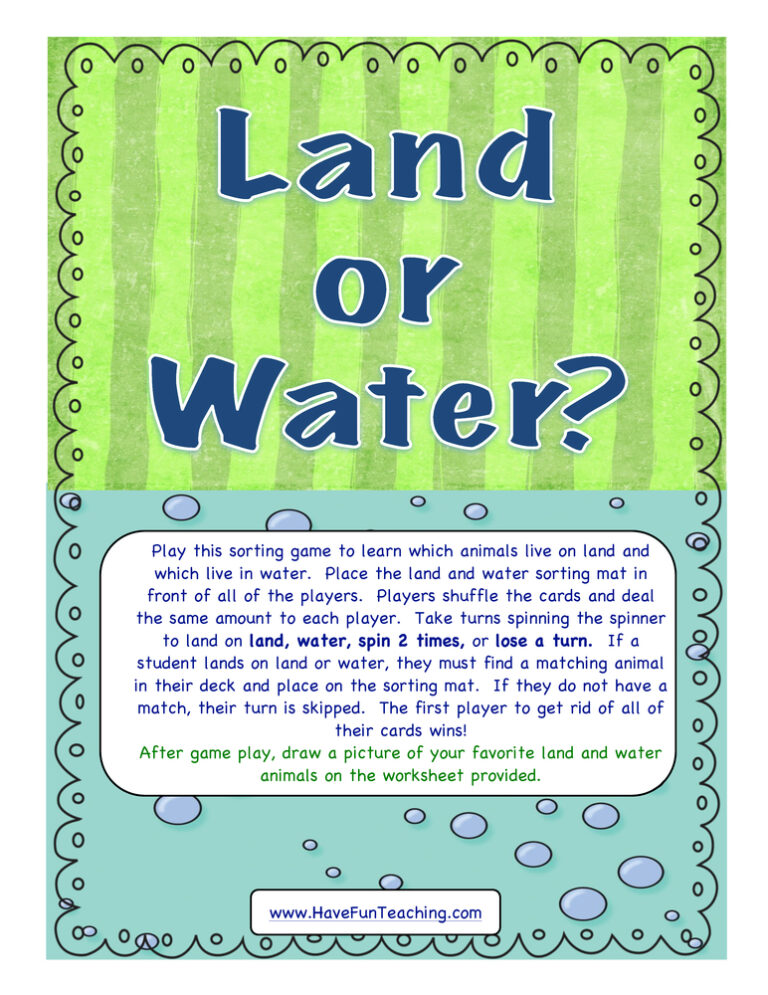
Using this Land or Water Activity, students play this sorting game to learn which animals live on land and which live in water.

Using Color Me Curious Research Writing Activity, students participate in shared research and writing projects to learn about any topic.
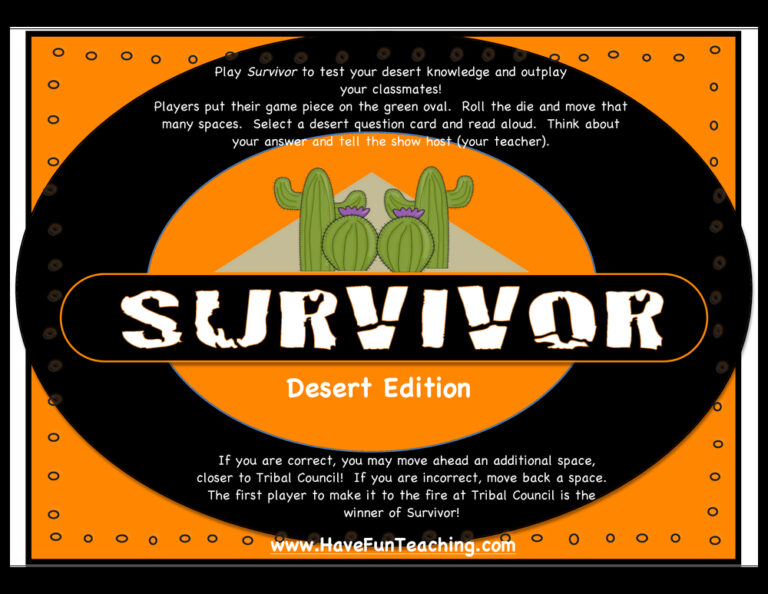
Using this Survivor Desert Edition Activity, students play the survivor board game to test your knowledge of animals and their habitats.
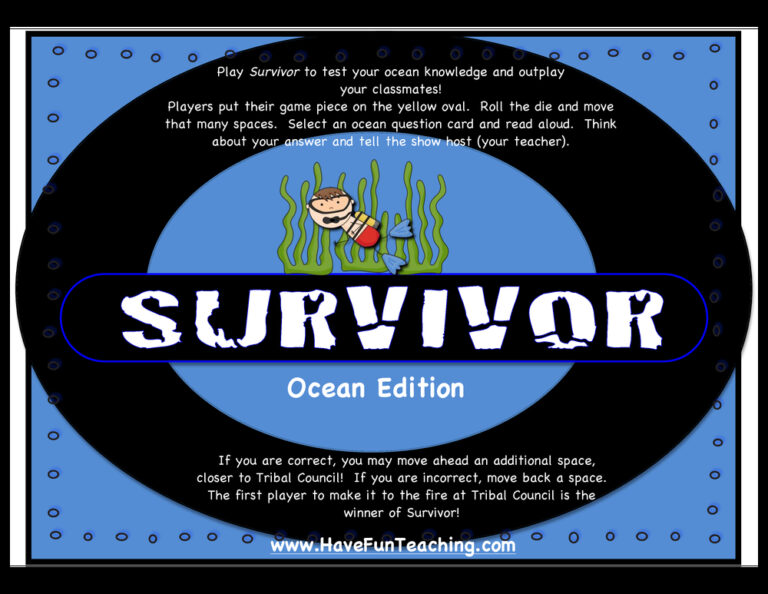
Using this Survivor Ocean Edition Activity, students play the survivor board game to test your knowledge of animals and their habitats.
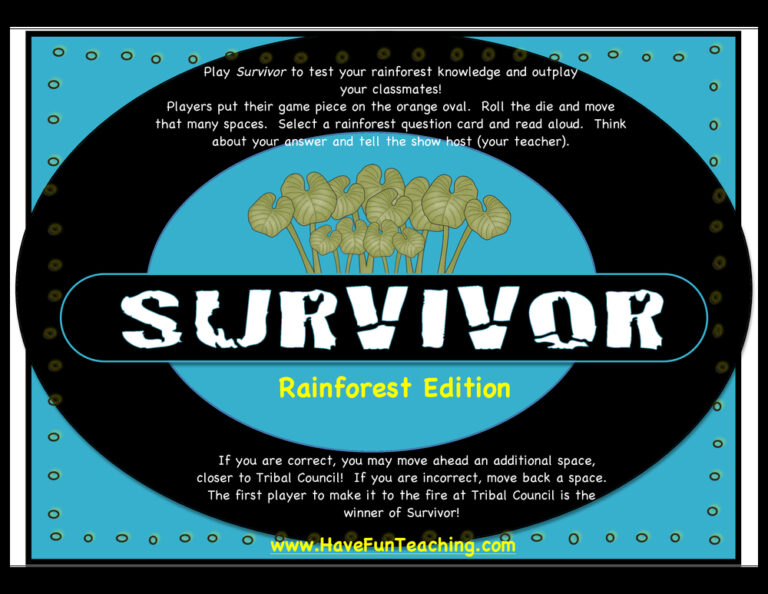
Using this Survivor Rainforest Edition Activity, students play the survivor board game to test your knowledge of animals and their habitats.
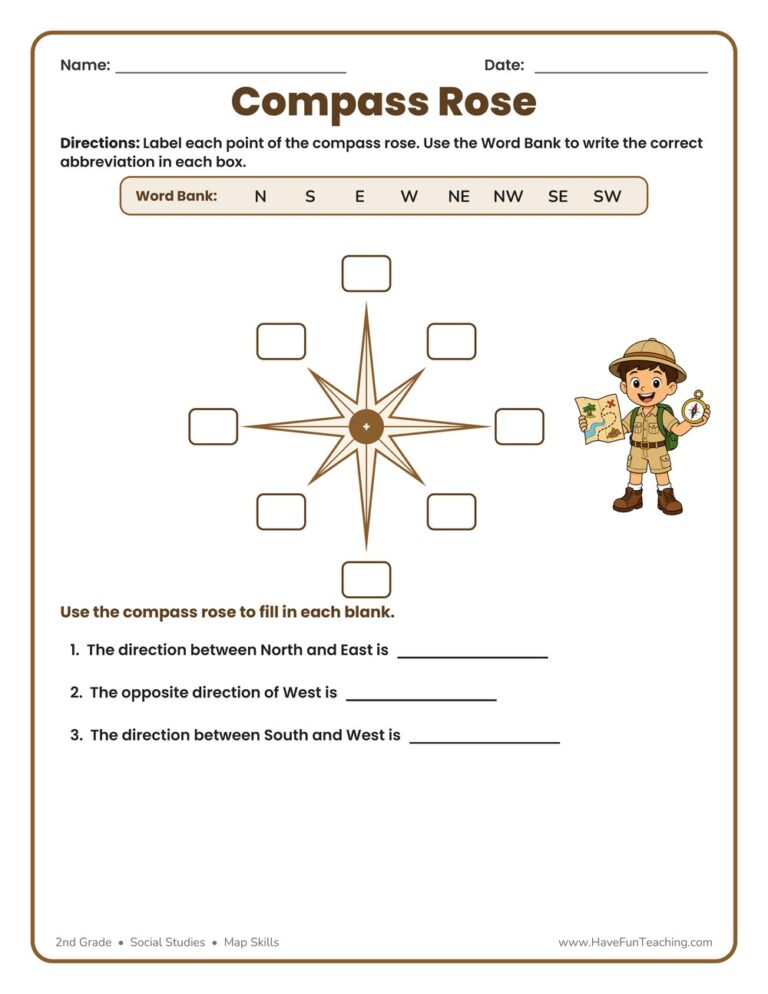
This Compass Rose Worksheet helps 2nd graders label the eight points of a compass rose and practice cardinal and intermediate directions. Includes an answer key for easy, no-prep map skills practice.
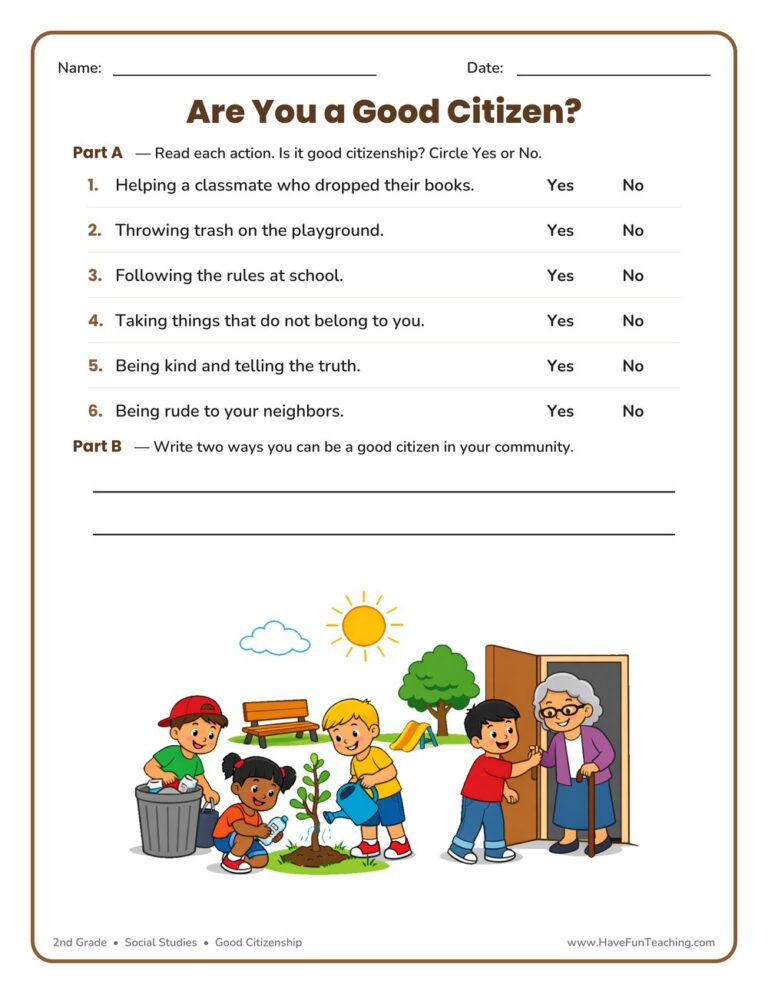
This good citizenship worksheet helps 2nd graders recognize responsible actions and write ways to help their community. An answer key is included for quick, no-prep character education practice.
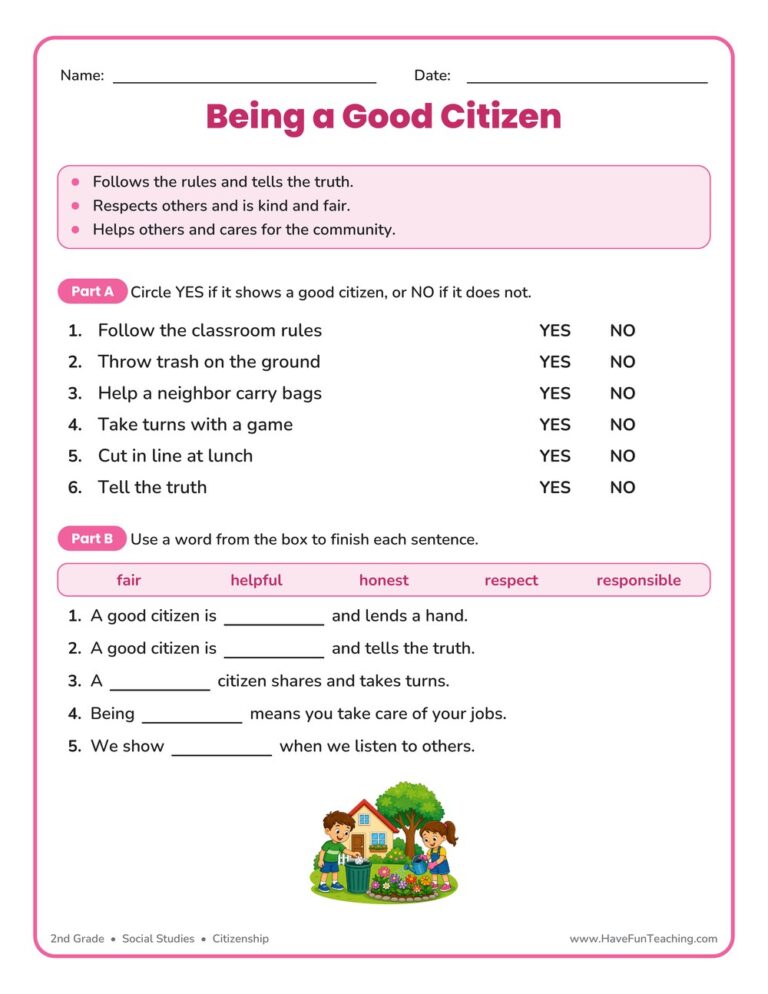
This being a good citizen worksheet helps 2nd graders spot good-citizen actions and build character words like honest, fair, and responsible. Includes an answer key for easy, no-prep social studies practice.
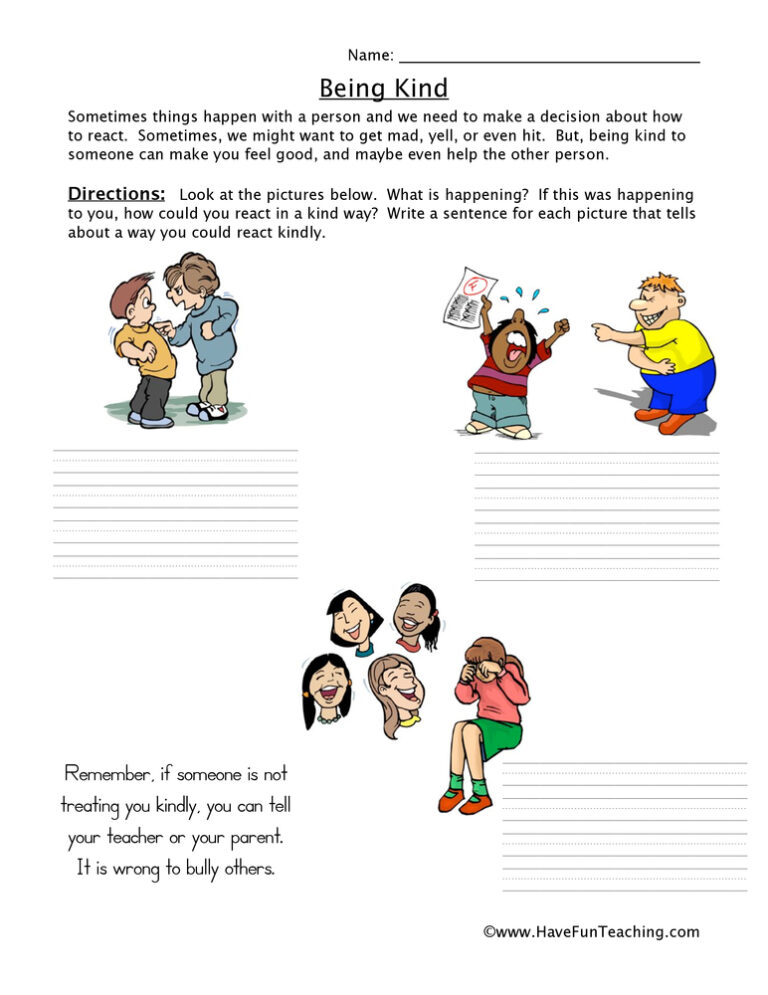
Using this Bullying Worksheet, students write a description explaining how the person could have reacted in a kind way rather than a mean way.




Reviews
There are no reviews yet