
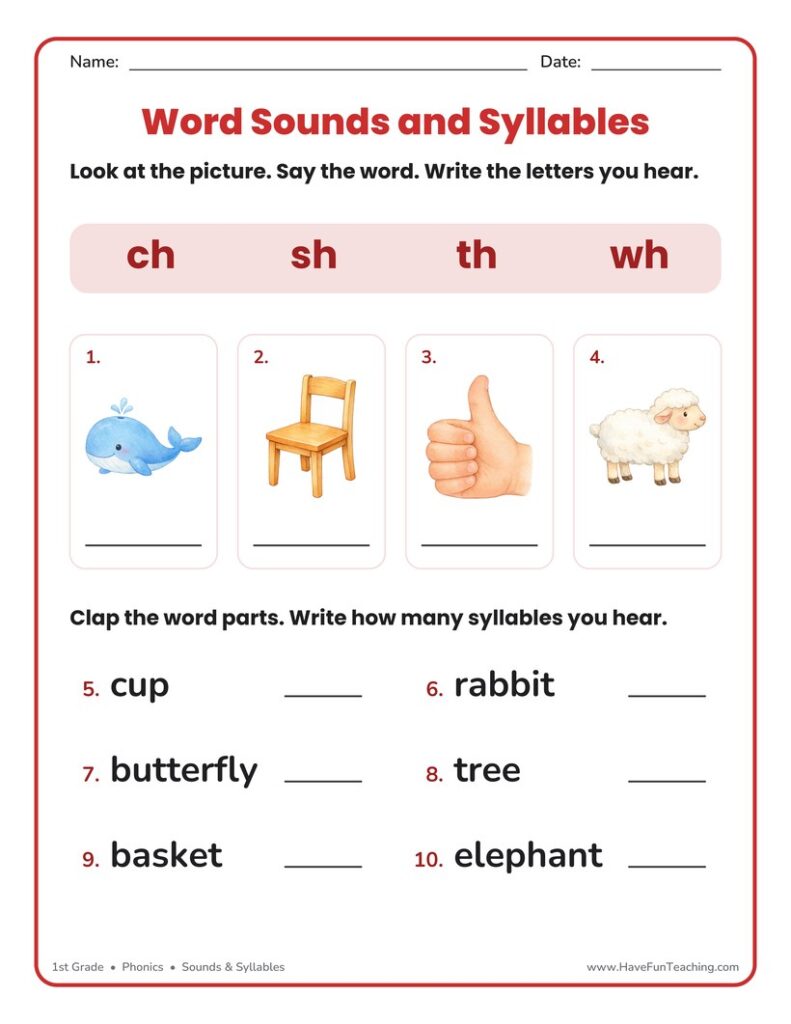
Word Sounds and Syllables Worksheet
This word sounds and syllables worksheet has 1st graders write the beginning digraph for four pictures, then clap and count the syllables in six words. An answer key is included for fast checking.
$6.97
Or free with a membership — members pay $3.33/mo for all 10,000+ resources. See plans
Want this one free?
Tell us where to send it and it’s yours — no card, no catch.
One free resource per teacher. We’ll also send free teaching ideas each week — unsubscribe anytime.
Teaching is easier with a membership
Unlimited printables, games & videos for PreK–6th — for your classroom or homeschool. Cancel anytime.
Start your 3-day free trial$0 today · cancel anytime · Instant access to 10,000+ resources
About this resource
Description
Before a first grader can read a new word smoothly, they have to hear what is inside it — the two letters that team up to make one sound at the start, and the beats that break the word into parts. This word sounds and syllables worksheet puts both of those listening skills on one page. Students meet the four beginning digraphs ch, sh, th, and wh, sounds that two letters make together, and then clap out the syllables in six familiar words. Both tasks are done by ear first and written second, which is exactly how young readers build the sound awareness that decoding depends on.
This 1st grade beginning sounds worksheet opens with a reference strip of the four digraphs, so nobody has to guess at the spelling. Under it are four picture cards — a whale, a chair, a thumb, and a sheep — and students say each picture word aloud and write the two letters they hear at the beginning on a wide, roomy line. The second half switches to syllables: students clap out cup, rabbit, butterfly, tree, basket, and elephant, then write the number of parts they heard. Print it, hand it out, and use the included answer key to check the page in seconds.
What’s Included
- 1 print-ready PDF worksheet
- Answer key
- 10 activities — 4 beginning-digraph picture cards with a reference strip, plus 6 syllable-counting words
Three things make this word sounds and syllables worksheet work well in a first grade classroom. First, it pairs a picture with every digraph, so a child who cannot yet read the word can still hear it and match the sound to the letters. Second, the answers do not run in the same order as the reference strip, so students have to listen to each picture instead of copying straight down the list. Third, clapping syllables turns an abstract idea into something physical, and writing the number right beside the word links what the ear hears to what the eye sees.
Keep the listening going after the page is finished. Walk around the room and clap the syllables in classmates’ names, then sort the names into a one-clap, two-clap, and three-clap pile. Hunt for ch, sh, th, and wh words in a favorite picture book and keep a tally of each on the board. Play a quick sorting game with picture cards, or hop once for every syllable in a word while lining up for lunch — a minute of practice a day adds up quickly at this age.
Related Resources
What teachers say
Reviews
You must be logged in to post a review.
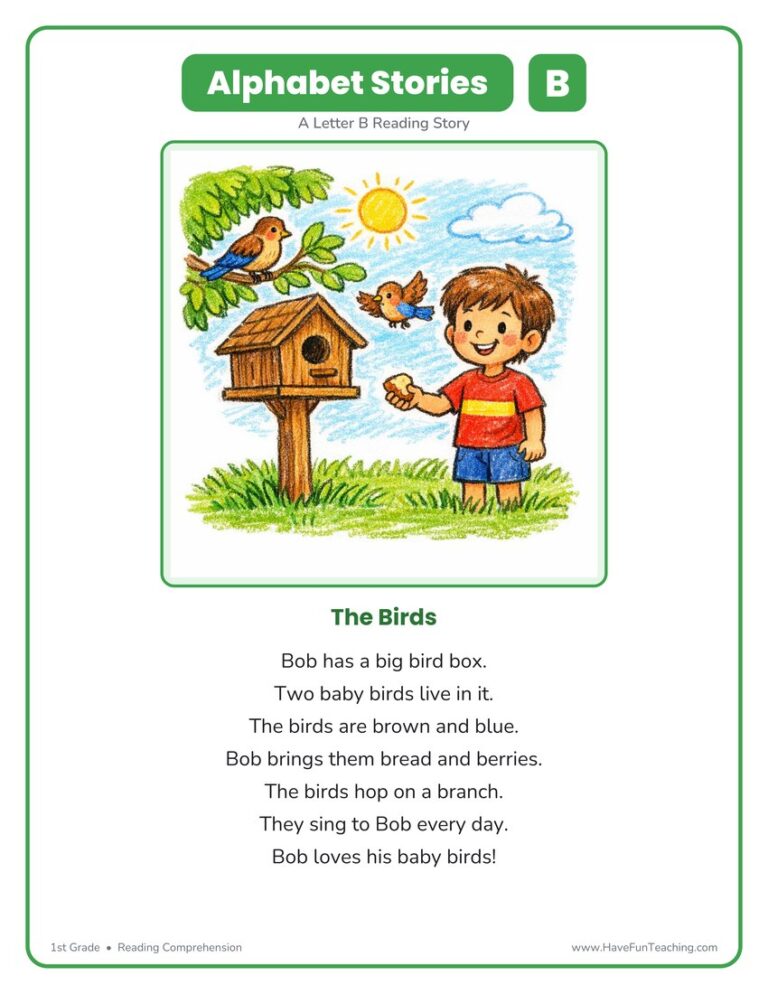
A first grade Alphabet Stories Letter B Reading Comprehension Worksheet built around a short story about Bob and his birds. Includes an answer key — perfect for no-prep letter B reading practice at home or school.
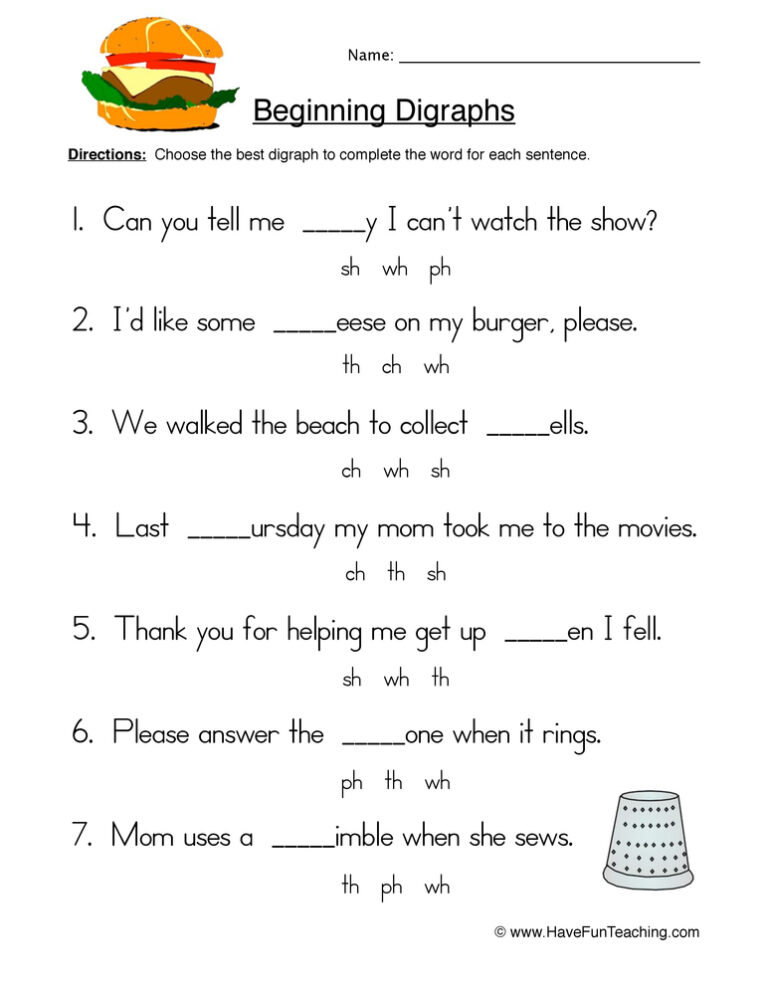
This beginning digraphs fill in the blank worksheet has 1st graders write ch, sh, th or wh to finish words in sentences and under pictures. Answer key included, so it grades itself in seconds.

This Blends SC, SK Worksheet gives 1st graders six picture clues and a word sort for the beginning blends sc and sk. An answer key is included, so blend practice takes no prep.
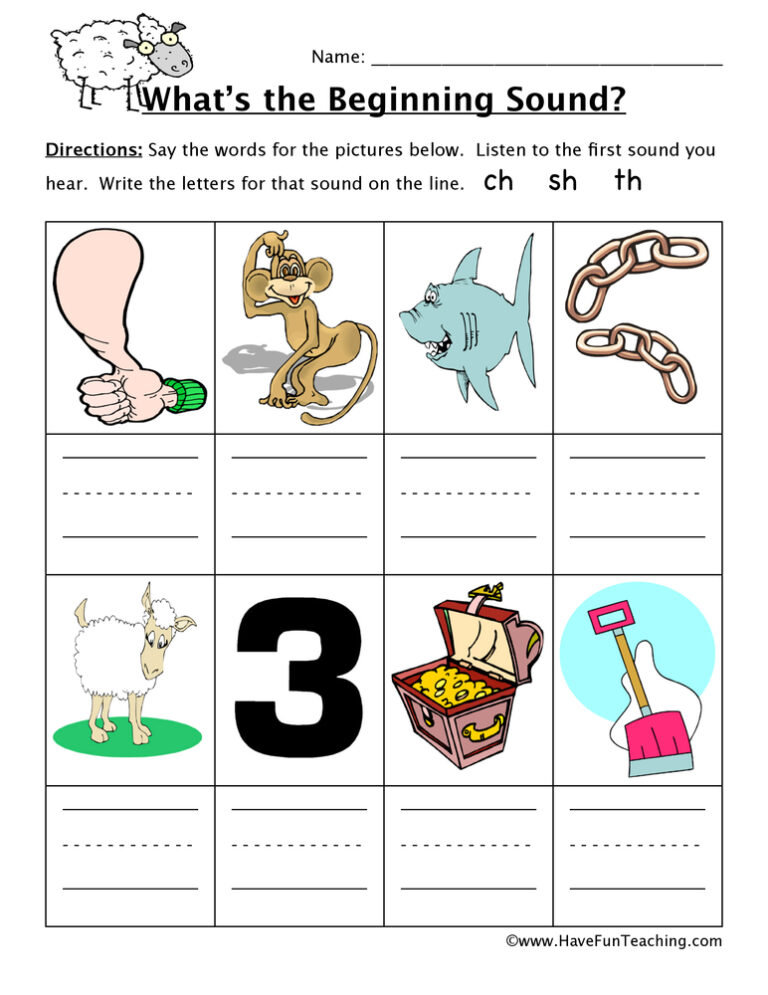
This ch, sh, th beginning sounds worksheet gives first grade students nine picture cards to say, listen to, and finish by writing the missing digraph. An answer key is included, so practice is quick to check.
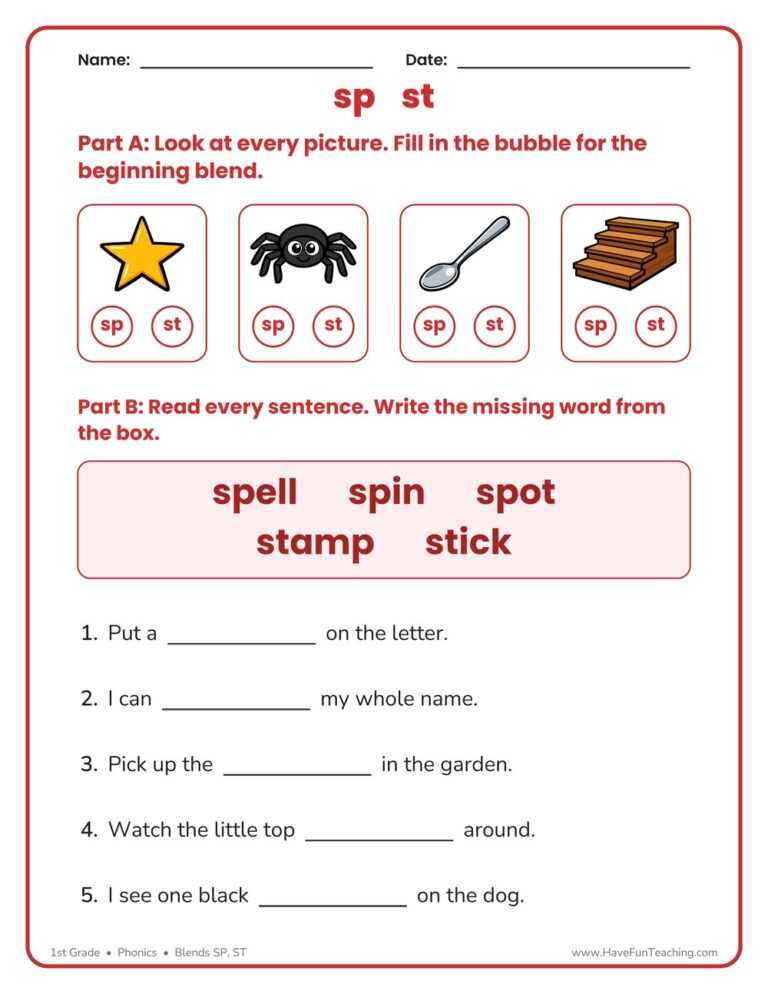
Practice the Blends SP, ST Worksheet with picture bubbles and word-box sentences made for 1st Grade readers. An answer key is included, so beginning blends turn into quick, confident reading.

This Blends BL BR Worksheet has 1st graders write the missing blend under six pictures, then spell two whole words. An answer key is included for quick, no-prep phonics practice.
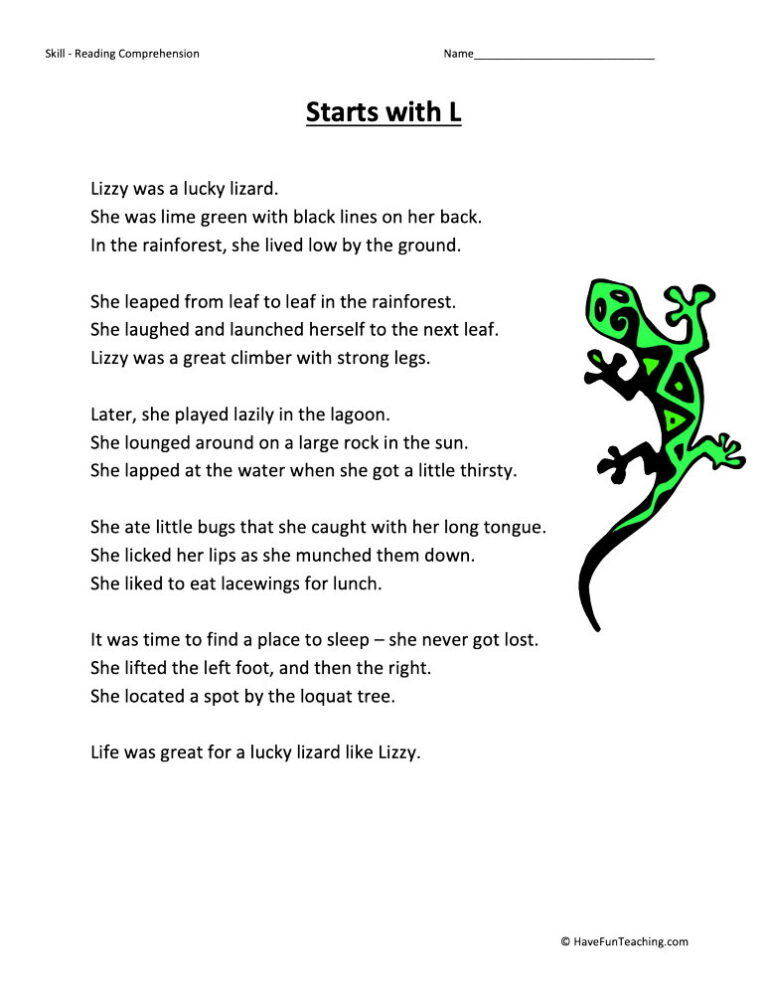
This Starts With L Reading Comprehension Worksheet gives 1st Grade students a short story packed with beginning-L words plus five questions and an answer key, so phonics and reading practice happen on one page.

This beginning sounds fill in the blank worksheet gives 1st graders six pictures to finish with m, p or r, then write the whole word. Answer key included for quick, no-prep phonics practice.
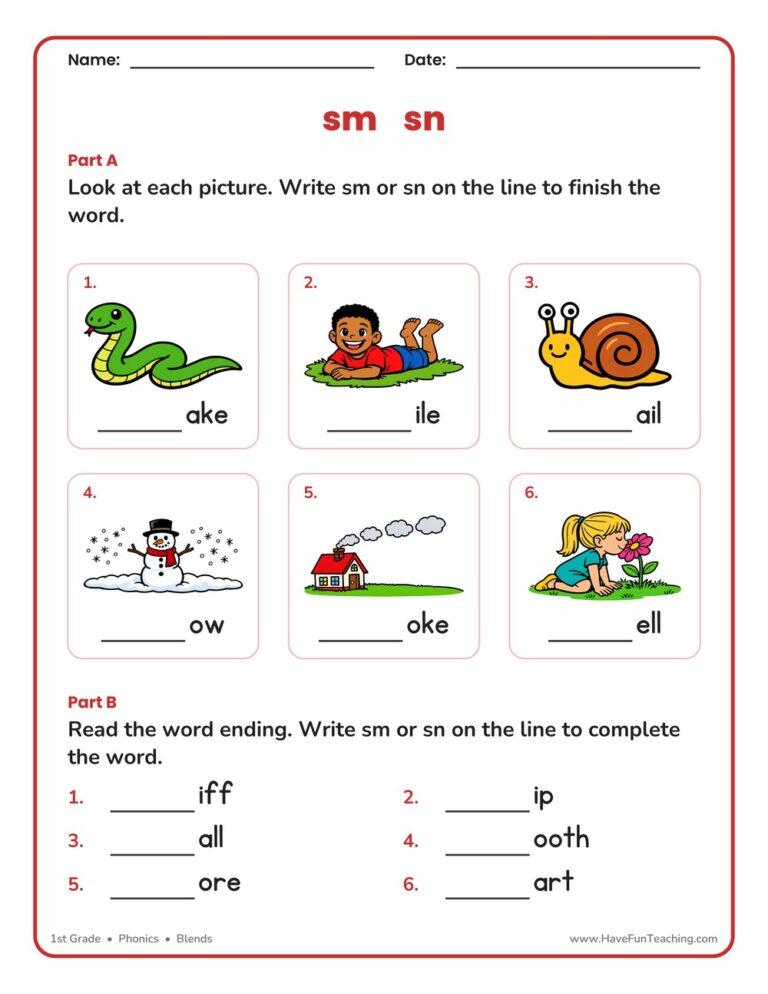
This Blends SM, SN Worksheet asks 1st graders to listen for the beginning blend, then write sm or sn to finish twelve words. An answer key is included, so checking takes only seconds.
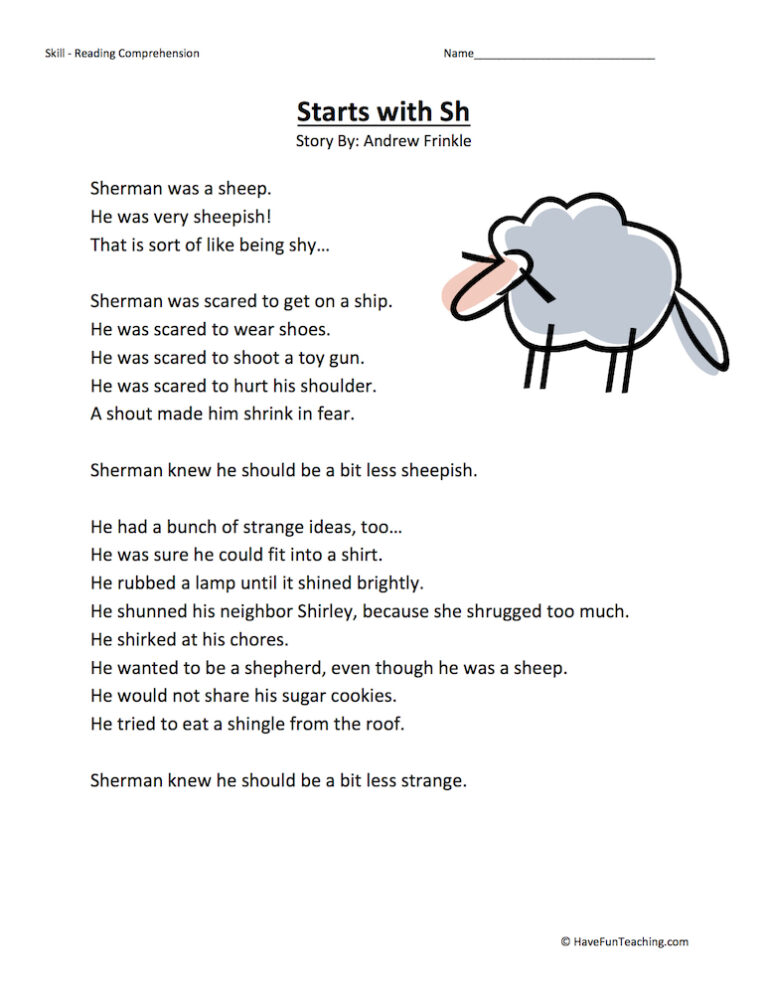
This Starts With SH Reading Comprehension Worksheet gives 1st graders a short beach story full of sh words plus five bubble-in questions. An answer key is included, so phonics practice and reading comprehension happen in one no-prep activity.
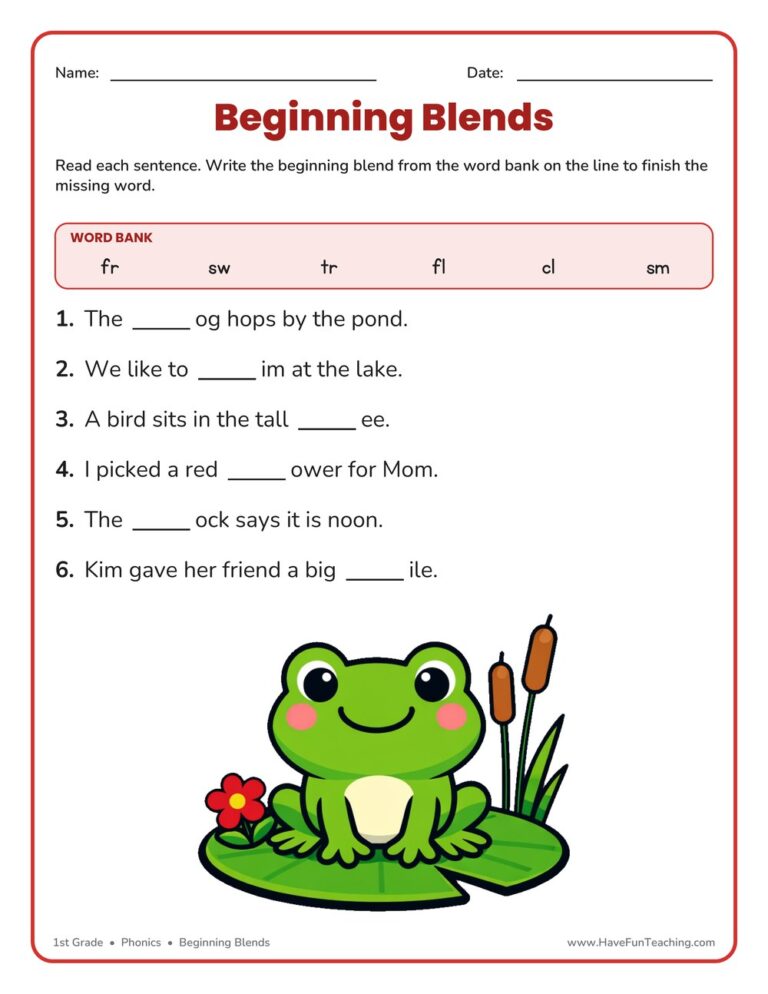
This beginning blends fill in the blank worksheet lets 1st graders read six sentences and drop in the right consonant blend from a word bank. Includes an answer key for quick, no-prep phonics practice at home or in class.
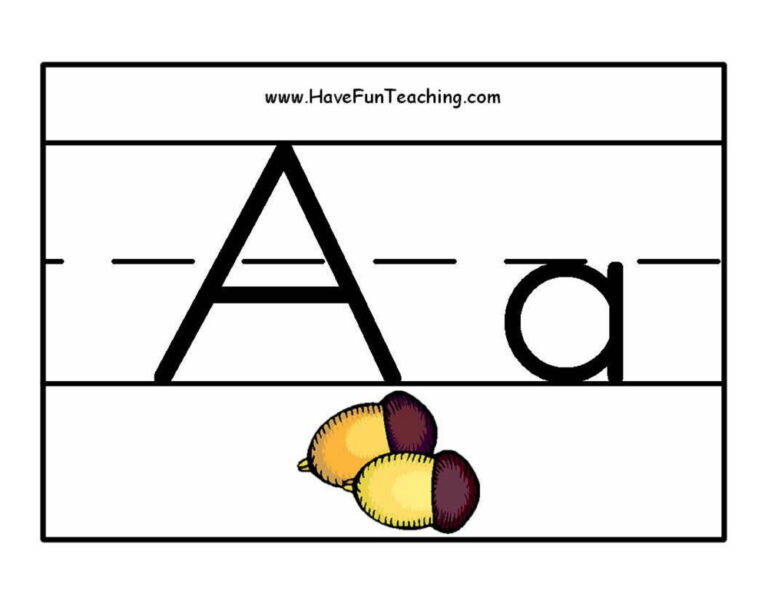
These Beginning Sounds Alphabet Letter Posters support students' recognition of both upper and lower case ABC letters using this print font.




Reviews
There are no reviews yet