
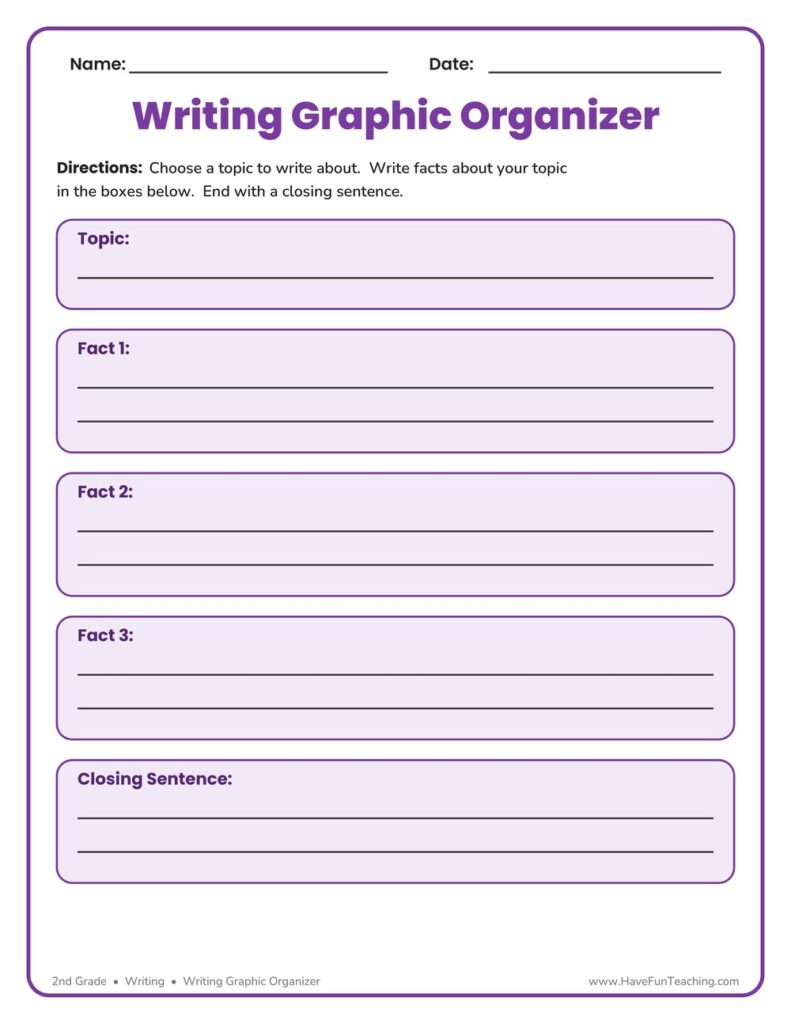
Writing Graphic Organizer Worksheet
This Writing Graphic Organizer Worksheet helps 2nd graders plan informative writing by choosing a topic, listing three facts, and adding a closing sentence. A simple, no-prep planning page for confident, organized young writers.
$6.97
Or free with a membership — members pay $3.33/mo for all 10,000+ resources. See plans
Want this one free?
Tell us where to send it and it’s yours — no card, no catch.
One free resource per teacher. We’ll also send free teaching ideas each week — unsubscribe anytime.
Teaching is easier with a membership
Unlimited printables, games & videos for PreK–6th — for your classroom or homeschool. Cancel anytime.
Start your 3-day free trial$0 today · cancel anytime · Instant access to 10,000+ resources
About this resource
Description
A Writing Graphic Organizer Worksheet gives young writers a simple, visual way to plan a piece of informative writing before they ever begin their first sentence. With this writing graphic organizer worksheet, second graders choose a topic they care about, gather facts that tell more about it, and finish with a closing sentence that wraps up their ideas. Organizing thoughts on paper first makes the writing feel clear and doable instead of overwhelming.
This informative writing organizer worksheet is set up as one easy-to-follow page. Students write their topic at the top, add three supporting facts in the boxes below, and end with a closing sentence. Teachers can model one example together on the board and then let students complete their own. Because every answer comes from the child’s own topic, the same page works for any subject a student wants to write about, from favorite animals to family traditions.
What’s Included
- 1 print-ready PDF worksheet
- A single-page graphic organizer with a topic box, three fact boxes, and a closing sentence box
- Open space for students to plan any informative writing topic
There are three reasons this writing graphic organizer worksheet helps students grow as writers. First, it breaks the writing process into small, clear steps, so no one gets stuck staring at a blank page. Second, keeping topic, facts, and closing separate teaches the real structure of strong informative writing. Third, planning first leads to neater, better-organized final drafts, which builds writing confidence with every piece students create.
Teachers and parents can extend this activity in many fun ways. Turn a class read-aloud into a shared organizer, use it to plan an “All About” book, or let students research a favorite animal and fill in the facts. At home, families can plan a short paragraph about a trip, a pet, or a hobby. Pairing the organizer with a quick mini-lesson on complete sentences helps students turn their notes into polished, finished writing.
Related Resources
What teachers say
Reviews
You must be logged in to post a review.

Using Experience Narrative Worksheet, students dictate, write, or draw about a time in their lives to give descriptive information.
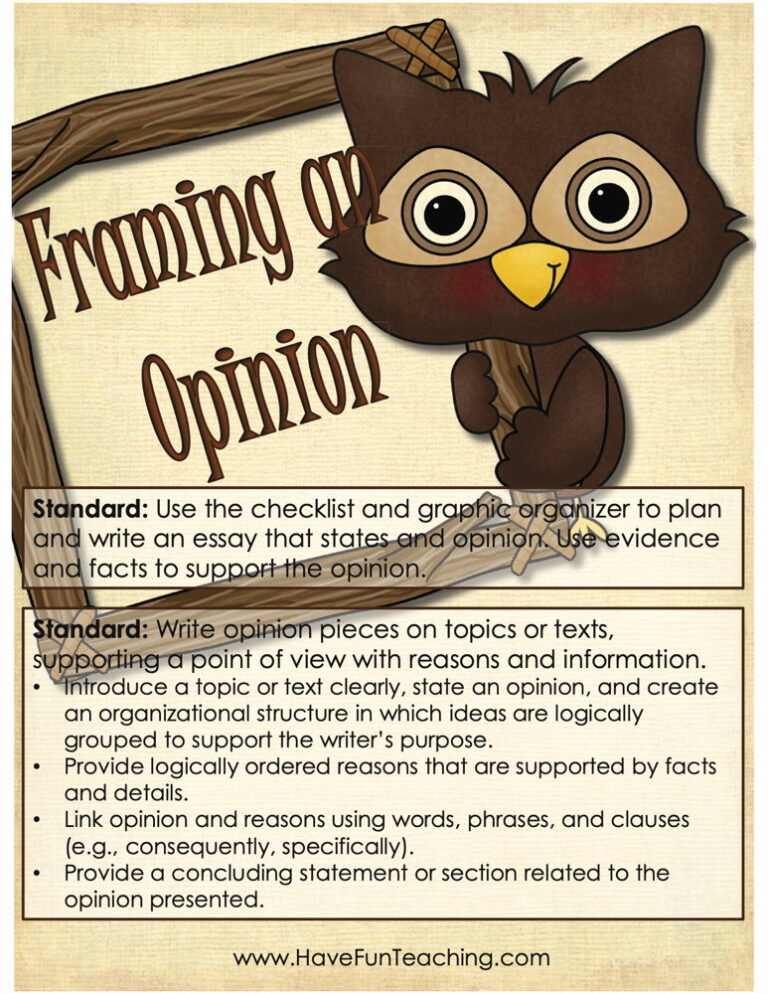
Using this Framing an Opinion Activity, students gain skills on writing opinion pieces on topics or texts that support a point of view with reasons and information.

Progress in Writing Worksheet gives 2nd Grade students three sentences to edit and a picture prompt to write about, with an answer key included, so young writers practice fixing and creating in one lesson.
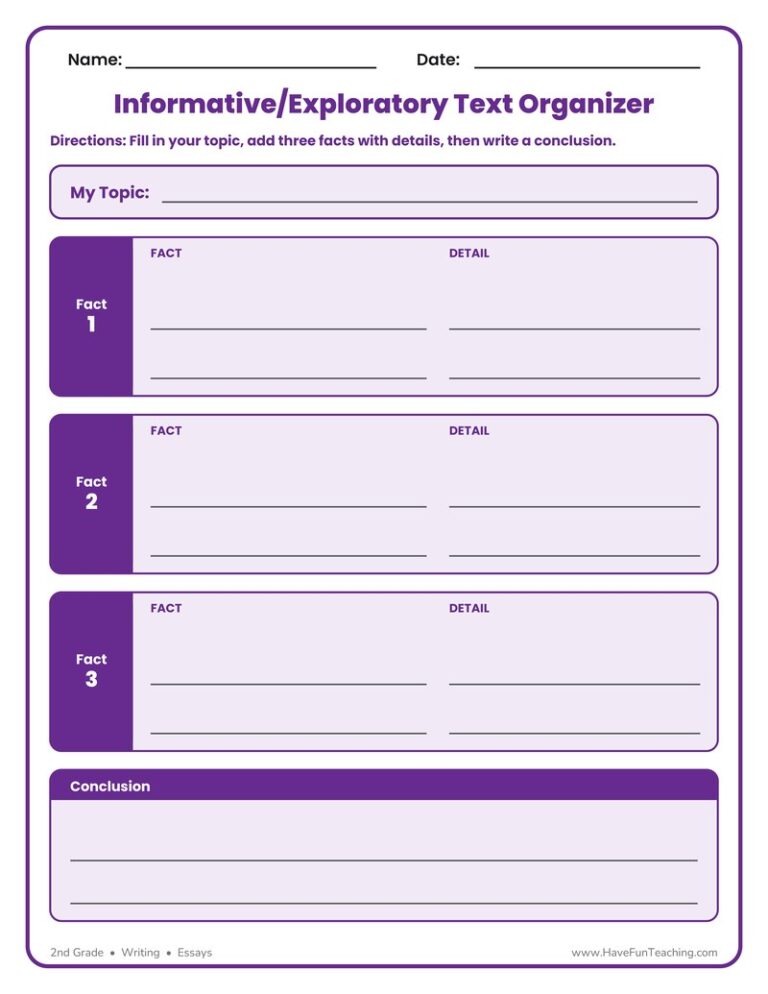
The Informative Exploratory Text Organizer Worksheet helps 2nd grade writers plan a topic, three supporting facts and details, and a conclusion. A simple, no-prep way to organize informative writing before drafting.
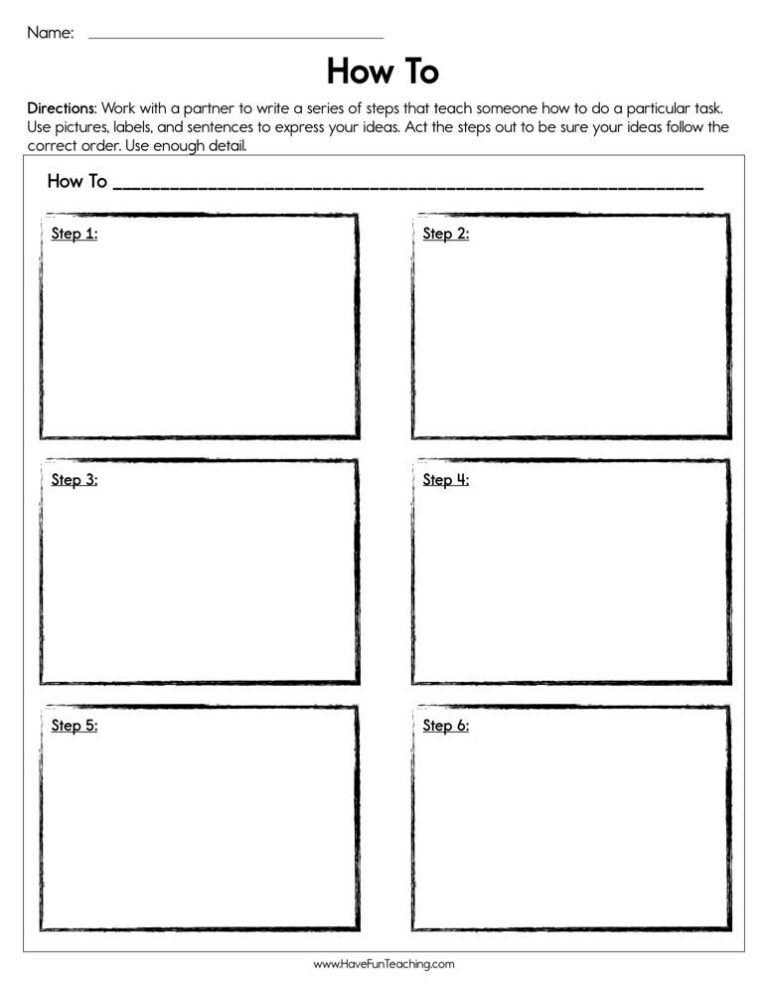
This How to Worksheet gives 2nd graders five how-to steps for a pinecone bird feeder printed out of order, two short questions, and an answer key for no-prep practice with sequencing and how-to writing.
Using W.2.5 Second Grade Common Core Lesson, studentsfocus on a topic and strengthen writing as needed by revising and editing.

Using Back to School Adjective Writing Activity, students write about the first day of school to including details to describe actions, thoughts, and feelings.

Using Animal Facts Worksheet, students write an informative text piece that names the animal, gives facts about the animal, and ends so the reader feels the writing is complete.
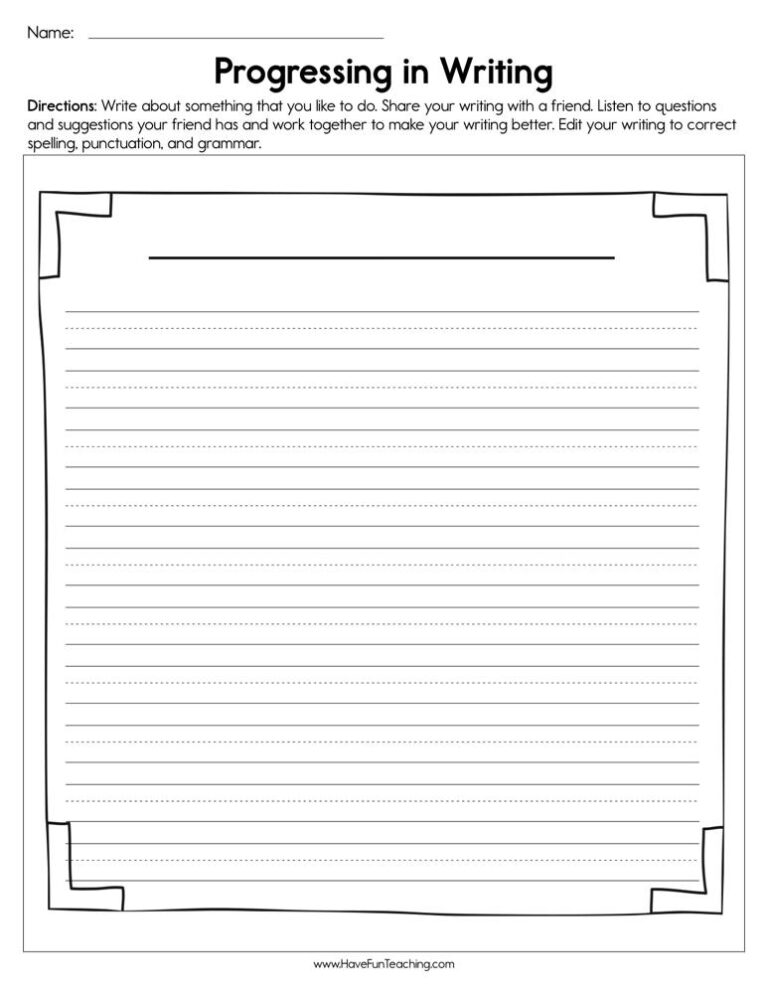
This progressing in writing worksheet lets 2nd grade students write about a favorite activity, share it with a friend, and use a simple checklist to revise and edit their work with confidence.

Using Find Out More Research Project Writing Activity, studentsparticipate in shared research and writing projects to learn about any topic.

Using Work in Progress Peer Review Worksheet, students write about a scientific topic or historical event to share their writing with a friend to gain feedback to improve their writing.

Using What Do You Think Opinion Writing Activity, students write opinion pieces on topics or texts, supporting a point of view with reasons.




Reviews
There are no reviews yet