

Who’s Talking Worksheet
This Who’s Talking Worksheet asks 2nd Grade readers to match four quoted lines back to the character who said them, then explain how they knew, with an answer key included.
$6.97
Or free with a membership — members pay $3.33/mo for all 10,000+ resources. See plans
Want this one free?
Tell us where to send it and it’s yours — no card, no catch.
One free resource per teacher. We’ll also send free teaching ideas each week — unsubscribe anytime.
Teaching is easier with a membership
Unlimited printables, games & videos for PreK–6th — for your classroom or homeschool. Cancel anytime.
Start your 3-day free trial$0 today · cancel anytime · Instant access to 10,000+ resources
About this resource
Description
Quotation marks tell a reader that someone is speaking, but they do not say who. That job belongs to the little tag beside the quote, and second graders have to learn to look for it. This Who’s Talking Worksheet gives them a short garden story where three friends argue politely about where to hang a bird feeder, and every line of dialogue is tagged with a name. Children read the story, then match four quoted lines back to the character who said them.
The Who’s Talking Worksheet is a three page printable. Page one carries the illustrated story, page two carries four multiple choice questions and one written response, and page three is the answer key. Three of the questions quote a line word for word and ask who said it, so the child has to go back into the text and find the name beside the quote. The fourth question asks why the club chose the low branch, which is a cause the story states but never labels. The written response asks the child to explain how they know who is talking, which is the strategy itself put into words.
What’s Included
- A 150 word second grade story built almost entirely from tagged dialogue
- A full color watercolor illustration of the garden scene
- Four multiple choice questions with three answer choices each
- One written response with two ruled writing lines
- A Name and Date line and a complete answer key
Three Reasons This Helps Kids
- Tracking a speaker across a page of dialogue is what makes longer chapter books readable, and this is where that habit starts.
- Every answer is proved by a single sentence, so children practice pointing at evidence instead of guessing.
- The three characters all speak more than once, so the child cannot solve it by remembering who talked first.
Teacher and Parent Ideas
Read the story aloud twice, the second time with three children taking the three speaking parts, and ask how they knew which lines were theirs. Have students highlight every name tag in one color and every set of quotation marks in another. For a quick extension, ask children to rewrite two lines of the dialogue with the tag moved to the front, as in Rachel said, and compare how the sentence changes. This 2nd grade story elements worksheet also works well as a partner reading page, a small group mini lesson, or a take home review.
Related Resources
What teachers say
Reviews
You must be logged in to post a review.
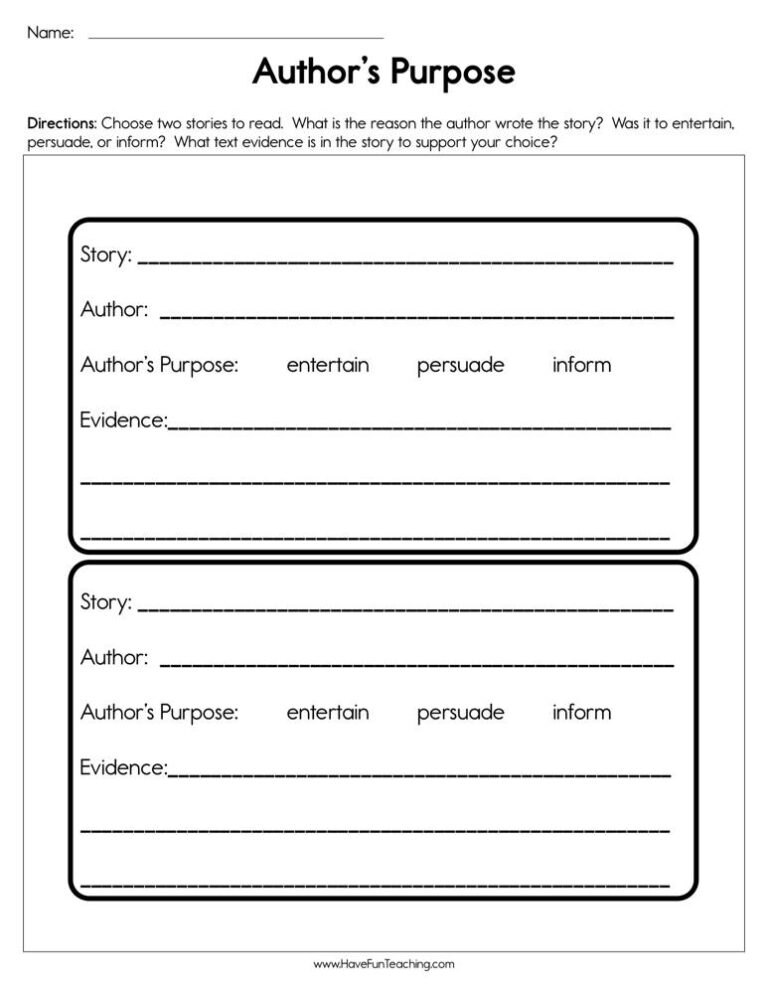
An illustrated author's purpose worksheet where 2nd graders read four short passages and fill in the bubble for entertain, persuade, or inform. Answer key included, so reading practice takes minutes to set up and score.

Using Finding the Author and Illustrator Activity, students define the role of an author and illustrator using the definition cards.

Using Why Was it Written Author's Purpose Activity, students identify if the author wrote a text in order to answer, explain, or describe.

Using Authors Purpose Picture Sorting Activity, students identify the reasons an author gives to support points in a text.
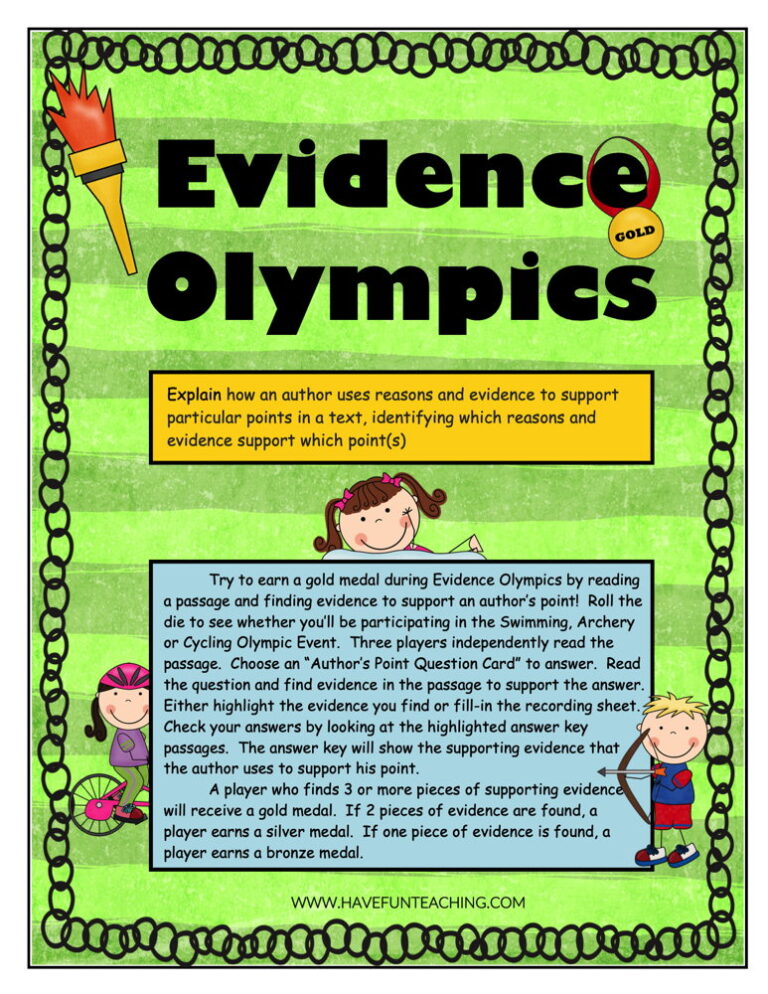
Using this Evidence Olympics Authors Purpose Activity, students try to earn a gold medal during Evidence Olympics by reading a passage and finding evidence to support an author's point.

Using this Reasons and Evidence Activity, students identify the reasons and evidence a speaker provides to support particular points.
Using thisAuthor's Purpose Song, students will remember the three reasons why author's write using this catchy animated song.
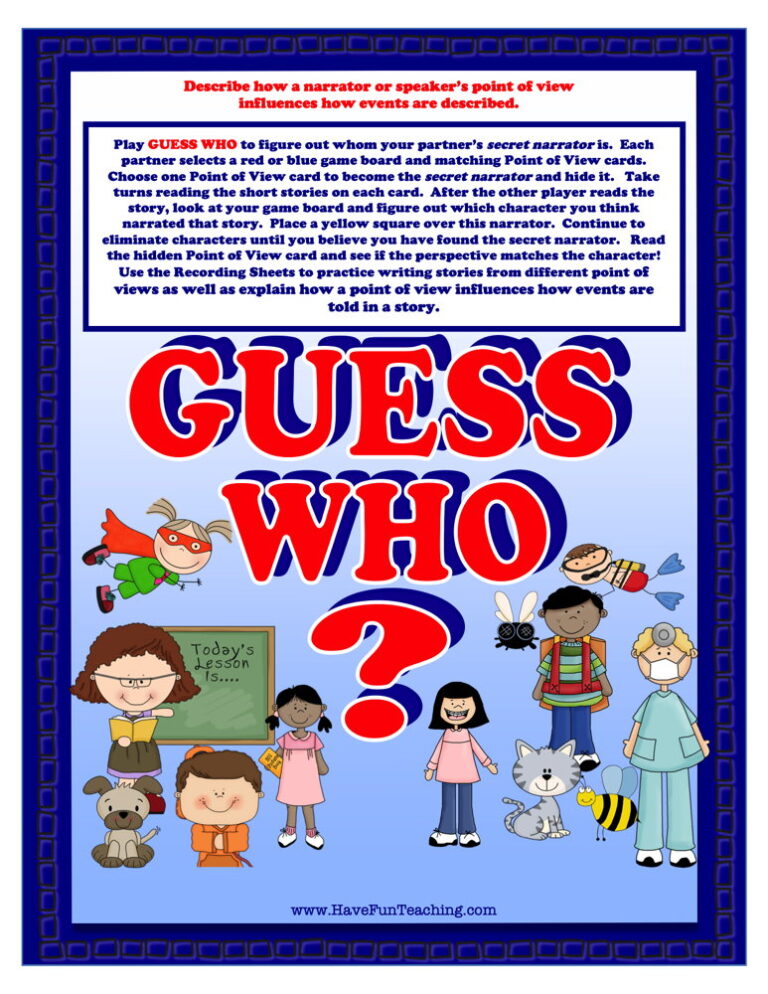
Using this Guess Who Point of View Activity, students identify their partner's "secret narrator" as the partner reads a text card.
Using Comparing Points of View Activity, students distinguish their own point of view from that of the author of a text.
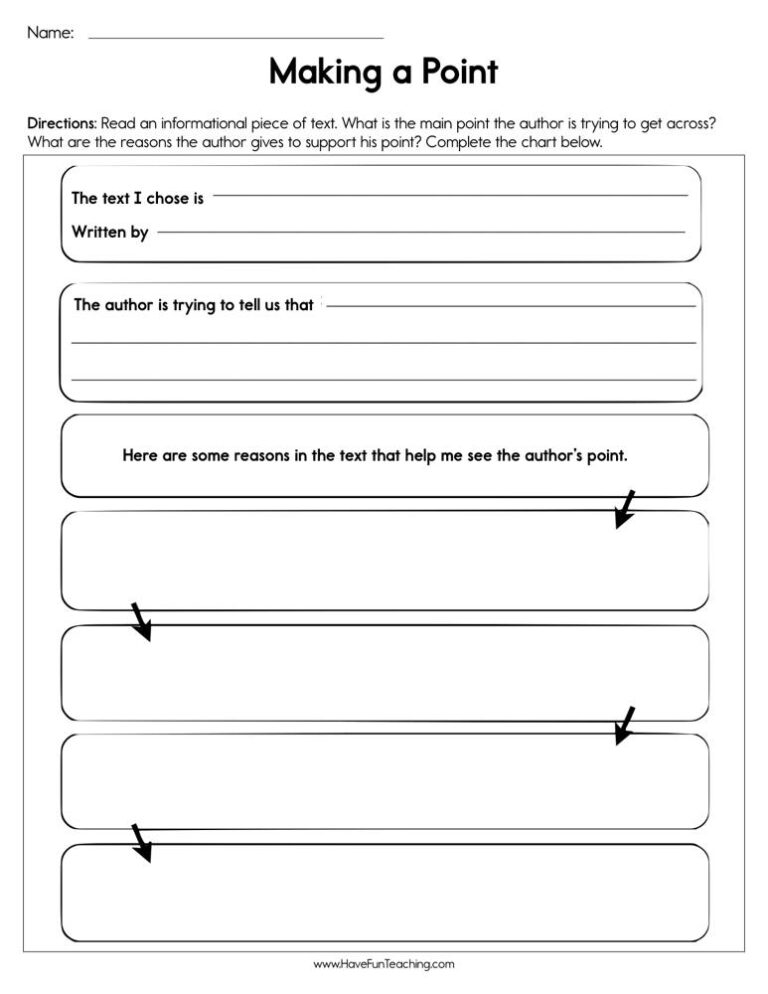
Using this Making a Point Worksheet, students read an information text to determine the reasons why the author wrote the piece.

Using RI.2.8 Second Grade Common Core Lesson, students describe how reasons support specific points the author makes in a text.

This Reasons the Author Gives Worksheet has 2nd Grade students read a short text about bowling and name the reasons the author gives for the point being made. Includes an answer key.




Reviews
There are no reviews yet