Skip to content
Start My 3 Free Days $0 today · cancel anytime

5th Grade Moon Resources

6 5th grade moon resources: 2 songs, 2 activities, 2 worksheets and more. How teachers use these

5th Grade Moon Resources

6 5th grade moon resources: 2 songs, 2 activities, 2 worksheets and more. How teachers use these

Video
Video5th GradeMoon Song (Animated Music Video)

Using thisMoon Song (Animated Music Video), students learn about the phases of the moon through catchy, interesting lyrics.

Activity
Activity5th GradeSolar System Activity

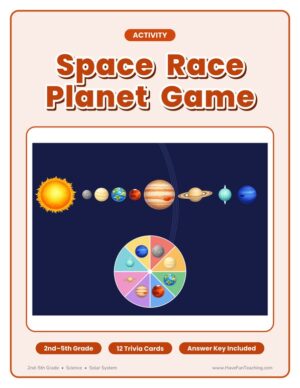
This solar system activity is a Space Race game where 2nd to 5th Grade students spin, write and color the eight planets in order. Includes trivia cards, practice and answer key.

Worksheet
Worksheet5th GradeMonthly Moon Phases Worksheet

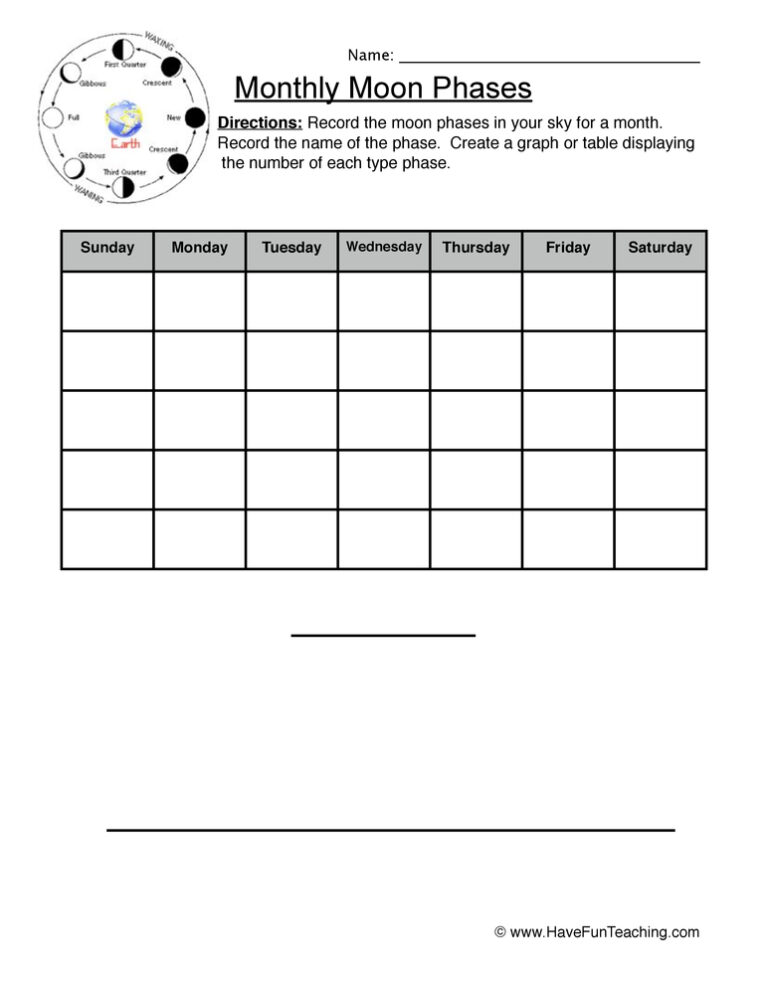
This monthly moon phases worksheet has 5th grade students count a month of moon observations, fill in a phase table, and explain the lunar cycle. An answer key is included for quick checking.

Song
Song5th GradeMoon Song (MP3)

Using thisMoon Song (MP3), students learn about the phases of the moon through catchy, interesting lyrics.

Worksheet
Worksheet5th GradeTotal Solar Eclipse Worksheet

A diagram-based total solar eclipse worksheet where 5th graders label the umbra and penumbra, then explain why the Moon can cover the Sun. Answer key included for fast, no-prep space science practice.

Activity
Activity5th GradeIts Just a Phase Phases of the Moon Activity

UsingIts Just a Phase Phases of the Moon Activity, students put the phases of the moon in order so they can understand the pattern of the moon.

From our teachers' playbook

Same moon, a different look every night!

What do 5th graders learn about the moon?

Fifth graders learn that the moon does not make its own light. It reflects sunlight, and as it orbits Earth about every 29.5 days, we see different amounts of its lit side. That is why we get phases, from new moon to full moon and back again: new → waxing crescent → first quarter → waxing gibbous → full. They also learn about the moon's place in the Earth, sun and moon system, including eclipses and how the moon's gravity affects ocean tides. The click comes when kids realize half the moon is always lit; we just see it from a different angle.

Our favorite ways to teach the moon

The moon is a model-it-to-get-it topic. These moves let kids see what is happening, not just memorize names.

Sing the phases

A song locks the order of the phases in place. Play it a few times, then have kids hold up phase cards in order as the lyrics go. Hum it during the unit test and watch them smile.

Why it works: a catchy, repeating tune gives the brain a hook to hang words on, so sung text is remembered better (Wallace, 1994).
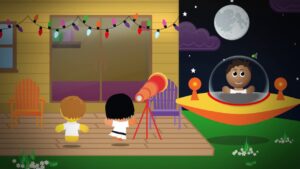
Moon Song (Animated Music Video)Try it withMoon Song (Animated Music Video)SongsOpen it →

Moon journal for a month

Have students sketch the moon each night for a month and label the phase. Patterns appear by week two, and kids start predicting the next shape before they see it.

Why it works: pairing a picture with each word gives kids two ways to remember it, a well-tested principle of how people learn (Mayer, 2009).

Monthly Moon Phases WorksheetTry it withMonthly Moon Phases WorksheetWorksheetsOpen it →

Lamp-and-ball model

Darken the room, set a lamp as the sun, and give each student a ball on a stick. As they turn in a circle, they watch the lit part grow and shrink. Then they act out the same phases with a hands-on activity.

Why it works: going from real objects to pictures to symbols is a core recommendation of the U.S. Department of Education's elementary math guide.

Its Just a Phase Phases of the Moon ActivityTry it withIts Just a Phase Phases of the Moon ActivityActivitiesOpen it →

Questions parents and teachers ask

What causes the phases of the moon?

The phases happen because we see different parts of the moon's sunlit side as it orbits Earth. The moon itself is always half lit by the sun.

How long does it take the moon to go through all its phases?

About 29.5 days, which is close to one month. That is why the word month comes from the word moon.

Does the moon make its own light?

No. The moon reflects light from the sun. A bright full moon is really sunlight bouncing off the moon's surface.

How can I teach moon phases at home?

Use a lamp and a ball in a dark room, or track the moon outside each night for a few weeks. Drawing what you see is the best way to spot the pattern.