Skip to content
Start My 3 Free Days $0 today · cancel anytime

5th Grade Earth Science Resources

12 5th grade Earth Science resources: 6 worksheets, 4 activities, 2 songs and more. How teachers use these

5th Grade Earth Science Resources

12 5th grade Earth Science resources: 6 worksheets, 4 activities, 2 songs and more. How teachers use these

Video
Video5th GradeCreation Song

While watching the Creation Song, students learn about the days of Creation perfect for Sunday school, kid's church, and Bible lessons for kids. Bring joy and understanding into your kid's church, Sunday school, and classroom with this song about the days of Creation. Your kids will love a new way…

Worksheet
Worksheet5th GradeSolar System Order Worksheet

Put the eight planets in order from the Sun, then use that order to answer three questions and explain why Neptune is colder than Mercury. This solar system order worksheet for 5th grade includes an answer key.

Activity
Activity5th GradeSolar System Activity

This solar system activity is a Space Race game where 2nd to 5th Grade students spin, write and color the eight planets in order. Includes trivia cards, practice and answer key.

Worksheet
Worksheet5th GradeWeight Gravity Worksheet

This Weight Gravity Worksheet asks 5th graders to multiply an Earth weight by each world's gravity factor, then explain their reasoning. A complete answer key is included, so decimal multiplication practice takes no prep.

Worksheet
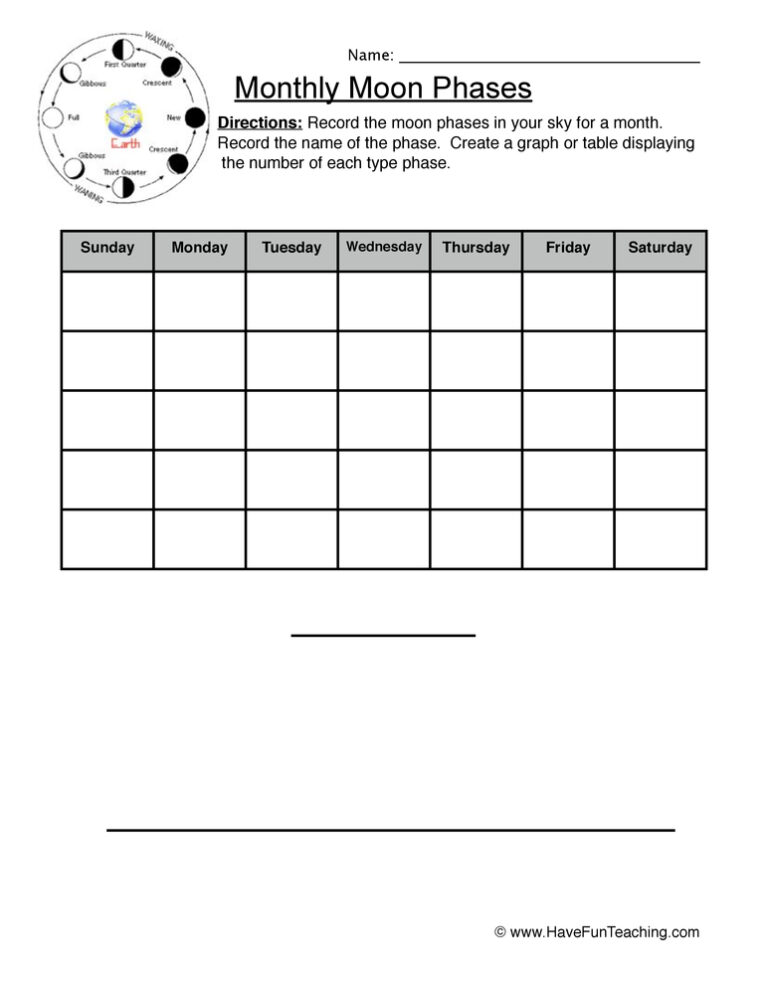
Worksheet5th GradeMonthly Moon Phases Worksheet

This monthly moon phases worksheet has 5th grade students count a month of moon observations, fill in a phase table, and explain the lunar cycle. An answer key is included for quick checking.

Song
Song5th GradeMoon Song (MP3)

Using thisMoon Song (MP3), students learn about the phases of the moon through catchy, interesting lyrics.

Activity
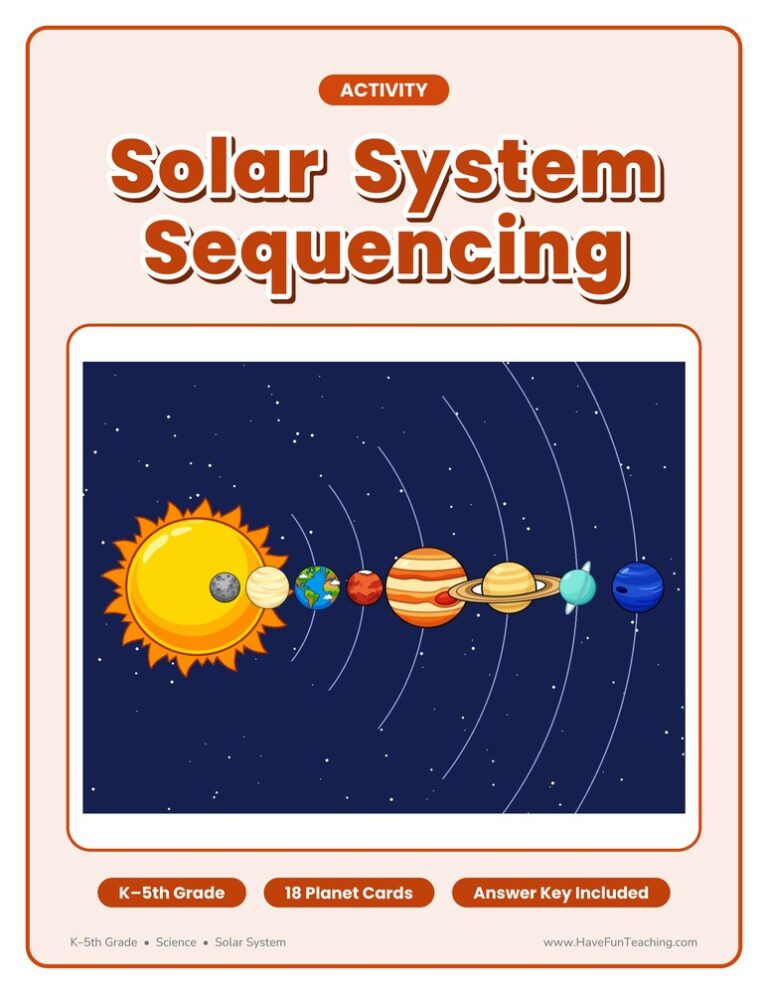
Activity5th GradeSolar System Sequencing Planets Activity

In this solar system sequencing planets activity, kindergarten to 5th grade students put the eight planets in order from the Sun and match their names. Answer key included.

Worksheet
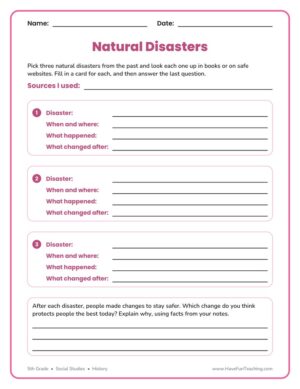
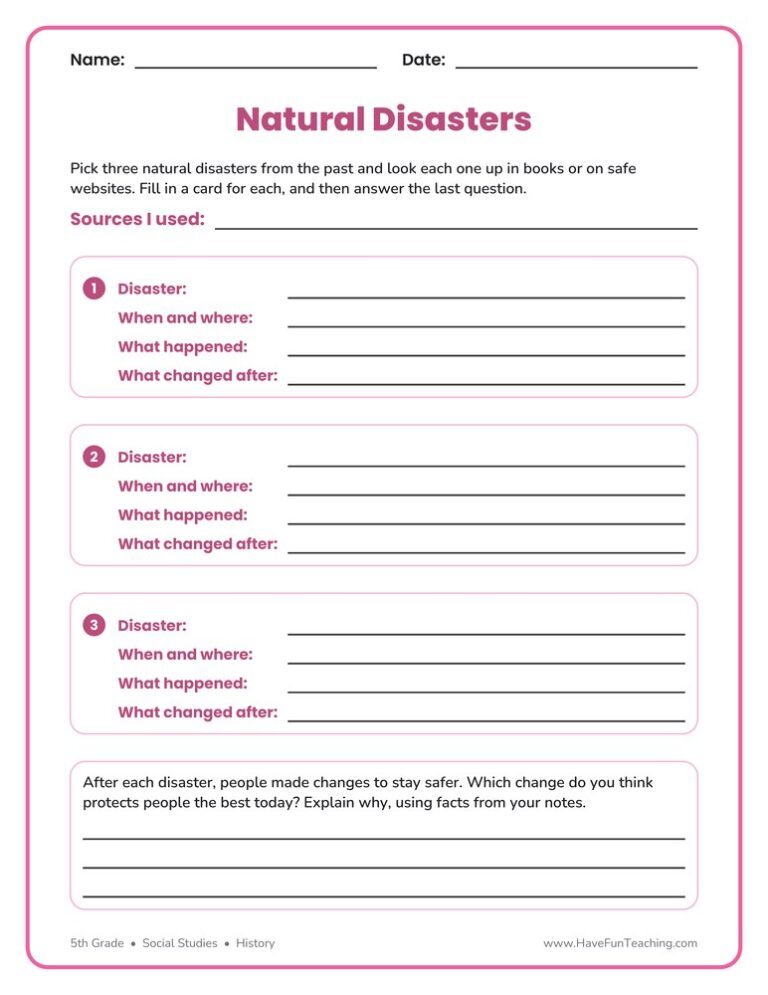
Worksheet5th GradeNatural Disasters History Research Worksheet

The Natural Disasters History Research Worksheet guides 5th graders to research three real disasters from the past, record their sources, and explain which safety change helps people most.

Worksheet
Worksheet5th GradeTotal Solar Eclipse Worksheet

A diagram-based total solar eclipse worksheet where 5th graders label the umbra and penumbra, then explain why the Moon can cover the Sun. Answer key included for fast, no-prep space science practice.

Worksheet
Worksheet5th GradeLayers of the Earth Writing Worksheet

This layers of the Earth writing worksheet takes 5th graders on a pretend drill-submarine trip to the planet's center, naming each layer from clues and writing a travel log. Answer key included.

Activity
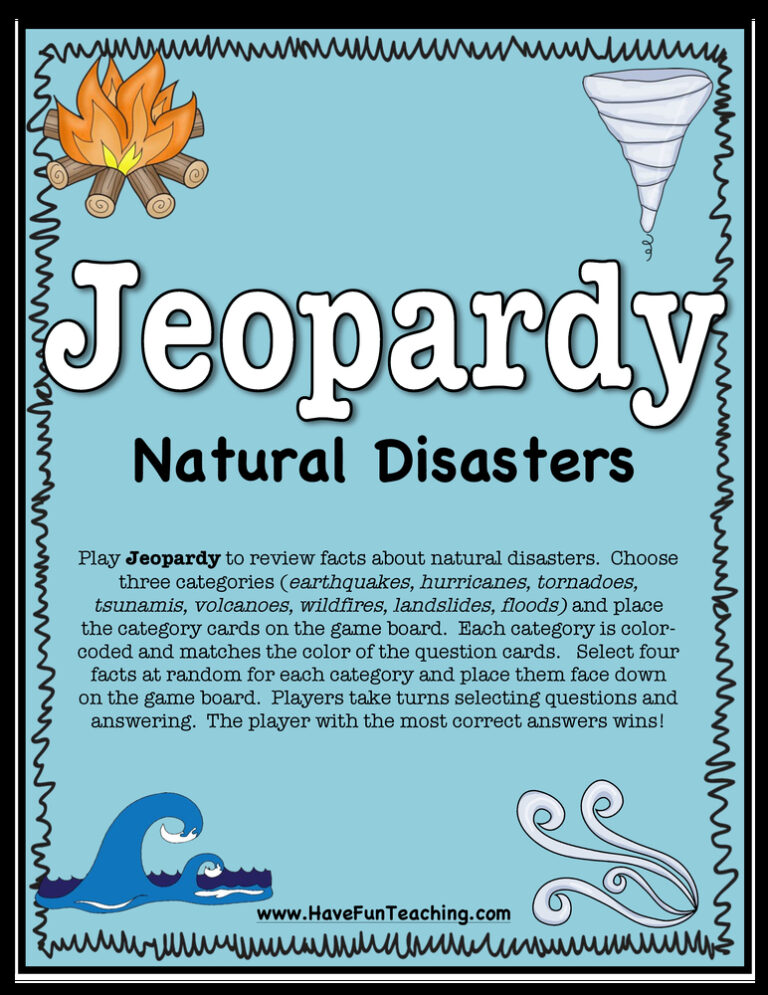
Activity5th GradeJeopardy Natural Disasters Activity

UsingJeopardy Natural Disasters Activity, students play to review facts about natural disasters that occur on Earth.

Activity
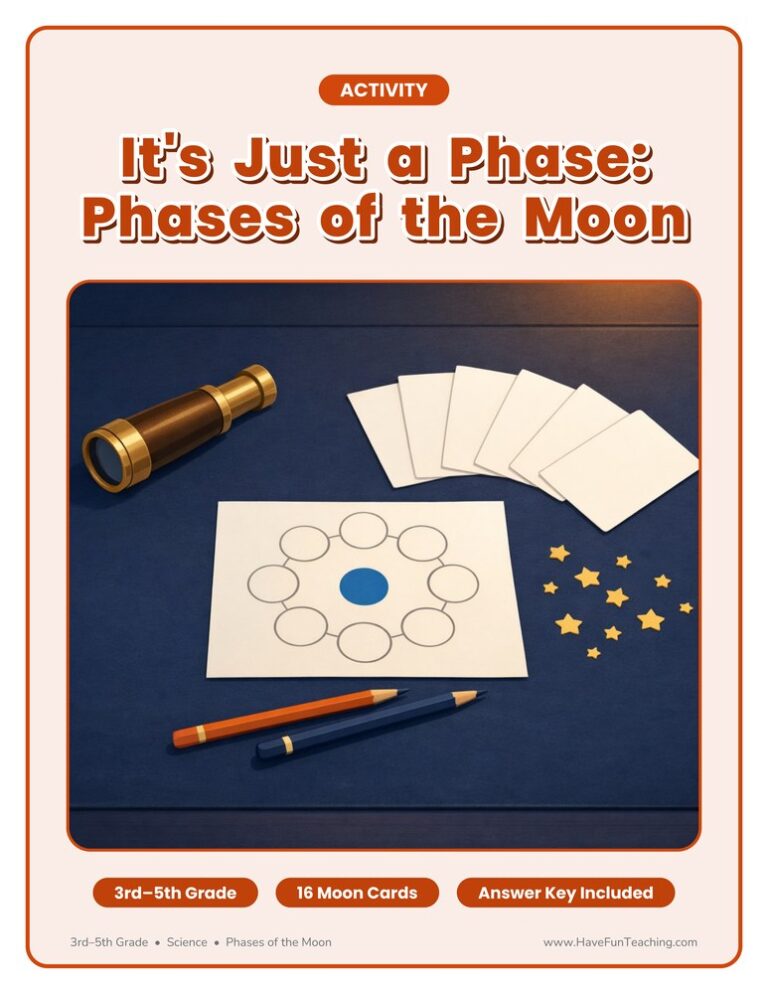
Activity5th GradeIts Just a Phase Phases of the Moon Activity

This Its Just a Phase Phases of the Moon Activity helps 3rd to 5th Grade students match, order and label the eight moon phases. A practice page and answer key are included.

From our teachers' playbook

From Earth's core to the edge of space

What do 5th graders learn in earth science?

Fifth grade earth science stretches from inside our planet to outer space. Students learn Earth's layers (crust, mantle, outer core, inner core) and how forces inside Earth cause earthquakes and volcanoes. They study Earth's place in the solar system, how gravity pulls everything toward a planet's center, and patterns like moon phases, eclipses and changing shadows. Many classes also research natural disasters and how people prepare for them. The click moment is when students connect a pattern they can see, like moon phases, to the motion causing it.

Our favorite ways to teach earth science in 5th grade

Earth science is big. These moves keep it concrete and connected to evidence.

Layers you can explain

Students draw Earth's layers to scale-ish and write a short explanation of each: thickness, temperature, what it's made of. Then compare it to a peach: skin, flesh, pit. Writing about each layer turns a diagram into understanding.

Why it works: the U.S. Department of Education's guide for teaching elementary math recommends moving from hands-on objects to drawings to numbers.

Layers of the Earth Writing WorksheetTry it withLayers of the Earth Writing WorksheetWorksheetsOpen it →

Disaster Jeopardy

Review natural disasters with a Jeopardy-style game: categories like earthquakes, volcanoes and hurricanes. Teams love competing, and retrieval practice locks in the facts before a test.

Why it works: pulling an answer out of memory makes it stick far better than rereading it, one of the strongest findings in learning research (Dunlosky and colleagues, 2013).

Jeopardy Natural Disasters ActivityTry it withJeopardy Natural Disasters ActivityActivitiesOpen it →

Track the moon for a month

Students record the moon's phase on a monthly chart, using home observations or an online moon calendar. At the end, they look for the pattern and explain it with a light-and-ball model.

Why it works: children learn more from words and pictures together than from words alone (Mayer, 2009).

Monthly Moon Phases WorksheetTry it withMonthly Moon Phases WorksheetWorksheetsOpen it →

Earth science questions parents and teachers ask

What do 5th graders learn in earth science?

Topics often include Earth's layers, landforms and natural disasters, gravity, Earth's place in the solar system, and patterns like day and night, seasons, moon phases and shadows.

What are the layers of the Earth?

Earth has four main layers: the thin rocky crust, the hot mantle, the liquid outer core and the solid inner core. The inner core is about as hot as the surface of the sun.

Why does the moon have phases?

The moon reflects sunlight. As it orbits Earth, we see different amounts of its lit half, so it seems to change shape over about a month.

How can I support earth science learning at home?

Watch the moon together, read about natural disasters in the news, and look for landforms on trips. A simple model, like a peach for Earth's layers, helps too.