

Monthly Moon Phases Worksheet
This monthly moon phases worksheet has 5th grade students count a month of moon observations, fill in a phase table, and explain the lunar cycle. An answer key is included for quick checking.
$6.97
Or free with a membership — members pay $3.33/mo for all 10,000+ resources. See plans
Want this one free?
Tell us where to send it and it’s yours — no card, no catch.
One free resource per teacher. We’ll also send free teaching ideas each week — unsubscribe anytime.
Teaching is easier with a membership
Unlimited printables, games & videos for PreK–6th — for your classroom or homeschool. Cancel anytime.
Start your 3-day free trial$0 today · cancel anytime · Instant access to 10,000+ resources
About this resource
Description
The moon seems to change shape every night, but the pattern repeats in a cycle that lasts about 29 and a half days. This monthly moon phases worksheet helps 5th grade students see that pattern as real data. Instead of memorizing eight phase names in a list, students study a full month of observations and discover how many nights each phase lasts and why some phases show up for a week while others appear for only one night.
The monthly moon phases worksheet shows a completed moon log for one February. Every night on the calendar has an accurate drawing of the moon and a short phase code, such as WXC for waxing crescent or FM for full moon. Students count the nights for each of the eight phases and record the totals in a frequency table. Then they use the calendar and their table to answer two written questions: which phase never appears in this short month and why, and when the next full moon will rise. This 5th grade earth science worksheet works well for science centers, homework, or a quick check after a lesson on the lunar cycle.
What’s Included
- A 28-night February moon calendar with accurate moon phase drawings and phase codes
- A frequency table for counting the nights of all eight moon phases
- Two constructed-response questions about the lunar cycle
- A complete answer key
How This Worksheet Helps Kids
First, students connect the names of the moon phases to their real shapes, with waxing phases lit on the right and waning phases lit on the left. Second, counting and organizing observations in a table builds the data skills scientists use every day. Third, the questions ask students to reason about the length of the lunar cycle, so they explain patterns instead of just naming them.
Ideas for Teachers and Parents
Before the worksheet, have students watch the moon for a few nights and sketch what they see. Afterward, ask them to turn their frequency table into a bar graph, or to predict which phases a 31-day month would show. Families can keep their own moon log for a month and compare it to this one.
Related Resources
What teachers say
Reviews
You must be logged in to post a review.

Put the eight planets in order from the Sun, then use that order to answer three questions and explain why Neptune is colder than Mercury. This solar system order worksheet for 5th grade includes an answer key.

This Weight Gravity Worksheet asks 5th graders to multiply an Earth weight by each world's gravity factor, then explain their reasoning. A complete answer key is included, so decimal multiplication practice takes no prep.

While watching the Creation Song, students learn about the days of Creation perfect for Sunday school, kid's church, and Bible lessons for kids. Bring joy and understanding into your kid's church, Sunday school, and classroom with this song about the days of Creation. Your kids will love a new way…

Using thisMoon Song (MP3), students learn about the phases of the moon through catchy, interesting lyrics.

A diagram-based total solar eclipse worksheet where 5th graders label the umbra and penumbra, then explain why the Moon can cover the Sun. Answer key included for fast, no-prep space science practice.

Using Solar System Sequencing Planets Activity, students correctly ordering the eight planets in our solar system.
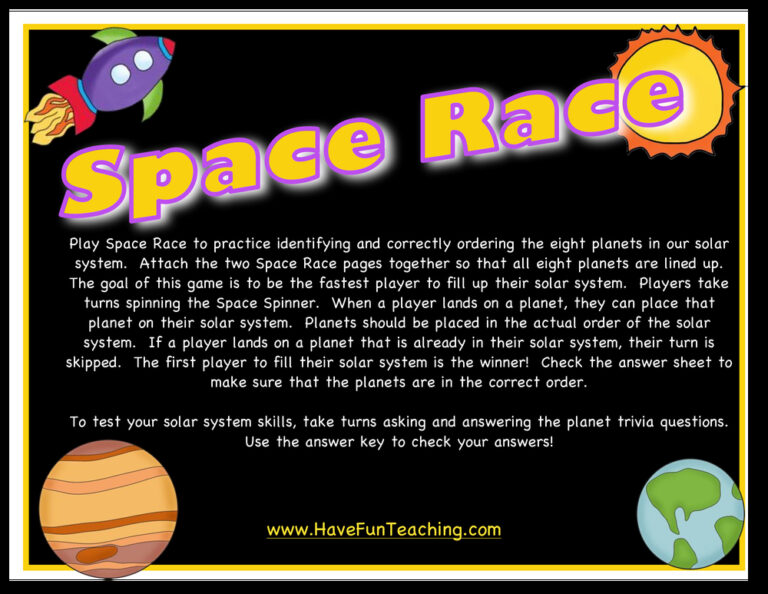
Using Solar System Activity, students play Space Race to practice identifying and correctly ordering the eight planets in our solar system.

Using this Physical Processes Worksheet, students research the four types of physical processes that affect changes on the earth.

This layers of the Earth writing worksheet takes 5th graders on a pretend drill-submarine trip to the planet's center, naming each layer from clues and writing a travel log. Answer key included.

UsingIts Just a Phase Phases of the Moon Activity, students put the phases of the moon in order so they can understand the pattern of the moon.
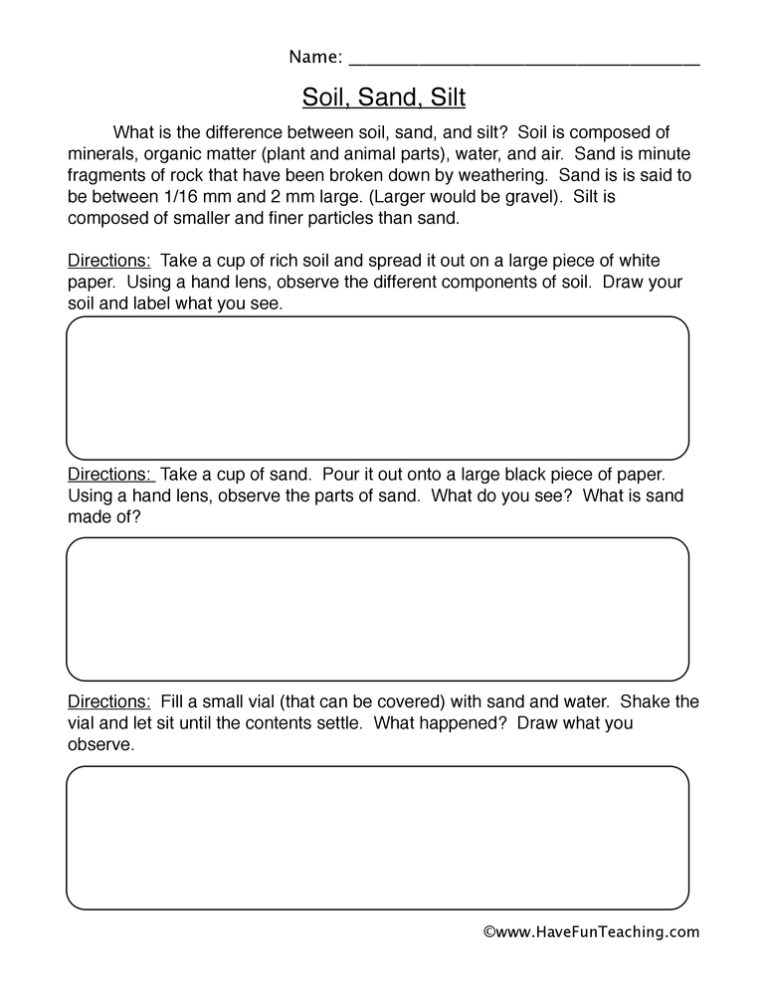
Using Soil Sand Silt Worksheet, students observe soil, sand, and silt using a hand lens to determine the different components of each material.
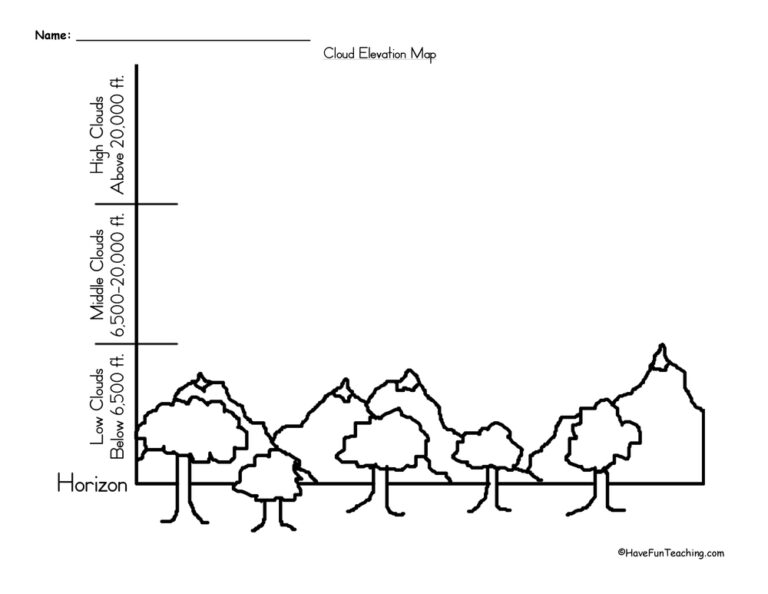
Using thisCloud Elevation Map Worksheet, students show the correct elevation of different clouds by placing them on a landscape image.




Reviews
There are no reviews yet