Skip to content
Start My 3 Free Days $0 today · cancel anytime

1st Grade Insects Resources

14 1st grade insects resources: 5 worksheets, 3 songs, 3 videos and more. How teachers use these

1st Grade Insects Resources

14 1st grade insects resources: 5 worksheets, 3 songs, 3 videos and more. How teachers use these

Video
Video1st GradeButterfly Song (MP3)

Using the Butterfly Song (MP3), students learn all about butterflies, including the life cycle, body parts, habitat, diet, and so much more through a catchy song!

Worksheet
Worksheet1st GradeInsect Writing Paper

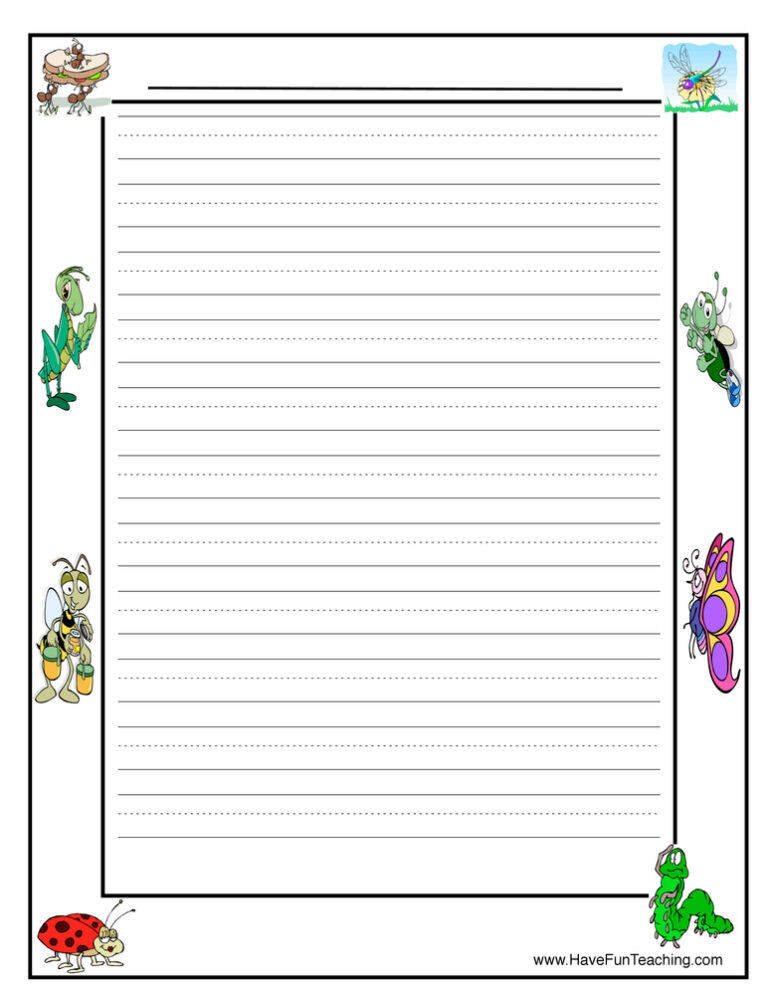
This insect writing paper worksheet gives 1st Grade students wide lined paper and a bug themed prompt, so every child has a real insect to describe and room to write about it.

Video
Video1st GradeInsect Song

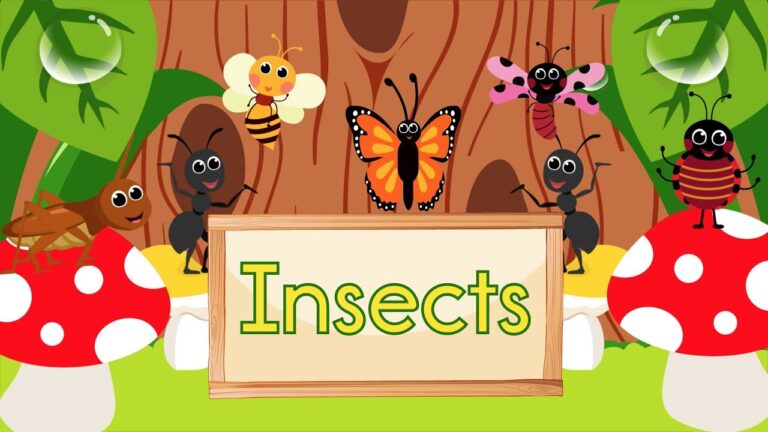
The Insect Song by Have Fun Teaching is perfect for teaching and learning all about insects. This animated music video teaches what makes an insect an insect: an exoskeleton, three body parts (head, thorax and abdomen), six legs and two antennae. While watching the Insect Song, students learn the traits…

Video
Video1st GradeButterfly Song (Animated Music Video)

Using the Butterfly Song (Animated Music Video), students learn all about butterflies, including the life cycle, body parts, habitat, diet, and so much more through a catchy song!

Flash Cards
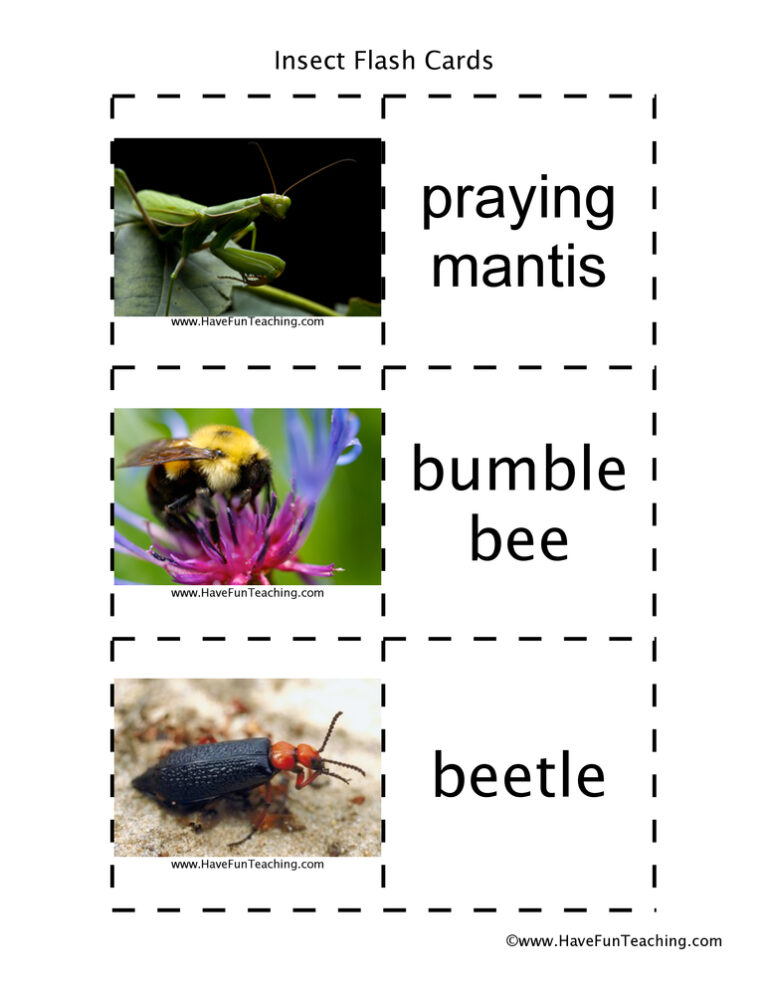
Flash Cards1st GradeInsect Flash Cards

Insect flash cards for kindergarten to 4th grade with 24 lifelike bug pictures, names and fun facts, plus a practice page and answer key included, to grow science vocabulary.

Activity
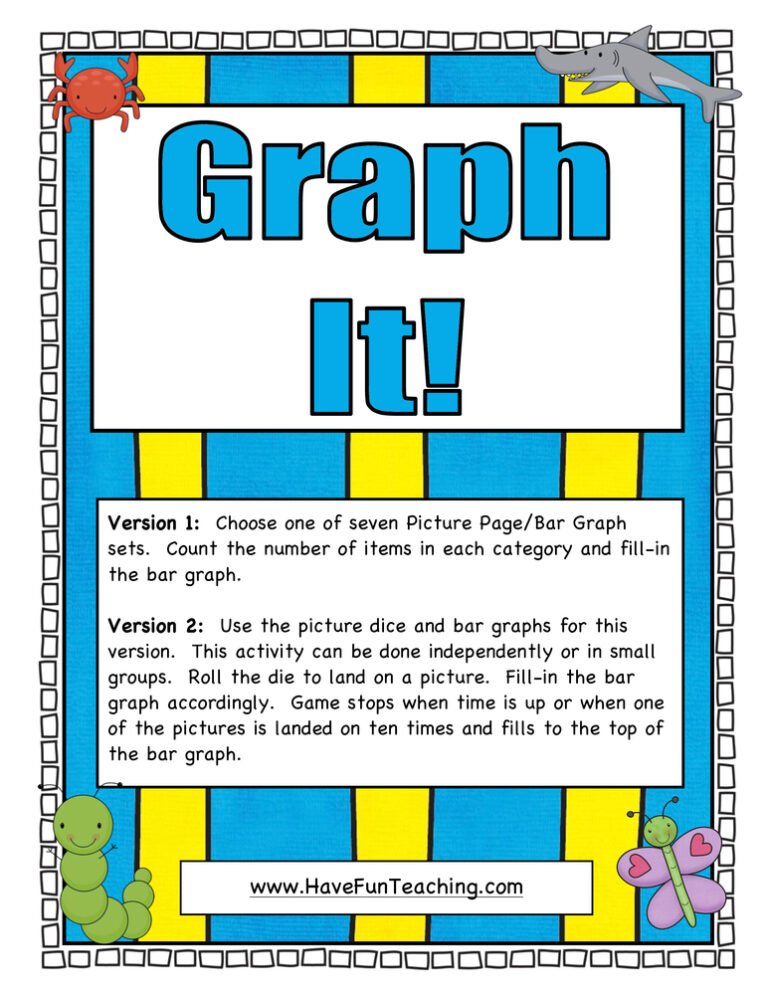
Activity1st GradeBar Graph Activity

Using this Bar Graph Activity, students practice using data to create and analyze a bar graph.

Worksheet
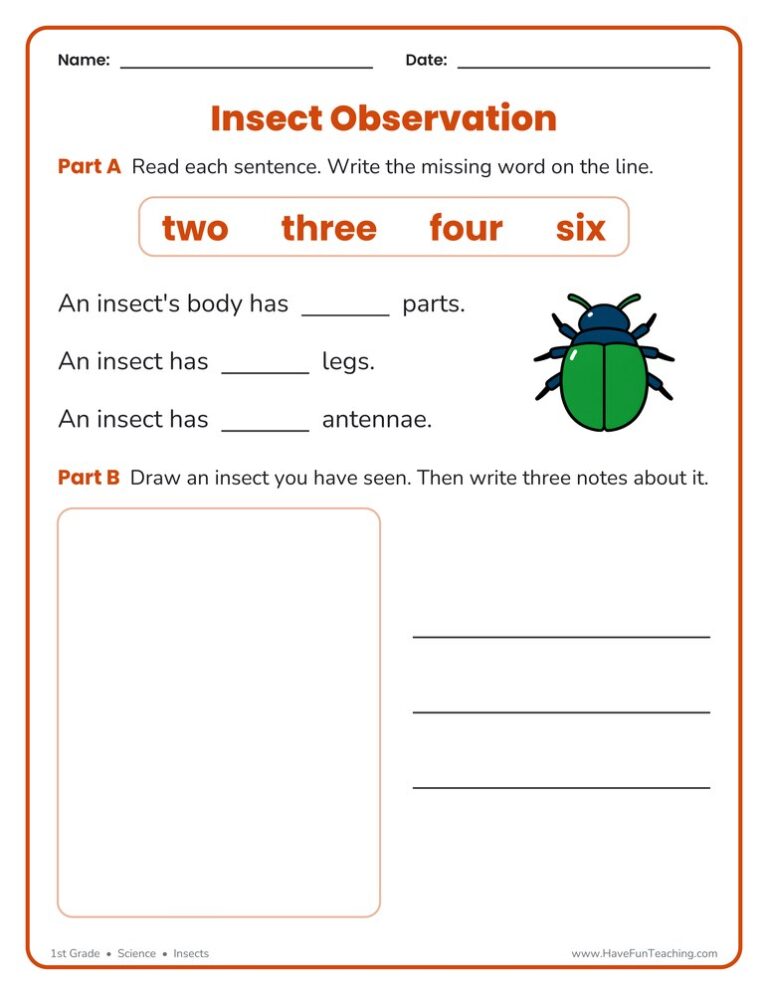
Worksheet1st GradeInsect Observation Worksheet

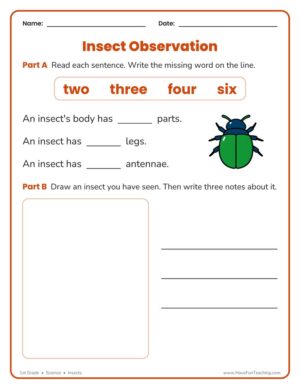
This Insect Observation Worksheet teaches 1st grade students that an insect has three body parts, six legs and two antennae, then gives them a box to draw the insect they found and three lines for notes.

Flash Cards
Flash Cards1st GradeInsects Word Wall

These insects word wall flash cards teach 1st-3rd grade students 12 science words about insect body parts and the butterfly life cycle, with a practice page and answer key included.

Assessment
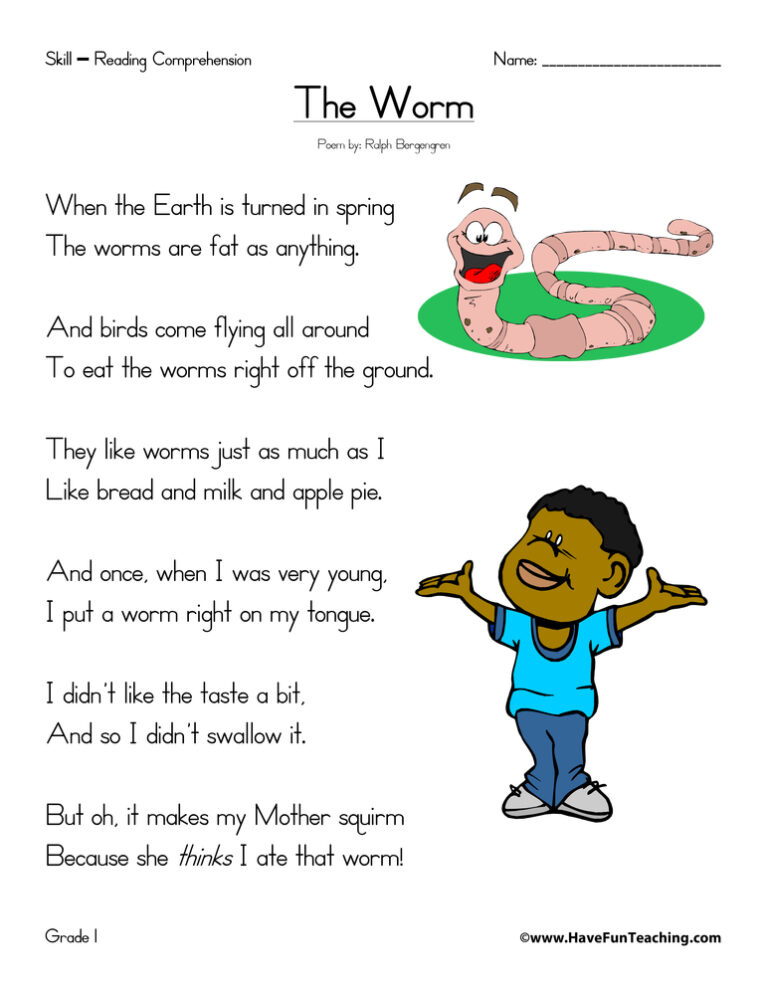
Assessment1st GradeWorm Poem Reading Comprehension Worksheet

This Worm Poem Reading Comprehension Worksheet pairs an original rhyming poem about an earthworm with five bubble-in questions for 1st grade. An answer key is included, so young readers get quick, confident practice reading closely.

1st GradeInsects Desk Name Tags

These Desk Name Tags - Insects are a perfect way for your students to identify their desks and practice spelling their name with an insect theme.

Worksheet
Worksheet1st GradeGraphing Bugs Worksheet

This graphing bugs worksheet asks 1st graders to read a bar graph of ants, bees and moths at the zoo and answer six questions. An answer key is included, so checking work is quick.

Worksheet
Worksheet1st GradeWord Meaning Earthworms Worksheet

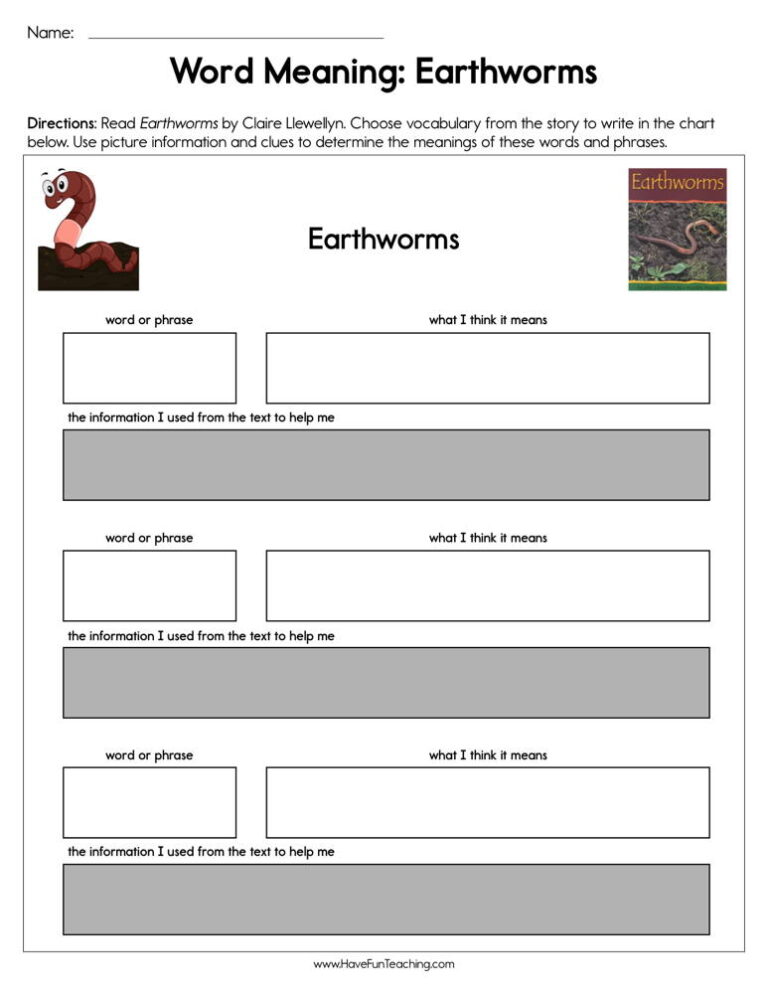
Using Word Meaning Earthworms Worksheet, students read Earthworms by Claire Llewellyn to determine the meanings of these words and phrases.

Activity
Activity1st GradeWrite about Bugs Activity

Using Write about Bugs Activity, studentswrite informative texts in which they introduce a topic, use facts and definitions to develop points, and provide a concluding statement or section.

1st GradeButterfly Clip Art

This Butterfly Clip Art is a perfect addition to any bulletin board, flyer, or other printable that you use in your classroom while learning about butterflies.

From our teachers' playbook

Six legs, three body parts, lots of wow

What do 1st graders learn about insects?

First graders learn what makes an insect an insect: six legs, three body parts (head, thorax, abdomen) and two antennae. They meet favorites like ants, bees, butterflies and ladybugs, and learn how a caterpillar changes into a butterfly in a life cycle. They also sort out bugs that are not insects. Spiders have eight legs, and worms have none! The click comes when a child counts the legs on a picture and announces, "That's not an insect, it's a spider!"

Our favorite ways to teach insects

Kids love bugs. These moves turn that excitement into real science.

Sing the butterfly life cycle

Play the butterfly song and have kids act out each stage: curl up as an egg, wiggle as a caterpillar, freeze as a chrysalis, then flutter away. Movement plus music makes the life cycle order stick.

Why it works: a catchy, repeating tune gives the brain a hook to hang words on, so sung text is remembered better (Wallace, 1994).

Butterfly Song (Animated Music Video)Try it withButterfly Song (Animated Music Video)SongsOpen it →

Count the legs

Show insect flash cards and have kids count legs and body parts out loud. Then slip in a spider or a worm and see who catches it. Comparing real pictures teaches what "insect" means better than a definition.

Why it works: pairing a picture with each word gives kids two ways to remember it, a well-tested principle of how people learn (Mayer, 2009).

Insect Flash CardsTry it withInsect Flash CardsFlash CardsOpen it →

Be a bug scientist

Take magnifying glasses outside to find real insects. Kids draw what they see and label the head, thorax and abdomen. Observing a real ant is worth a dozen worksheets, and the drawing makes them look closely.

Why it works: kids understand an idea best when they touch it, then draw it, then write it, the order the U.S. Department of Education recommends for elementary math.

Insect Observation WorksheetTry it withInsect Observation WorksheetWorksheetsOpen it →

Insect questions parents and teachers ask

What makes an insect an insect?

Insects have six legs, three body parts (head, thorax and abdomen) and usually two antennae. Many also have wings. Ants, bees, beetles and butterflies are all insects.

Is a spider an insect?

No. Spiders have eight legs and only two body parts, so they belong to a group called arachnids. It's one of kids' favorite surprises in an insect unit.

What is the life cycle of a butterfly?

A butterfly goes through four stages: egg, caterpillar (larva), chrysalis (pupa) and adult butterfly. This big change is called metamorphosis.

How can I teach insects at home?

Go on a bug hunt in the yard or park with a magnifying glass. Count legs and body parts together, and draw what you find. Never touch bees or unknown bugs.