This Patterns Lesson Plan contains various materials for you to successfully teach patterns while cutting your planning time down so that you can enjoy more
This Place Value Lesson Plan contains various materials for you to successfully teach Place Value while cutting your planning time down so that you can
With our Common Core Unit Lesson Plan Template, you can develop your monthly lessons across a specific unit. First, you will pick the theme of your unit.
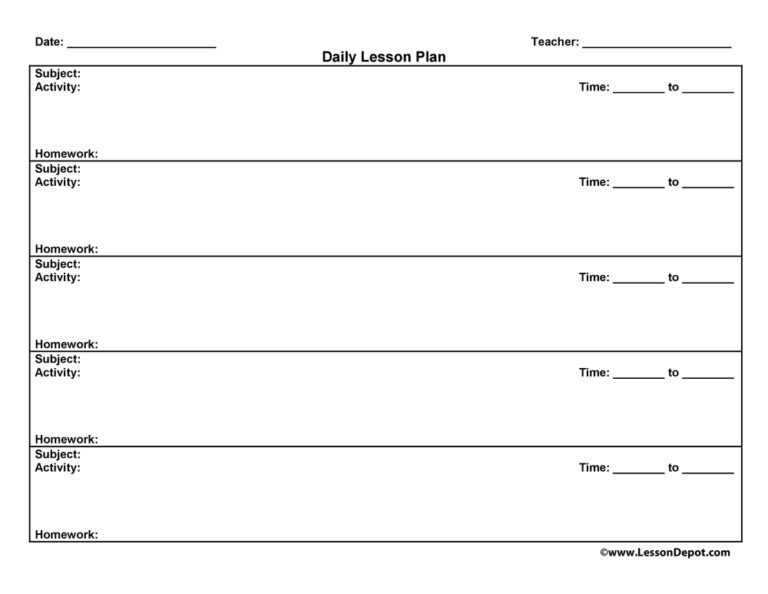
Using this Single Lesson Plan Template, you will be able to plan lessons that best meet your students and have all of the information you need in one place!
Using this Common Core Standards Lesson Plan Template, teachers will be able to keep track of your lesson plans and the state standards that you are using.
Using this ESOL Strategies Lesson Plan Template, you will be able to plan lessons that best meet your ESL students and have all of the information you need in one place!
With our Common Core Lesson Plan Template, you can develop your weekly lessons across multiple subjects. First, you will date your Lesson Plan and label
With our Common Core Monthly Lesson Plan Template, you can develop your monthly lessons across multiple subjects. First, you will date your Lesson Plan and
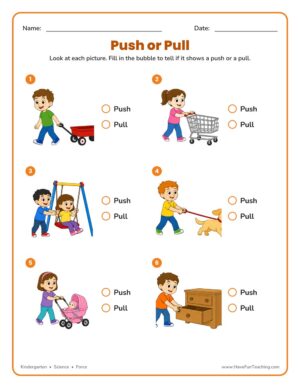
Kindergarten builds the foundation for everything that follows. Kids learn every letter name and sound, hear rhymes and syllables, and blend sounds into short words like m-o-p → mop. They read their first sight words, retell stories and start writing labels and simple sentences. In math they count to 100 by ones and tens, count groups of objects, write numbers to 20, see that 14 is 10 + 4, add and subtract within 10, and name flat and solid shapes. Science and social studies bring weather, pushes and pulls, plants and animals, families and community helpers. The click is when a kindergartner sounds out a word on a sign and reads it all by themselves.
Our favorite ways to teach kindergarten
Kindergartners learn by singing, moving and doing. These moves hit all three.
Sing your ABCs and 123s
Start the day with an alphabet song and end it with a counting song. Songs give kids letter names, sounds and number order without any pressure. You'll hear them singing in the hallway, and that's the point.
Why it works: words set to a repeating melody are easier to recall than the same words spoken (Wallace, 1994).
Give kids letters to sort, counters to group and blocks to build with. Matching uppercase to lowercase letters with real cards beats a page of tracing. Little hands help little brains remember.
Why it works: going from real objects to pictures to symbols is a core recommendation of the U.S. Department of Education's elementary math guide.
A short calendar routine every morning covers counting, numbers, days of the week and weather in just a few minutes. Doing it every day, all year, makes those skills rock solid.
Why it works: short practice spread over several days beats one long session, according to a large review of learning research (Dunlosky and colleagues, 2013).
What should a child know by the end of kindergarten?
Most kindergartners know all letter names and sounds, read simple words and some sight words, write their name and simple sentences, count to 100, and add and subtract within 10. Every child grows at their own pace.
How can I help my child get ready for kindergarten?
Read together every day, sing the alphabet, count things around the house and practice writing their name. Building independence, like zipping a coat and opening a lunch box, helps too.
How many sight words should a kindergartner know?
Many programs aim for roughly 25 to 50 sight words by the end of kindergarten. Practicing a few at a time and reading them in books works best.
Is kindergarten all play?
Kindergarten mixes play with real learning. Centers, songs and games are how young kids build reading, writing and math skills.
Written by the Have Fun Teaching team of elementary teachers and homeschoolers. Research: Wallace, W. T. (1994). Memory for music: Effect of melody on recall of text. Journal of Experimental Psychology: Learning, Memory, and Cognition, 20(6). U.S. Department of Education, What Works Clearinghouse (2021). Assisting Students Struggling with Mathematics: Intervention in the Elementary Grades. Dunlosky, J., Rawson, K. A., Marsh, E. J., Nathan, M. J., & Willingham, D. T. (2013). Improving Students' Learning With Effective Learning Techniques. Psychological Science in the Public Interest, 14(1).
3 days free
2:39Ready to print!
Printables · Songs · Games
Loved by 2 million teachers & families
Where learning feels like play.
Printables, songs and games for every subject, Preschool through 6th. Ready to teach today, and kids beg for more.
$0due today
then $39.97$35.97for your first year, and $39.97 a year after that.





 Try it withAlphabet Song (Original Music Video)VideosOpen it →