
Skip to content
Start My 3 Free Days $0 today · cancel anytime

Kindergarten Money Resources

4 kindergarten money resources: 3 activities and 1 flash card. How teachers use these

Kindergarten Money Resources

4 kindergarten money resources: 3 activities and 1 flash card. How teachers use these

Flash Cards
Flash CardsKindergartenMoney Flash Cards

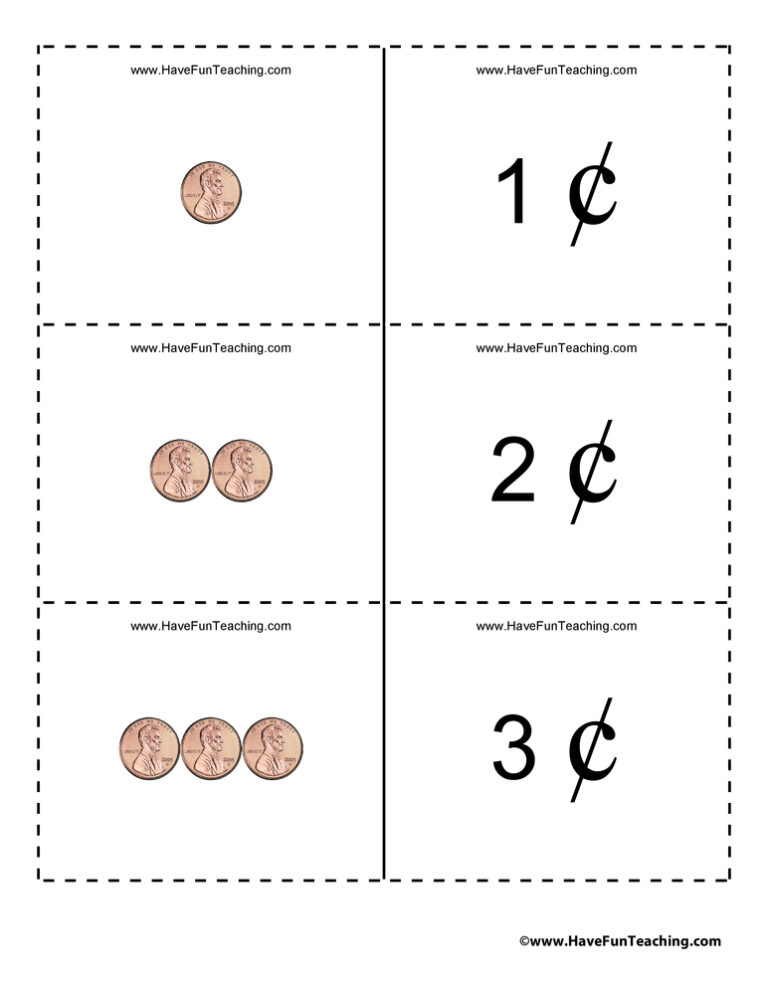
Money flash cards for kindergarten to 3rd grade with 24 fold-over coin cards, from one penny to a dollar. Answer key included, so kids can count coins and check their own work.

Activity
ActivityKindergartenPlenty O' Pennies Counting Pennies Activity

Using Plenty O' Pennies Counting Pennies Activity, students practice counting pennies to build their coin counting skills.

Activity
ActivityKindergartenSnickel-Doodles Counting Nickels Activity

Using Snickel-Doodles Counting Nickels Activity, studentspractice counting nickels and cents amounts usingthe Snicker-doodle cookies.

Activity
ActivityKindergartenShow Me the Money Recognition Activity

Using Show Me the Money Recognition Activity, studentsplay BINGO to practice recognizing United States coins and bills.

From our teachers' playbook

Pennies, nickels and pretend shopping

What do kindergartners learn about money?

Kindergartners start by getting to know the coins. They learn to name a penny, nickel, dime and quarter and tell them apart by size, color and the pictures on each side. Then they count pennies by ones, and some classes count nickels by fives: 5, 10, 15, 20. The big surprise for kids is that the biggest coin is not always worth the most, since a dime is smaller than a penny but worth ten cents! The click moment comes when a kid hands you three pennies and proudly says "three cents."

Our favorite ways to teach money in kindergarten

Real coins in little hands beat any picture. These moves make money make sense.

Coin touch and tell

Pass around real coins and let kids feel the edges: the dime and quarter are bumpy, the penny and nickel are smooth. Ask them to describe each one before you name it. Touch first, names second, and they remember the coins far longer.

Why it works: going from real objects to pictures to symbols is a core recommendation of the U.S. Department of Education's elementary math guide.

Show Me the Money Recognition ActivityTry it withShow Me the Money Recognition ActivityActivitiesOpen it →
Flash and name

Show one coin card at a time and have kids shout its name. Then show the back and do it again. A two-minute round each morning has the whole class naming coins in a couple of weeks.

Why it works: researchers who compared ten study methods found practice testing is one of the two that work best (Dunlosky and colleagues, 2013).

Money Flash CardsTry it withMoney Flash CardsFlash CardsOpen it →

Penny of the day

Add one penny to a jar every school day and count them together. On day five, trade five pennies for a nickel. It turns counting and trading into a daily ritual kids look forward to.

Why it works: the brain holds on to what it meets again and again over time; spaced practice was rated among the very best methods (Dunlosky and colleagues, 2013).

Plenty O' Pennies Counting Pennies ActivityTry it withPlenty O' Pennies Counting Pennies ActivityActivitiesOpen it →

Questions about teaching money in kindergarten

What should a kindergartner know about money?

Kindergartners usually learn to name and identify a penny, nickel, dime and quarter. Many also count pennies by ones and know a penny is worth one cent. Counting other coins usually comes in 1st and 2nd grade.

How do I teach coins to a 5-year-old?

Start with real coins and let your child look, touch and sort them. Name one coin at a time and talk about its color, size and pictures. Short, playful practice works better than long lessons.

Why is a dime worth more than a penny if it is smaller?

Coin values are not based on size. A dime is worth ten cents and a penny is worth one cent. Kids find this funny, and it makes a great conversation starter.

How can I practice money at home?

Let your child help pay with coins at a store, or play pretend shop at home with small price tags. Saving pennies in a clear jar and counting them each week is fun too.



