Skip to content
Start My 3 Free Days $0 today · cancel anytime

Sorting Resources

77 sorting resources: 52 activities, 16 worksheets, 8 Common Core Lessons and more. How teachers use these

Sorting Resources

77 sorting resources: 52 activities, 16 worksheets, 8 Common Core Lessons and more. How teachers use these

Worksheet
WorksheetKindergartenGrouping into Categories Worksheet

This Grouping into Categories Worksheet asks kindergarten students to sort eight pictures into fruit, animals, plants, and shapes by writing each one's category number. Includes an answer key for fast, no-prep classification practice.

Worksheet
WorksheetKindergartenSorting Objects Worksheet

This Sorting Objects Worksheet has kindergarten students sort twelve pictures into animals, plants, vehicles, and people, then count each group. Includes an answer key — a no-prep way to build classification and early counting skills.

Worksheet
Worksheet1st GradeCategorizing Objects Worksheet

This Categorizing Objects Worksheet helps 1st graders read nine words and sort them into groups like animals, food, and colors. Includes a complete answer key for quick, no-prep classification practice.

Activity
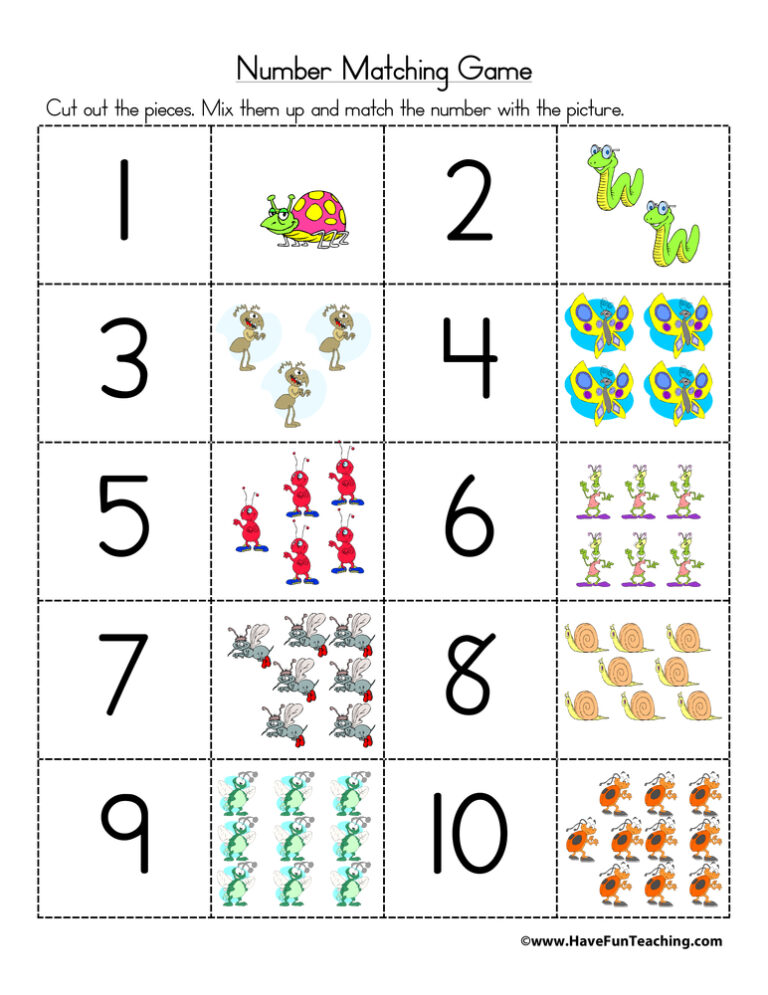
ActivityPreschoolNumber Matching Puzzle Activity

This number matching puzzle activity has preschool, kindergarten, and 1st grade children count ten-frame pictures and match them to numbers 1 to 10. An answer key is included for quick checking.

Worksheet
WorksheetKindergartenSort Classify and Count Worksheet

This Sort Classify and Count Worksheet asks kindergartners to sort twelve mixed shapes, count each kind, and answer three questions about which has the most and fewest. Answer key included.

Worksheet
Worksheet1st GradeCount Classify and Sort Worksheet

This Count Classify and Sort Worksheet has 1st graders group nine animal pictures into birds, fish, and bugs, count each group, and compare them. Answer key included for quick, no-prep practice.

Activity
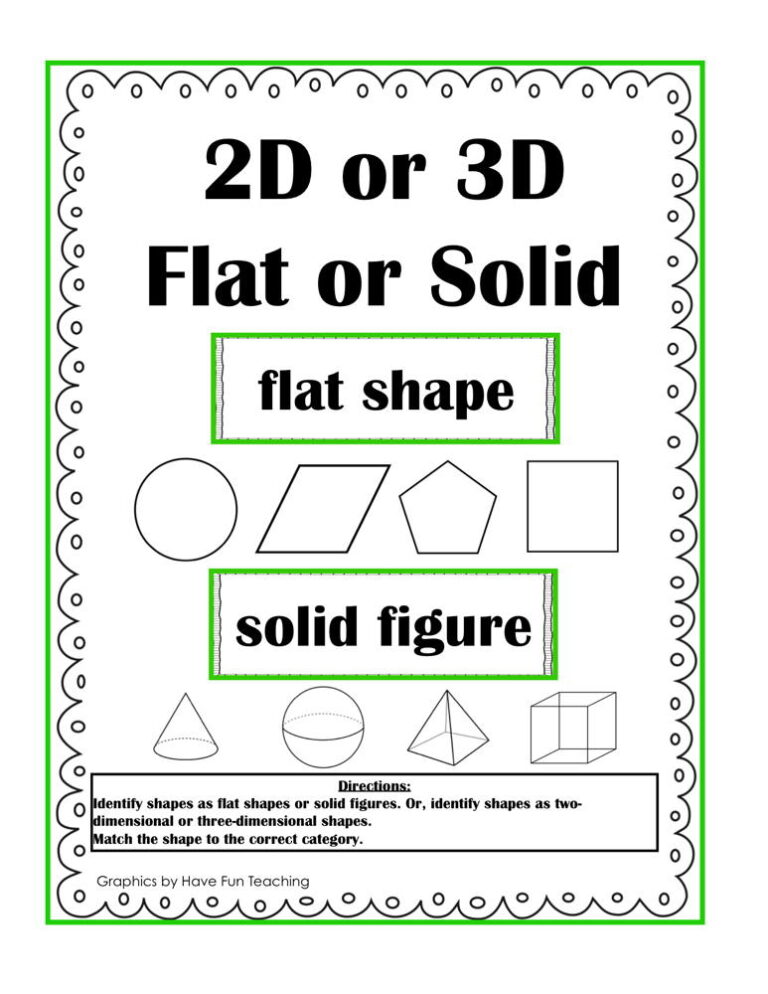
ActivityKindergarten2D 3D Flat Shapes Solid Figures Activity

Children sort shape cards into flat shapes and solid figures in this 2d 3d flat shapes solid figures activity for kindergarten to 2nd grade, with a practice page and answer key included.

Activity
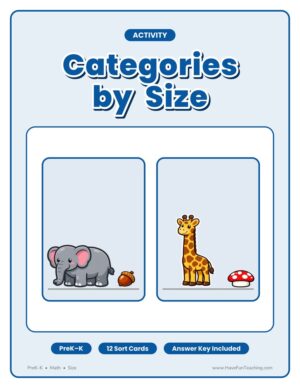
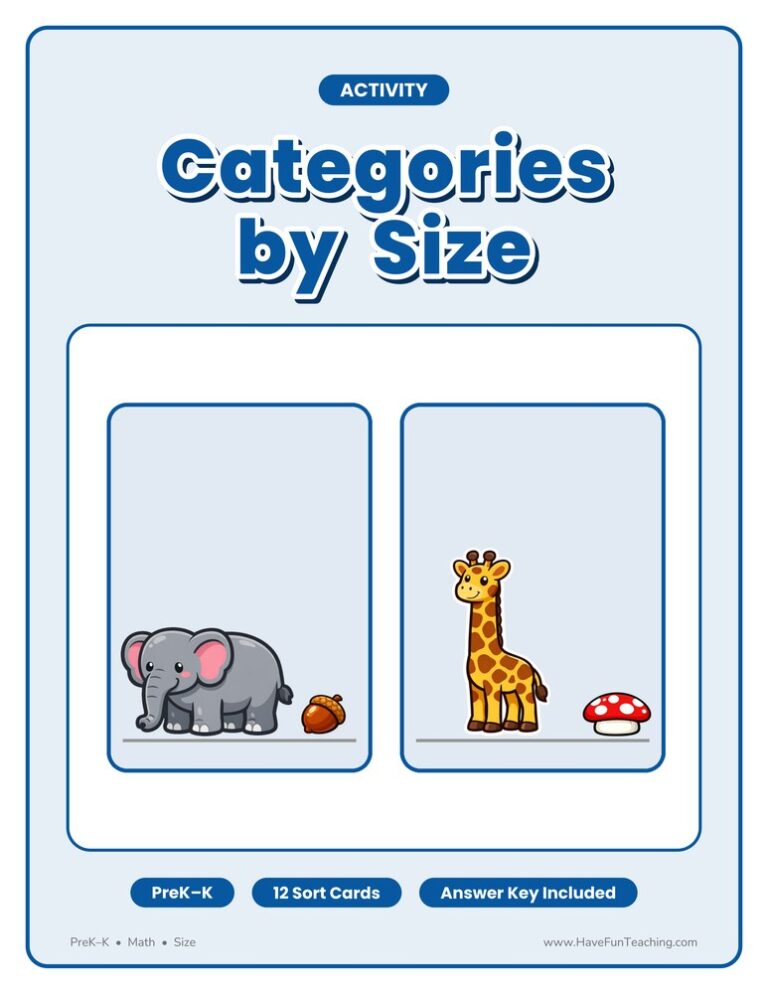
ActivityPreschoolSize Activity

This size activity has Preschool to Kindergarten children sort picture cards into big or small and tall or short on two sorting mats. Answer key included, plus a practice page.

Activity
ActivityKindergartenShort Vowel A Word Sort Activity

This short vowel a word sort activity gives kindergarten and 1st grade readers 24 word cards to sort into the at, an, ap and ag families, plus a sort mat and practice page. Answer key included.

Worksheet
Worksheet3rd GradeWord Attributes Worksheet

This word attributes worksheet has 3rd graders sort twelve describing words into three columns, then name the object each clue describes. Answer key included for quick, no-prep vocabulary practice.

Workbook
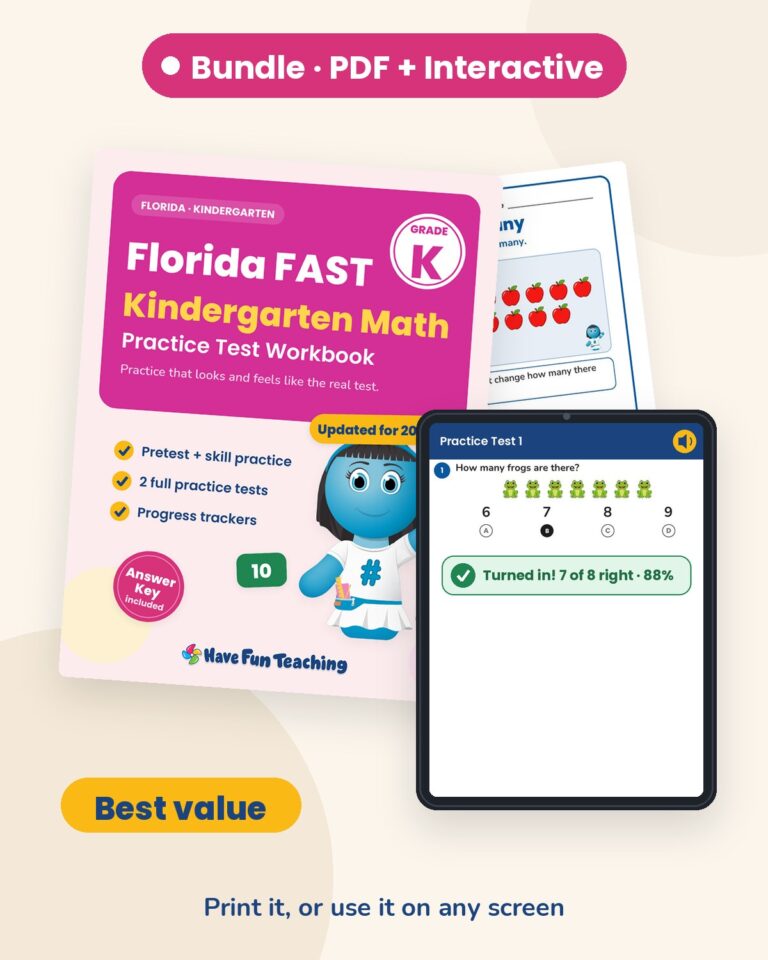
WorkbookKindergartenFlorida FAST Kindergarten Math Practice Test Workbook

A Florida FAST Kindergarten math practice test workbook for teachers, with a pretest, skill practice for all 22 benchmarks, mixed review and 2 full-length practice tests. Answer key included, so test prep is ready to go.

Activity
ActivityPreschoolNumber Matching Activity

This number matching activity helps preschool to 1st grade children count ten-frame pictures and match them to the numbers 1 to 10. A practice page and answer key are included.

Activity
ActivityKindergartenCool Cat Sentences Activity

This cool cat sentences activity has K-2nd Grade children sort telling, asking and exciting sentence cards by their end marks. Answer key included, so practicing punctuation feels like a game.

Activity
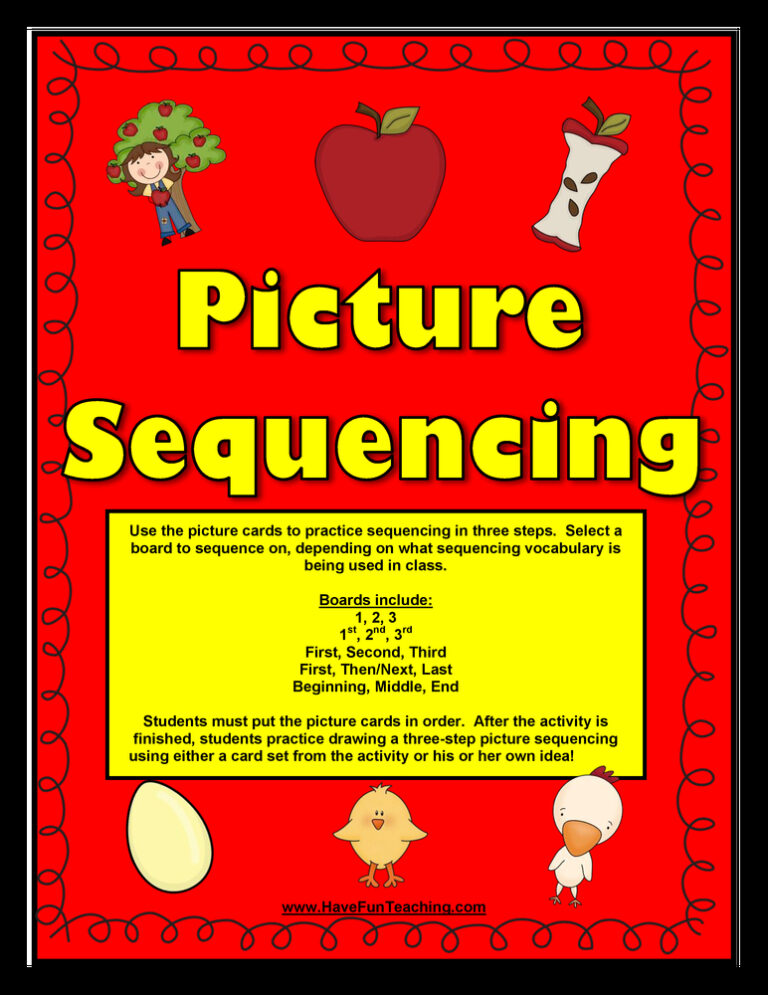
ActivityKindergartenPicture Sequencing Activity

In this picture sequencing activity, Kindergarten to 2nd Grade children put five color sets of cards in order on a First, Next, Last board. Answer key included.

Worksheet
WorksheetPreschoolClassify Count and Sort By Color Worksheet

This Classify Count and Sort By Color Worksheet asks Kindergarten students to sort six colorful pictures into green, red, and yellow boxes, then count each group. An answer key is included, so checking work takes seconds.

Activity
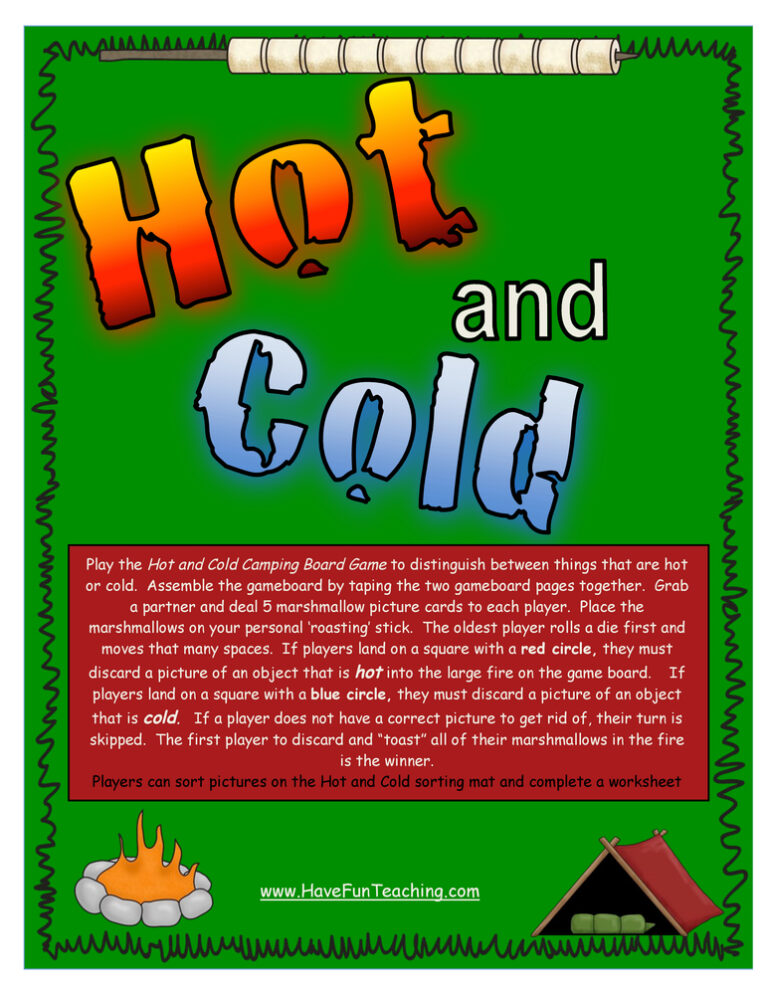
ActivityKindergartenHot and Cold Activity

This hot and cold activity lets children sort 12 picture cards onto a Hot and Cold mat to learn about temperature. For kindergarten to 2nd grade, answer key included.

Worksheet
WorksheetKindergartenMatching Words that Go Together Worksheet

This matching words that go together worksheet gives Kindergarten students five picture-and-word pairs to connect, building early classification and vocabulary skills. An answer key is included, so checking takes seconds.

Activity
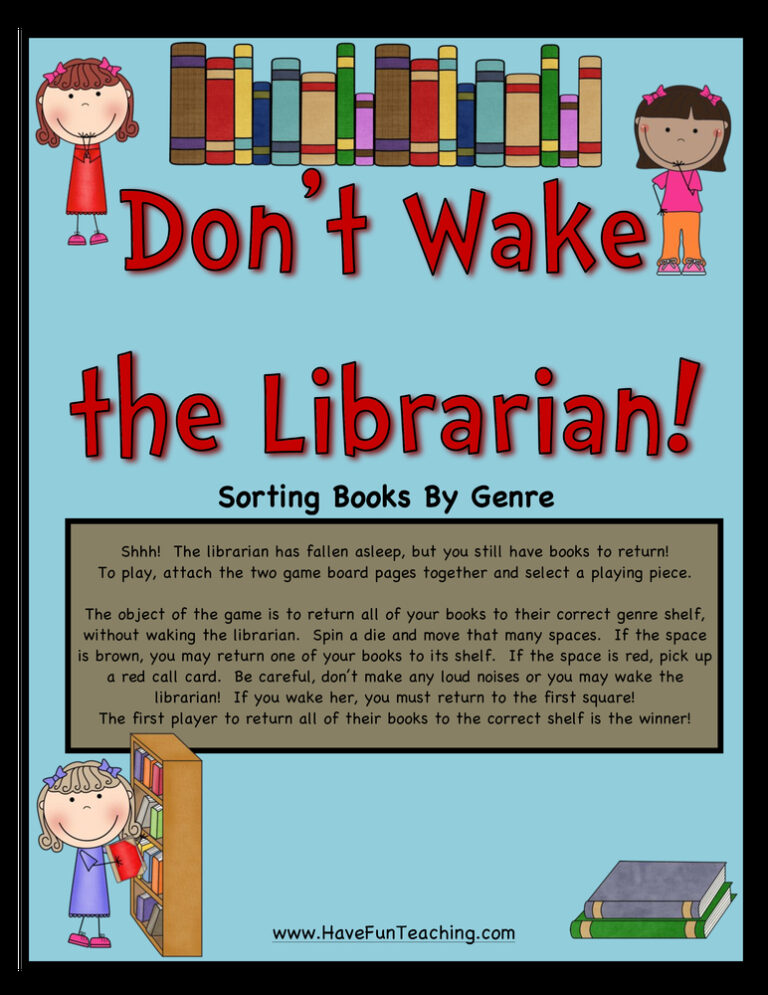
Activity1st GradeDon't Wake the Librarian Sorting Books by Genre Activity

This don't wake the librarian sorting books by genre activity is a quiet board game where 1st to 3rd grade readers sort fiction, nonfiction and poetry books. Answer key included.

Activity
ActivityPreschoolGuess Who Matching Game Activity

UsingGuess Who Matching Game Activity, students take turns asking questions to figure out their partner's mystery person.

Activity
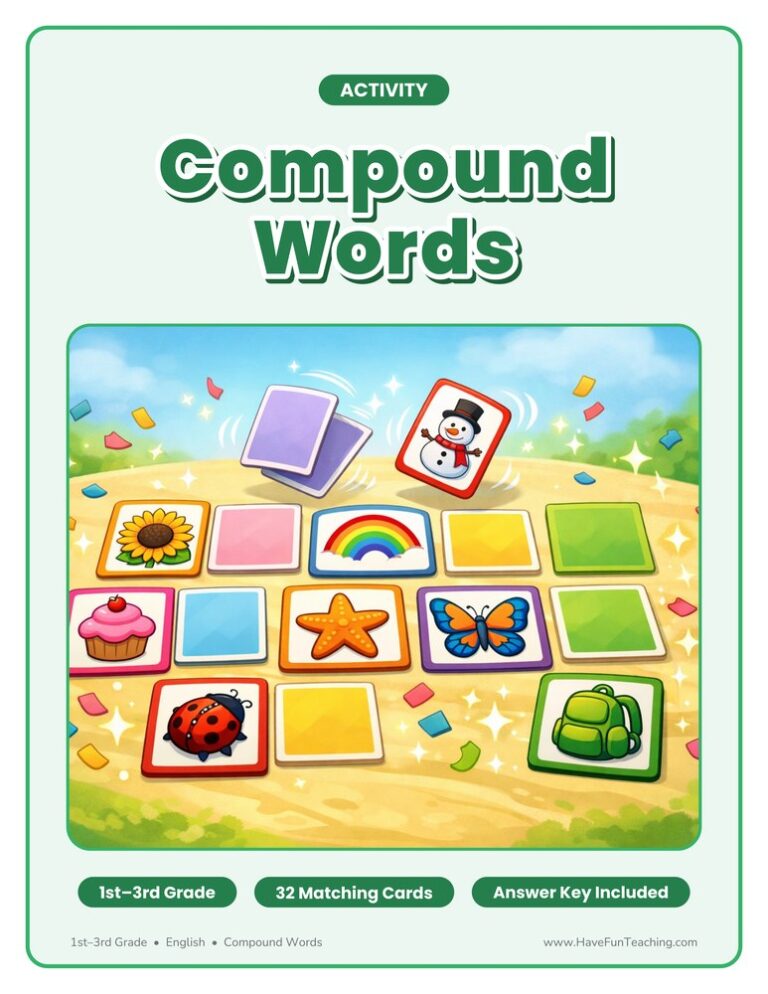
Activity1st GradeCompound Words Activity

A compound words activity where 1st to 3rd grade children match picture cards to word cards and build new words from two small ones. Answer key included for easy checking.

From our teachers' playbook

Same, different, and in between

What do kids learn about sorting?

Sorting is grouping objects by something they share, like color, size, shape or type. It is one of the first math skills kids learn, and it builds the thinking behind counting, data and patterns. Preschoolers sort by one rule, such as all the red bears together. Kindergartners sort, then count how many are in each group: 5 red, 3 blue, 2 yellow. Later, kids sort by two attributes, like big red shapes, and use sorting to compare groups and make graphs. The key idea is choosing a rule and sticking to it.

How we teach sorting

Sorting is hands-on by nature. These moves turn everyday objects into math.

Sort, count, compare

Give kids a cup of mixed buttons or counters. They sort by color, count each group, then tell which group has the most and the fewest. Adding the counting step turns a simple sort into a real math lesson.

Why it works: going from real objects to pictures to symbols is a core recommendation of the U.S. Department of Education's elementary math guide.

Sort Classify and Count WorksheetTry it withSort Classify and Count WorksheetWorksheetsOpen it →

Guess my rule

Sort a few objects in front of the class without saying the rule. Kids guess what the groups have in common. Then they make their own sorts for a partner to guess. It builds reasoning and vocabulary like same, different and attribute.

Why it works: showing first, practicing together, then letting kids try alone is the "gradual release" model teachers have relied on for decades (Pearson and Gallagher, 1983).

Categorizing Objects WorksheetTry it withCategorizing Objects WorksheetWorksheetsOpen it →

Shape sort

Mix flat shapes and solid figures and let kids sort them by sides, corners or whether they roll. Asking "Why does this one go here?" is where the learning happens.

Why it works: playful practice with a clear goal keeps kids practicing longer, and simple learning games have been shown to build real skills (Ramani and Siegler, 2008).

2D 3D Flat Shapes Solid Figures ActivityTry it with2D 3D Flat Shapes Solid Figures ActivityActivitiesOpen it →

Sorting questions

What is sorting in math?

Sorting is putting objects into groups based on what they have in common, like color, shape or size. It is an early math skill that builds counting and data skills.

At what age can kids sort objects?

Many toddlers begin sorting by one feature around age 2 or 3. By kindergarten, most can sort, count and compare groups.

What is the difference between sorting and classifying?

They are very similar. Sorting usually means putting things in groups, and classifying often means grouping by a specific rule or category.

How can I practice sorting at home?

Sort laundry by color, silverware by type or toys by size. Ask your child to explain their rule.

Keep exploring