Skip to content
Start My 3 Free Days $0 today · cancel anytime

Kindergarten Anatomy Resources

8 kindergarten anatomy resources: 6 worksheets, 2 songs and 1 video. How teachers use these

Kindergarten Anatomy Resources

8 kindergarten anatomy resources: 6 worksheets, 2 songs and 1 video. How teachers use these

Video
VideoKindergartenParts of the Body Song (Animated Music Video)

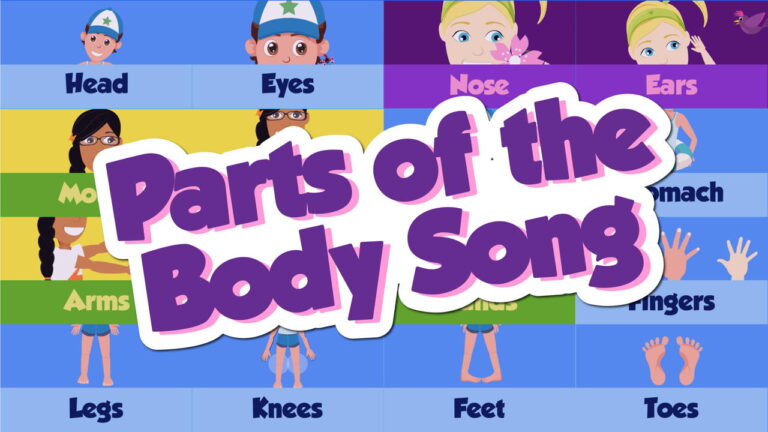
While Parts of the Body Song (Animated Music Video), students learn about the different parts of the body while listening to catchy lyrics.

Worksheet
WorksheetKindergartenSenses Sight Worksheet

This senses sight worksheet asks kindergarten students to circle the objects that help their eyes see, then color four shapes. An answer key is included, so children learn what sight tells them about the world.

Song
SongKindergartenParts of the Body Song (MP3)

While Parts of the Body Song (MP3), students learn about the different parts of the body while listening to catchy lyrics.

Worksheet
WorksheetKindergartenSenses Taste Worksheet

This Senses Taste Worksheet asks Kindergarten students to circle the things they can taste and color four shapes, with an answer key included, so the sense of taste becomes a rule a young child can use.

Worksheet
WorksheetKindergartenSenses Writing Worksheet

This senses writing worksheet has Kindergarten students look at five body parts and write the sense word that matches each one. Answer key included — an easy, no-prep way to build five senses vocabulary and handwriting at once.

Worksheet
WorksheetKindergartenFish Parts Worksheet

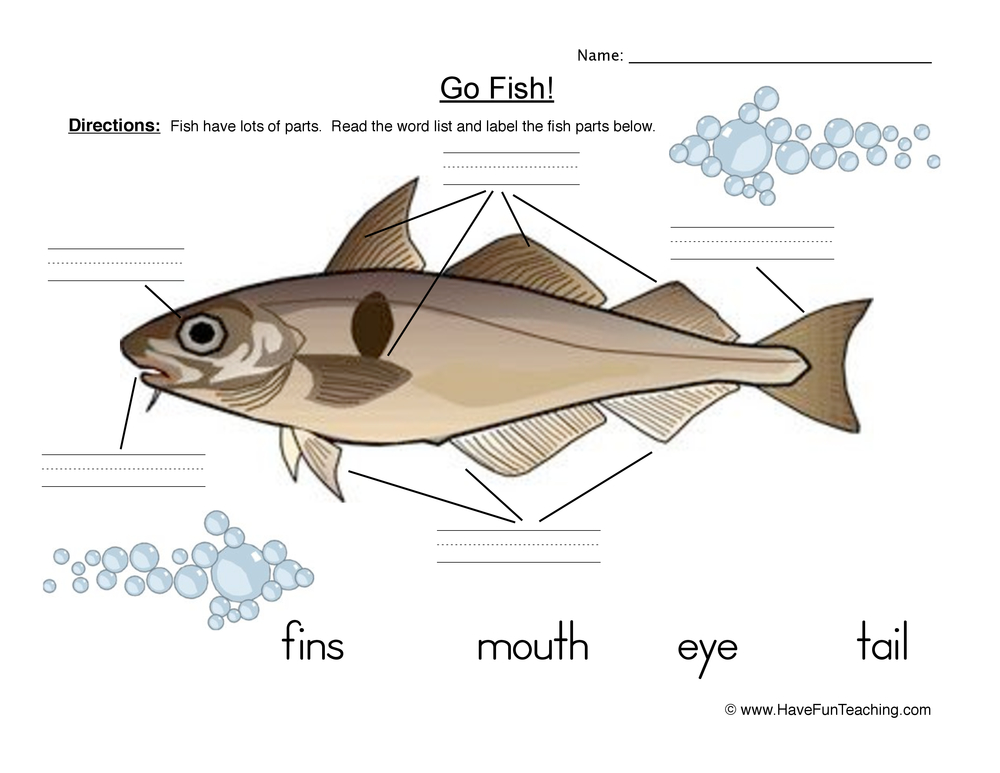
This Fish Parts Worksheet has kindergarten students label the eye, fin, mouth, and tail on a big numbered fish using a word box. An answer key is included for fast, easy checking.

Worksheet
WorksheetKindergartenBasic Fish Parts Worksheet

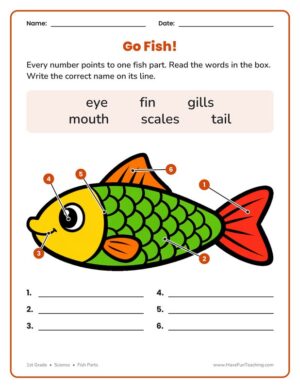
This Basic Fish Parts Worksheet asks 1st graders to label six numbered parts on a big, friendly fish using a word box. An answer key is included, so science practice takes no prep at all.

Worksheet
WorksheetKindergartenSenses Draw and Write Worksheet

This senses draw and write worksheet has kindergarten students draw something they see, hear, smell, and taste, then finish a sentence about touch to practice early science writing.

From our teachers' playbook

Head, shoulders, knees and science

What do kindergartners learn about anatomy?

Kindergarten anatomy is all about getting to know our own bodies. Kids name the main body parts, from head and shoulders to elbows and ankles, and connect them to what they do. They learn the five senses and the body part for each: eyes → see, tongue → taste. They also look at simple animal bodies, like a fish's fins and gills. The aha moment is when a child realizes, "My nose helps me taste too!"

Our favorite ways to teach anatomy

Five-year-olds learn their bodies best by moving them.

Sing and point

Play the Parts of the Body animated song and have kids touch each part as they hear it. Speed it up the second time for giggles. Moving while naming builds the vocabulary fast.

Why it works: a catchy, repeating tune gives the brain a hook to hang words on, so sung text is remembered better (Wallace, 1994).

Parts of the Body Song (Animated Music Video)Try it withParts of the Body Song (Animated Music Video)SongsOpen it →

Senses detectives

Set up a tasting station with something sweet, sour and salty, then have kids record what they tasted on the senses worksheet. Real experiences make each sense click.

Why it works: the U.S. Department of Education's guide for teaching elementary math recommends moving from hands-on objects to drawings to numbers.

Senses Taste WorksheetTry it withSenses Taste WorksheetWorksheetsOpen it →

Fish body parts

Show a picture of a fish and point out the fins, tail, gills and scales. Kids label them on the basic fish parts worksheet. Comparing a fish to our own bodies sparks great questions.

Why it works: children learn more from words and pictures together than from words alone (Mayer, 2009).

Basic Fish Parts WorksheetTry it withBasic Fish Parts WorksheetWorksheetsOpen it →

Questions teachers and parents ask about anatomy

What body parts should kindergartners know?

Kindergartners usually learn the head, eyes, ears, nose, mouth, shoulders, arms, elbows, hands, legs, knees and feet. Songs make these easy to remember.

How do I teach the five senses?

Give each sense its own day with a hands-on activity: taste tests, sound guessing, feely bags, smell jars and I Spy. Kids connect each sense to its body part.

Is anatomy too hard for kindergarten?

Not at all! At this age it simply means naming body parts and what they do. Kids love learning about their own bodies.

How can I teach body parts at home?

Play Simon Says with body parts, or sing a body song while getting dressed. Naming parts during bath time works great too.