Skip to content
Start My 3 Free Days $0 today · cancel anytime

Letter Recognition Worksheets

61 letter recognition worksheets. Teacher favorites: Alphabet Letter Recognition Assessment and Alphabet Stories Letter A Reading Comprehension Worksheet. How teachers use these

Letter Recognition Worksheets

61 letter recognition worksheets. Teacher favorites: Alphabet Letter Recognition Assessment and Alphabet Stories Letter A Reading Comprehension Worksheet. How teachers use these

Worksheet
WorksheetKindergartenAlphabet Letter Recognition Assessment

This alphabet letter recognition assessment helps kindergarten teachers quickly check which uppercase and lowercase letters a child can name. Includes a complete A-to-Z answer key for fast, low-prep progress checks.

Worksheet
WorksheetKindergartenAlphabet Stories Letter A Reading Comprehension Worksheet

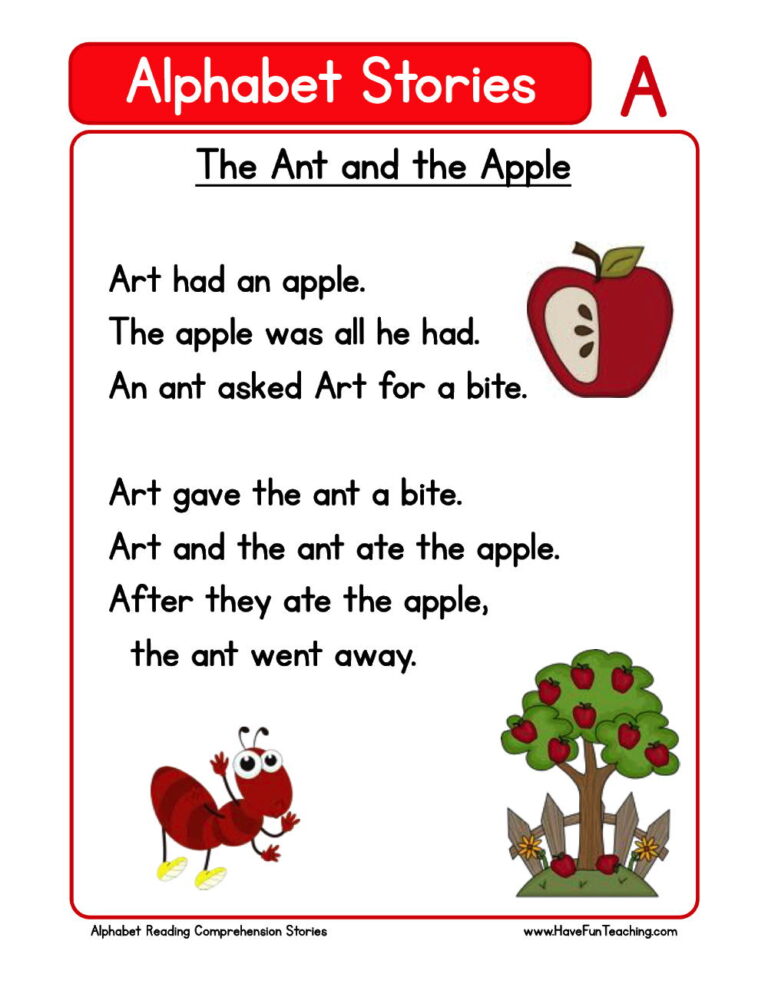
This free Alphabet Stories Letter A Reading Comprehension Worksheet pairs a short letter A story with fill-in-the-bubble questions for kindergarten readers. Includes an answer key — a fun, no-prep way to practice phonics and comprehension.

Worksheet
Worksheet1st GradeAlphabet Stories Letter B Reading Comprehension Worksheet

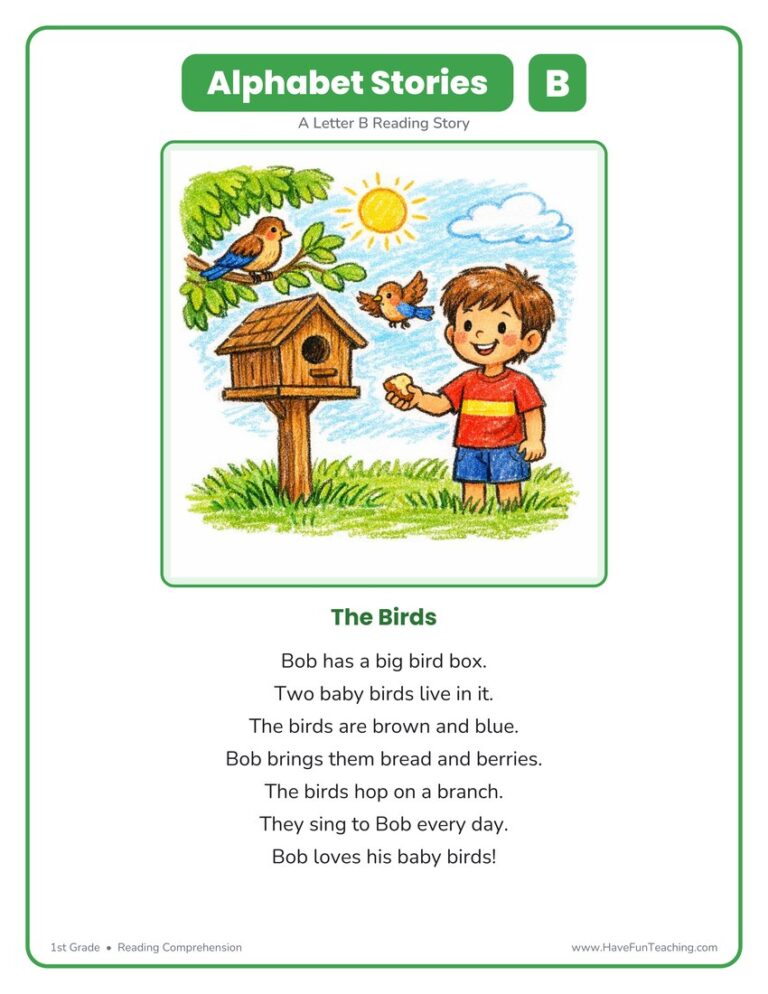
A first grade Alphabet Stories Letter B Reading Comprehension Worksheet built around a short story about Bob and his birds. Includes an answer key — perfect for no-prep letter B reading practice at home or school.

Worksheet
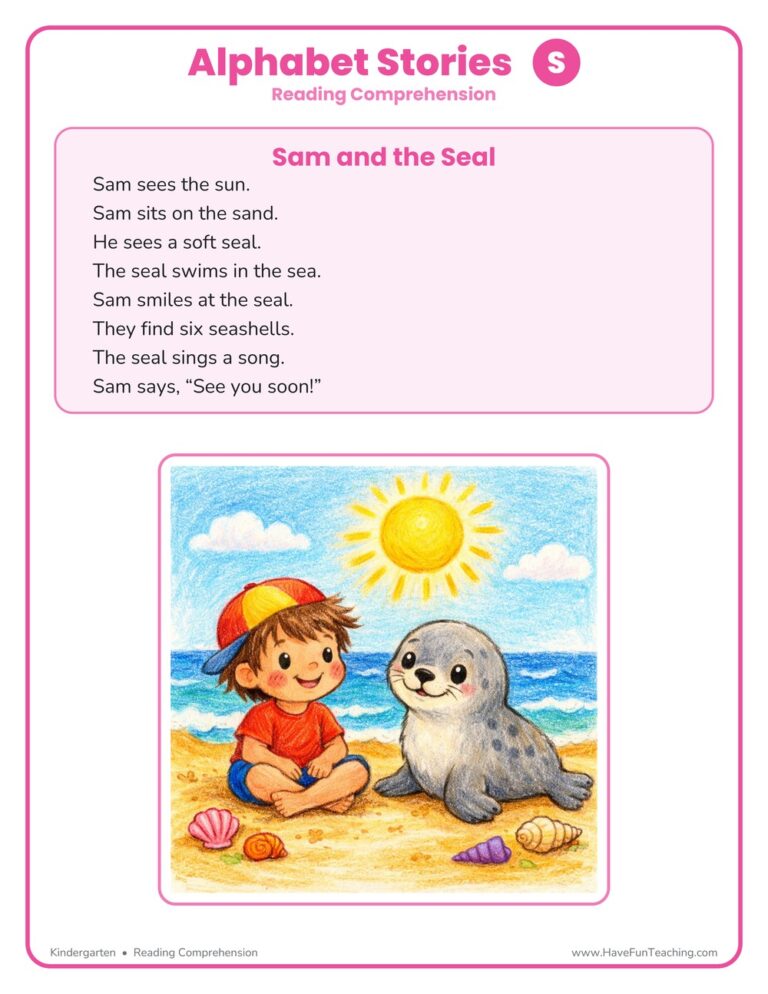
WorksheetKindergartenAlphabet Stories Letter S Reading Comprehension Worksheet

The Alphabet Stories Letter S Reading Comprehension Worksheet gives Kindergarten readers a fun beach story full of the /s/ sound plus five comprehension questions. Answer key included for quick, no-prep Letter S practice.

Worksheet
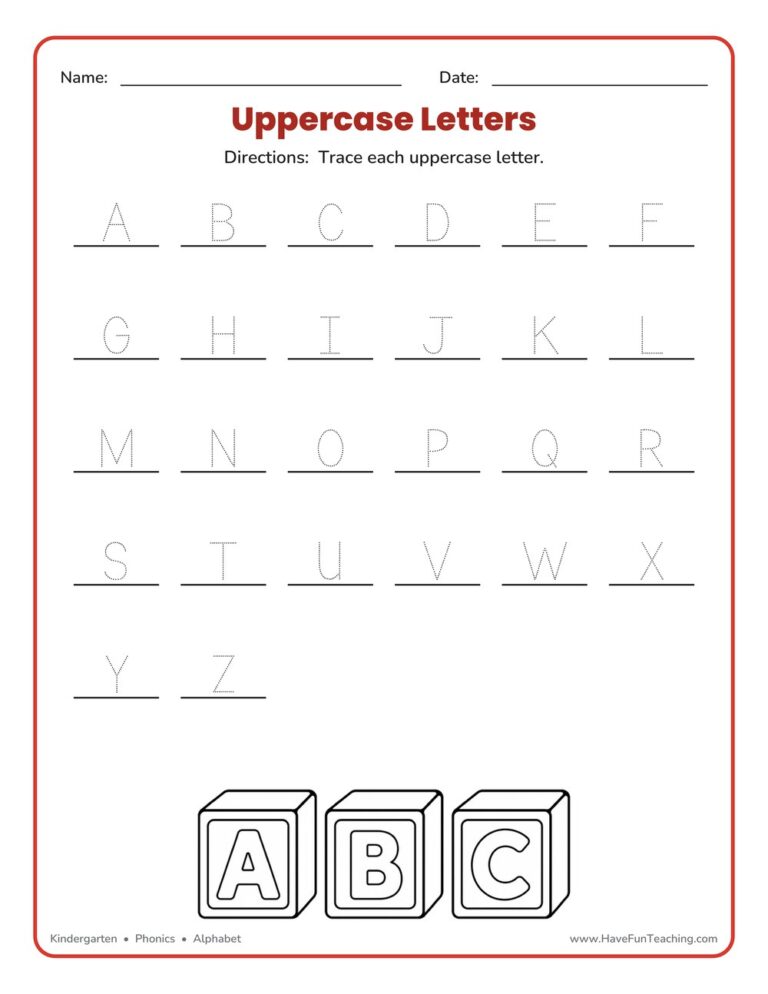
WorksheetKindergartenUppercase Letters Writing Worksheet

This uppercase letters writing worksheet lets kindergarteners trace all 26 capital letters A–Z on clean handwriting lines. Includes an answer key and a fun ABC coloring picture—perfect for no-prep alphabet handwriting practice.

Worksheet
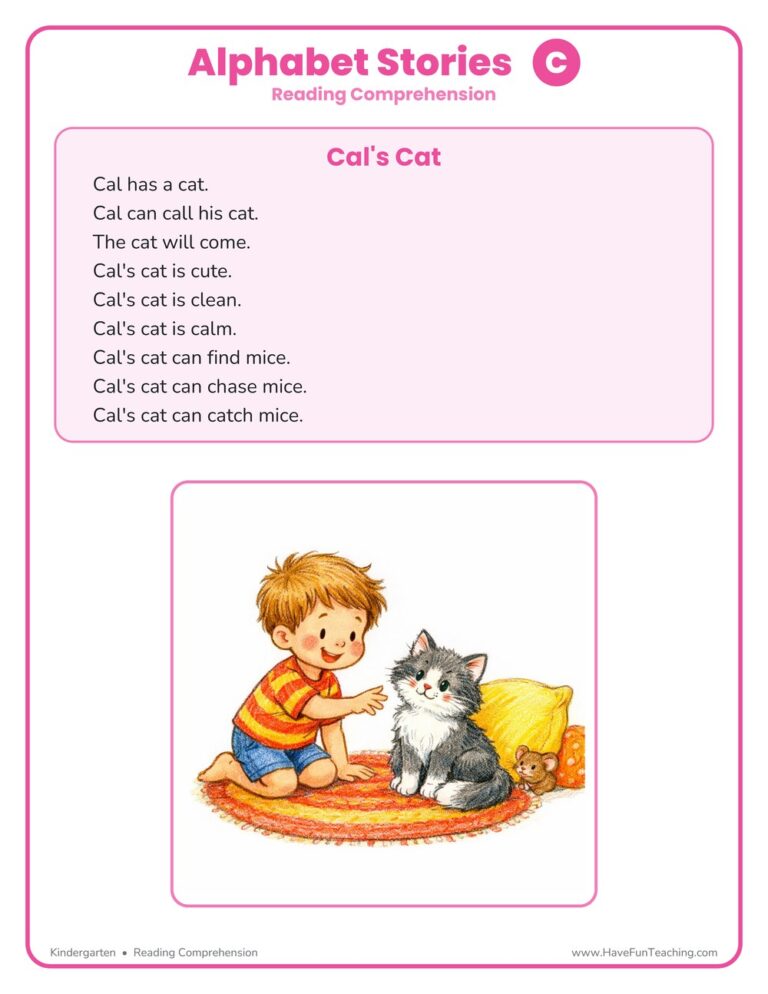
WorksheetKindergartenAlphabet Stories Letter C Reading Comprehension Worksheet

The Alphabet Stories Letter C Reading Comprehension Worksheet lets Kindergarten readers enjoy the short story “Cal’s Cat” and answer five picture-supported questions. Answer key included — a no-prep way to build early reading and phonics skills.

Worksheet
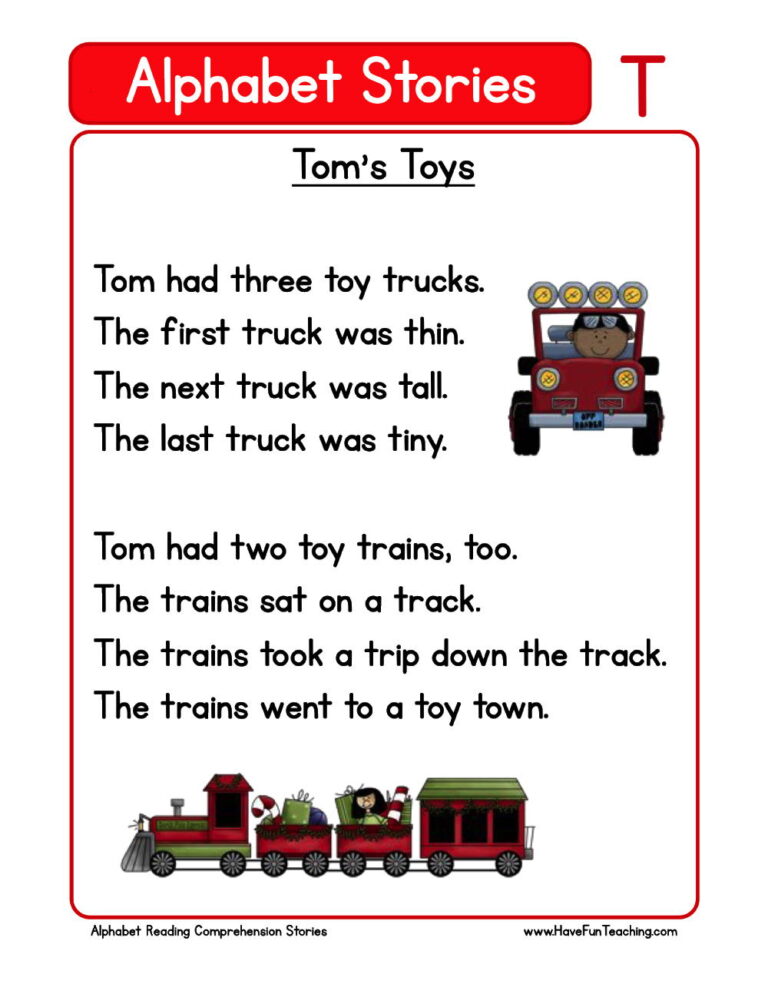
WorksheetKindergartenAlphabet Stories Letter T Reading Comprehension Worksheet

The Alphabet Stories Letter T Reading Comprehension Worksheet gives kindergarten readers a short, decodable story about Tom's toys with five fill-in-the-bubble questions. Answer key included — a no-prep way to practice the letter T and early comprehension.

Worksheet
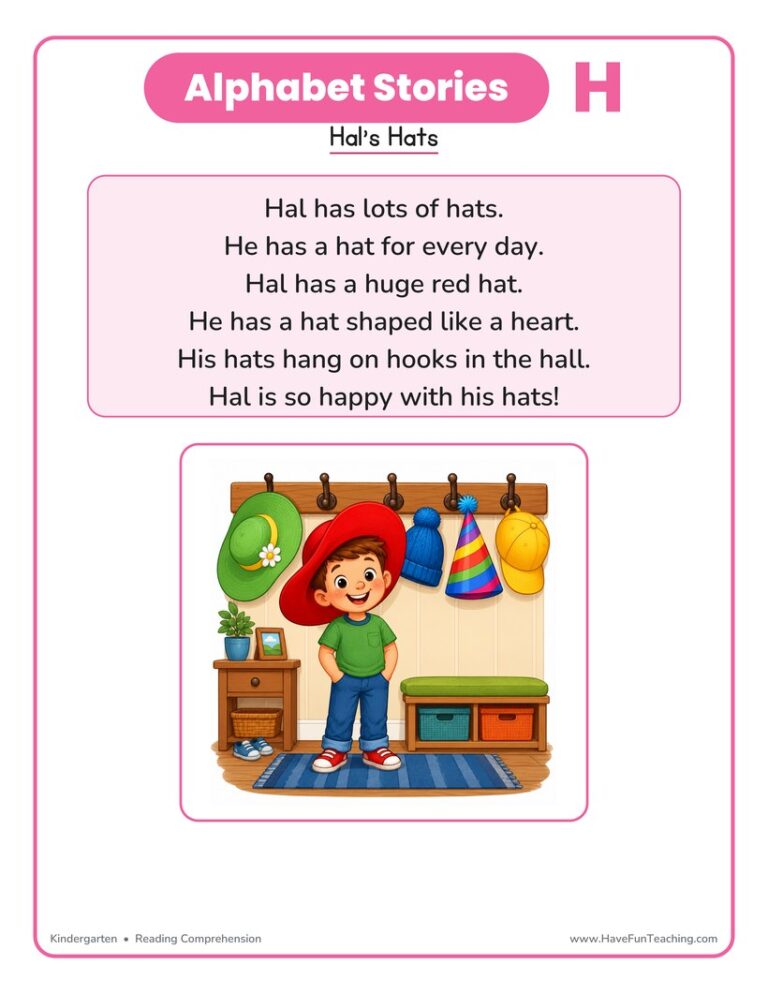
WorksheetKindergartenAlphabet Stories Letter H Reading Comprehension Worksheet

The Alphabet Stories Letter H Reading Comprehension Worksheet gives Kindergarten readers a playful “Hal’s Hats” story full of letter-H words plus five comprehension questions. Answer key included — a fun, no-prep way to build early reading and phonics skills.

Worksheet
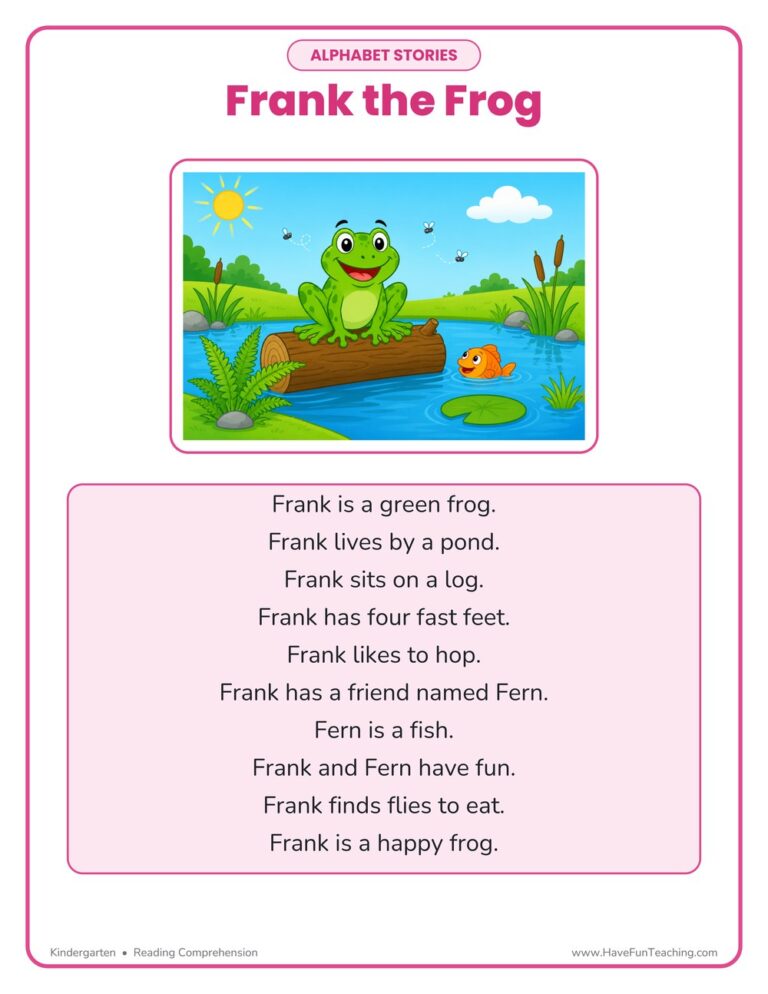
WorksheetKindergartenAlphabet Stories Letter F Reading Comprehension Worksheet

This Alphabet Stories Letter F Reading Comprehension Worksheet gives kindergarten readers a short Frank the Frog story and five picture-supported questions, with an answer key included, so they build letter F skills and reading confidence together.

Worksheet
WorksheetKindergartenAlphabet Stories Letter D Reading Comprehension Worksheet

The Alphabet Stories Letter D Reading Comprehension Worksheet gives kindergarten readers a short Letter D story with five questions and an answer key, building early reading confidence one letter sound at a time.

Worksheet
Worksheet1st GradeStarts With SH Reading Comprehension Worksheet

This Starts With SH Reading Comprehension Worksheet gives 1st graders a short beach story full of sh words plus five bubble-in questions. An answer key is included, so phonics practice and reading comprehension happen in one no-prep activity.

Worksheet
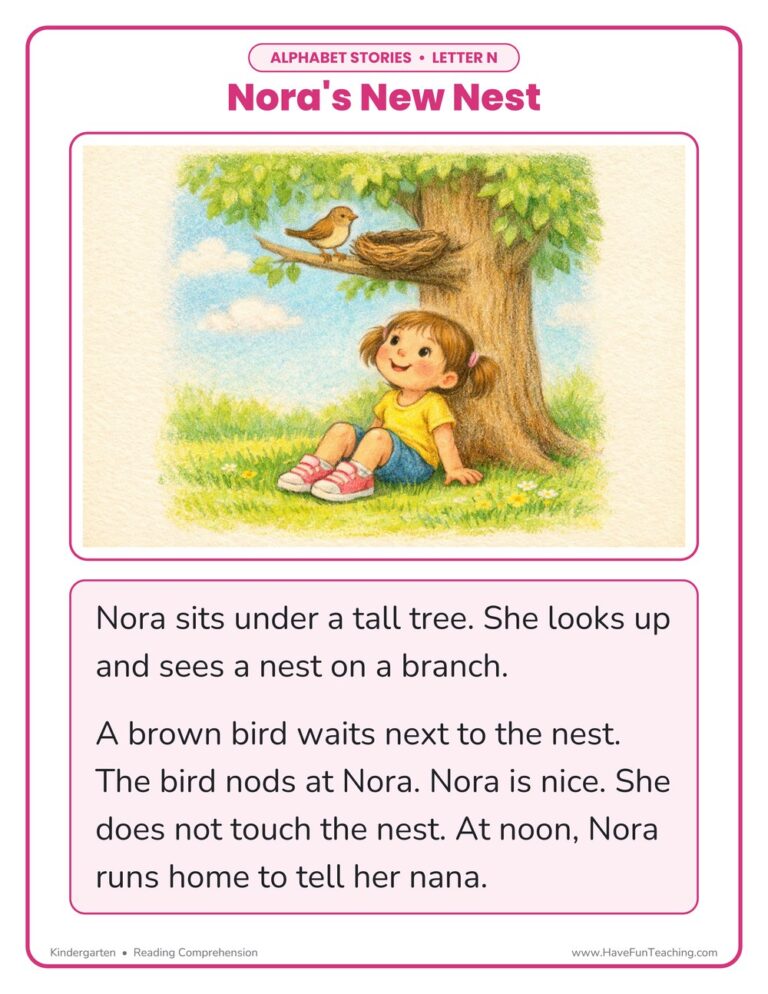
WorksheetKindergartenAlphabet Stories Letter N Reading Comprehension Worksheet

This Alphabet Stories Letter N Reading Comprehension Worksheet gives kindergarten readers a short N-sound story plus five bubble-answer questions, answer key included, so phonics and comprehension grow together.

Worksheet
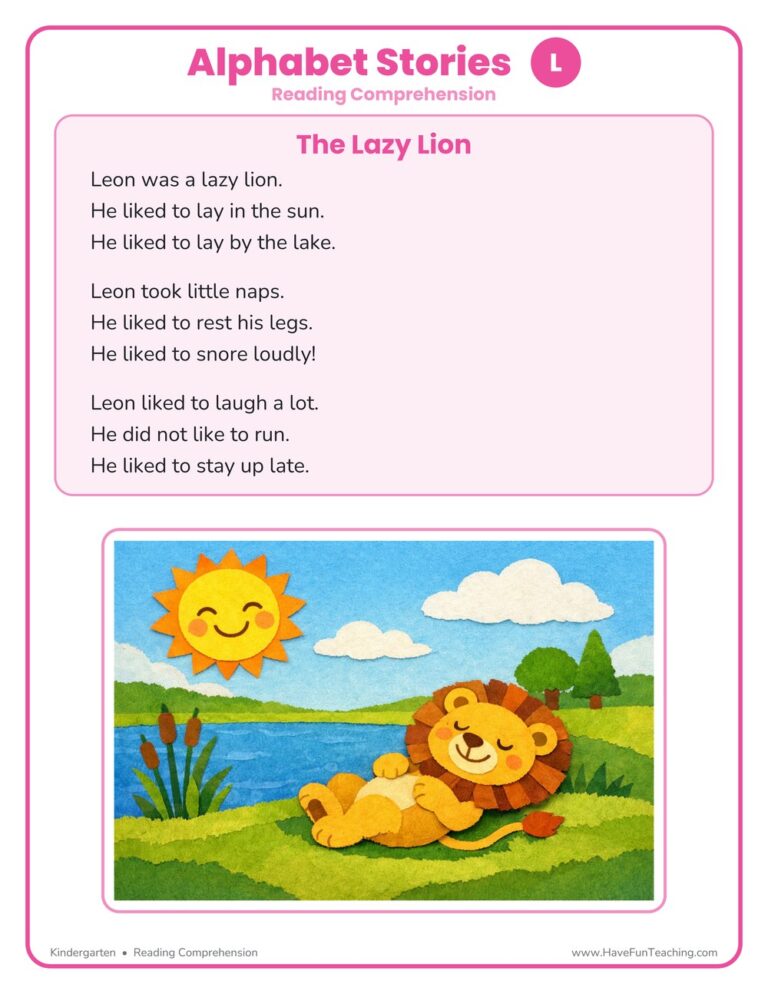
WorksheetKindergartenAlphabet Stories Letter L Reading Comprehension Worksheet

This Alphabet Stories Letter L Reading Comprehension Worksheet gives Kindergarten readers a short L-sound story and five picture-friendly questions. Answer key included to build early reading confidence.

Worksheet
Worksheet1st GradeDavey and the Cheese Phonics Reading Comprehension Story Worksheet - Long Vowel E Sound

The Davey and the Cheese Phonics Reading Comprehension Story Worksheet - Long Vowel E Sound gives 1st graders a silly long E story and comprehension questions. An answer key is included for quick, no-prep phonics practice.

Worksheet
WorksheetKindergartenAlphabet Stories Letter Y Reading Comprehension Worksheet

The Alphabet Stories Letter Y Reading Comprehension Worksheet gives Kindergarten readers a short, decodable Y story with five fill-in-the-bubble questions and a complete answer key — a quick, no-prep way to build letter recognition and early comprehension.

Worksheet
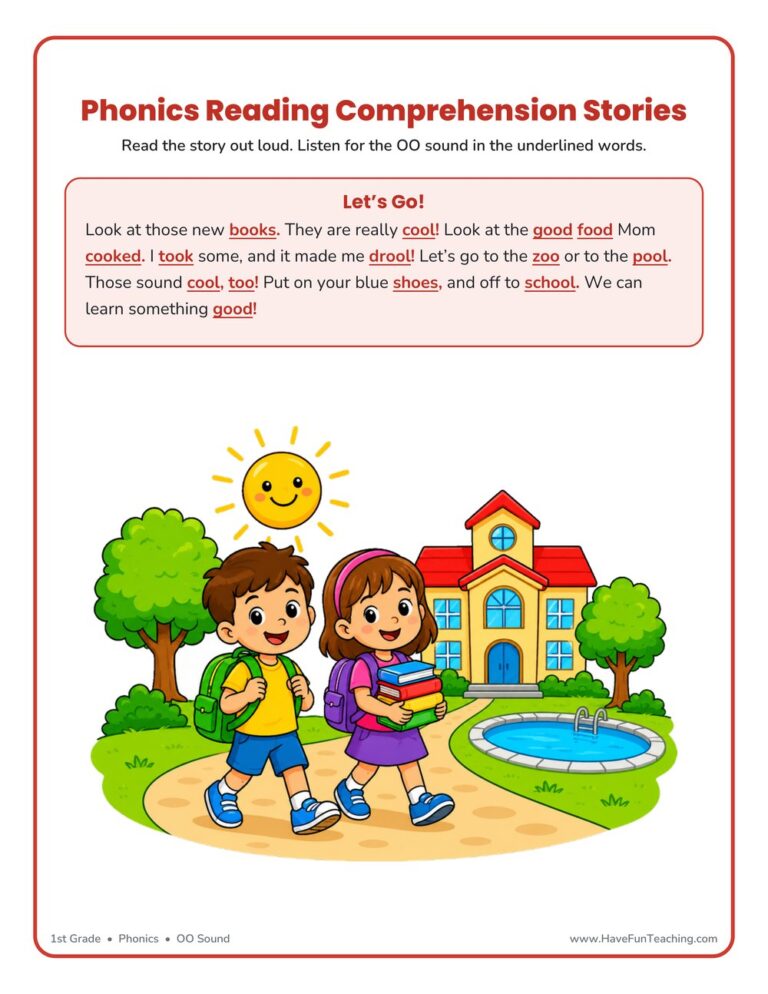
Worksheet1st GradeLet's Go Phonics Reading Comprehension Story Worksheet - OO Sound

An OO sound phonics worksheet that pairs a fun “Let’s Go!” story with five comprehension questions for 1st graders. Kids read, spot OO words like zoo and pool, then answer. Answer key included — perfect for no-prep phonics practice.

Worksheet
Worksheet1st GradeThe Loud Cow Phonics Reading Comprehension Story Worksheet - OW Sound

An OW sound reading comprehension worksheet that helps 1st graders read and understand ow and ou words through a silly story about a loud cow. Includes a complete answer key for quick, no-prep phonics practice.

Worksheet
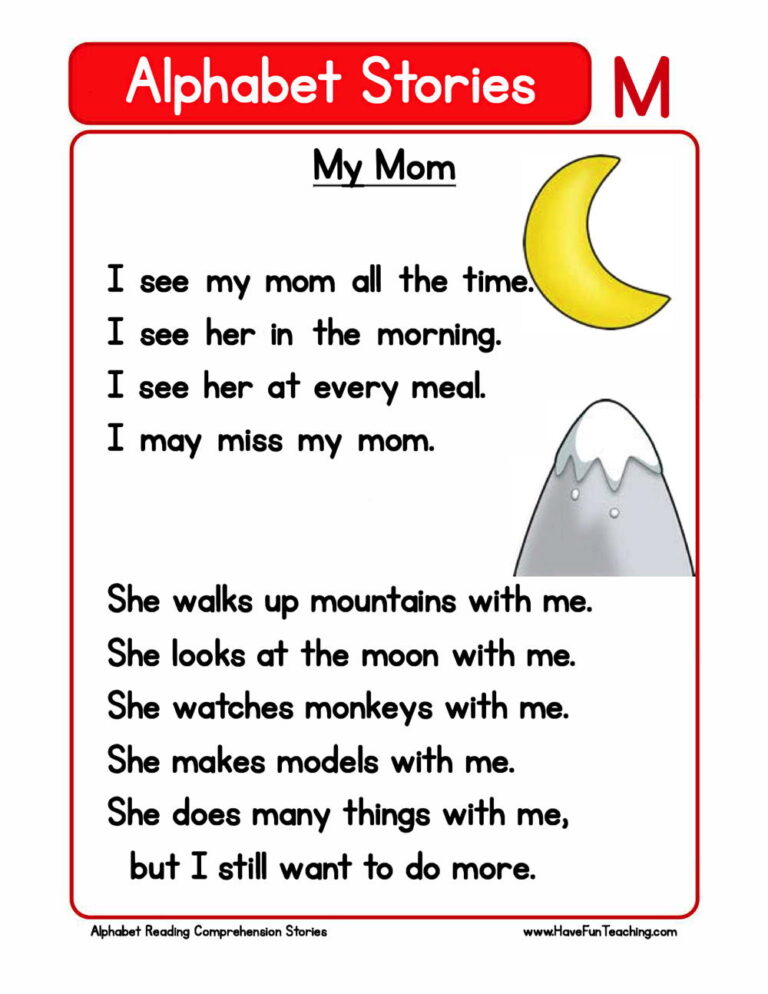
WorksheetKindergartenAlphabet Stories Letter M Reading Comprehension Worksheet

The Alphabet Stories Letter M Reading Comprehension Worksheet gives kindergarten readers a short letter-M story with fill-in-the-bubble questions. Includes an answer key for quick, no-prep beginning-sounds and comprehension practice.

Worksheet
WorksheetKindergartenAlphabet Stories Letter J Reading Comprehension Worksheet

Build early reading comprehension with the Alphabet Stories Letter J Reading Comprehension Worksheet. Kindergarten readers enjoy a short letter J story, then answer five fill-in-the-bubble questions. An answer key is included, so checking work takes seconds.

Worksheet
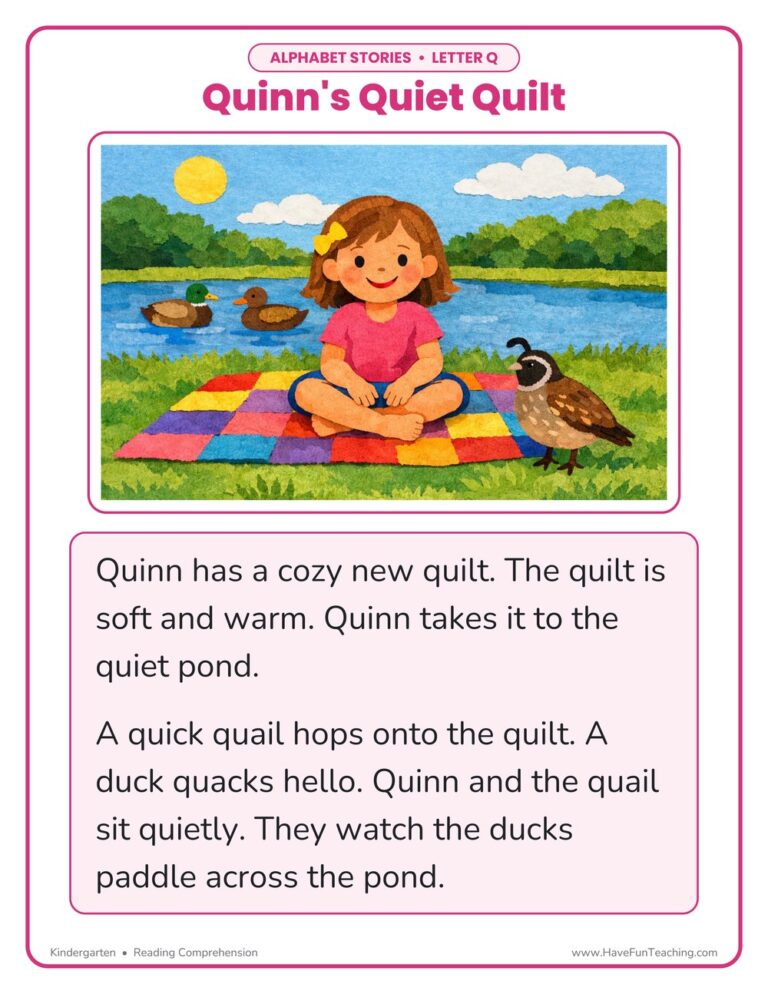
WorksheetKindergartenAlphabet Stories Letter Q Reading Comprehension Worksheet

Read a playful letter Q story and answer five picture-supported questions with this Alphabet Stories Letter Q Reading Comprehension Worksheet. Built for Kindergarten, answer key included, and perfect for building early reading confidence.

From our teachers' playbook

A, B, C and all their friends

What do kids learn about letter recognition?

Letter recognition means seeing a letter and knowing its name right away, whether it's capital or lowercase. Kids learn the 26 capital letters first, then the trickier lowercase ones like b, d, p and q that look like mirror images. Once they can name letters fast, they match each one to its sound. Most kids learn letters in preschool and kindergarten, and a quick, automatic name is a big step toward reading. The click moment is when a child spots the first letter of their own name on a sign.

How we teach letter recognition

Letters stick with a mix of seeing, hearing and playing. These are the moves we use every day.

Check, then target

Do a quick letter check at the start of the year to see which letters each child knows. Then focus practice only on the ones they're missing. Kids feel proud of what they know and you don't waste time on the rest.

Why it works: researchers who compared ten study methods found practice testing is one of the two that work best (Dunlosky and colleagues, 2013).

Alphabet Letter Recognition AssessmentTry it withAlphabet Letter Recognition AssessmentWorksheetsOpen it →

Sing the whole alphabet

Sing the alphabet song while pointing to each letter on a chart. Then slow it down so "L-M-N-O-P" doesn't blur into one sound. Kids start to see that each letter is separate.

Why it works: words set to a repeating melody are easier to recall than the same words spoken (Wallace, 1994).

Alphabet Song (Original Music Video)Try it withAlphabet Song (Original Music Video)VideosOpen it →

Color-coded letters

Use colorful alphabet flash cards and flip them in a different order every day. Kids call out the name and the sound. A few minutes a day builds the fast, automatic recognition they need for reading.

Why it works: teaching letter sounds directly and in order is one of the best-supported findings in reading research (National Reading Panel, 2000).

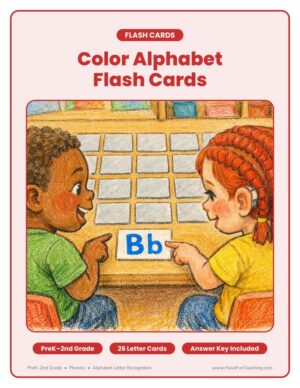
Color Alphabet Flash CardsTry it withColor Alphabet Flash CardsFlash CardsOpen it →

Letter recognition questions from teachers and parents

What age should a child recognize letters?

Many children know some letters by age 3 or 4, and most know all 26 by the end of kindergarten. Every child learns at their own pace.

Should I teach capital or lowercase letters first?

Most teachers start with capitals because they're easier to tell apart. Lowercase letters come soon after, since they show up most in books.

How do I help my child with b and d?

Teach a trick: make a "bed" with your hands, with the b on the left and d on the right. Practice them on different days so they don't get mixed up.

How many letters should a child learn per week?

Many classrooms teach one or two letters a week, but quick daily review of all letters works well too. Focus on letters the child hasn't learned yet.