
Skip to content
Start My 3 Free Days $0 today · cancel anytime

Fantasy and Realism Resources

4 fantasy and realism resources: 4 worksheets, 1 assessment and 1 graphic organizer. How teachers use these

Fantasy and Realism Resources

4 fantasy and realism resources: 4 worksheets, 1 assessment and 1 graphic organizer. How teachers use these

Worksheet
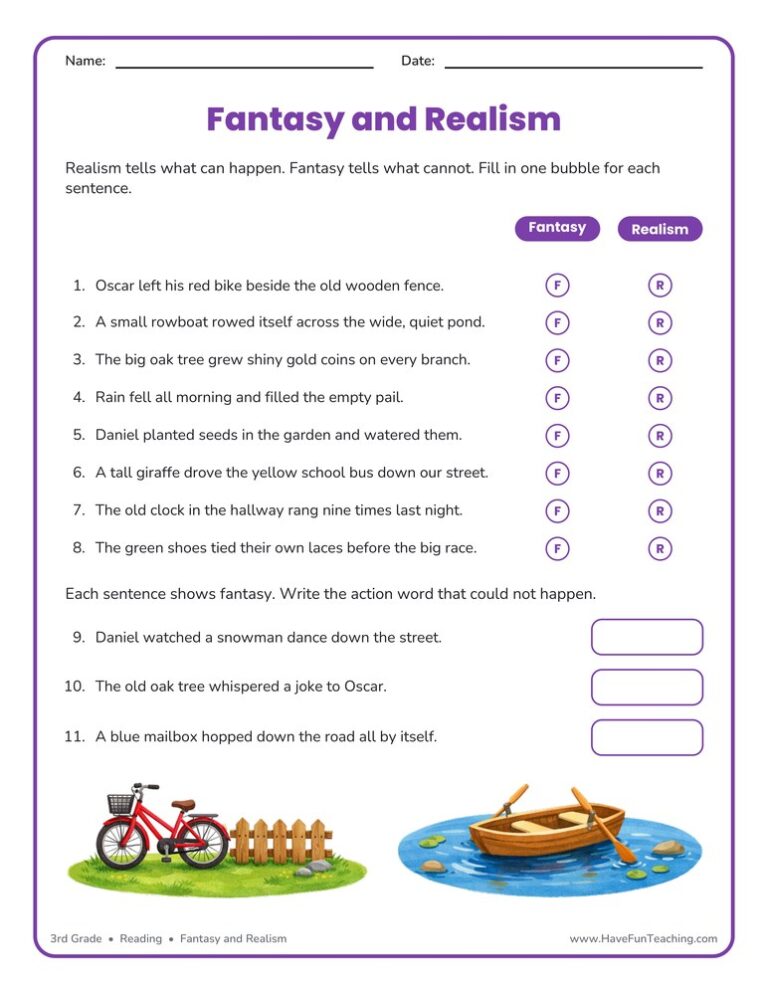
Worksheet3rd GradeIdentifying Fantasy and Realism Worksheet

The Identifying Fantasy and Realism Worksheet has 3rd graders sort eleven sentences into real and not real, then write the word that could not happen. An answer key is included for quick checking.

Assessment
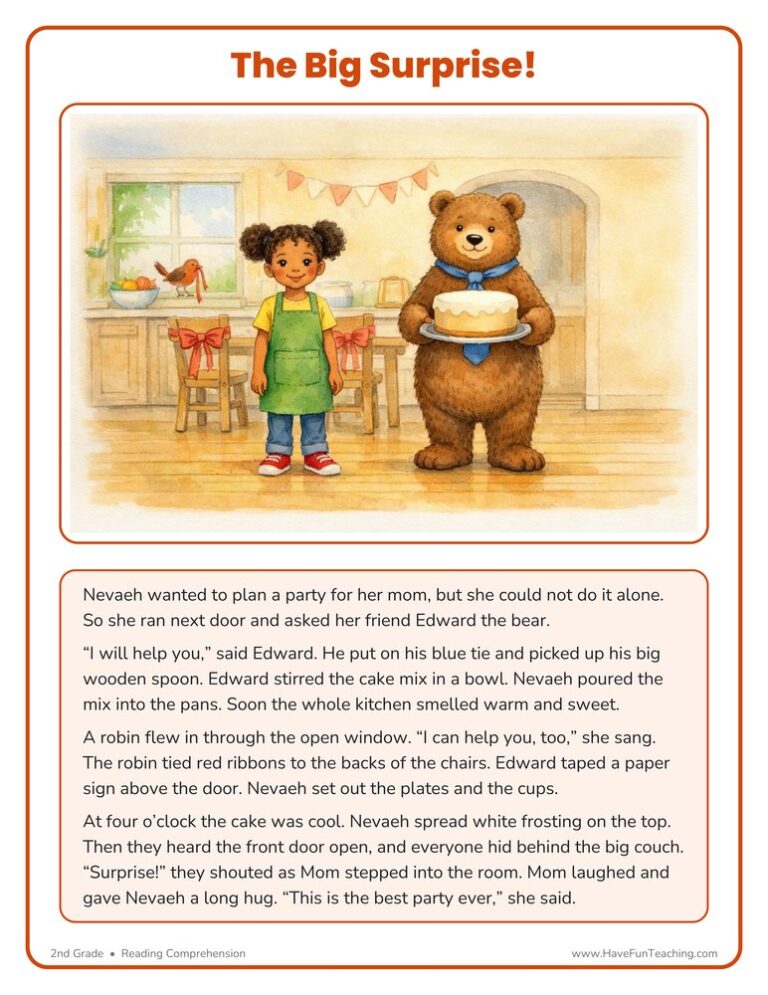
Assessment2nd GradeFantasy and Reality Reading Comprehension Worksheet

A Fantasy and Reality Reading Comprehension Worksheet where 2nd graders read a birthday story and sort what could really happen from what is make-believe. Answer key included, so genre practice takes no prep.

Worksheet
Worksheet3rd GradeFantasy and Realism Story Elements Graphic Organizer

This fantasy and realism story elements worksheet has 3rd graders sort characters, settings and events into make-believe or real, then label story sentences. An answer key is included for quick checking.

Worksheet
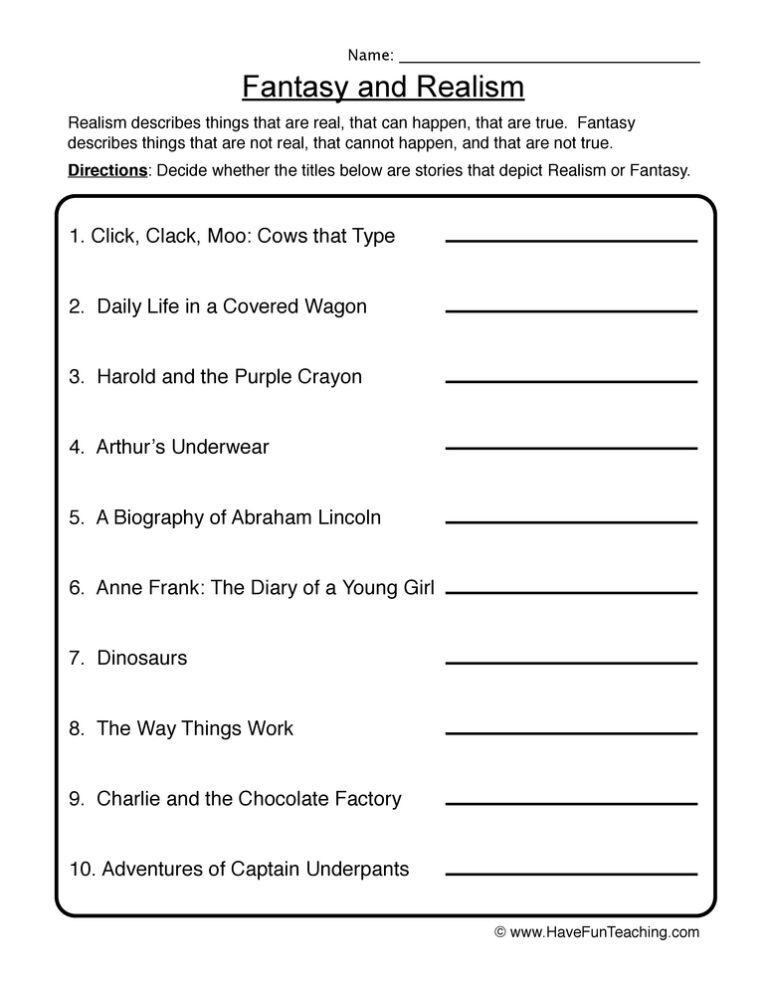
Worksheet3rd GradeFantasy and Realism Book Titles Worksheet

This fantasy and realism book titles worksheet has 3rd grade students sort six invented titles and explain one choice in writing. An answer key is included.

From our teachers' playbook

Could it really happen?

How do kids learn about fantasy and realism?

Kids learn to sort stories by asking one big question: could this really happen? Realistic fiction has events and characters that could exist, like a girl learning to ride a bike. Fantasy has things that could never happen, like talking animals or magic spells. Kids look for clues in the characters, setting and events. The click comes when they notice that a story can have both: a real school with a dragon in the cafeteria!

Our favorite ways to teach fantasy and realism

Kids love a good debate. These moves get them looking for clues.

Think aloud for clues

Read a short story and pause: "Hmm, the dog is talking. Can dogs really talk? That is a fantasy clue!" Then let kids catch the next clue. Hearing your reasoning shows them what to look for.

Why it works: showing first, practicing together, then letting kids try alone is the "gradual release" model teachers have relied on for decades (Pearson and Gallagher, 1983).
Identifying Fantasy and Realism WorksheetTry it withIdentifying Fantasy and Realism WorksheetWorksheetsOpen it →

Read and decide

Give a short passage with a few questions about whether it could happen and why. Quick checks show who understands the clues and who needs one more round.

Why it works: pulling an answer out of memory makes it stick far better than rereading it, one of the strongest findings in learning research (Dunlosky and colleagues, 2013).

Fantasy and Reality Reading Comprehension WorksheetTry it withFantasy and Reality Reading Comprehension WorksheetAssessmentsOpen it →

Questions parents and teachers ask

What is the difference between fantasy and realism?

Realistic stories have events that could really happen. Fantasy stories include things that cannot happen in real life, like magic or talking animals.

What grade learns fantasy and reality?

Many kids start in kindergarten and first grade and keep practicing through second and third grade with harder books.

How do I teach fantasy and realism?

Read stories aloud and ask, "Could this really happen?" Have kids point to clues in the characters, setting and events.

Is realistic fiction true?

No. Realistic fiction is made up, but it could happen in real life. Nonfiction is the kind of book that is true.

Keep exploring



