Skip to content
Start My 3 Free Days $0 today · cancel anytime

2nd Grade Bundles

13 2nd grade bundles, covering counting, alphabet, grammar, plus 13 more topics. How teachers use these

2nd Grade Bundles

13 2nd grade bundles, covering counting, alphabet, grammar, plus 13 more topics. How teachers use these

Bundle
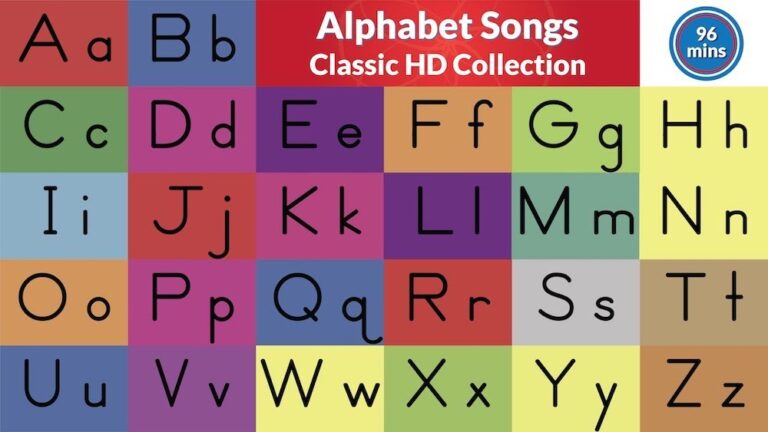
Bundle2nd GradeAlphabet Songs (Classic Video Collection)

The Alphabet Songs Collection - Classic will help your kids gain a better understanding of letter names and sounds by listening to these ABC Songs.

Bundle
Bundle2nd GradeAlphabet Songs (Animated Video Collection)

The Alphabet Songs Pack - Animated will help support your visual learners gain a better understanding of letter names and sounds by listening to this song.

Bundle
Bundle2nd GradeShape Songs (Classic Video Collection)

Using the Shape Songs (Classic Video Collection), students learn all about shapes, including Shape Names and Shape Recognition through a catchy song!

Bundle
Bundle2nd GradeScience Songs (MP3 Album)

Using the Science Songs (MP3 Album), students learn about different science concepts while listening to these upbeat and catchy songs.

Bundle
Bundle2nd GradeAlphabet Songs (MP3 Album)

The Alphabet Songs Pack (MP3 Album) will help support your students understanding of the letter names and sounds by listening to this alphabet song.

Bundle
Bundle2nd GradeCounting Songs (MP3 Album)

Using the Counting Songs (MP3 Album), students practice skip counting by all of the numbers by singing and counting along to these thirteen songs.

Bundle
Bundle2nd GradeAdding Songs (Lyric Video Collection)

Use the Adding Songs (Lyric Video Collection) to practice adding and addition facts by singing and adding these 15 addition songs. Great for addition facts!

Bundle
Bundle2nd GradeShape Songs (MP3 Album)

Using the Shape Songs (MP3 Album), students learn all about shapes, including Shape Names and Shape Recognition through a catchy song!

Bundle
Bundle2nd GradeFitness Songs (MP3 Album)

This Fitness Songs (MP3 Album) provides you and your students with seven fitness songs to get your class moving and fit in a fun and musical way!

Bundle
Bundle2nd GradeCharacter Songs (MP3 Album)

Using the Character Songs (MP3), students learn different character skills that build caring and thoughtful individuals home and at school while listening to a song.

Bundle
Bundle2nd GradeSongs for Kids (MP3 Album)

Songs for Kids Download by Have Fun Teaching has 18 fun and educational songs for kids.

Bundle
Bundle2nd GradeAdding Songs (MP3 Album)

Using the Adding Songs (MP3 Album), practice adding and addition facts by singing and adding these 15 addition songs. Great for memorizing addition facts!

Bundle
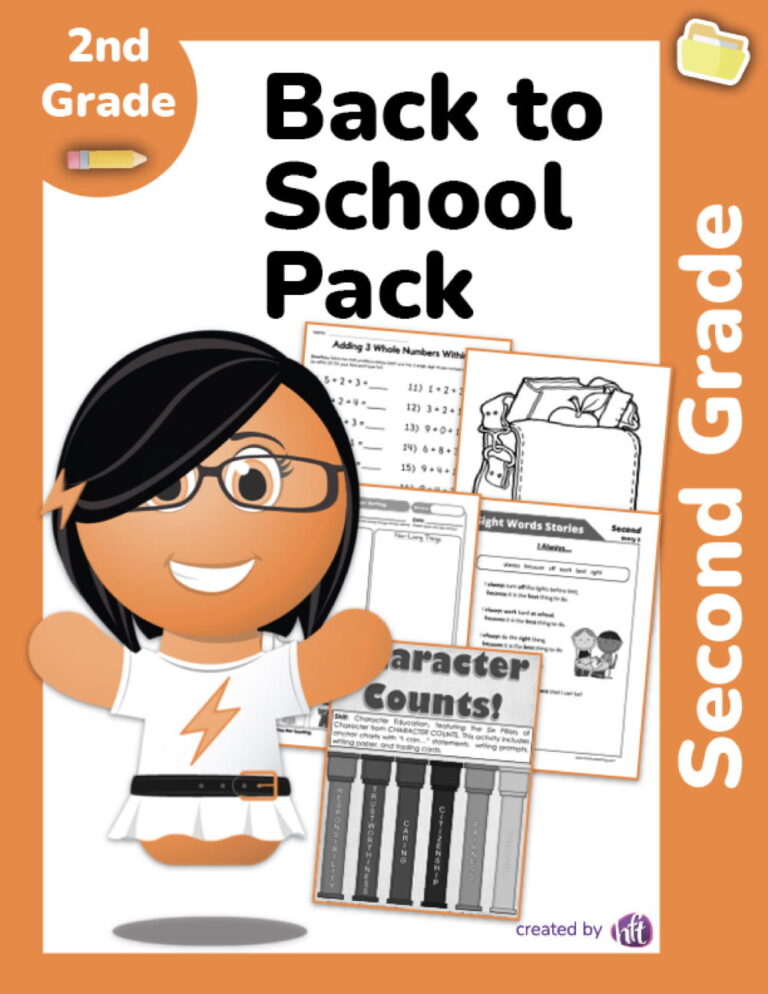
Bundle2nd GradeSecond Grade Back To School Pack

Use this Second Grade Back to School Pack to help your students during the first week of school. This back to school pack includes lots of teaching resources, including worksheets, activities, songs, videos, etc. for teaching English, Math, Reading, Science, Social Studies, and Writing. Sign up for a Have Fun…

From our teachers' playbook

Growing readers, growing mathematicians

What do kids learn in 2nd grade?

Second grade is where skills get fast and flexible. In math, kids become fluent with facts within 20, add and subtract within 100 with regrouping, and learn place value up to 1,000: 482 = 400 + 80 + 2. They also count money, tell time to five minutes and measure in inches and centimeters. In reading, kids master vowel teams, read sight words on the spot and read with expression. Writing grows too: complete sentences, plural nouns, pronouns and editing their own work. The best part? Watching a 2nd grader read a whole chapter book they chose themselves.

Our favorite ways to help 2nd graders shine

Second graders love to show what they know. These moves give them the chance.

Edit like a teacher

Write a sentence with three mistakes and fix one out loud, explaining why. Let kids find the other two. Then hand out the fixing sentences page so they can play editor on their own.

Why it works: showing first, practicing together, then letting kids try alone is the "gradual release" model teachers have relied on for decades (Pearson and Gallagher, 1983).

Fixing Sentences WorksheetTry it withFixing Sentences WorksheetWorksheetsOpen it →
Vowel teams every day

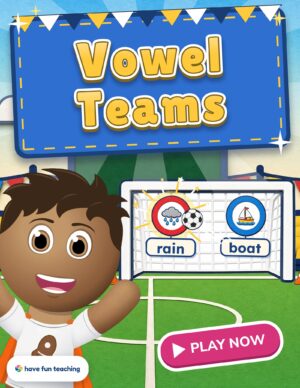
Play the vowel teams game for five minutes at the start of reading, every day for two weeks. Short daily practice keeps ai, ee and oa sharp while you move on to new patterns.

Why it works: spreading practice out over days is one of the two most effective study methods in a major research review (Dunlosky and colleagues, 2013).

Vowel Teams GameTry it withVowel Teams GameGamesOpen it →

Draw the story problem

Before solving a word problem, kids draw what is happening: 14 apples, then 6 more. Partners explain their drawing to each other before writing the equation. Pictures and talk catch most "wrong operation" mistakes.

Why it works: using clear, consistent math words out loud is one of the U.S. Department of Education's recommendations for elementary math.

Addition and Subtraction Word Problems WorksheetTry it withAddition and Subtraction Word Problems WorksheetWorksheetsOpen it →

Questions parents and teachers ask about 2nd grade

What math should a 2nd grader know?

By the end of 2nd grade, kids should add and subtract within 100, know addition and subtraction facts within 20 from memory, understand place value to 1,000, count money and tell time to five minutes.

What reading level should a 2nd grader be at?

Second graders typically read early chapter books with growing fluency. They decode vowel teams and longer words, read many sight words automatically, and can retell and answer questions about what they read.

How can I help my 2nd grader at home?

Read together every day, practice math facts with quick games, and let your child help count money or measure while cooking. Short, regular practice works best.

What writing skills do 2nd graders learn?

They write complete sentences, short paragraphs, opinion pieces and simple stories. They also learn to capitalize, punctuate and edit their own work.

Keep exploring