Skip to content
Start My 3 Free Days $0 today · cancel anytime

6th Grade Writing Resources

5 6th grade writing resources: 2 worksheets, 1 bundle, 1 song and more, covering poetry. How teachers use these

6th Grade Writing Resources

5 6th grade writing resources: 2 worksheets, 1 bundle, 1 song and more, covering poetry. How teachers use these

Worksheet
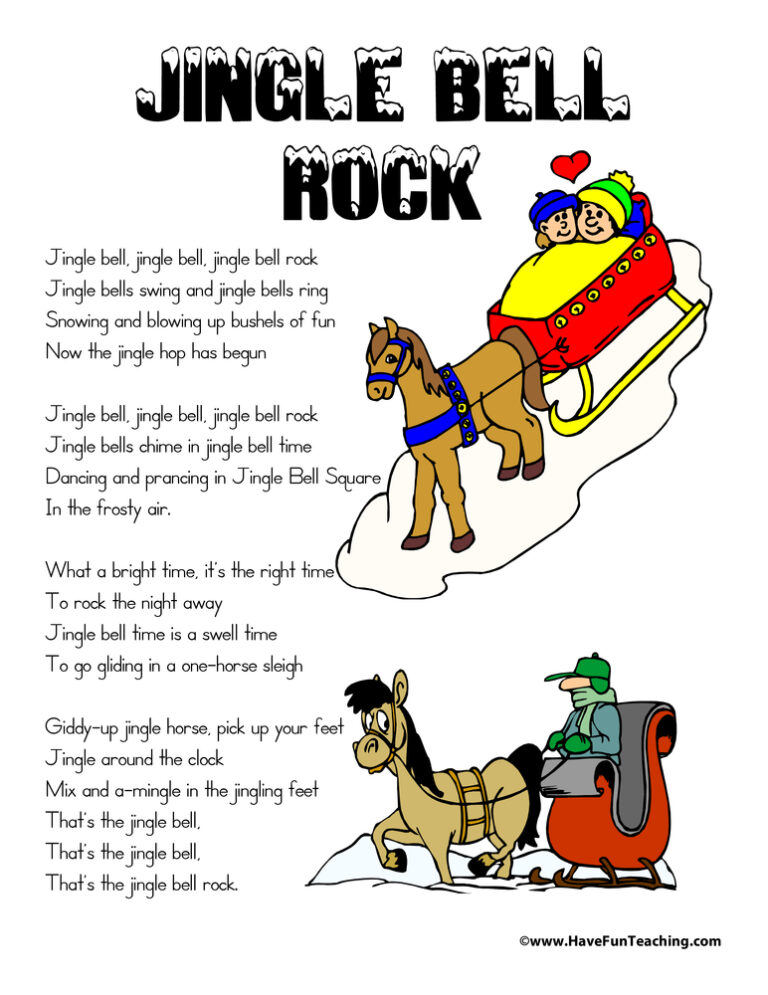
Worksheet6th GradeJingle Bells Lyrics

Using Jingle Bells Lyrics, students can follow along with the memorable song in order to know the which words to sing!

Bundle
Bundle6th GradeSongs for Kids (MP3 Album)

Songs for Kids Download by Have Fun Teaching has 18 fun and educational songs for kids.

6th GradeAwesome Writer Reward Certificate for Boys

Using the Awesome Writer Reward Certificate for Boys, your student will feel celebrated and recognized for his wonderful writing skills!

6th GradeAwesome Writer Reward Certificate for Girls

Using the Awesome Writer Reward Certificate for Girls, your student will feel celebrated and recognized for her wonderful writing skills!

From our teachers' playbook

Claims, evidence and a strong voice

What do 6th graders learn in writing?

Sixth grade is when writing grows up. Kids move from "I think" to a real claim backed by evidence, and they learn to explain why that evidence proves their point. They write arguments, informative pieces with clear structure, and narratives with dialogue and pacing. Paragraphs get tighter: a topic sentence, supporting details, transitions like however and as a result, and a conclusion that does more than repeat the first line. The click happens when kids see that good writing is just good thinking, organized.

Our favorite ways to build 6th grade writers

Older kids still need to see writing happen before they do it. These moves give them structure without boxing them in.

Write it live, out loud

Project a blank page and draft an informative paragraph in front of the class, saying your thinking as you go: "I need a detail here, not an opinion." Kids see the messy middle, cross-outs and all. Then they write their own paragraph on a new topic.

Why it works: showing first, practicing together, then letting kids try alone is the "gradual release" model teachers have relied on for decades (Pearson and Gallagher, 1983).

Informative Text Paragraph Writing ActivityTry it withInformative Text Paragraph Writing ActivityActivitiesOpen it →
Plan the argument first

Before anyone drafts, kids fill in three boxes: my claim, my two best pieces of evidence, why the evidence proves it. If a box is empty, the essay is not ready. This saves so much rewriting later.

Why it works: going from real objects to pictures to symbols is a core recommendation of the U.S. Department of Education's elementary math guide.

Share Your Opinion About Your Favorite Book ActivityTry it withShare Your Opinion About Your Favorite Book ActivityActivitiesOpen it →

Short writes, often

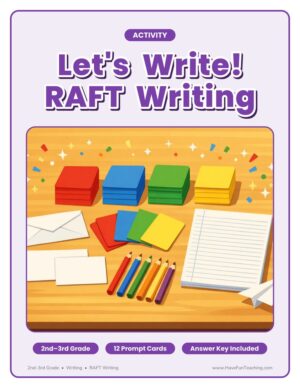
Two or three 10-minute writes a week build more stamina than one long essay a month. Rotate the purpose: a quick argument on Monday, a RAFT piece midweek, a research note on Friday.

Why it works: spreading practice out over days is one of the two most effective study methods in a major research review (Dunlosky and colleagues, 2013).

Let's Write RAFT Writing ActivityTry it withLet's Write RAFT Writing ActivityActivitiesOpen it →
Questions parents and teachers ask about 6th grade writing

What kinds of writing do 6th graders do?

Mostly three types: argument (claim plus evidence), informative/explanatory, and narrative. They also write short research pieces and responses to what they read.

How long should a 6th grade essay be?

Usually four to five paragraphs: an introduction with a clear claim or topic, two or three body paragraphs, and a conclusion. Quality of evidence matters far more than length.

How do I help my 6th grader with writing at home?

Ask them to explain their opinion on something they care about, then ask, "How do you know?" That habit of backing up a claim is the heart of 6th grade writing. Reading their draft aloud together also catches lots of errors.

What is the difference between evidence and reasoning?

Evidence is the fact, quote or example. Reasoning is the sentence that explains why that evidence supports the claim. Many 6th graders include evidence but skip the reasoning, so it is worth teaching directly.