Skip to content
Start My 3 Free Days $0 today · cancel anytime

3rd Grade Oceans Resources

5 3rd grade oceans resources: 3 worksheets, 1 assessment, 1 graphic organizer and more. How teachers use these

3rd Grade Oceans Resources

5 3rd grade oceans resources: 3 worksheets, 1 assessment, 1 graphic organizer and more. How teachers use these

Worksheet
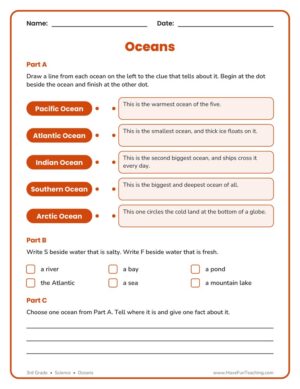
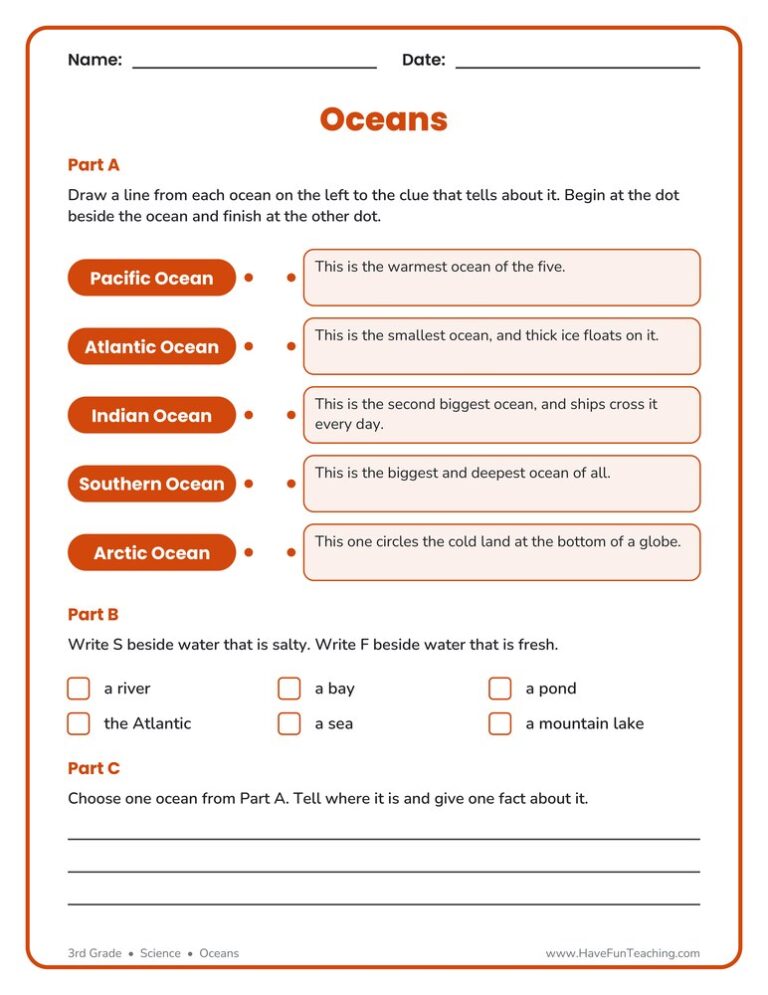
Worksheet3rd GradeMatching Oceans Vocabulary Worksheet

This matching oceans vocabulary worksheet helps 3rd grade students name the five oceans, sort salty and fresh water, and write one ocean fact. An answer key is included, so checking work takes a minute.

Assessment
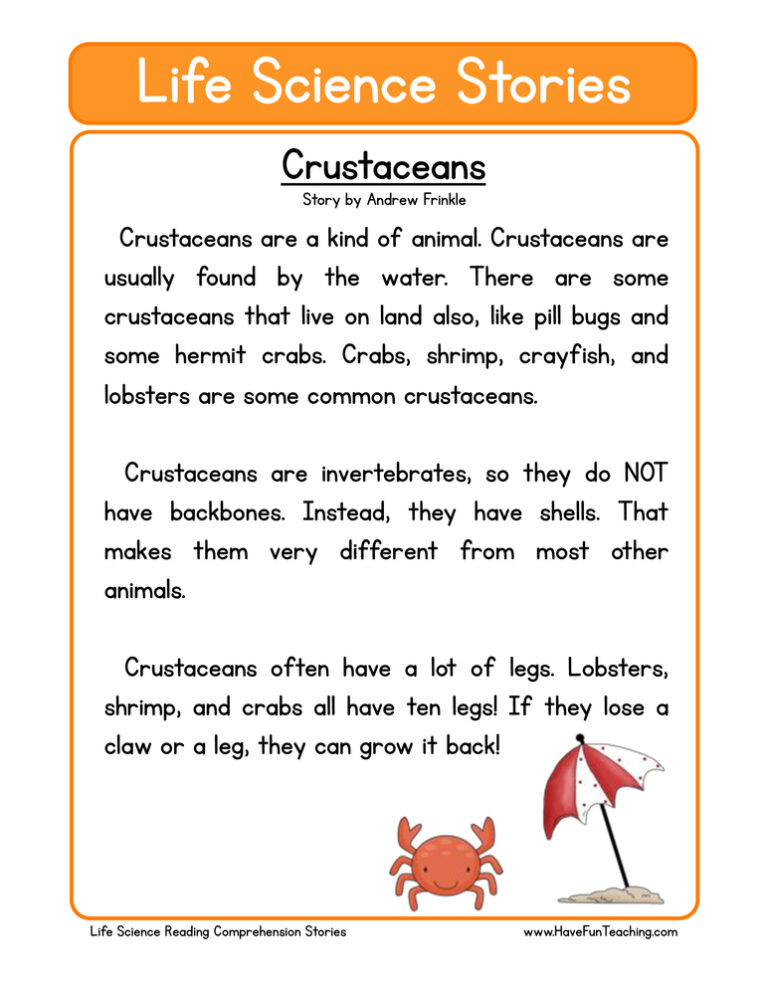
Assessment3rd GradeCrustaceans Life Science Reading Comprehension Worksheet

This Crustaceans Life Science Reading Comprehension Worksheet gives 3rd grade readers a short nonfiction article, four multiple choice questions, one written response, and an answer key, so every answer comes straight from the text.

Worksheet
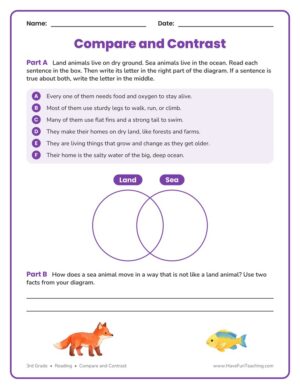
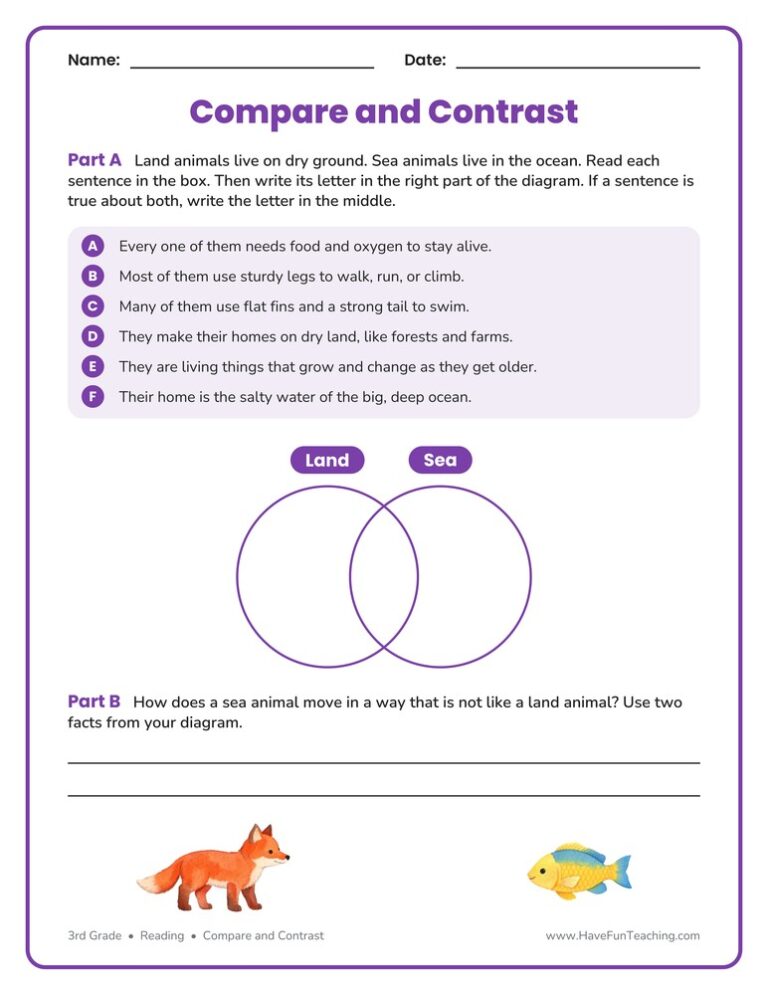
Worksheet3rd GradeLand and Sea Animals Compare and Contrast Graphic Organizer

This land and sea animals compare and contrast worksheet has 3rd grade students sort facts into a Venn diagram and write about how animals move. An answer key is included for quick checking.

Activity
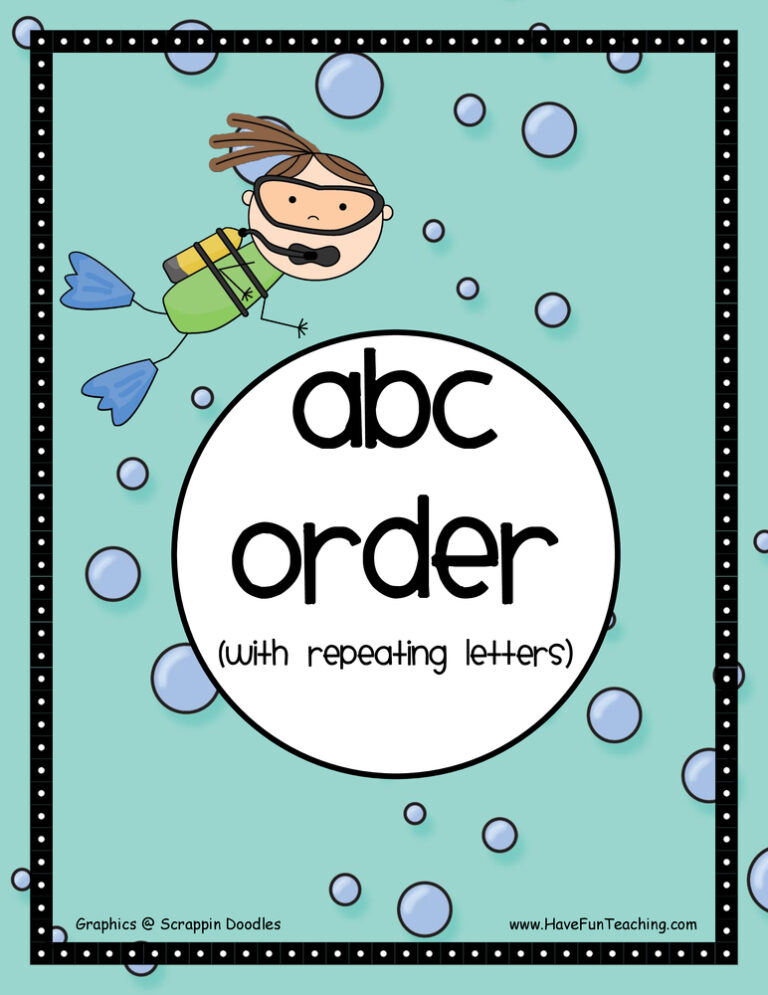
Activity3rd GradeOcean Hard Alphabetical Order Activity

This Ocean Hard Alphabetical Order Activity will teach your students how to put three sets of words about ocean vocabulary in alphabetical order.

Workbook
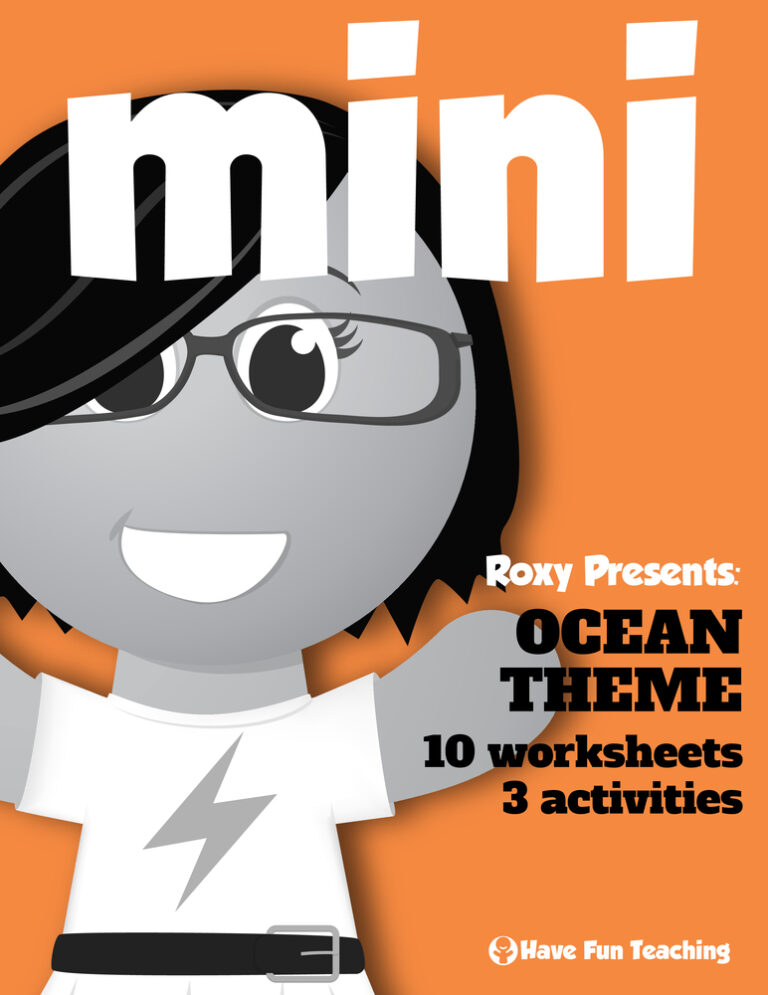
Workbook3rd GradeOceans Mini Pack

Using this Oceans Mini Pack, students learn about Oceans through ten fun worksheets and three activities.

From our teachers' playbook

Dive deep with salty science

What do 3rd graders learn about oceans?

Third graders learn that oceans cover most of Earth and that ocean animals have special body parts to survive there. Gills let fish breathe underwater, and crabs wear a hard shell to stay safe. Kids compare land and sea animals, learn big words like habitat, adaptation and crustacean, and read nonfiction to find facts. The click moment comes when they can explain why an animal's body fits the place it lives!

Our favorite ways to teach oceans

Wonder first, facts next, words last. These are the moves that make kids want to be marine biologists.

Vocab match-up

Give a quick match of ocean words to their meanings at the start of class each day. Kids check their own answers and try to beat yesterday. Words like habitat and adaptation stick fast.

Why it works: researchers who compared ten study methods found practice testing is one of the two that work best (Dunlosky and colleagues, 2013).

Matching Oceans Vocabulary WorksheetTry it withMatching Oceans Vocabulary WorksheetWorksheetsOpen it →

Read like a scientist

Read a short passage about crustaceans aloud and think out loud as you underline one fact. Then kids find two more facts on their own and share. It turns reading into fact hunting.

Why it works: showing first, practicing together, then letting kids try alone is the "gradual release" model teachers have relied on for decades (Pearson and Gallagher, 1983).

Crustaceans Life Science Reading Comprehension WorksheetTry it withCrustaceans Life Science Reading Comprehension WorksheetWorksheetsOpen it →

Questions teachers and parents ask

What do 3rd graders learn about the ocean?

They learn about ocean habitats and how animals are adapted to live there. They also compare land and sea animals and read nonfiction to collect facts.

What is an adaptation?

A body part or behavior that helps an animal survive where it lives. Fish gills and a crab's hard shell are both adaptations.

What is a crustacean?

An animal with a hard outer shell, jointed legs and antennae, like crabs, lobsters and shrimp. Most live in water.

How can I teach about the ocean at home?

Watch an ocean video or visit an aquarium, then ask your child to pick one animal and explain how its body helps it survive. Drawing it helps too.