

Matching Oceans Vocabulary Worksheet
This matching oceans vocabulary worksheet helps 3rd grade students name the five oceans, sort salty and fresh water, and write one ocean fact. An answer key is included, so checking work takes a minute.
$6.97
Or free with a membership — members pay $3.33/mo for all 10,000+ resources. See plans
Want this one free?
Tell us where to send it and it’s yours — no card, no catch.
One free resource per teacher. We’ll also send free teaching ideas each week — unsubscribe anytime.
Teaching is easier with a membership
Unlimited printables, games & videos for PreK–6th — for your classroom or homeschool. Cancel anytime.
Start your 3-day free trial$0 today · cancel anytime · Instant access to 10,000+ resources
About this resource
Description
Knowing the names of Earth’s five oceans is one of the first steps in reading a world map, and this matching oceans vocabulary worksheet gives students a clear, friendly way to practice it. Learners connect the Pacific, Atlantic, Indian, Southern, and Arctic Oceans to a short clue that describes each one, so every ocean name is tied to a real fact instead of being memorized on its own. Clues point to the biggest and deepest ocean, the second biggest, the warmest, the one that circles the cold land at the bottom of a globe, and the smallest one with thick ice floating on it.
The worksheet moves from naming to thinking in three short parts. In Part A, students draw a line from each ocean to its clue. In Part B, they label six bodies of water as salty or fresh, which introduces the idea that ocean water is different from the water in a river, a pond, or a mountain lake. In Part C, they choose one ocean and write where it is and one fact about it, turning what they matched into a sentence of their own. Print the page, hand out pencils, and use the included answer key to check the work in a minute or two.
What’s Included
- One printable worksheet page with a Name and Date line
- Part A: a five-pair matching block for the five named oceans
- Part B: six bodies of water to label salty or fresh
- Part C: a short written response with roomy writing lines
- A complete answer key on the final page
Three Reasons This Helps Kids
- Matching an ocean to a fact builds vocabulary and map sense at the same time
- Sorting salty and fresh water connects geography to real science students can see
- Writing one sentence at the end asks for an explanation, not just recall
Teacher and Parent Ideas
Pair this 3rd grade oceans worksheet with a classroom globe or a pull-down map and have students point to each ocean as they finish its match. Ask a partner pair to trade papers and read their Part C sentences aloud, then add the best facts to an anchor chart. For an early finisher, hand back the same matching oceans vocabulary worksheet and ask them to write one new clue for an ocean of their choice. It also works well as a warm-up before an ocean animal unit, a homework page, or a quick review before a geography quiz.
Related Resources
What teachers say
Reviews
You must be logged in to post a review.
Using this Oceans Mini Pack, students learn about Oceans through ten fun worksheets and three activities.

Using these Ocean Flash Cards, students improve their ocean vocabulary by describing the colorful flash cards.
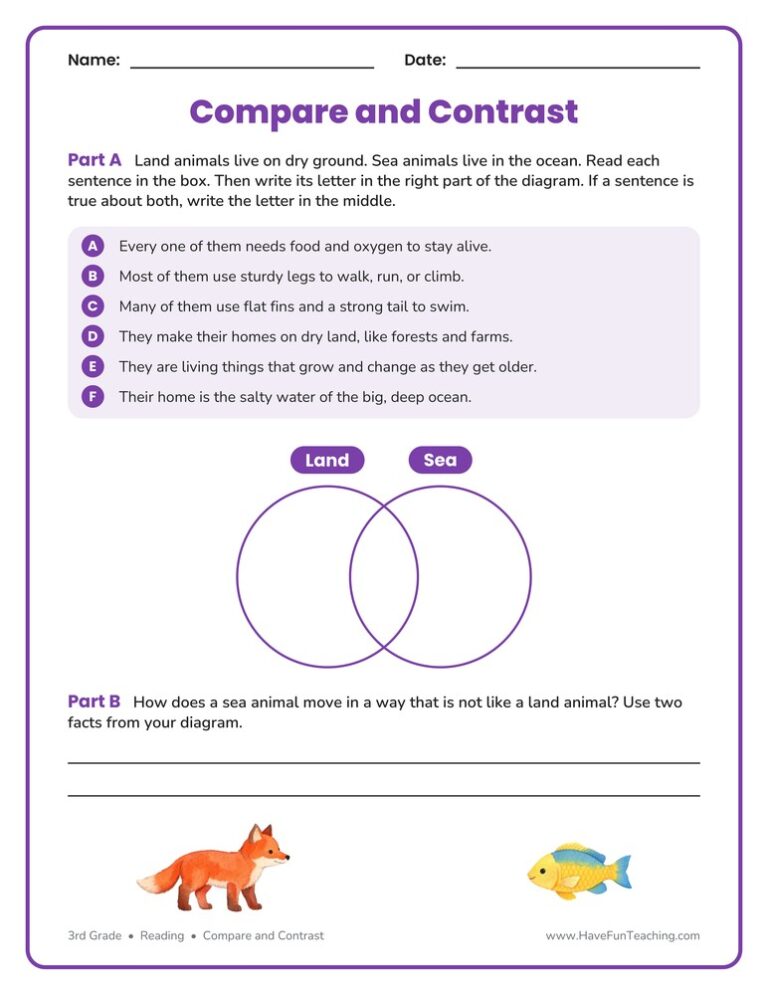
This land and sea animals compare and contrast worksheet has 3rd grade students sort facts into a Venn diagram and write about how animals move. An answer key is included for quick checking.

This Lakes and Seas Reading Comprehension Digital Worksheet is an online digital worksheet for Google Classroom & online distance learning.
This Ocean Hard Alphabetical Order Activity will teach your students how to put three sets of words about ocean vocabulary in alphabetical order.
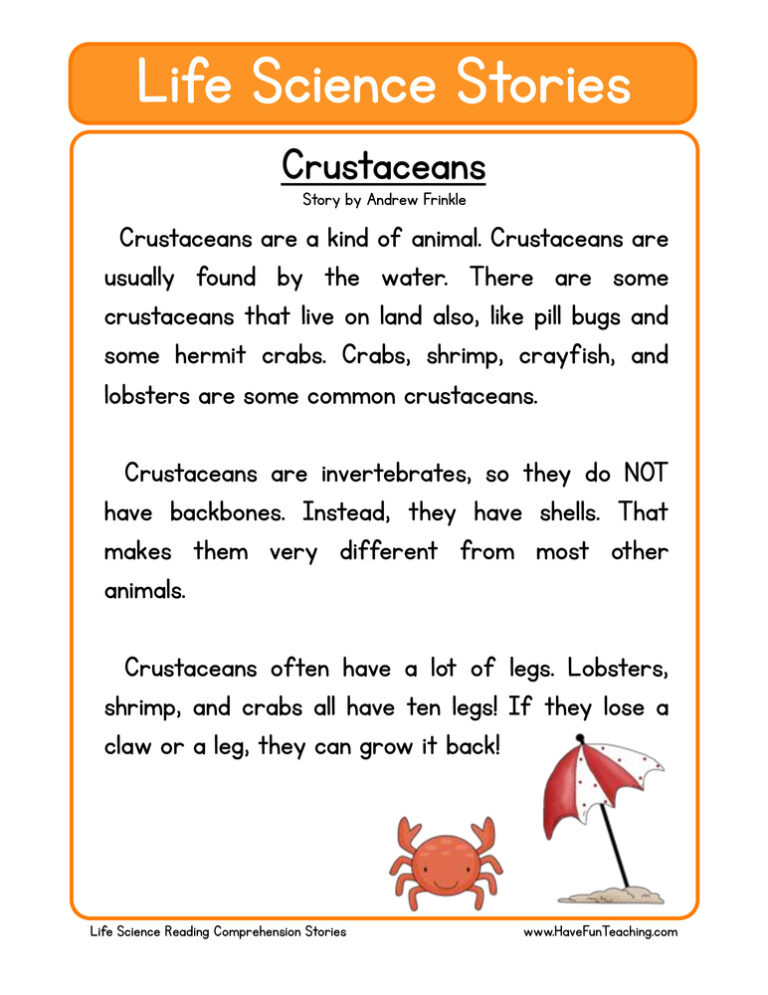
This Crustaceans Life Science Reading Comprehension Worksheet gives 3rd grade readers a short nonfiction article, four multiple choice questions, one written response, and an answer key, so every answer comes straight from the text.
This Crustaceans Reading Comprehension Digital Worksheet is an online digital worksheet for Google Classroom & online distance learning.
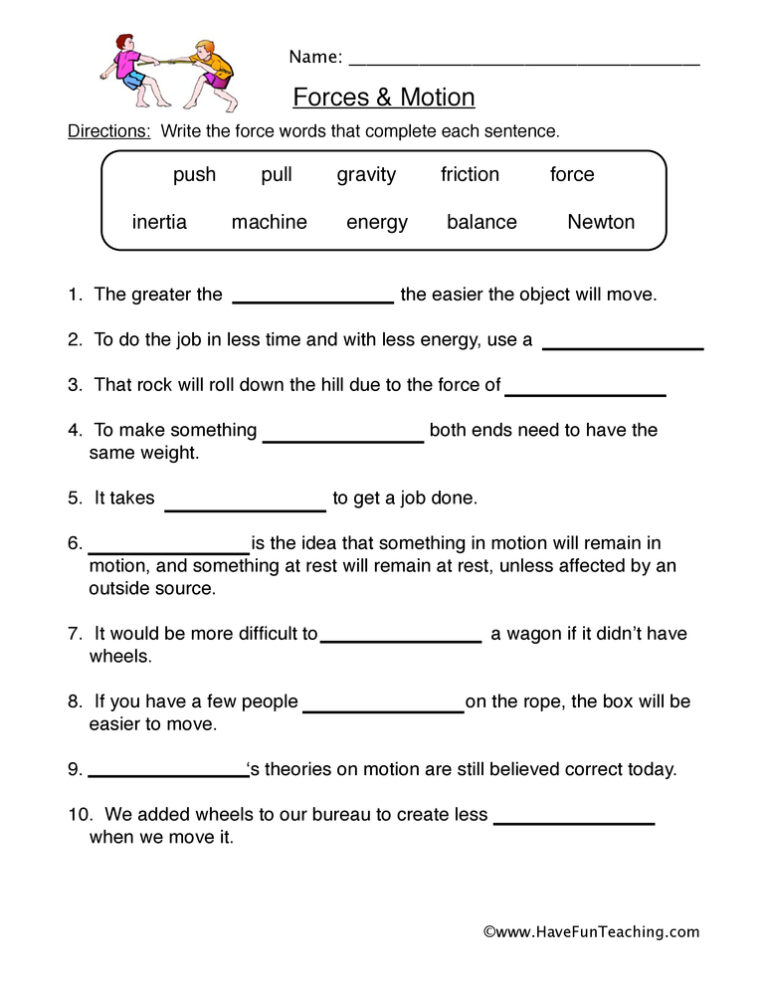
A 3rd grade forces motion worksheet where students use a word bank to complete eight sentences about force, push, pull, gravity, friction, motion, speed, and magnets. Includes an answer key for easy, no-prep science practice.

This who what when where why graphic organizer worksheet helps 3rd graders record the five key details — who, what, when, where, and why — from any story or article. A clear, reusable note-taking template.
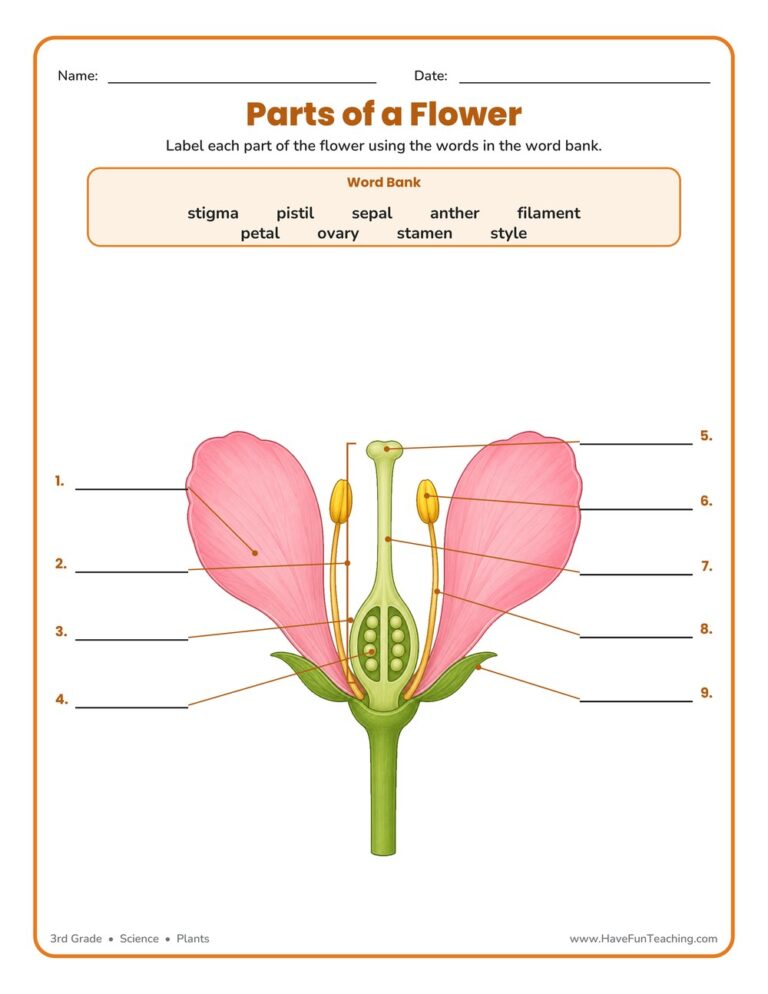
A third grade flower parts of a plant worksheet where students label the nine parts of a flower — petal, sepal, stamen, pistil, and more — using a word bank. Includes a complete answer key for quick, no-prep life science practice.

The Matter Song teaches all about matter and the states of matter. With this states of matter song, students learn about solid, liquid, and gas, as well as the phases of matter, properties of matter, physical changes, chemical changes, and so much more. Matter has mass and takes up space.…

While listening the Scientific Method Song (Animated Music Video), students learn about seven steps of the scientific method while listening to a catchy song.
Reviews
There are no reviews yet