

Land and Sea Animals Compare and Contrast Graphic Organizer
This land and sea animals compare and contrast worksheet has 3rd grade students sort facts into a Venn diagram and write about how animals move. An answer key is included for quick checking.
$6.97
Or free with a membership — members pay $3.33/mo for all 10,000+ resources. See plans
Want this one free?
Tell us where to send it and it’s yours — no card, no catch.
One free resource per teacher. We’ll also send free teaching ideas each week — unsubscribe anytime.
Teaching is easier with a membership
Unlimited printables, games & videos for PreK–6th — for your classroom or homeschool. Cancel anytime.
Start your 3-day free trial$0 today · cancel anytime · Instant access to 10,000+ resources
About this resource
Description
Help students practice comparing and contrasting with this land and sea animals compare and contrast worksheet. Comparing two groups teaches children to notice how things are alike and how they are different, a key reading skill that also builds science thinking. In this sheet, students look closely at animals that live on dry ground and animals that live in the ocean, then sort true facts about each group.
About This Worksheet
This 3rd grade animals worksheet has two parts. In Part A, students read six lettered sentences about animals. They decide whether each fact is true only for land animals, only for sea animals, or for both, and write the letter in the correct part of a two-circle Venn diagram. In Part B, students write two sentences that explain how sea animals move in a way that is not like land animals, using facts from their diagram. Teachers can use it as a whole-class lesson, a small-group activity, or independent practice after reading about animal habitats.
What’s Included
- A one-page land and sea animals compare and contrast worksheet with a Venn diagram graphic organizer
- Six fact sentences to sort into land, sea, and both
- A short written response section
- A complete answer key
Why This Worksheet Helps Kids
First, the Venn diagram gives students a clear visual way to organize what is the same and what is different. Second, sorting each fact asks students to read carefully and think about every word, since some facts are true for most animals in a group and not just one. Third, the written response helps students explain their thinking in complete sentences, which prepares them for text-based questions on tests.
Ideas for Teachers and Parents
Before starting, list a few land animals and sea animals together and talk about where each one lives. After students finish, have them add one more fact of their own to each part of the diagram. You can also pair this page with a short book about ocean life so students can find new facts to compare.
Related Resources
What teachers say
Reviews
You must be logged in to post a review.

Using this Animal Song (Animated Music Video), your students learn about different types of animals and their sounds by watching this fun, catchy video.

This animal habitats worksheet asks 3rd Grade students to match animals to their habitats, sort six animals into two environments, and explain one desert adaptation. An answer key is included for fast, no-prep science practice.

This birds worksheet has 3rd graders circle the facts true of all birds, sort eight animals into Bird and Not a Bird, and explain why a bat is not a bird. Answer key included.
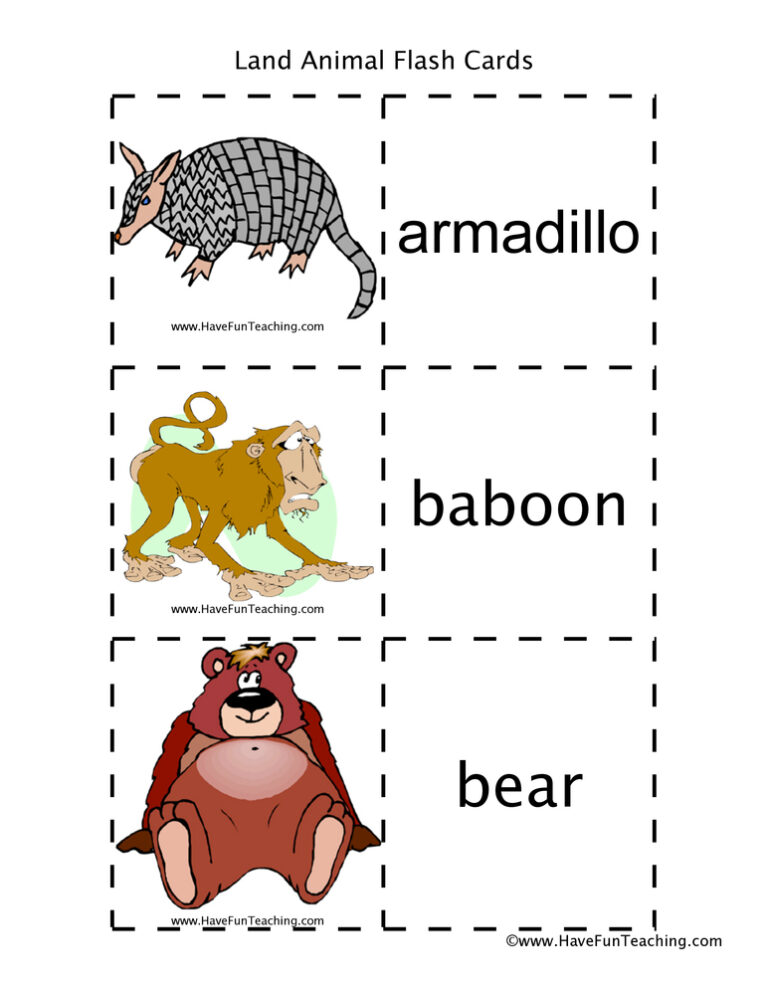
Using these Land Animal Flash Cards, students improve their Insect vocabulary by having a complete set of animal names they can use in their writing and discussions.
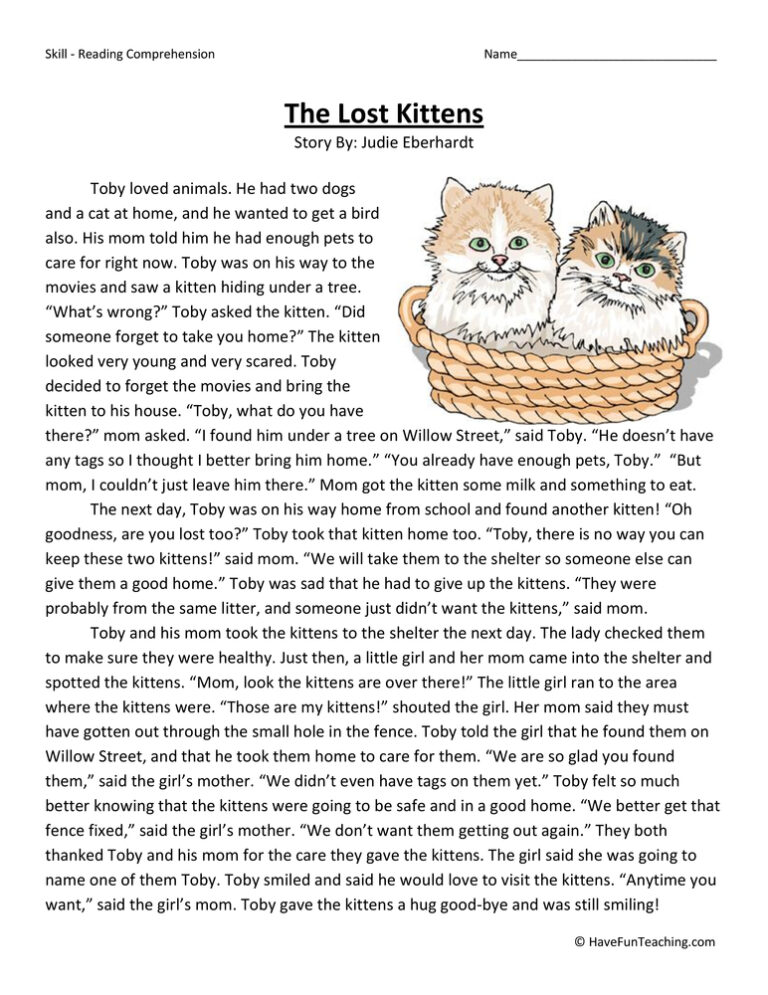
The Lost Kittens Reading Comprehension Worksheet gives 3rd grade readers an original story about two children who help two lost kittens get home, plus five text-based questions and a full answer key.
The Life Science Stories Reading Comprehension Digital Worksheet Collection has online digital worksheets for Google Classroom & online distance learning.
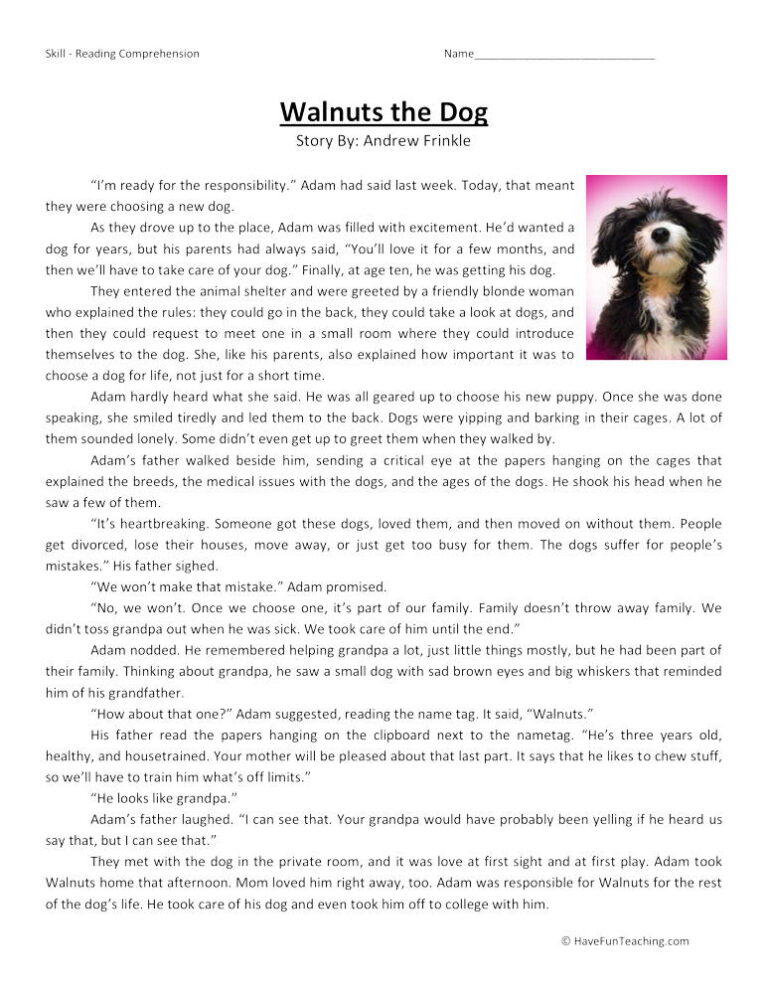
The Walnuts the Dog Reading Comprehension Worksheet gives 3rd grade students a short animal story with four multiple choice questions, a written response, and an answer key, so readers practice finding evidence in a text they enjoy.
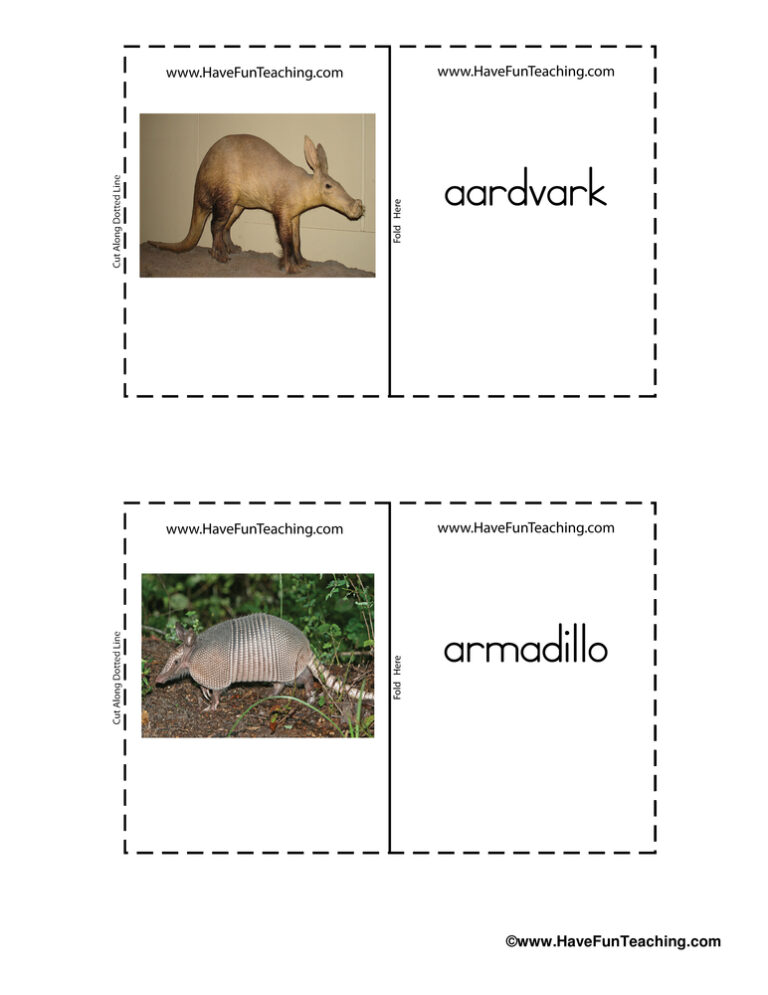
Using these Mammals Real Life Flash Cards , students improve their mammal vocabulary by describing the colorful flash cards.

This bird classification worksheet asks 3rd grade students to sort eight animals into birds and not birds, then match four trait clues. A full answer key makes the sort quick to check.

This reptiles, amphibians, and insects worksheet helps 3rd grade students sort four animals by their traits and explain their thinking in writing. Answer key included for quick, no-prep life science practice.
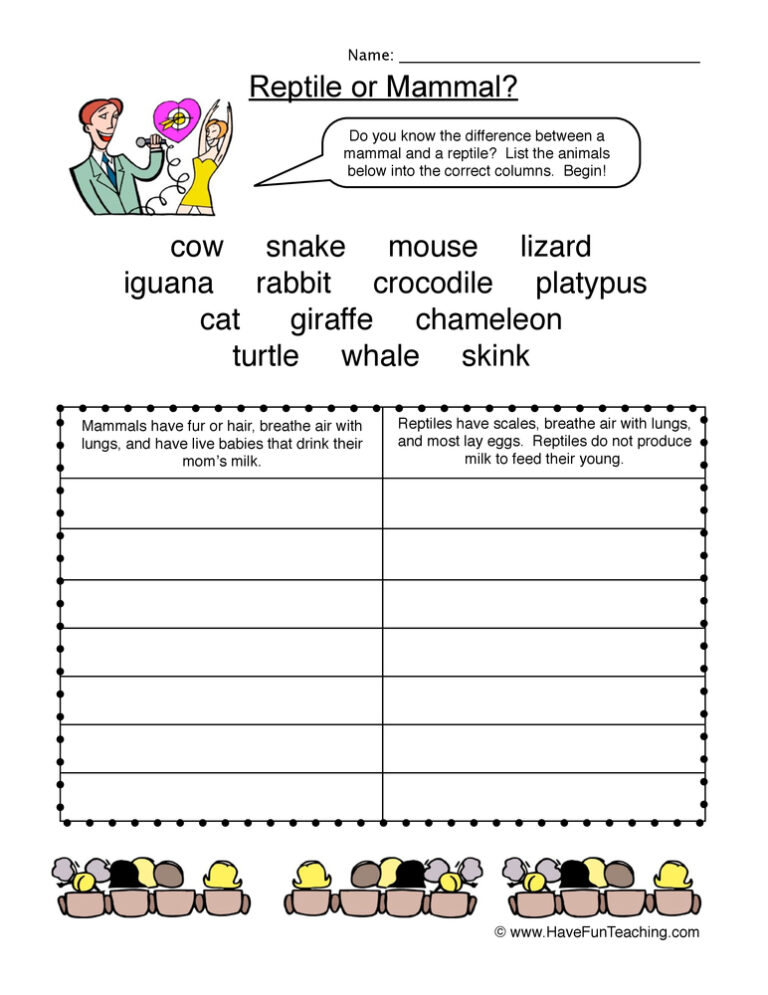
This mammal vs reptile worksheet has 3rd grade students sort eight animals into two groups, then name the clue that proves each answer, with an answer key included for fast checking.
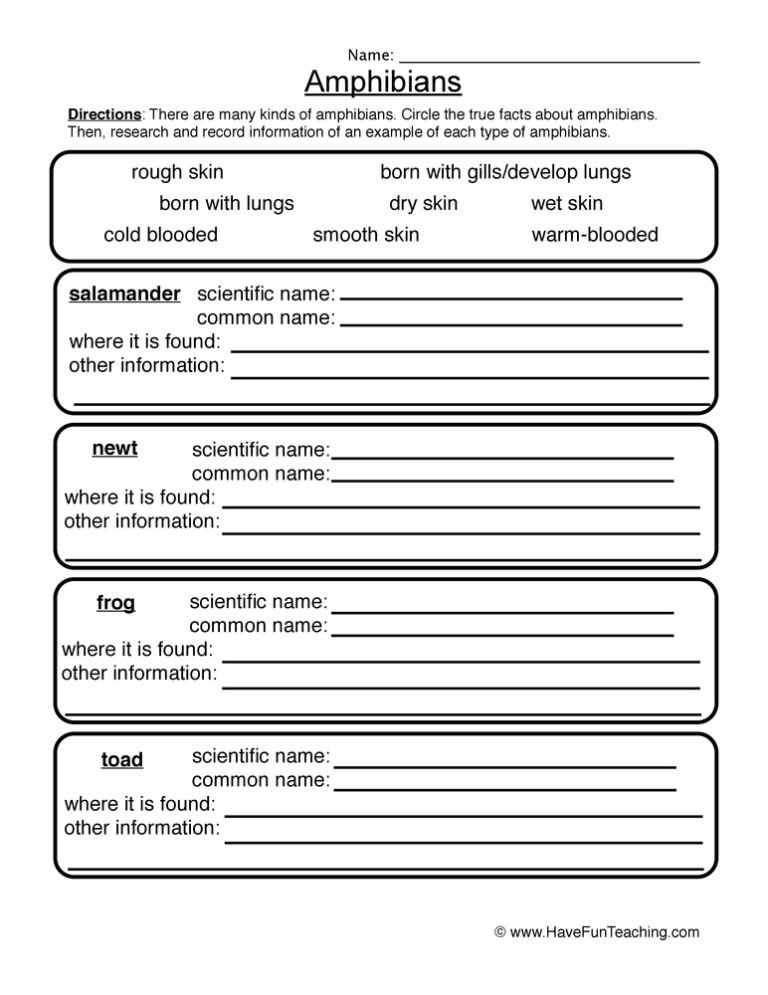
This amphibians worksheet has 3rd graders circle amphibian traits, sort eight animals into amphibian and non-amphibian columns, and explain their thinking. Answer key included for fast, no-prep science practice.
Reviews
There are no reviews yet