Skip to content
Start My 3 Free Days $0 today · cancel anytime

3rd Grade Water Cycle Resources

6 3rd grade water cycle resources: 3 worksheets, 2 songs, 2 videos and more. How teachers use these

3rd Grade Water Cycle Resources

6 3rd grade water cycle resources: 3 worksheets, 2 songs, 2 videos and more. How teachers use these

Video
Video3rd GradeWater Cycle Song (Animated Music Video)

While watching the Water Cycle Song (Animated Music Video), students learn about the process of the water cycle by listening to the repetitive lyrics loaded with key vocabulary.

Worksheet
Worksheet3rd GradeWater Cycle Experiment Worksheet

This water cycle experiment worksheet guides 3rd grade students through a simple bag model, then has them match evaporation, condensation, precipitation, and collection to what they see. An answer key is included.

Activity
Activity3rd GradeCloud Cut Outs

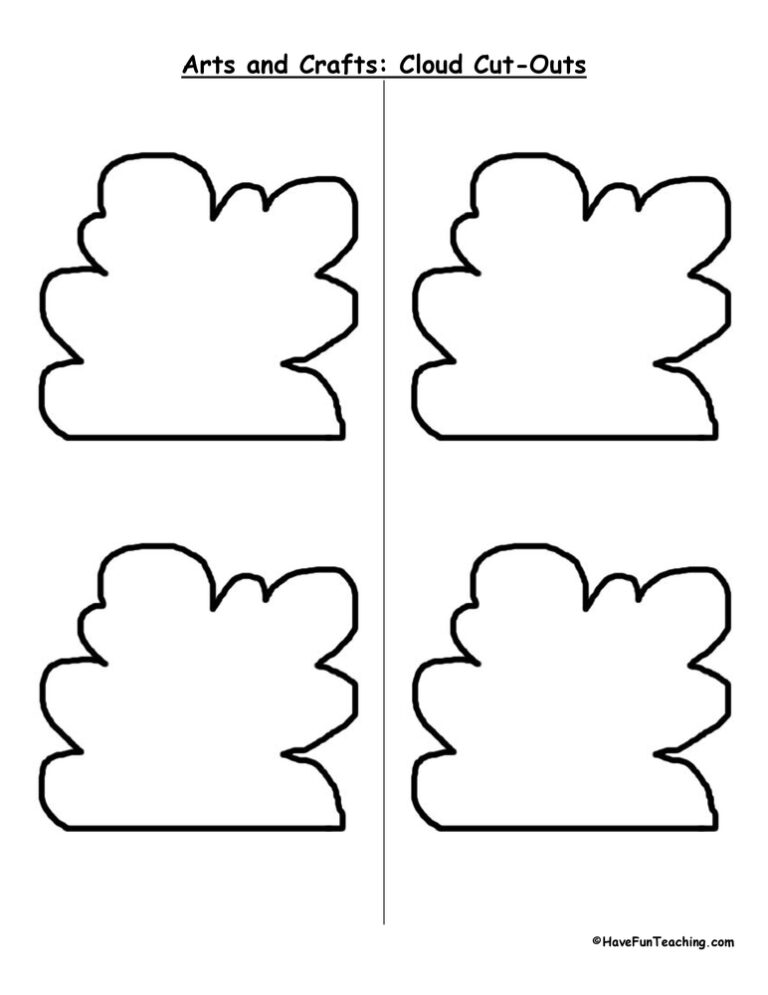
These Cloud Cut Outs quickly give you templates that can be easily cut and applied for classroom decoration or student activities

Worksheet
Worksheet3rd GradeClouds Worksheet - Research

This Clouds Worksheet has third graders read five sky reports, name the cloud each one describes, and predict the weather it brings. An answer key is included, so cloud types get checked fast.

Video
Video3rd GradeWater Cycle Song (MP3)

While listening to the Water Cycle Song (MP3), students learn about the process of the water cycle by listening to the repetitive lyrics loaded with key vocabulary.

Worksheet
Worksheet3rd GradePrecipitation Research Worksheet

This precipitation research worksheet helps 3rd grade students tell rain, snow, sleet, and hail apart and explain weather using temperature. An answer key is included for quick, easy checking.

From our teachers' playbook

Up, up, up and back down again

What do 3rd graders learn about the water cycle?

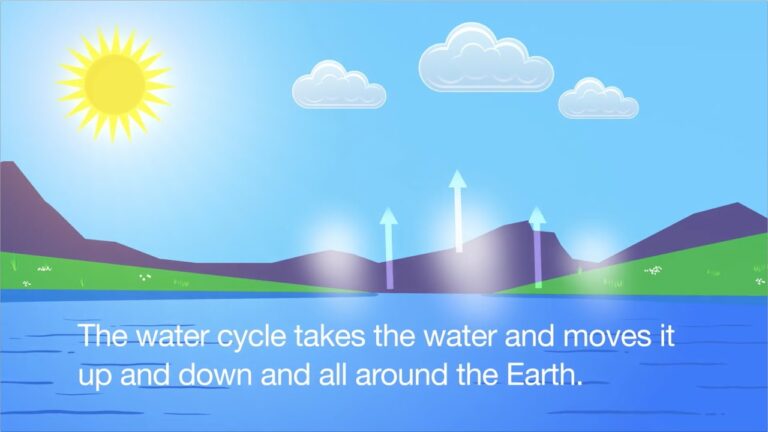
Third graders learn that Earth's water is always on the move, and it's the same water used over and over. The sun heats water so it evaporates into vapor, the vapor cools and condenses into clouds, and the water falls back as precipitation: rain, snow, sleet or hail. Then it collects in oceans, lakes and the ground to start again. Kids connect the cycle to weather and learn to name different cloud types. The click moment: the rain on the playground might once have been in a dinosaur's drink!

Our favorite ways to teach the water cycle

The water cycle is invisible most of the time. These moves make every step something kids can see and remember.

Water cycle in a bag

Kids draw a sun and clouds on a zip bag, add a little blue water and tape it to a sunny window. Over a few days they watch droplets form at the top and slide back down. They record what they see each day, just like real scientists.

Why it works: kids understand an idea best when they touch it, then draw it, then write it, the order the U.S. Department of Education recommends for elementary math.

Water Cycle Experiment WorksheetTry it withWater Cycle Experiment WorksheetWorksheetsOpen it →
Sing the four steps

Play the Water Cycle Song and add hand motions: wiggle fingers up for evaporation, make a cloud with your arms for condensation, rain fingers down for precipitation, and scoop for collection. Kids will be humming it at recess.

Why it works: words set to a repeating melody are easier to recall than the same words spoken (Wallace, 1994).

Water Cycle Song (Animated Music Video)Try it withWater Cycle Song (Animated Music Video)SongsOpen it →

Cloud spotters

Head outside and sketch the clouds you see, then match them to cumulus, stratus or cirrus. Drawing real clouds and labeling them helps kids connect the water cycle to the weather above them.

Why it works: children learn more from words and pictures together than from words alone (Mayer, 2009).

Clouds Worksheet - ResearchTry it withClouds Worksheet - ResearchWorksheetsOpen it →

Questions parents and teachers ask

What are the 4 stages of the water cycle?

Evaporation, condensation, precipitation and collection. The sun heats water into vapor, the vapor cools into clouds, water falls as rain or snow, then it collects in oceans, lakes and the ground.

How do you explain the water cycle to a 3rd grader?

Tell them Earth recycles its water. The sun lifts water into the sky as invisible vapor, it turns into clouds, then falls back down as rain or snow. Then it happens all over again.

What's an easy water cycle experiment?

Make a water cycle in a bag. Put a little water in a zip bag, tape it to a sunny window and watch droplets form and slide back down over a few days.

Is the water we drink really old?

Yes! The amount of water on Earth stays about the same, so it keeps cycling for millions of years. The water in your glass has been in clouds, oceans and rivers many times.