Skip to content
Start My 3 Free Days $0 today · cancel anytime

3rd Grade Environments Resources

27 3rd grade environments resources: 27 worksheets, 3 assessments and 1 graphic organizer. How teachers use these

3rd Grade Environments Resources

27 3rd grade environments resources: 27 worksheets, 3 assessments and 1 graphic organizer. How teachers use these

Worksheet
Worksheet3rd GradePollution Worksheet

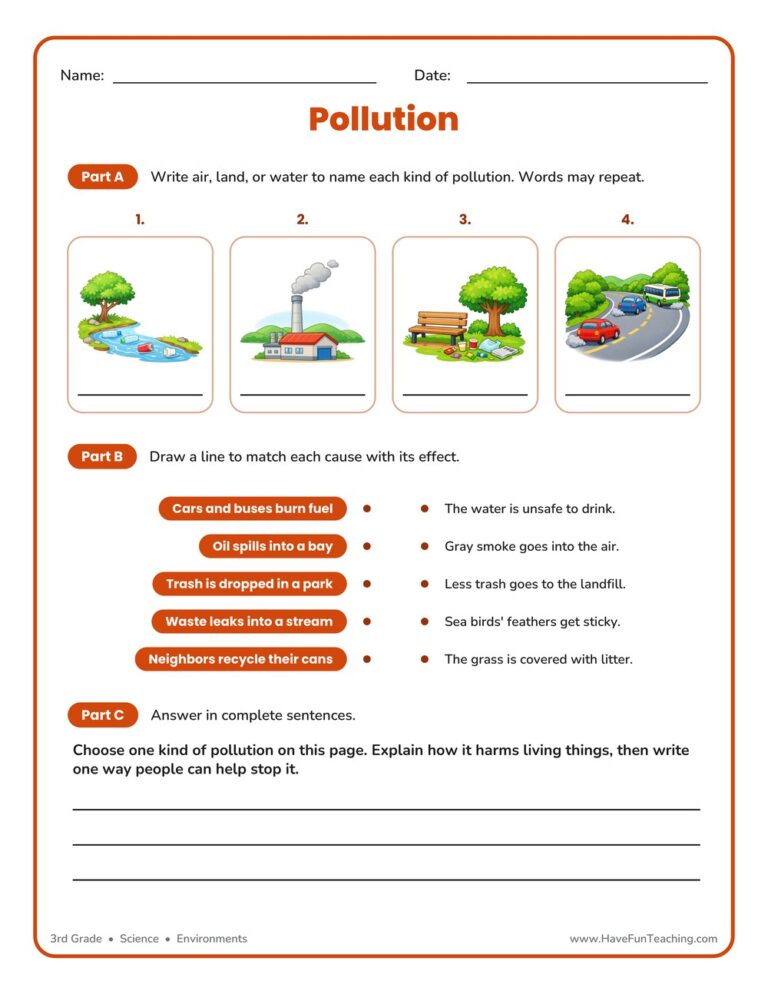
This pollution worksheet helps 3rd graders name air, land, and water pollution, match each cause with its effect, and explain one way people can help. Answer key included for no-prep science practice at school or home.

Worksheet
Worksheet3rd GradeWater Pollution Worksheet

This Water Pollution Worksheet has 3rd Grade students sort pictures, finish sentences from a word box, and write about one way to keep rivers clean. Answer key included.

Worksheet
Worksheet3rd GradeMatching Habitats Worksheet

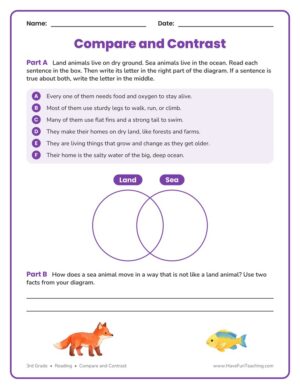
This matching habitats worksheet has 3rd graders link five animals to the habitats they live in, then explain two animal adaptations in writing. Answer key included for fast, no-prep science practice.

Worksheet
Worksheet3rd GradeAir Pollution Worksheet

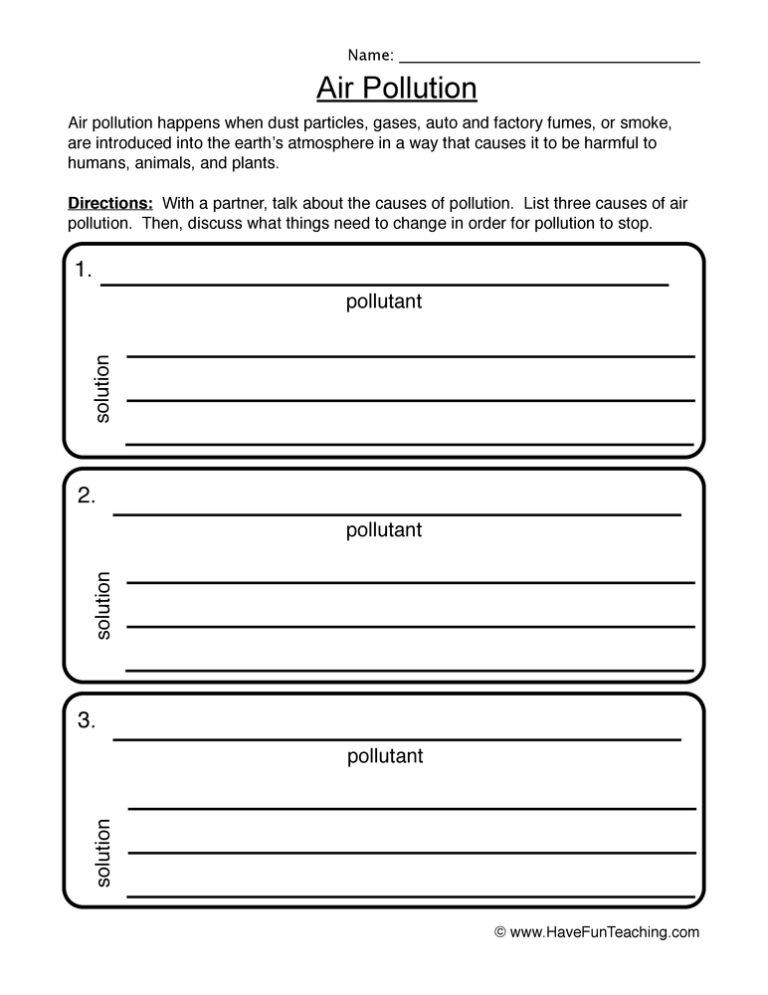
This Air Pollution Worksheet asks 3rd graders to mark six everyday actions D for dirty air or C for cleaner air, then explain one cause and plan one fix. Answer key included.

Worksheet
Worksheet3rd GradeAnimal Habitats Worksheet

This animal habitats worksheet asks 3rd Grade students to match animals to their habitats, sort six animals into two environments, and explain one desert adaptation. An answer key is included for fast, no-prep science practice.

Worksheet
Worksheet3rd GradeOur Environment Worksheet

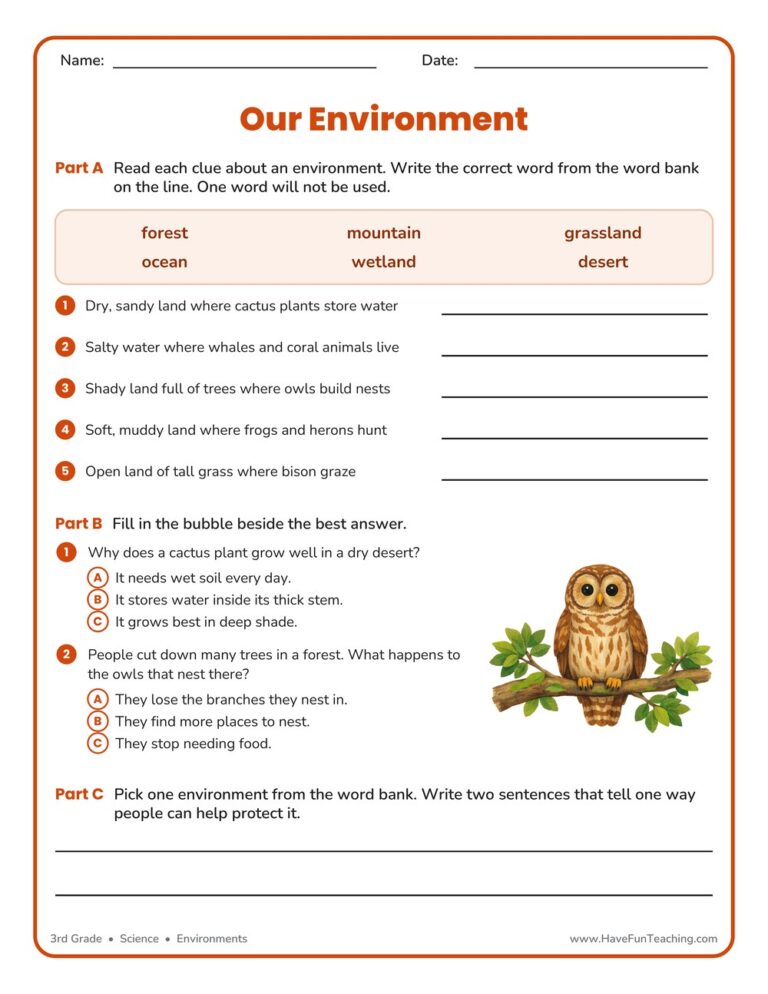
This Our Environment Worksheet asks 3rd graders to name five environments, answer two habitat questions, and write about protecting nature. An answer key is included for fast, no-prep science practice.

Worksheet
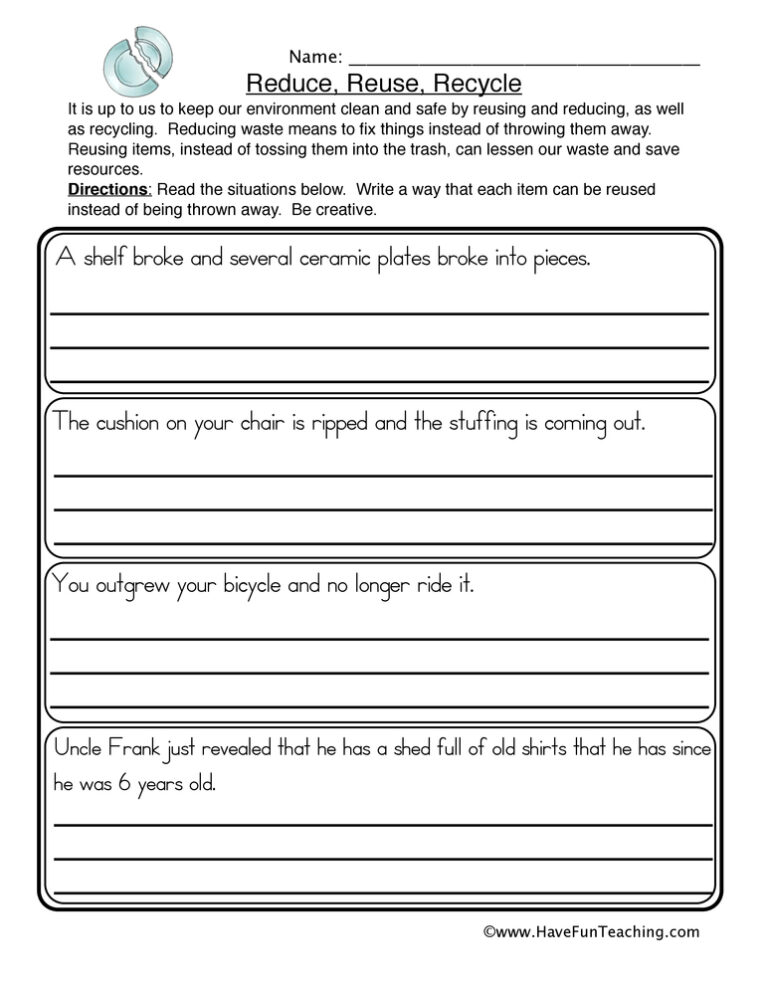
Worksheet3rd GradeReduce, Reuse, Recycle Scenarios Worksheet

Read six real-life situations and decide whether each one shows reducing, reusing, or recycling on this reduce, reuse, recycle scenarios worksheet for 3rd grade. Answer key included, so Earth Day science practice takes no prep.

Worksheet
Worksheet3rd GradeWater Cycle Experiment Worksheet

This water cycle experiment worksheet guides 3rd grade students through a simple bag model, then has them match evaporation, condensation, precipitation, and collection to what they see. An answer key is included.

Worksheet
Worksheet3rd GradeDesert True or False Worksheet

This desert true or false worksheet asks 3rd graders to judge eight statements about desert weather, plants and animals, then rewrite a false one correctly. Answer key included for fast, no-prep science practice.

Worksheet
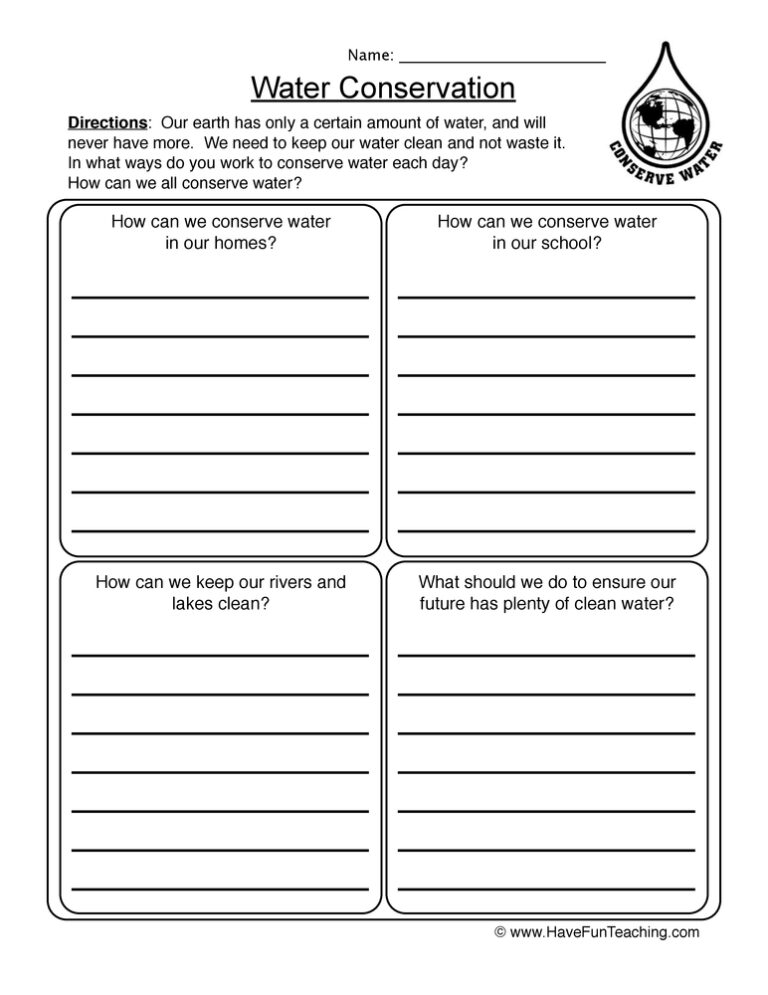
Worksheet3rd GradeWater Conservation Worksheet

Students use this Water Conservation Worksheet to define key terms, sort water-saving habits, and solve a two-step drip problem. Built for 3rd Grade, with an answer key included for fast, no-prep science practice.

Assessment
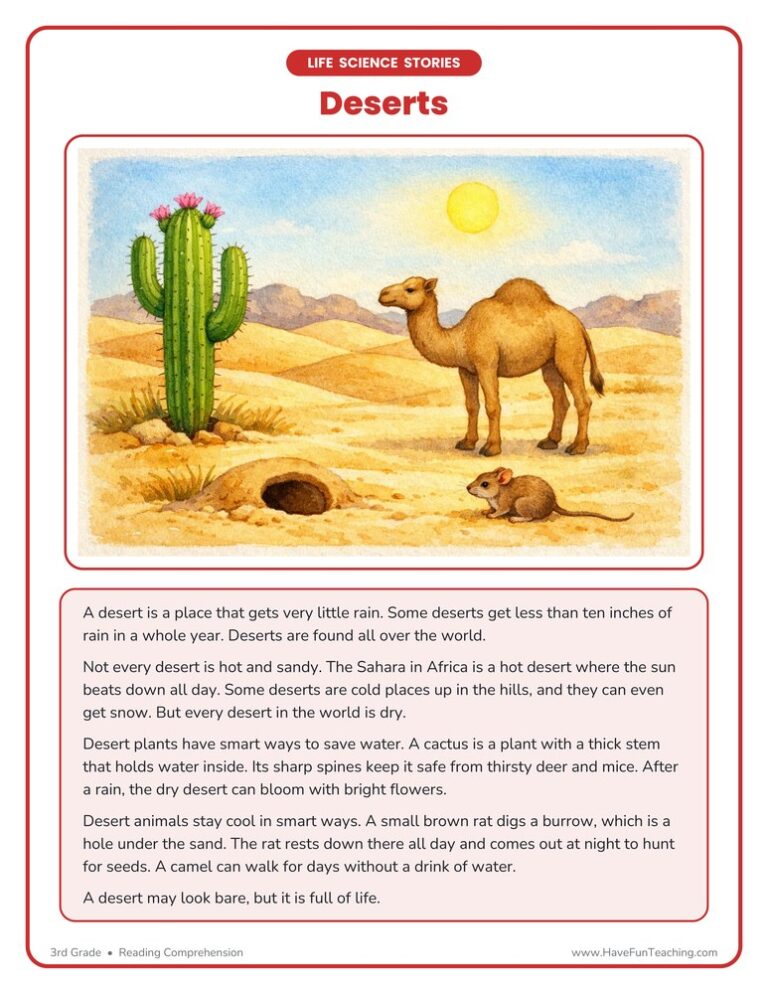
Assessment3rd GradeDeserts Life Science Reading Comprehension Worksheet

This Deserts Life Science Reading Comprehension Worksheet gives 3rd Grade readers a short nonfiction passage about hot and cold deserts, with comprehension questions and an answer key included, so science reading practice takes minutes to prep.

Worksheet
Worksheet3rd GradeDesert Plants Worksheet

This desert plants worksheet asks 3rd graders to sort eight desert words into plants and animals, then find the plant and animal named in each sentence. An answer key is included for quick checking.

Worksheet
Worksheet3rd GradeHabitats Research Worksheet

This habitats research worksheet helps 3rd grade students pick an animal, take notes on its habitat, draw it, and explain how that home helps the animal survive.

Worksheet
Worksheet3rd GradeDesert Animals Habitat Worksheet

This desert animals habitat worksheet asks 3rd grade students to sort eight animals into desert and non-desert columns, then match animals to habitats in four sentences. An answer key is included.

Worksheet
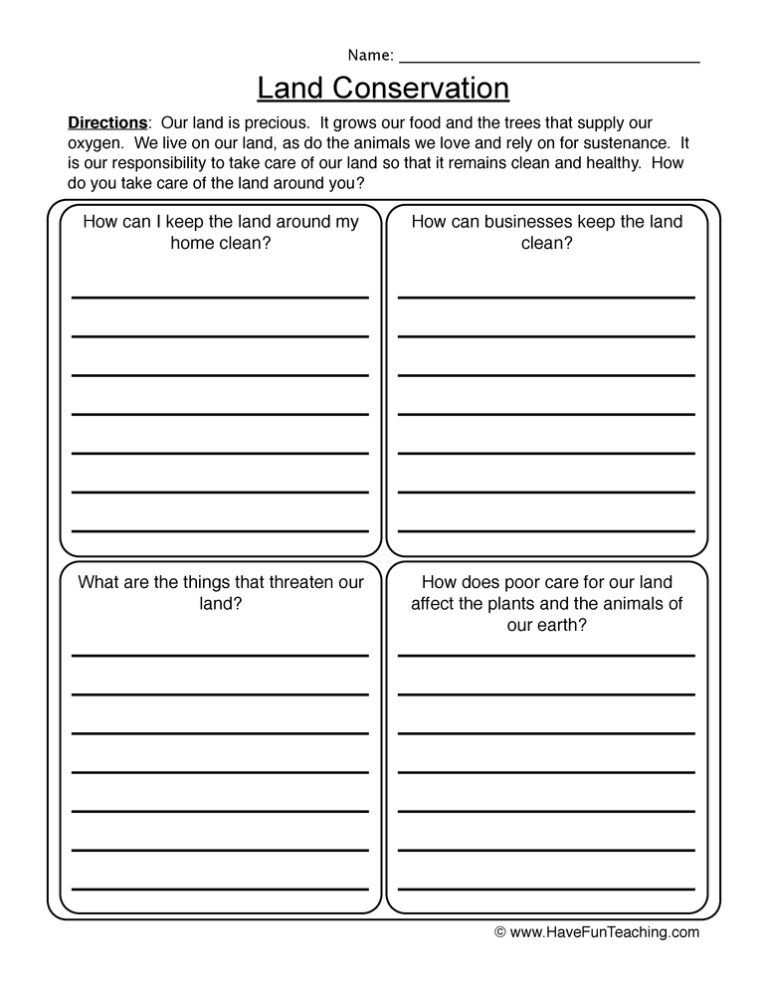
Worksheet3rd GradeLand Conservation Worksheet

This land conservation worksheet helps 3rd graders learn earth science words, sort actions that protect or harm the land, and solve a clean-up word problem. An answer key is included for easy checking.

Worksheet
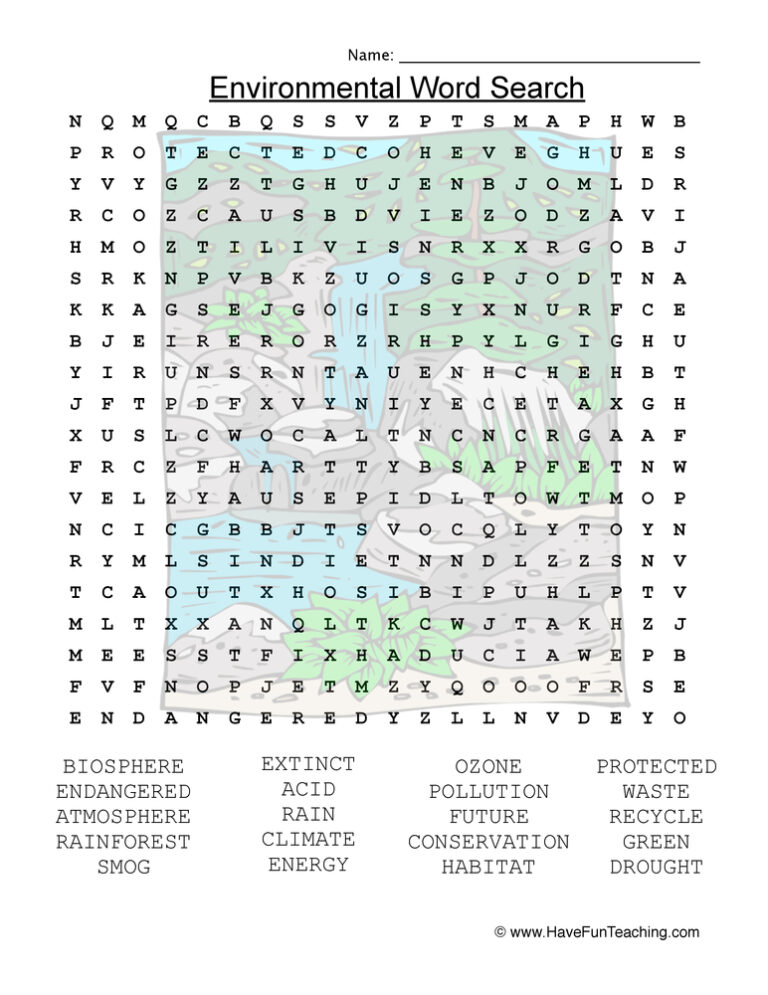
Worksheet3rd GradeEnvironments Word Search Worksheet

This Environments Word Search Worksheet gives 3rd graders a fun way to practice habitat, desert, forest, wetland, predator, and producer. An answer key is included, so review takes seconds.

Worksheet
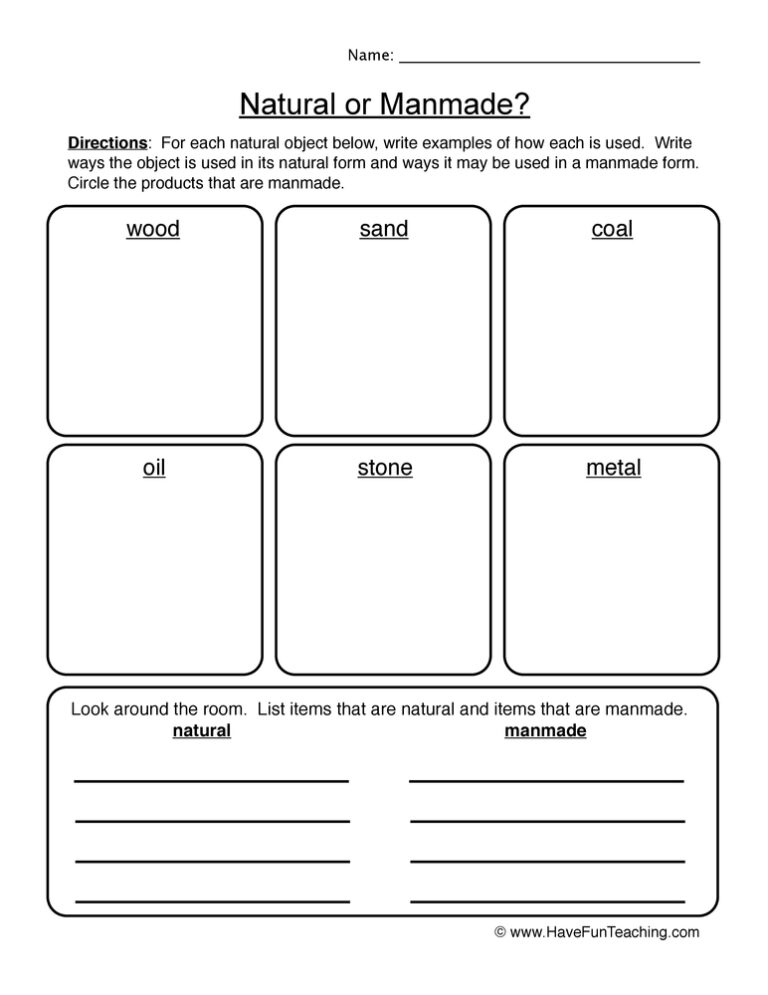
Worksheet3rd GradeNatural Man-Made Writing Worksheet

This natural man-made writing worksheet helps 3rd grade students sort everyday materials into natural and manmade groups, then find both kinds inside four short sentences. An answer key is included, so science practice is ready to print.

Worksheet
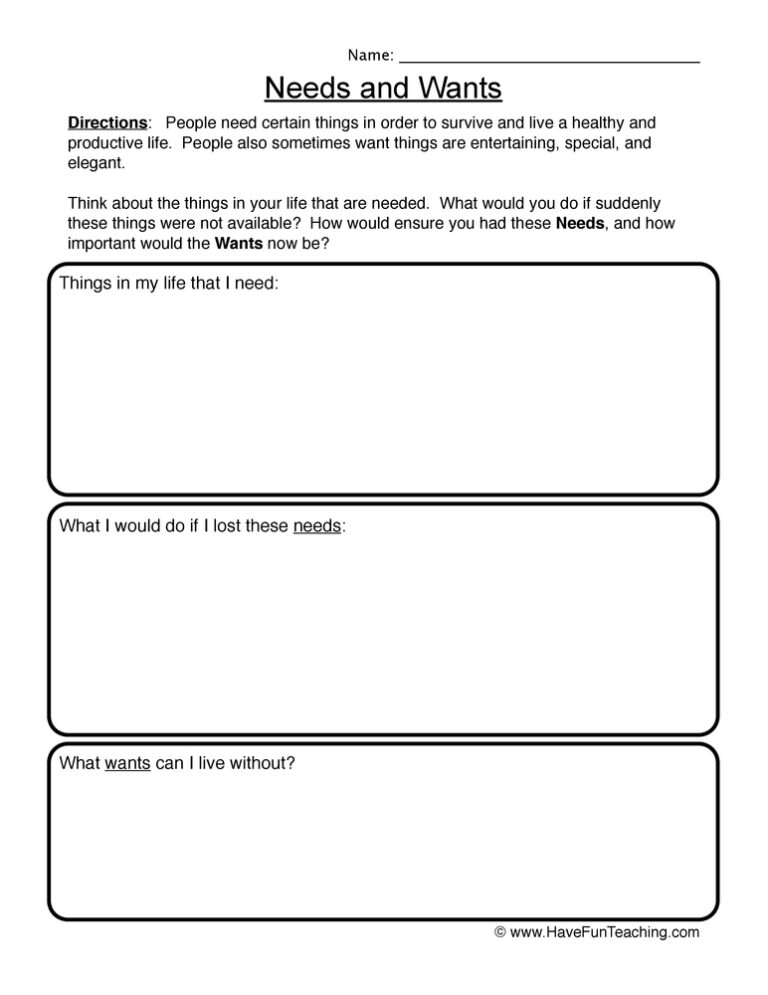
Worksheet3rd GradeNeeds and Wants Worksheet

This Needs and Wants Worksheet asks 3rd Grade students to list their own needs and wants, then explain what they would do without one of them. A one-page organizer that turns a simple sort into real reasoning.

Worksheet
Worksheet3rd GradeRainforest True or False Worksheet

This rainforest true or false worksheet asks 3rd graders to judge eight statements about rainforest weather, plants and animals, then fix a false one. An answer key makes it quick, no-prep science review.

Assessment
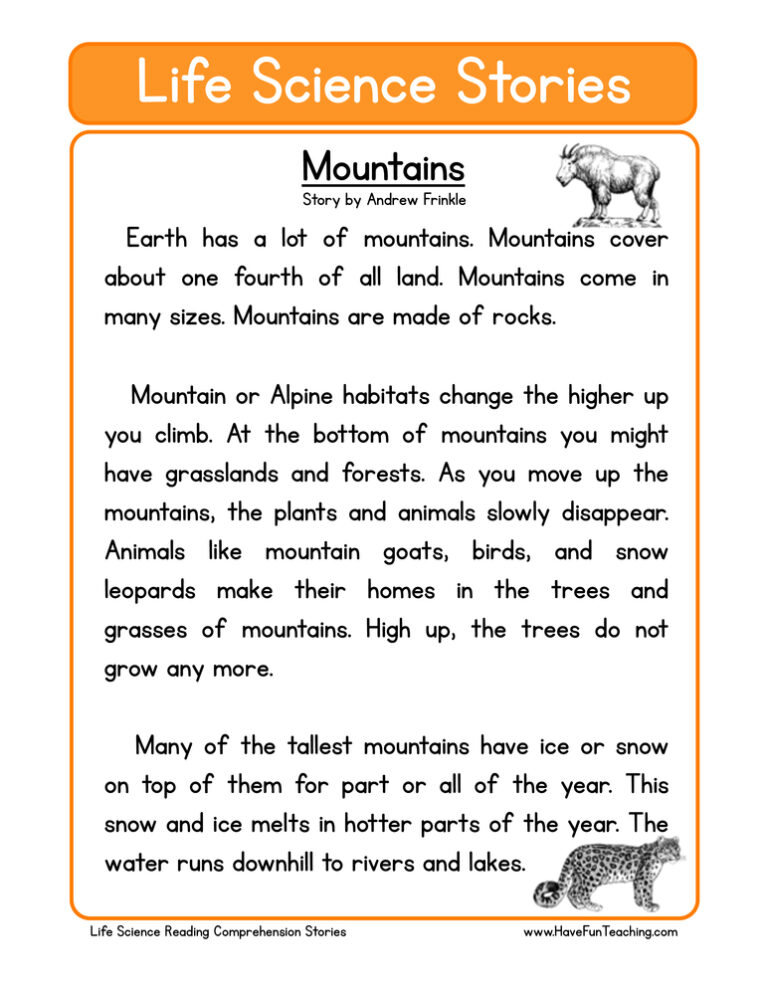
Assessment3rd GradeMountains Life Science Reading Comprehension Worksheet

Climb from grassy foothills to a snowy peak with this Mountains Life Science Reading Comprehension Worksheet. 3rd Grade readers answer multiple-choice and written questions about mountain habitats. Answer key included.

From our teachers' playbook

Deserts, oceans and everything between!

What do 3rd graders learn about environments?

Third graders explore how living things fit where they live. They learn that a desert, an ocean, a forest and a mountain each have different weather, water and food, and that plants and animals have special traits that help them survive there, like a cactus storing water. They also learn that environments can change, from a flood to pollution, and that some animals move, adapt or die when that happens. The click comes when kids see that humans change environments too, and can help protect them.

Our favorite ways to teach environments

Third graders love animals and big places. These moves turn that love into real science.

Match the animal to its home

Show pictures of animals and habitats and have kids match them, then explain one trait that helps the animal survive there. "The camel goes in the desert because it can go days without water." The why is the learning.

Why it works: children learn more from words and pictures together than from words alone (Mayer, 2009).

Matching Habitats WorksheetTry it withMatching Habitats WorksheetWorksheetsOpen it →

Read like a scientist

Use a short desert reading passage, then ask kids to underline every survival trait they find. Turn their list into a class chart. Reading and science together saves time and deepens both.

Why it works: mixing different kinds of problems in one practice set helped students do far better on a later test (Rohrer and Taylor, 2007).

Deserts Life Science Reading Comprehension WorksheetTry it withDeserts Life Science Reading Comprehension WorksheetWorksheetsOpen it →

Make a mini water cycle

Put a little water in a zip bag, tape it to a sunny window, and check it each day. Kids watch water evaporate and "rain" down the sides. Then they draw and label what they saw.

Why it works: kids understand an idea best when they touch it, then draw it, then write it, the order the U.S. Department of Education recommends for elementary math.

Water Cycle Experiment WorksheetTry it withWater Cycle Experiment WorksheetWorksheetsOpen it →

Questions teachers and parents ask

What is an environment in 3rd grade science?

An environment is everything around a living thing, like the land, water, weather, plants and animals. Third graders learn that each environment helps some living things survive and makes life harder for others.

What is the difference between a habitat and an environment?

A habitat is the specific home where a plant or animal lives, like a pond. An environment is bigger and includes all the living and nonliving things in an area.

How do animals survive in different environments?

They have traits that help them, called adaptations. A polar bear has thick fur for the cold, and a cactus has a waxy skin that holds in water in the desert.

How can kids help protect the environment?

Kids can reduce waste, reuse things, recycle, save water and pick up litter. Even small habits like turning off the faucet while brushing teeth help.